




Understanding the Connection Between Travel Goals and Personal Growth
Your travel goals are often intertwined with your personal growth. When you set out to explore new destinations, you’re not just visiting places; you’re embarking on a journey of self-discovery. Personal growth can manifest in various ways—gaining self-confidence, developing empathy, or enhancing your cultural awareness. Understanding this relationship can help you create travel experiences that significantly enrich your life.
- Understanding the Connection Between Travel Goals and Personal Growth
- Step 1: Define Your Travel Goals
- Step 2: Reflect on Past Travel Experiences
- Step 3: Set SMART Goals for Your Travels
- Step 4: Choose Destinations that Foster Growth
- Step 5: Develop a Travel Mindset
- Step 6: Document Your Journey
- Step 7: Evaluate and Adjust Your Goals
- Wrap Up: Making Travel a Tool for Personal Growth
Step 1: Define Your Travel Goals
Before you can align your travel goals with personal growth, you need to clearly define what those goals are. Ask yourself the following questions:
- What do I hope to gain from my travels?
- Am I looking for adventure, relaxation, or cultural immersion?
- How do I want to feel after my trip?
For example, if you’re seeking adventure, consider destinations that offer hiking or extreme sports. This aligns with developing resilience and pushing your limits, which are key components of personal growth.

Step 2: Reflect on Past Travel Experiences
Take a moment to reflect on your past travel experiences. What moments stood out to you? Were there instances where you felt you learned something significant about yourself or the world? This reflection can guide you in setting future travel goals. For instance, if you found that volunteering abroad taught you valuable life lessons, you might prioritize similar experiences in the future.
Step 3: Set SMART Goals for Your Travels
Once you’ve reflected on your desires and past experiences, it’s time to set SMART goals—Specific, Measurable, Achievable, Relevant, and Time-bound. This framework helps ensure your travel goals are practical and aligned with your personal growth objectives.
For example, instead of saying, “I want to travel more,” specify, “I want to visit two new countries within the next year and engage in a local community project in each.” This approach not only makes your goals clearer but also ties them directly to personal growth through community engagement.

Step 4: Choose Destinations that Foster Growth
The next step is to select destinations that will foster your personal growth. Research locations that offer opportunities for learning and self-reflection. For instance:
- **Cultural Immersion**: Consider visiting places known for their rich cultural heritage, such as Kyoto or Istanbul, where you can learn about history and traditions.
- **Nature Escapes**: Destinations like Costa Rica or New Zealand provide not only breathtaking scenery but also chances to connect with the environment, enhancing your appreciation for nature.
- **Volunteering Opportunities**: Countries like Thailand or South Africa often welcome volunteers, allowing you to contribute while growing personally.
Important note: Ensure that your chosen destinations align with your personal values and aspirations. This connection will deepen your experiences and make them more meaningful.
Step 5: Develop a Travel Mindset
To align your travel goals with personal growth, you must cultivate a mindset open to learning and exploration. This involves embracing uncertainty and being willing to step out of your comfort zone. Here are a few tips:
- **Stay Curious**: Approach your travels with an open mind. Ask questions, engage with locals, and seek out new experiences.
- **Practice Mindfulness**: Be present during your travels. Pay attention to the sights, sounds, and emotions you encounter. This practice enhances self-awareness.
- **Embrace Challenges**: Travel can be unpredictable. Instead of shying away from challenges, view them as opportunities for growth.
Step 6: Document Your Journey
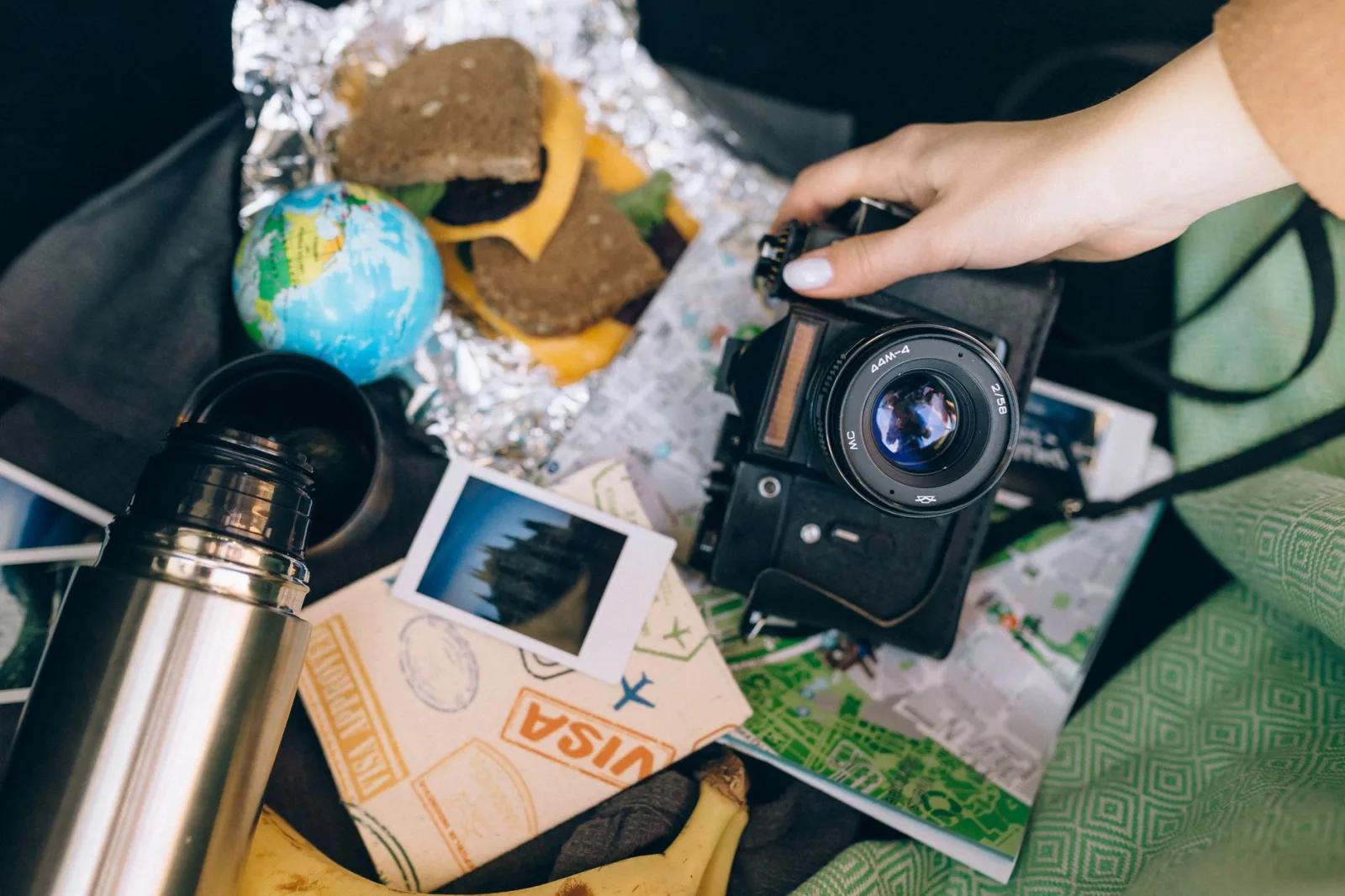
Keeping a travel journal or blog can be a powerful tool for personal growth. Recording your thoughts and experiences allows you to reflect on your journey. You might discover patterns in your feelings and reactions that can inform future travels.
For instance, if you notice that you feel most alive when engaging with new cultures, you might prioritize immersive travel experiences in the future. Additionally, sharing your experiences with others can foster connections and inspire fellow travelers.
Step 7: Evaluate and Adjust Your Goals
After each trip, take the time to evaluate whether your travel goals aligned with your personal growth objectives. Did you achieve what you set out to do? What did you learn about yourself? This evaluation will help you refine your future travel goals.
Common mistake: Failing to evaluate can lead to repeating the same travel patterns without realizing their impact on your growth. Regularly reassessing your goals ensures that your travels remain aligned with your evolving personal development.
Wrap Up: Making Travel a Tool for Personal Growth
Aligning your travel goals with personal growth is a thoughtful process that requires introspection and planning. By defining your goals, reflecting on past experiences, and being intentional about your travels, you can create enriching journeys that foster self-discovery. Remember, travel is not just about the places you visit but also about who you become along the way.
Key Takeaways:
- Clearly define your travel goals and ensure they align with your personal growth aspirations.
- Reflect on past travel experiences to guide future decisions.
- Set SMART goals for practical and measurable outcomes.
- Choose destinations that provide opportunities for learning and growth.
- Cultivate a travel mindset that embraces curiosity and mindfulness.
- Document your journeys to enhance self-reflection.
- Regularly evaluate and adjust your goals to maintain alignment with your personal development.