




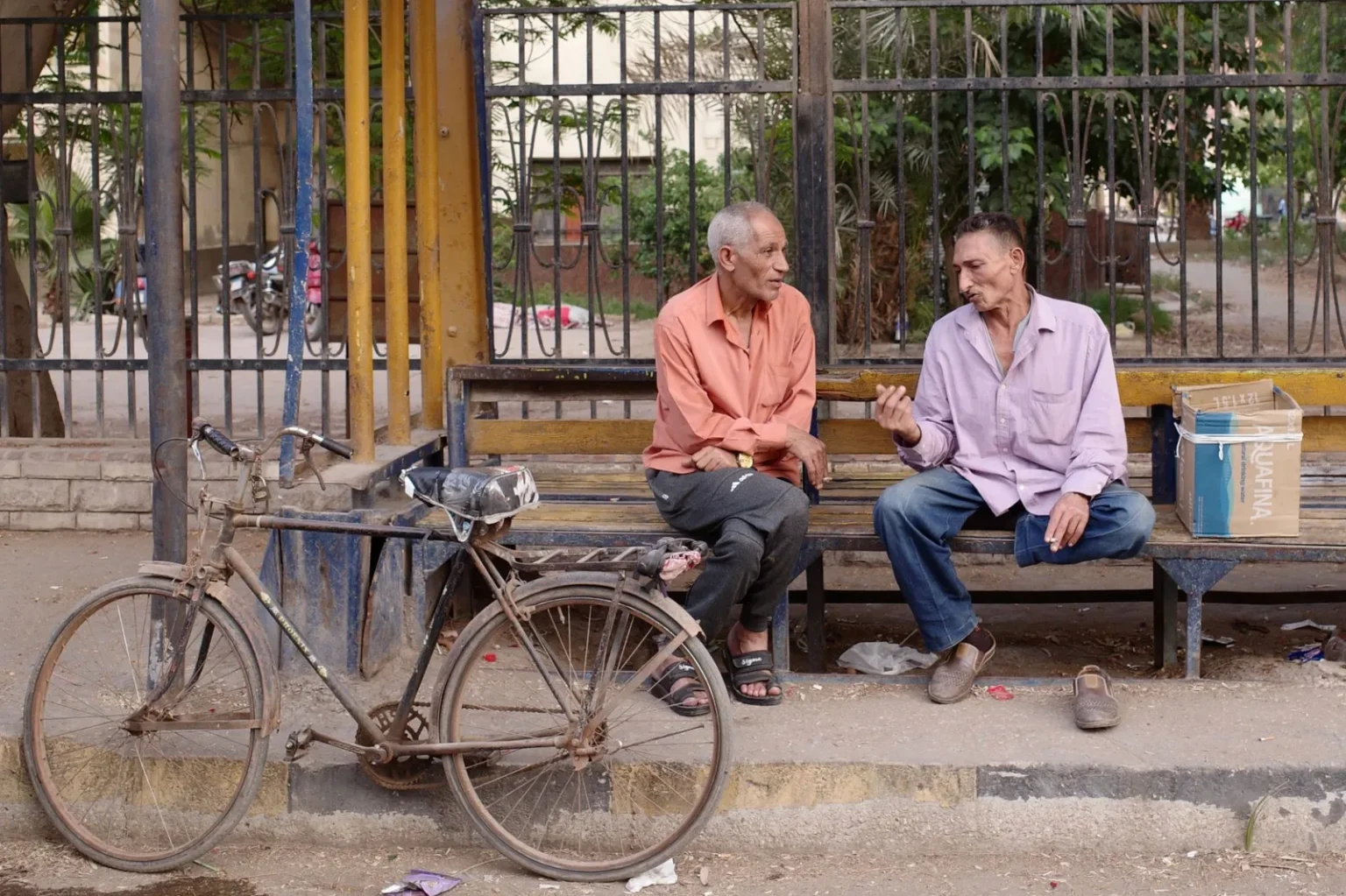

Understanding Cairo’s Community Gardens
Cairo’s community gardens serve as vital green spaces in an urban landscape dominated by concrete. These gardens focus on urban agriculture and local sustainability, enabling residents to cultivate plants and foster community ties. By participating in these gardens, individuals not only grow food but also contribute to the well-being of their neighborhoods.
The Role of Urban Agriculture in Cairo
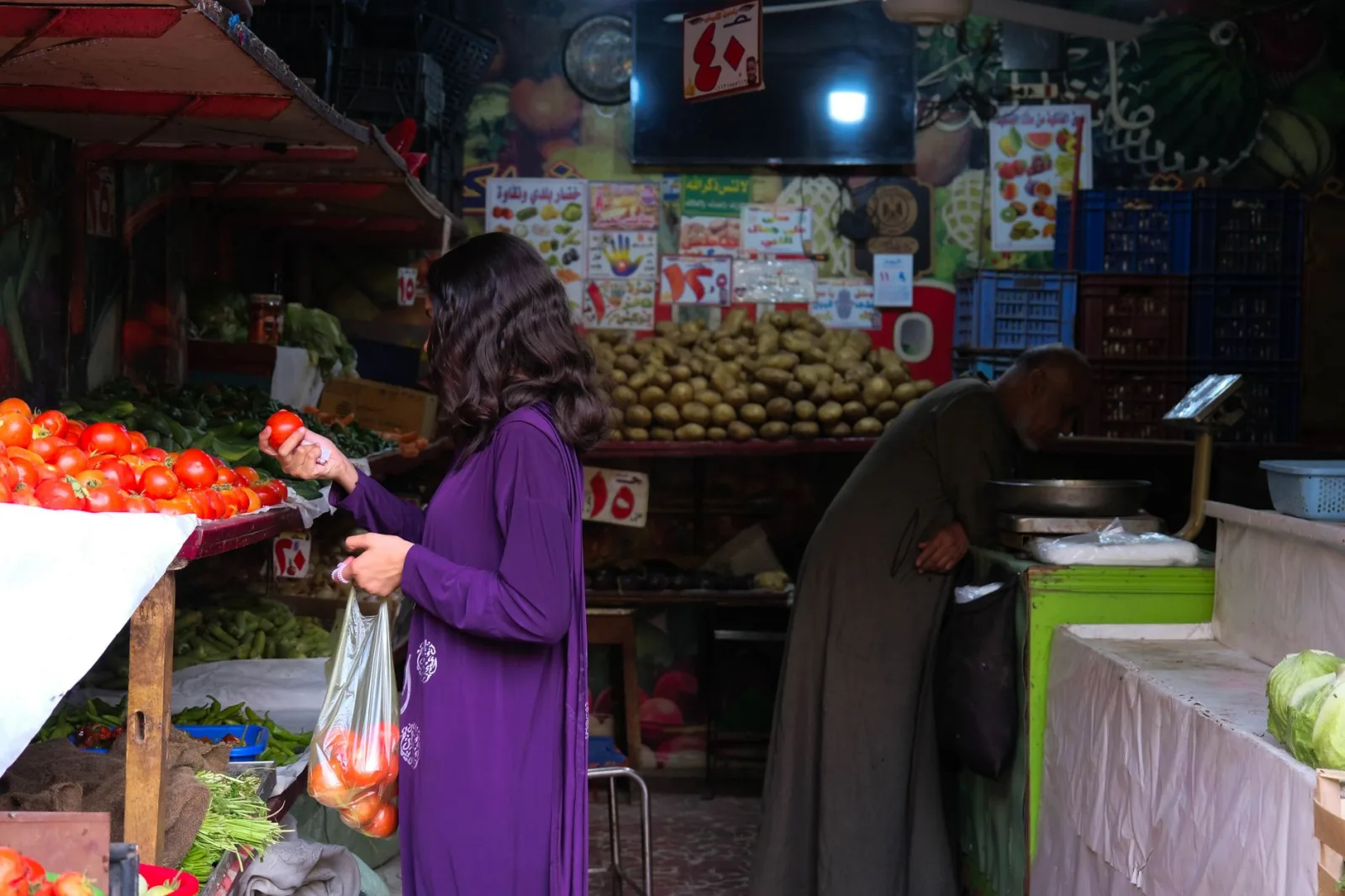
Urban agriculture refers to the practice of cultivating, processing, and distributing food in or around urban areas. In Cairo, these gardens address food insecurity by allowing families to grow fresh produce. For instance, many gardeners have reported that their homegrown vegetables taste better and are more nutritious than store-bought options.
Benefits of Community Gardens
Community gardens offer multiple benefits that go beyond food production. Firstly, they enhance local biodiversity, providing habitats for various species. Furthermore, these gardens promote social interaction among residents, fostering a sense of community. You might find neighbors exchanging gardening tips or sharing recipes, creating bonds over the plants they grow.
Steps to Start a Community Garden in Cairo
If you’re interested in starting a community garden in Cairo, here are some steps to guide you:
- Identify a Suitable Location: Look for vacant lots or community spaces that can accommodate a garden. Ensure the location has adequate sunlight and access to water.
- Gather Support: Engage with local residents to gauge interest. Form a group of committed individuals who will help maintain the garden.
- Create a Plan: Decide what crops to plant based on the preferences of the community and the local climate. Consider vegetables, herbs, and flowers that thrive in Cairo’s conditions.
- Secure Resources: Obtain the necessary tools, seeds, and soil. Community members can contribute what they have, reducing costs.
- Implement Sustainable Practices: Educate members about organic gardening techniques. Composting kitchen waste can enrich the soil while reducing waste.
- Host Regular Meetings: Schedule gatherings to discuss progress, share experiences, and plan future activities.
- Celebrate Success: Organize events where members can showcase their produce and share meals, reinforcing community ties.
Challenges Facing Community Gardens
While community gardens in Cairo bring many advantages, they also face challenges. Limited access to water can hinder growth, especially during hot summer months. Urban pollution may affect soil quality, making it essential to test the soil before planting. Additionally, securing land rights can be complicated, as many gardens are established on public or underutilized land.
Connecting with Local Traditions
Community gardens in Cairo often reflect the city’s rich cultural heritage. For instance, you might find traditional Egyptian herbs like mint and dill alongside modern vegetables. These gardens can also serve as a venue for cultural activities, such as cooking classes or workshops on traditional Egyptian cuisine. Engaging with these traditions enhances the gardening experience and educates participants about the culinary uses of various plants.
Future of Urban Agriculture in Cairo
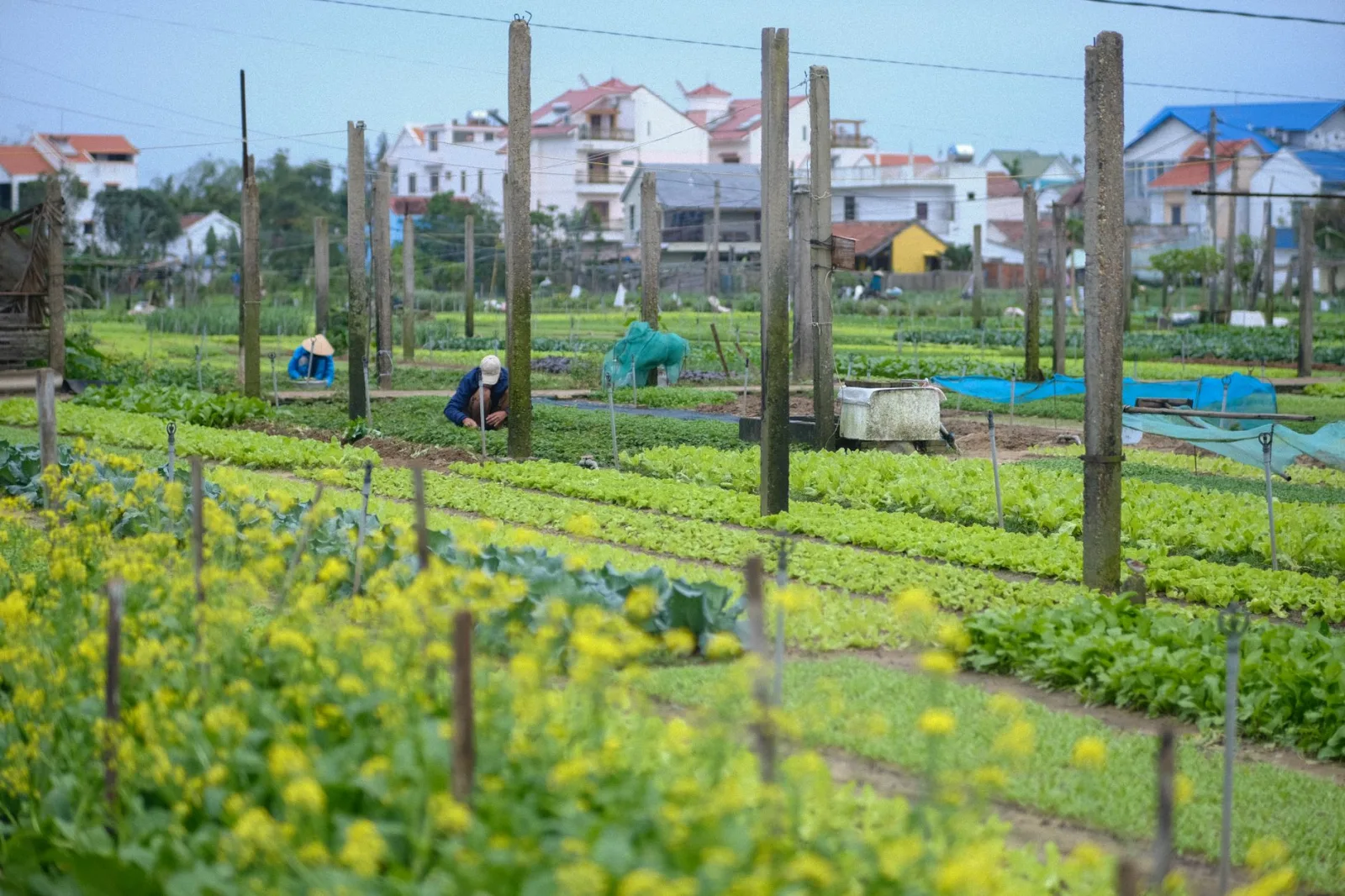
The future of urban agriculture in Cairo looks promising. With increasing awareness of sustainability, more residents are likely to embrace community gardening. Local government initiatives may also support these efforts by providing resources and improving access to green spaces. You can contribute to this movement by advocating for policies that promote urban agriculture and sustainability.
Conclusion: Key Takeaways
Cairo’s community gardens are more than just patches of green; they represent a movement towards urban agriculture and local sustainability. By fostering community spirit, enhancing biodiversity, and promoting healthy eating, these gardens play a critical role in urban life. If you’re inspired to get involved, consider joining an existing garden or starting one in your neighborhood. Remember, every little effort counts towards creating a sustainable future.