





Understanding Cairo’s Community Gardens
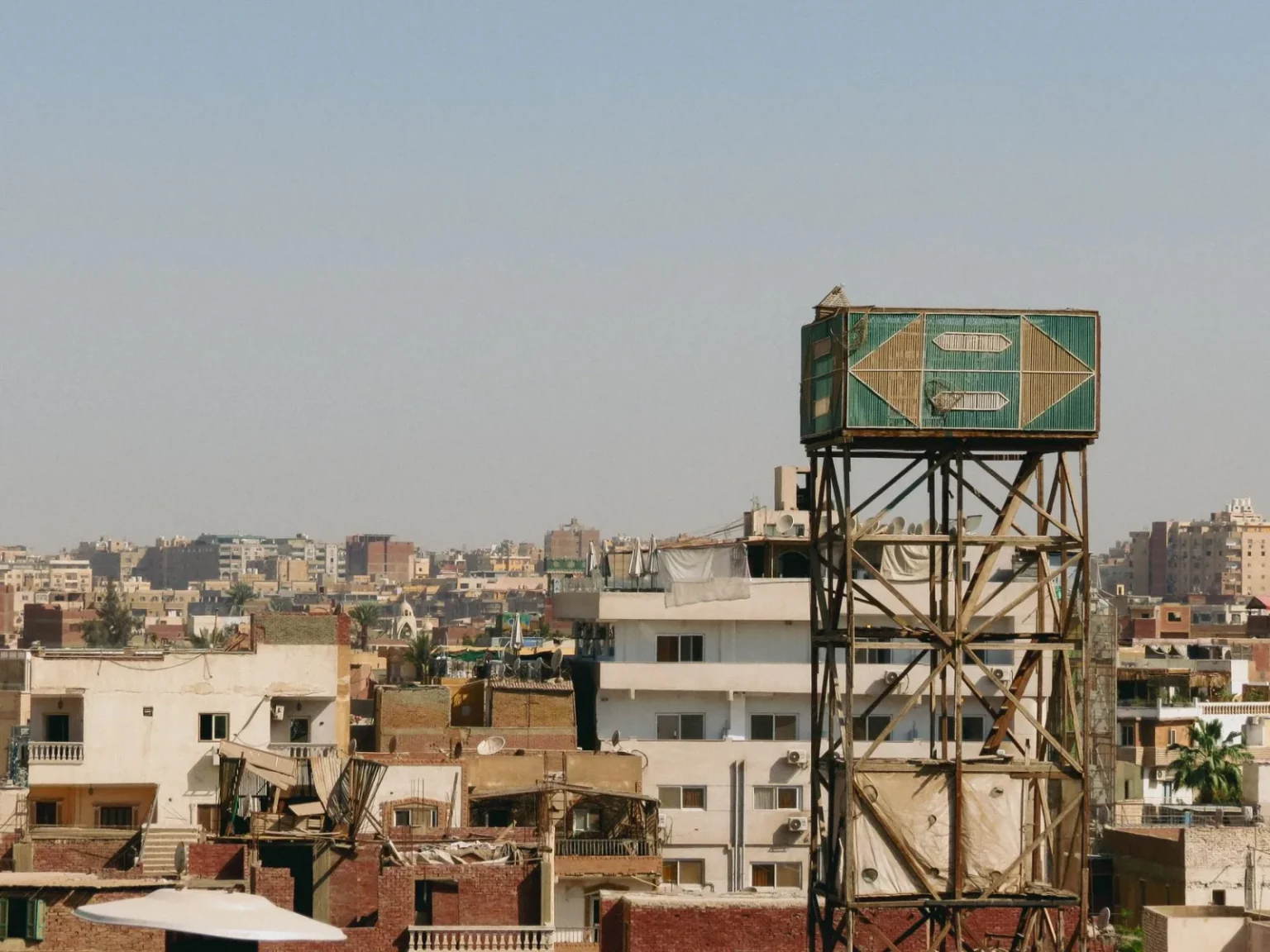
Cairo’s community gardens represent a growing movement towards urban agriculture, providing a space where locals can cultivate not just plants, but also community ties. In a city where green space is limited, these gardens serve as essential hubs for sustainability and connection. They offer a practical solution to food security while fostering a sense of belonging among residents.
- Understanding Cairo’s Community Gardens
- The Importance of Urban Agriculture
- How Community Gardens Promote Local Sustainability
- Steps to Get Involved in a Community Garden
- Cultural Significance of Community Gardens
- Challenges Facing Community Gardens
- Success Stories from Cairo’s Community Gardens
- Conclusion: The Future of Community Gardens in Cairo
The Importance of Urban Agriculture
Urban agriculture encompasses the cultivation of food in and around cities. In Cairo, where many residents live in densely populated areas, community gardens are pivotal in addressing food deserts. They allow individuals to grow their own produce, which can lead to healthier eating habits and reduced reliance on store-bought goods. Important note: Participating in urban agriculture can also decrease your carbon footprint, as locally grown food requires less transportation.
How Community Gardens Promote Local Sustainability
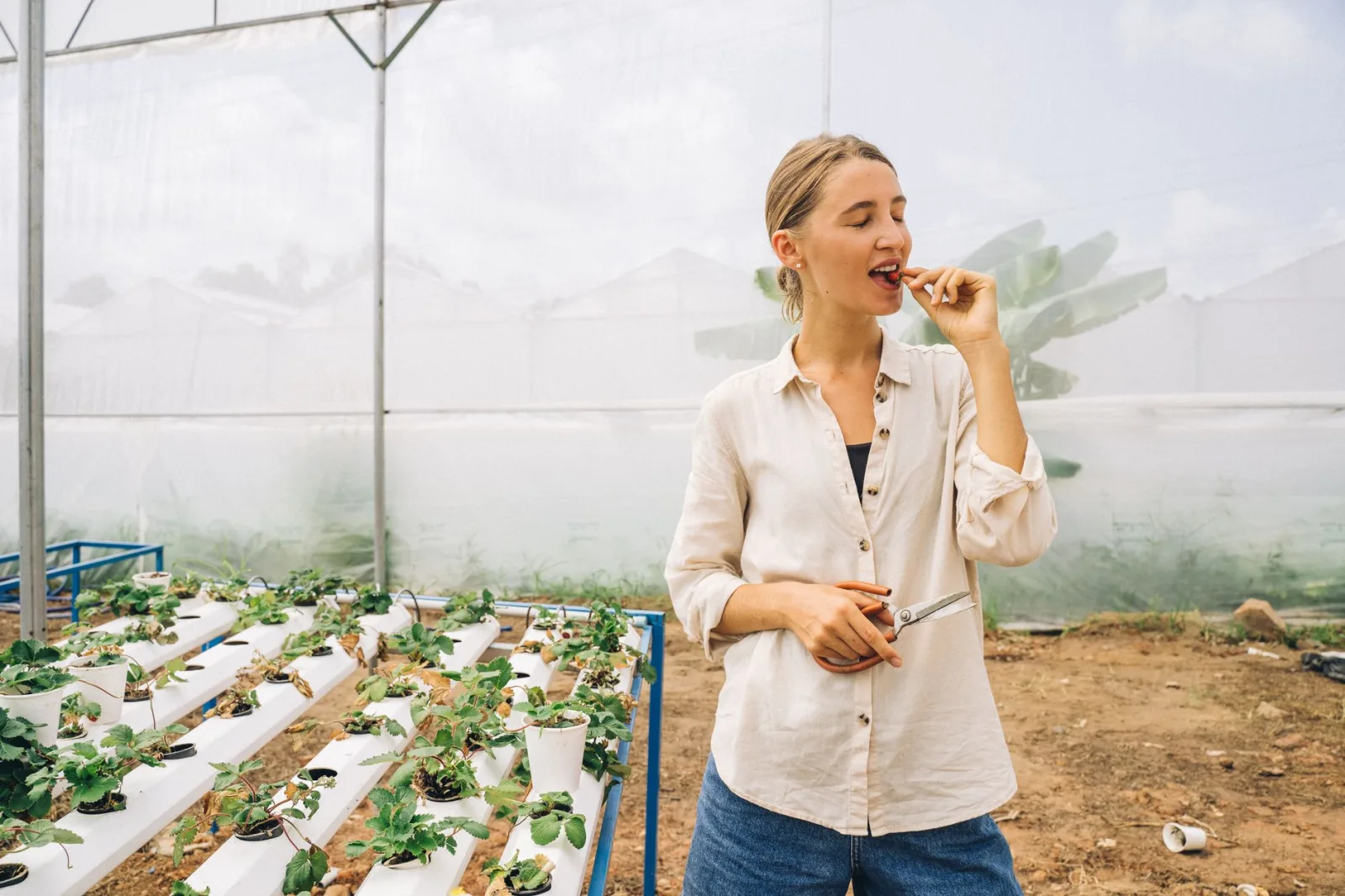
Community gardens in Cairo not only provide fresh produce but also promote environmental sustainability. By utilizing organic farming techniques, such as composting and crop rotation, these gardens help maintain soil health and reduce waste. Additionally, they often use rainwater harvesting techniques, which can be crucial in a city that faces water scarcity. The next step is understanding how these practices benefit both the environment and the community.
Steps to Get Involved in a Community Garden
If you’re interested in participating in a Cairo community garden, here are some practical steps you can take:
- Research: Start by searching for community gardens in your neighborhood or areas of interest. Websites and local social media groups often provide information on existing gardens.
- Visit: Take the time to visit a few gardens. This will give you a sense of the community and the types of activities that take place there.
- Volunteer: Many gardens welcome volunteers. This is a great way to meet fellow gardeners and learn about sustainable practices.
- Join a Workshop: Look for workshops that teach gardening techniques or sustainable practices. Participating can enhance your skills and deepen your connection to the community.
- Start Your Own Plot: If you feel inspired, consider starting your own garden plot. Many community gardens have guidelines and support for new gardeners.
Cultural Significance of Community Gardens
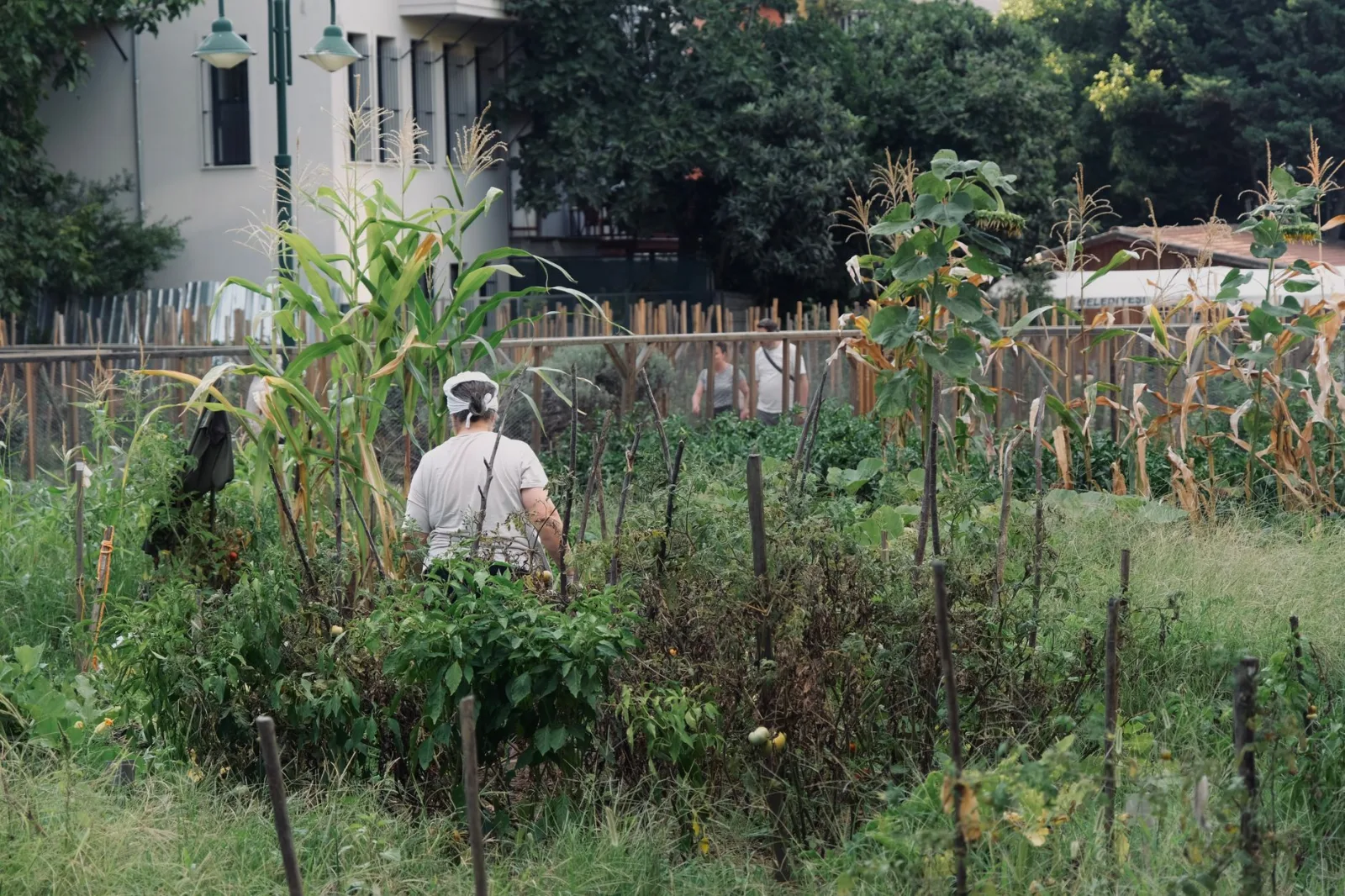
Beyond their environmental benefits, community gardens in Cairo embody cultural exchange. They often bring together diverse groups, including local residents and expatriates, who share knowledge and traditions related to gardening. For example, you may find a blend of Egyptian herbs and international vegetables being cultivated side by side. This fusion enhances culinary experiences and fosters intercultural dialogue. Warning: It’s essential to respect local customs and practices when participating in these gardens.
Challenges Facing Community Gardens
Despite their benefits, community gardens in Cairo face several challenges. Land access is often limited, and securing funding can be difficult. Additionally, seasonal weather changes can impact crop yields. Common mistake: Some gardeners assume that any plant will thrive without considering the local climate. Understanding which crops are suitable for Cairo’s environment is crucial for success.

Success Stories from Cairo’s Community Gardens
Several community gardens in Cairo have achieved remarkable success, showcasing the potential for urban agriculture. For instance, the ‘Giza Community Garden’ has become a model for others, promoting not only food production but also educational programs for children. Another example is the ‘Cairo Urban Farming’ initiative, which offers training workshops for aspiring urban farmers. Pro tip: Engaging with these successful models can provide valuable insights into best practices and innovative solutions.
Conclusion: The Future of Community Gardens in Cairo
The future of Cairo’s community gardens looks promising as awareness about local sustainability grows. These gardens are more than just patches of green; they are vibrant spaces that cultivate community ties and promote environmental stewardship. As you consider getting involved, remember that your participation can contribute to a healthier, more connected urban environment. Key takeaways include the importance of understanding local practices, the benefits of urban agriculture, and the role community gardens play in fostering social connections.