





Understanding Cairo’s Culinary Rituals
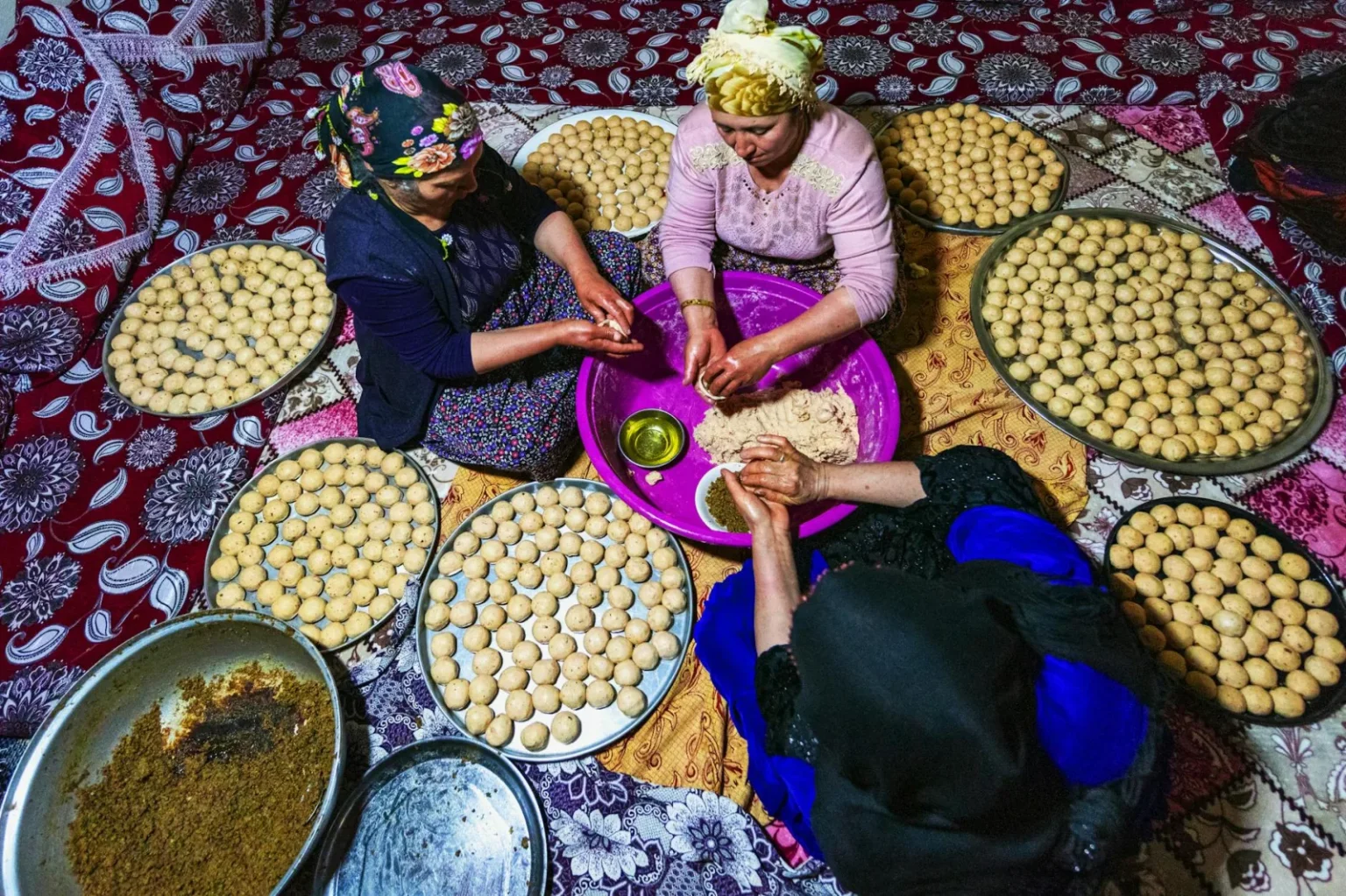
Cairo’s culinary rituals are deeply intertwined with its rich history and diverse culture. These rituals not only celebrate food but also embody the social fabric of Egyptian life. By participating in these culinary practices, you can gain insights into the values and traditions of the local people.
The Significance of Traditional Feasts
Traditional feasts in Cairo are more than just meals; they are communal gatherings that reinforce relationships among family and friends. These feasts often coincide with religious holidays, family celebrations, or significant life events, such as weddings or births. The preparation and enjoyment of food during these occasions represent a form of cultural expression and continuity.
Step 1: Gathering Ingredients
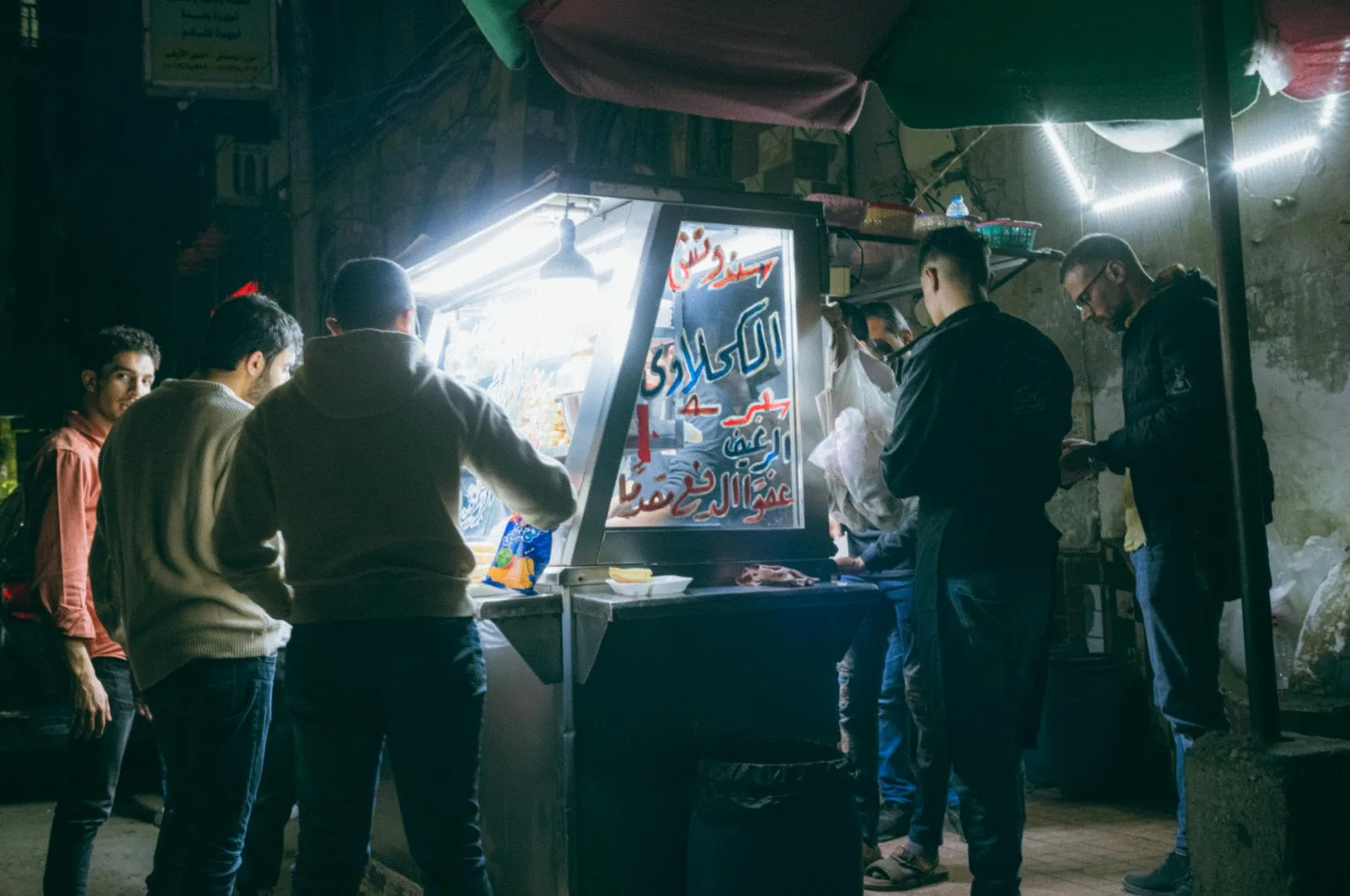
The first step in any culinary ritual is acquiring the necessary ingredients. In Cairo, this often involves a visit to local markets, where vibrant displays of fresh produce, spices, and meats create a sensory experience. For example, visiting a market such as Khan el-Khalili not only provides access to quality ingredients but also allows you to engage with local vendors. Important note: Always choose fresh, locally sourced items to ensure authenticity and flavor.
Step 2: The Art of Preparation
Once ingredients are gathered, the next step is the preparation. Traditional dishes like koshari or moulokhia require specific techniques passed down through generations. For instance, making koshari involves layering rice, lentils, and pasta, topped with a spicy tomato sauce and crispy onions. Warning: A common mistake during preparation is rushing the cooking process. Take your time to ensure each component is cooked properly, enhancing the dish’s overall flavor.
Step 3: Setting the Table
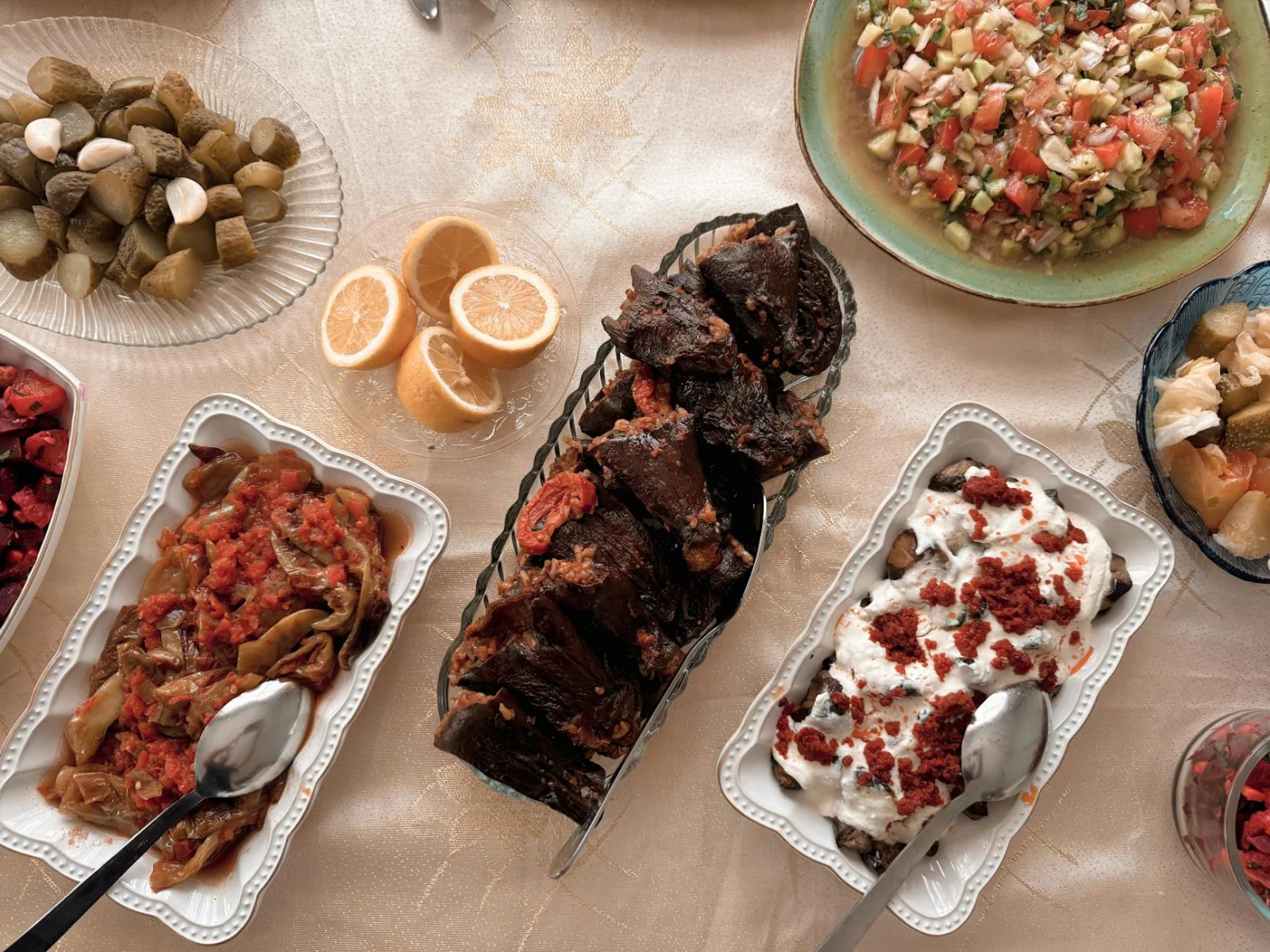
Setting the table is a ritual in itself. In Cairo, a traditional feast often features a large communal platter, encouraging sharing and interaction among guests. This practice reinforces the cultural value placed on hospitality. Pro tip: Use colorful tableware and fresh herbs as garnishes to elevate the presentation, making the meal more inviting.
Step 4: The Meal Itself
During the meal, the atmosphere is filled with laughter, conversation, and the enjoyment of food. Each dish served carries its story. For example, mahlabia, a creamy dessert, is often enjoyed during celebrations. It symbolizes sweetness and joy. Understanding these connections enriches your culinary experience.
Exploring Local Food Culture Through Feasts
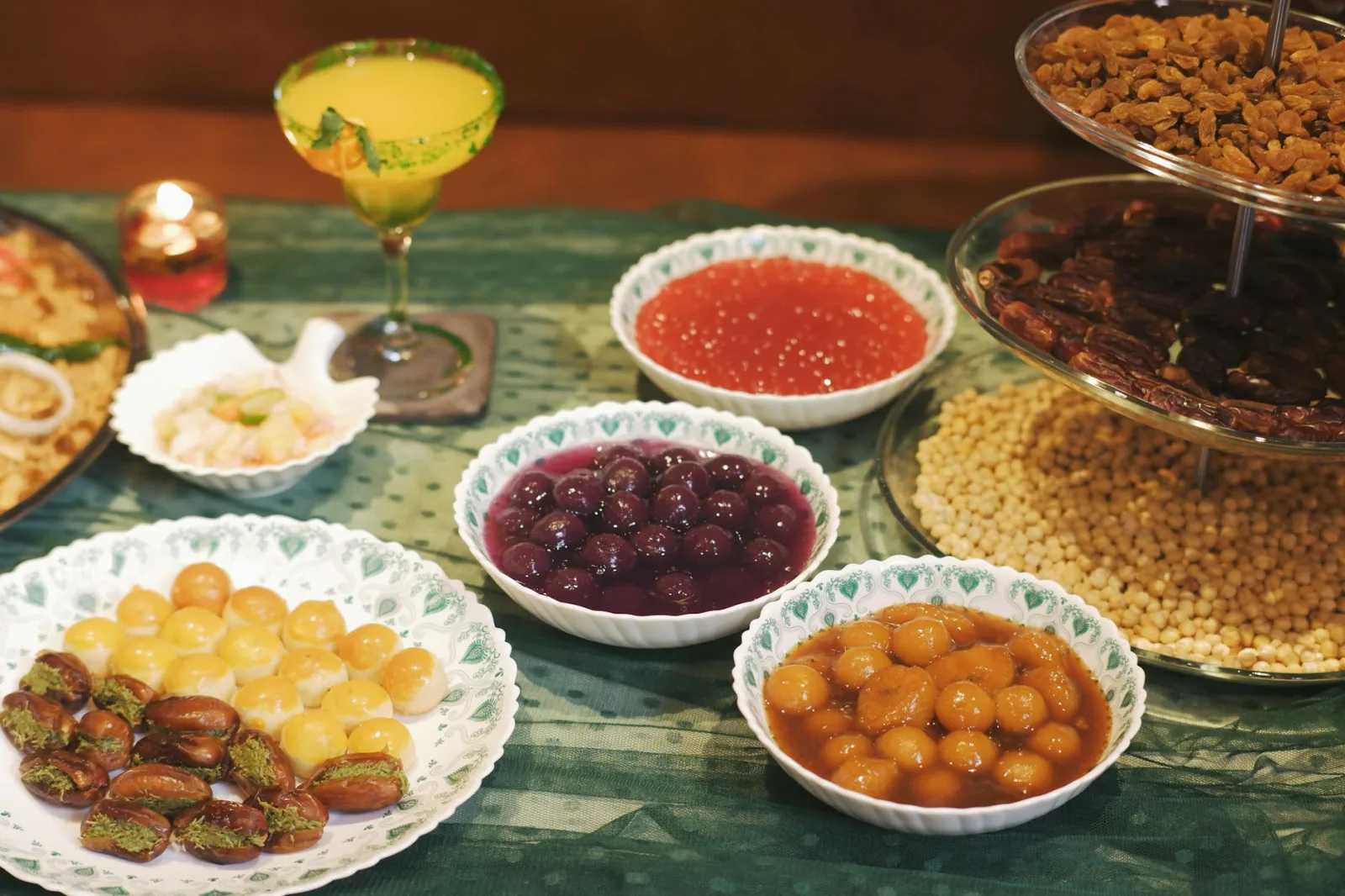
Cairo’s local food culture is a tapestry woven with traditions, flavors, and rituals. Engaging with these feasts allows you to appreciate the significance of food in Egyptian society. The communal aspect of these meals promotes bonding and creates lasting memories. To delve deeper, consider joining a local food tour, such as Cairo’s Artisan Food Tours, to experience these rituals firsthand.
Conclusion: Embracing the Experience
In conclusion, Cairo’s culinary rituals offer a profound glimpse into the heart of Egyptian culture. By understanding the significance behind traditional feasts and participating in their preparations, you can create meaningful connections with the local community. Remember, the essence of these rituals lies not only in the flavors but also in the shared experiences they foster. Key takeaways include the importance of fresh ingredients, the careful preparation of dishes, and the communal enjoyment of food. Embrace these culinary rituals to enrich your travels and deepen your appreciation for Cairo’s vibrant local food culture.