





Understanding Cairo’s Culinary Scene
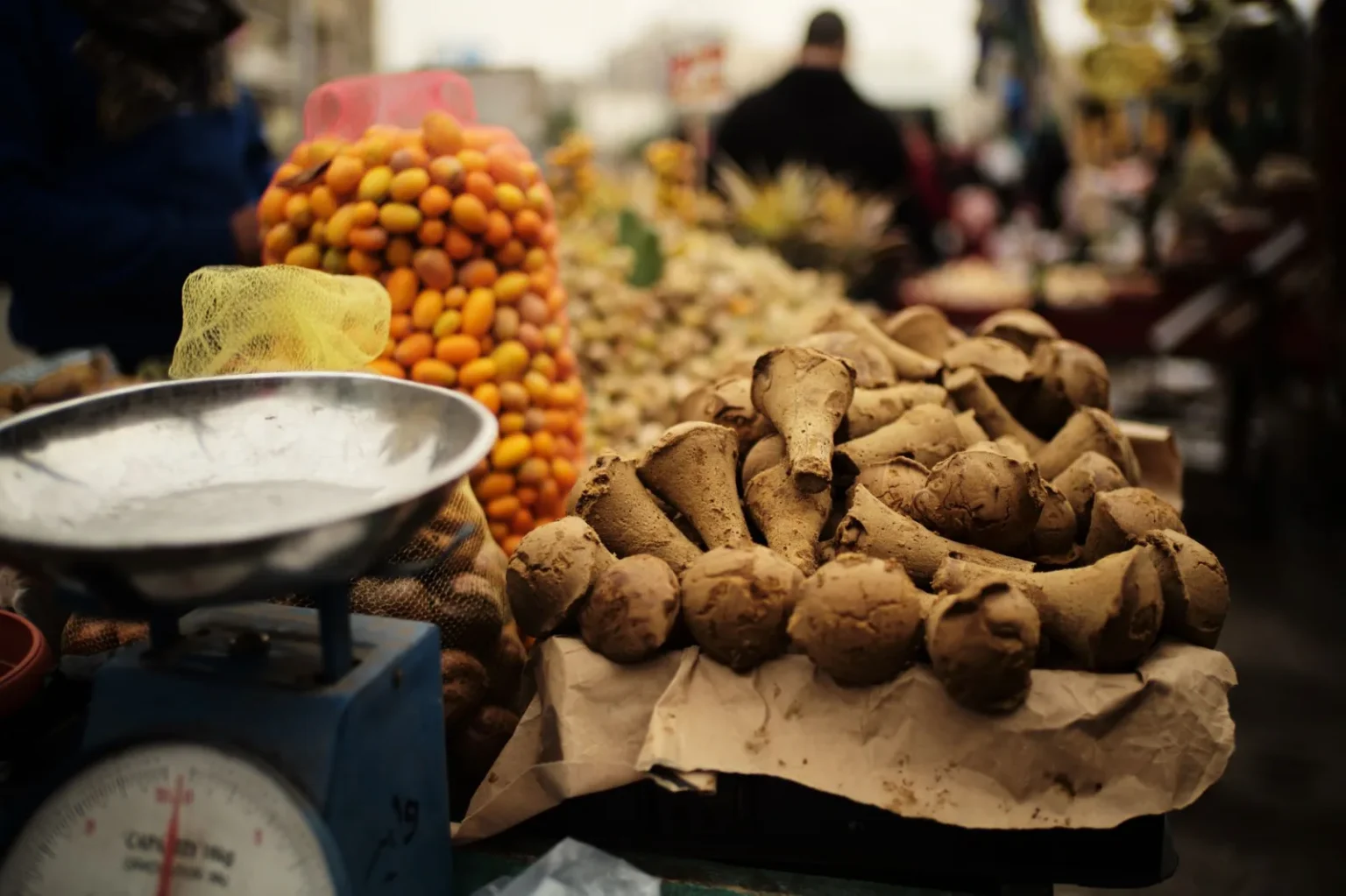
Cairo’s culinary landscape is a vibrant tapestry woven from centuries of cultural influences and local traditions. From bustling street vendors to elegant restaurants, the food you find here tells stories of the people who have called this city home. One of the most enriching ways to experience these stories is through Cairo’s culinary workshops. In these workshops, you can learn traditional recipes directly from local chefs, gaining insights not only into the cooking techniques but also the cultural significance behind each dish.
The Value of Learning from Local Chefs
Learning traditional recipes from local chefs offers you a unique perspective on Egyptian cuisine. Firstly, local chefs possess intimate knowledge of their culinary heritage, often passed down through generations. This means you will not only learn how to prepare dishes but also understand the history and context behind them. For example, a chef might explain how the spices used in a particular dish reflect the influences of trade routes that once passed through Egypt.
Additionally, working alongside local chefs allows for a hands-on experience that is difficult to replicate in a standard cooking class. You will have the opportunity to ask questions, receive immediate feedback on your techniques, and even share stories that can deepen your understanding of the food.
Finding the Right Culinary Workshop for You
With a plethora of options available, choosing the right Cairo culinary workshop can seem daunting. Here are some steps to help you narrow down your choices:
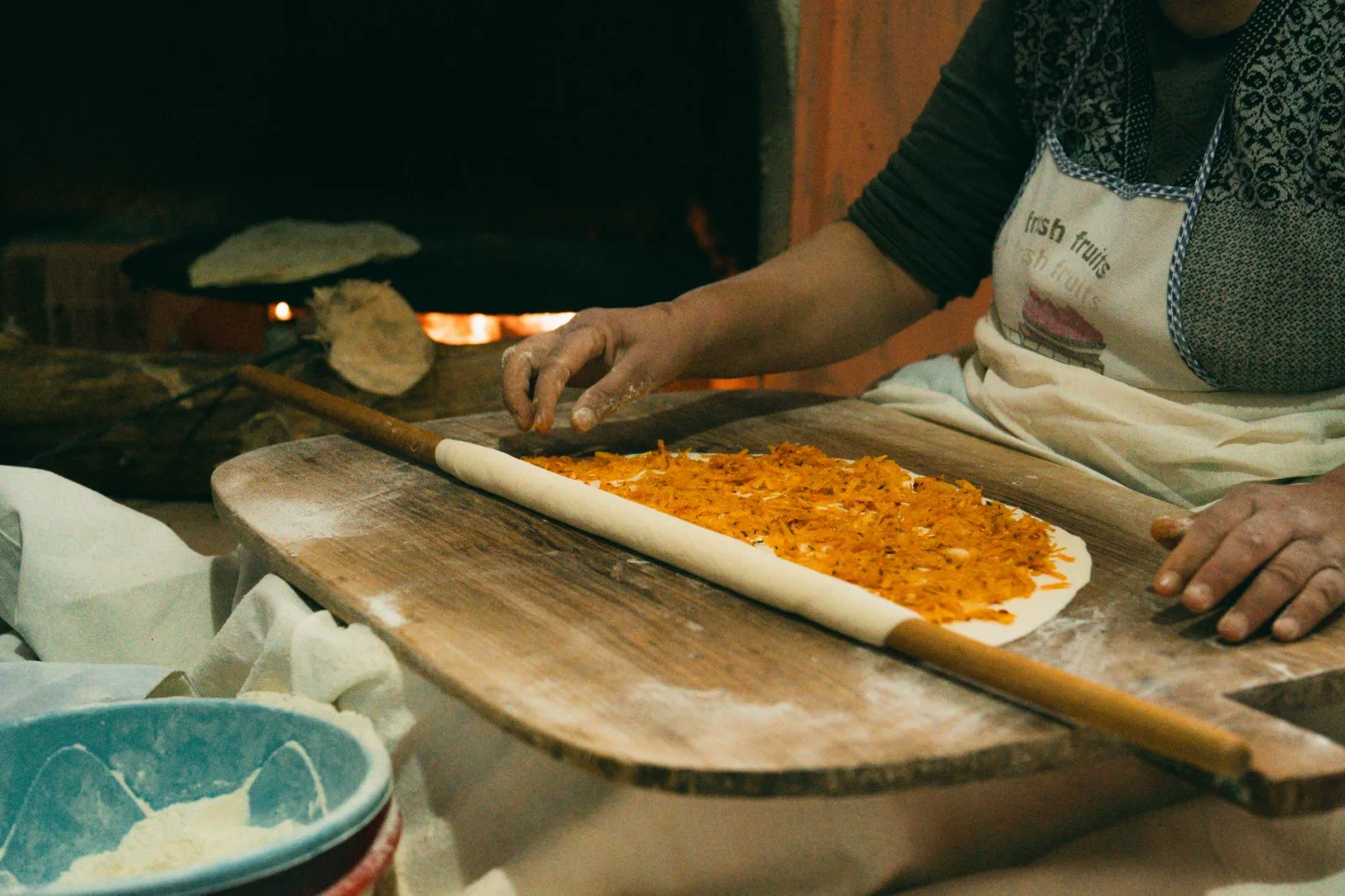
- Identify your interests: Are you more interested in street food, traditional family recipes, or perhaps the art of Egyptian baking? Knowing what excites you will help you select a workshop that aligns with your interests.
- Research local chefs: Look for workshops led by chefs who are passionate about sharing their heritage. Read reviews or testimonials to gauge the experiences of previous participants.
- Consider the size of the class: Smaller classes often allow for more personalized attention and a better learning environment. Aim for workshops with no more than 8-10 participants.
- Check the location: Some workshops are held in chefs’ homes, while others are in professional kitchens. Choose a setting that feels comfortable and conducive to learning.
What to Expect in a Culinary Workshop
Once you have selected a workshop, it’s important to know what to expect. Most Cairo culinary workshops typically include the following:
- Preparation: You’ll start with a brief introduction to the ingredients and tools you’ll be using. This is often followed by a tour of a local market to source fresh ingredients, giving you insight into the local food culture.
- Cooking: You will engage in hands-on cooking, guided step-by-step by the chef. During this time, you will learn techniques specific to Egyptian cuisine, such as how to correctly prepare spices or the perfect way to cook rice.
- Tasting: After cooking, you will have the chance to taste your creations. This is not just a meal; it’s an opportunity to discuss the flavors and techniques used, often accompanied by stories from the chef about the dish’s significance.
- Recipe Sharing: Many workshops conclude with chefs providing you with the recipes you prepared, ensuring you can replicate these dishes at home.
Essential Traditional Recipes to Look Out For
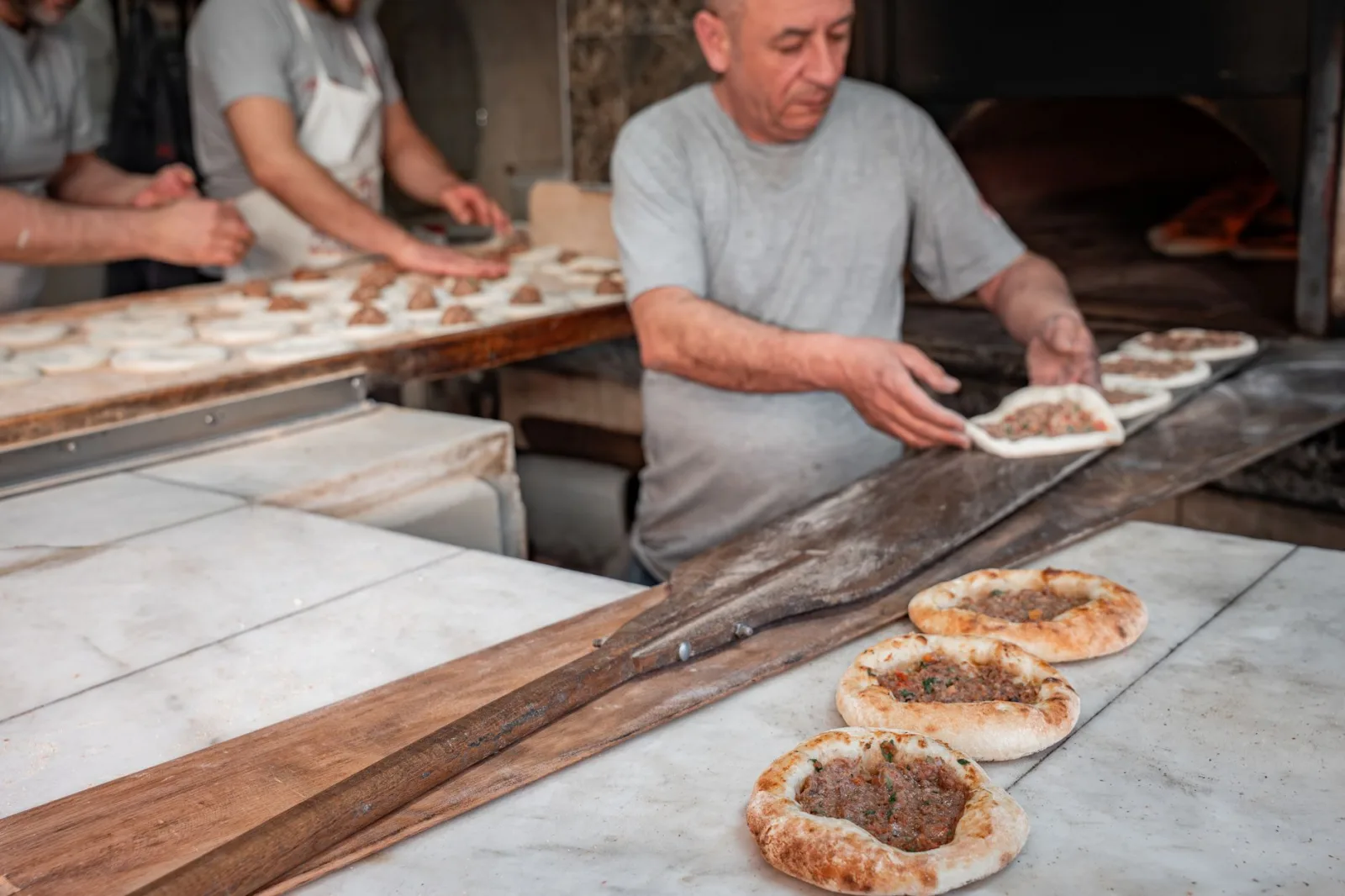
While each workshop may offer different dishes, there are several traditional recipes that are commonly taught due to their cultural importance:
- Koshari: Often considered the national dish, Koshari is a hearty mix of rice, lentils, pasta, and topped with a spicy tomato sauce. It’s a perfect representation of Egypt’s diverse culinary heritage.
- Molokhia: A green soup made from the leaves of the jute plant, Molokhia is typically served with chicken or rabbit. Learning how to prepare this dish will introduce you to a staple in Egyptian households.
- Basbousa: This sweet semolina cake soaked in sugar syrup is a beloved dessert. Understanding how to make Basbousa can offer insights into Egyptian hospitality and celebration.
Pro Tips for Your Culinary Adventure
To make the most of your culinary workshop experience, consider these practical tips:
- Ask Questions: Don’t hesitate to ask your chef for clarification or tips. Engaging with them can enhance your learning experience.
- Take Notes: Bring a notebook to jot down key techniques or tips. This will be invaluable when you attempt to recreate the recipes at home.
- Be Open to New Flavors: Egyptian cuisine can be quite different from what you are used to. Embrace the unfamiliar and keep an open mind.
Conclusion: A Flavorful Journey Awaits
Participating in Cairo’s culinary workshops is not just about cooking; it’s about connecting with the local culture through food. By learning traditional recipes from local chefs, you gain invaluable insights into the Egyptian way of life. Through hands-on experience, you will develop a deeper appreciation for the flavors and techniques that define this rich culinary heritage.
In summary, take the time to research workshops that resonate with your interests, actively engage with the chefs, and be open to the cultural stories intertwined with each dish. Whether you are a seasoned cook or a culinary novice, Cairo’s hidden culinary workshops promise to offer a unique and flavorful adventure.