





Understanding Cairo’s Culinary Heritage
Cairo’s culinary traditions are a tapestry of flavors and techniques, woven together by centuries of cultural exchange. These traditions have been passed down through generations, often overlooked in the face of modern dining trends. Understanding these culinary roots requires an exploration of the ingredients, methods, and stories that define Egyptian cuisine.
- Understanding Cairo’s Culinary Heritage
- The Ingredients of Tradition
- Traditional Cooking Techniques
- Forgotten Recipes from Generations Past
- Stories Behind the Recipes
- Modern Influences and Preservation Efforts
- Connecting Culinary Traditions with Local Experiences
- Conclusion: Embracing the Past for the Future
The Ingredients of Tradition
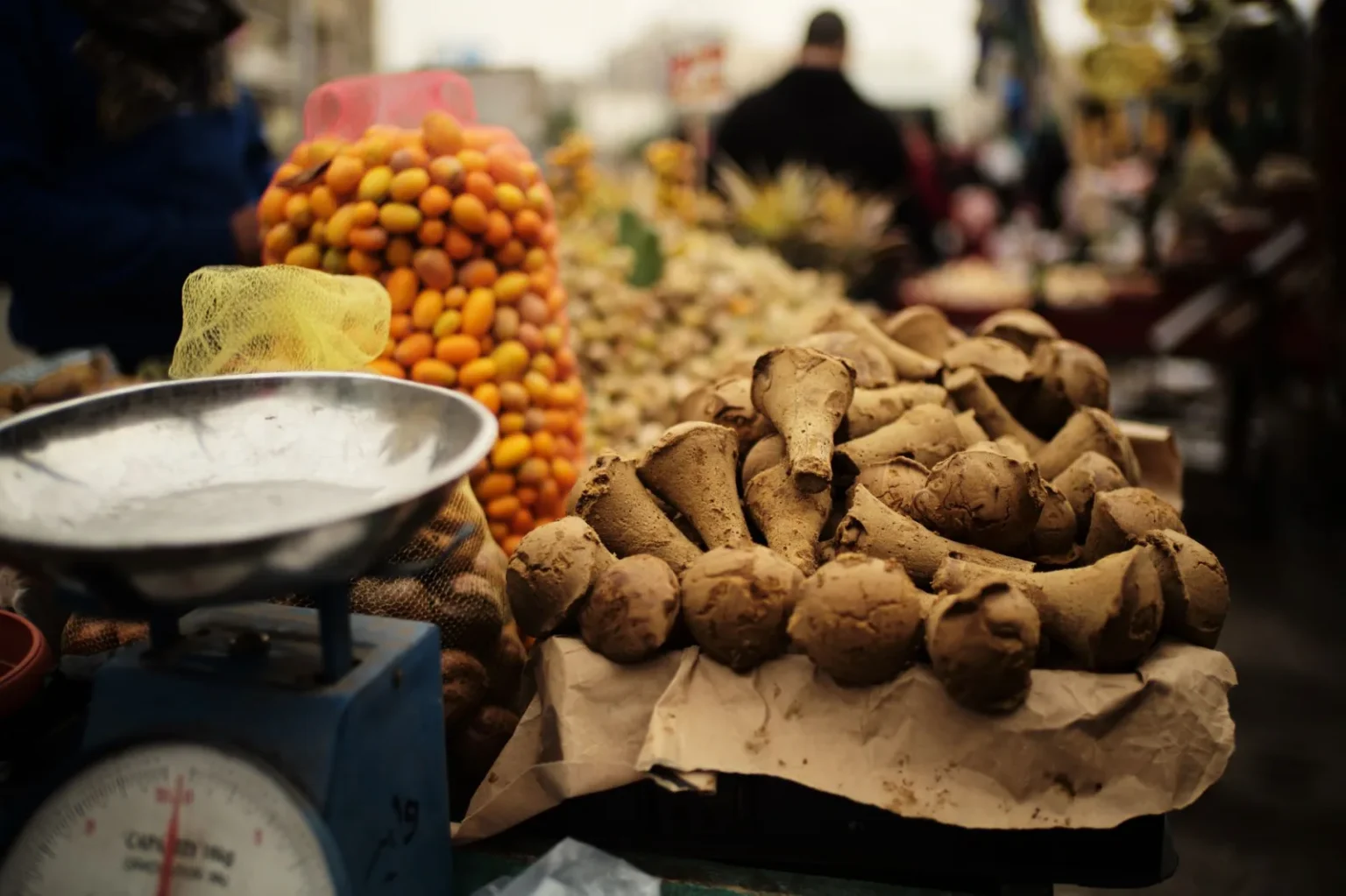
At the heart of Cairo’s culinary traditions lies a diverse array of ingredients. Staple items such as lentils, beans, and grains form the base of many local recipes. Common vegetables like onion, garlic, and tomatoes are essential for creating depth in flavors. Additionally, spices such as cumin, coriander, and cinnamon play a crucial role in elevating dishes.
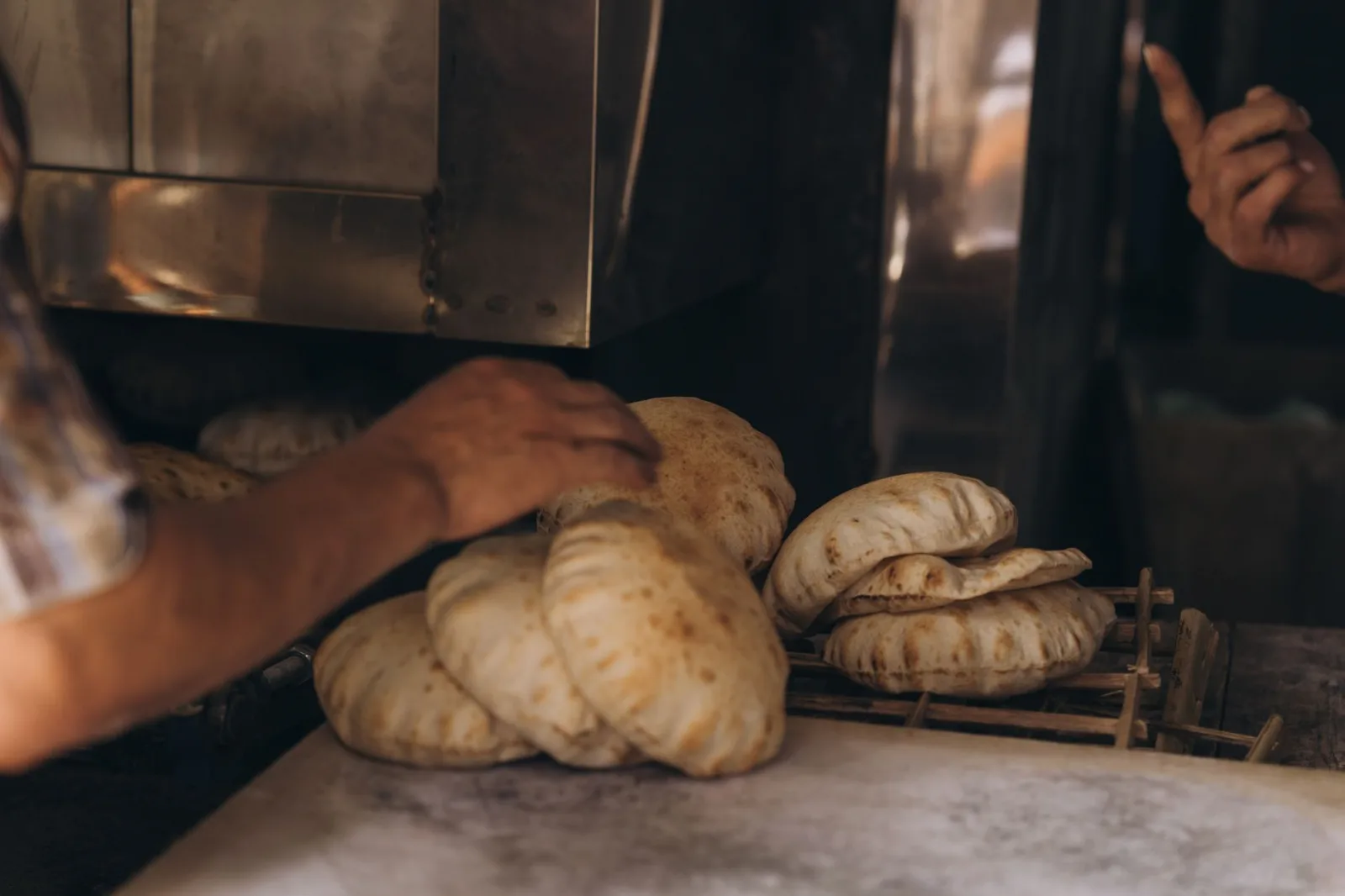
For example, the use of dukkah, a blend of nuts and spices, is a traditional condiment often served with bread. Its preparation signifies a communal aspect of dining, where families come together to enjoy simple yet flavorful food.
Traditional Cooking Techniques
Many of Cairo’s culinary traditions are rooted in time-honored cooking techniques. One such method is slow cooking, which allows flavors to develop and meld over time. This technique is often employed in preparing moloheya, a popular dish made from jute leaves. Preparing moloheya is not just about cooking; it’s an event that brings families together.
To make moloheya, you would begin by sautéing garlic in oil, adding chicken or beef stock, and then incorporating finely chopped jute leaves. The key is to maintain a gentle simmer, allowing the flavors to marry beautifully. This slow cooking not only enhances taste but also preserves the nutritional value of the ingredients.
Forgotten Recipes from Generations Past
Exploring forgotten recipes provides a glimpse into Cairo’s culinary past. One such dish is koushari, a hearty mix of rice, lentils, and pasta topped with a spicy tomato sauce. This dish originated as a street food but has deep roots in home cooking.
Another example is fatta, often served during celebrations. It consists of layers of rice, bread, and meat, drizzled with garlic vinegar sauce. Each family has its version, reflecting personal history and regional variations.

Stories Behind the Recipes
Every dish carries a story. For instance, mahshi, stuffed vegetables, is often made during family gatherings, symbolizing togetherness. Traditionally, the women of the family would gather, each bringing their unique touch to the filling. This communal cooking experience fosters bonds and preserves culinary knowledge.
Similarly, the story of basbousa, a sweet semolina cake, is tied to Egyptian hospitality. When guests arrive, this dessert is often served, showcasing the importance of sweetness in social interactions.
Modern Influences and Preservation Efforts
While modern influences have impacted Cairo’s culinary landscape, there are concerted efforts to preserve these traditional practices. Local chefs and home cooks are rediscovering forgotten recipes and showcasing them in pop-up restaurants and food festivals. This revival not only enhances appreciation for Egyptian cuisine but also encourages sustainability.
For example, community gardens in Cairo are being used to grow traditional herbs and vegetables, allowing chefs to source local ingredients. This initiative not only fosters a connection to the land but also helps educate the younger generation about their culinary heritage. You can learn more about these initiatives in our article on Exploring Cairo’s Community Gardens.

Connecting Culinary Traditions with Local Experiences
Cairo’s culinary traditions are deeply intertwined with its cultural practices and local experiences. Street food vendors, family-run restaurants, and home kitchens serve as the backbone of this culinary landscape. Participating in local experiences, such as food tours or cooking classes, offers a unique opportunity to engage with the stories behind the food.
Exploring the bustling night markets of Cairo, for instance, allows you to taste traditional dishes and interact with locals. Check out our guide on Exploring the Night Markets of Cairo for more insights on this vibrant aspect of local life.
Conclusion: Embracing the Past for the Future
Cairo’s forgotten culinary traditions offer a rich tapestry of flavors, stories, and communal experiences. By embracing these traditions, you not only savor unique dishes but also connect with the cultural heritage of Egypt. Remember, each recipe is a reflection of history and a bridge to the future.
As you explore Cairo, take the time to seek out local recipes and the stories behind them. Whether it’s through family gatherings or community events, understanding these culinary traditions can enhance your appreciation for Egyptian cuisine and the vibrant culture it represents.
In summary, Cairo’s culinary traditions deserve recognition and celebration. By engaging with local experiences, you can play a part in preserving this rich heritage for future generations.