




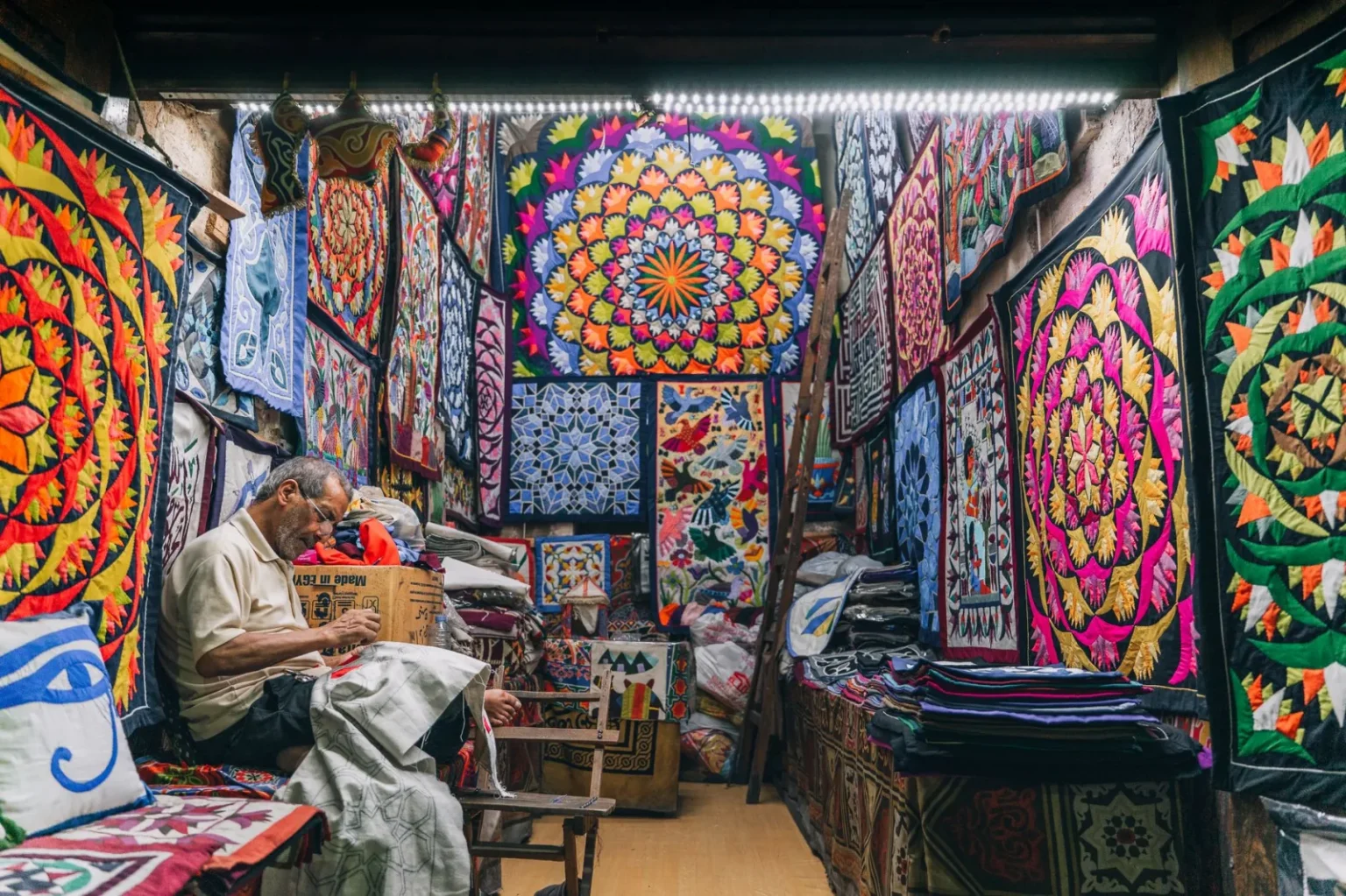

Understanding Cairo’s Artisan Landscape
Cairo is a city steeped in history, where each street corner may hold the secrets of skilled artisans. These craftsmen and women create everyday objects that are often overlooked, yet they embody the rich tapestry of local culture. Understanding this artisan landscape can provide you with deeper insights into the city’s identity. Let’s explore how these artisans contribute to Cairo’s vibrant culture.
- Understanding Cairo’s Artisan Landscape
- 1. The Craft of Traditional Pottery
- 2. Weaving Stories into Textiles
- 3. Woodworking: Crafting Functionality and Beauty
- 4. The Art of Metalwork
- 5. Ceramics: A Blend of Art and Utility
- 6. Engaging with Local Stories
- 7. Preserving the Artisan Heritage
- Conclusion: Key Takeaways
1. The Craft of Traditional Pottery
One of the most significant forms of hidden craftsmanship in Cairo is pottery. Local artisans have been shaping clay into functional and decorative items for centuries. You may encounter a potter in the Khan el-Khalili market, where the rhythmic sound of the wheel turns echoes the past.
For example, visit a workshop in Old Cairo, where artisans handcraft beautifully glazed bowls and vases. This craft is not just about creating objects; it’s about preserving a tradition that connects generations. Important note: when purchasing pottery, ensure you choose items that reflect authentic craftsmanship rather than mass-produced goods.
2. Weaving Stories into Textiles
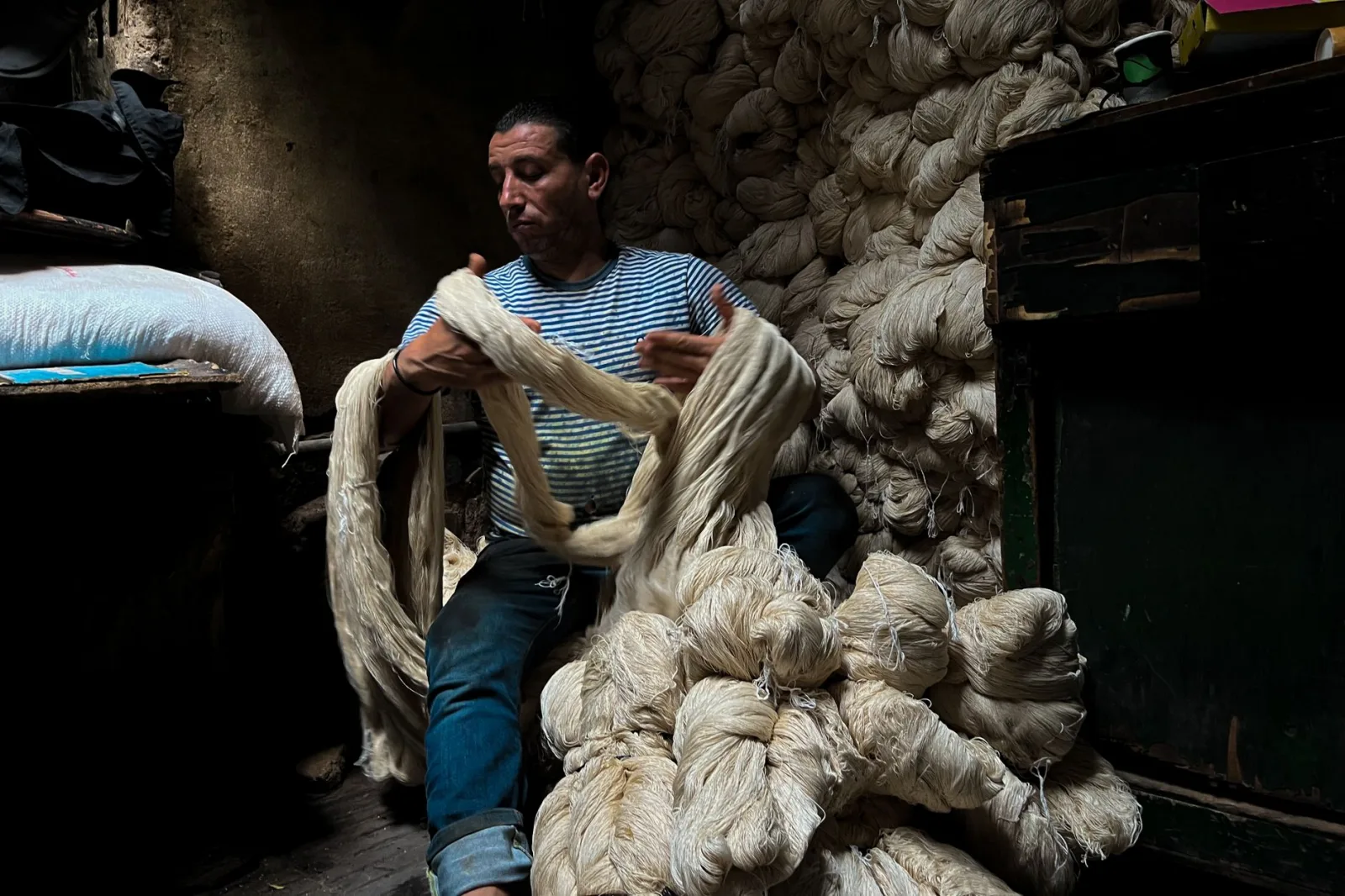
Cairo’s textile artisans weave not only fabric but also stories. The art of weaving in Cairo is a communal activity, often passed down through families. From intricate carpets to delicate scarves, each piece tells a narrative of the artisan’s life and the culture that surrounds them.
To truly appreciate this craft, consider visiting a textile workshop in the city. Here, you can witness how artisans use traditional looms to create stunning pieces. Pro tip: Ask about the symbolism in the patterns, as each design often has cultural significance. This engagement can provide you with a richer understanding of the local heritage.
3. Woodworking: Crafting Functionality and Beauty
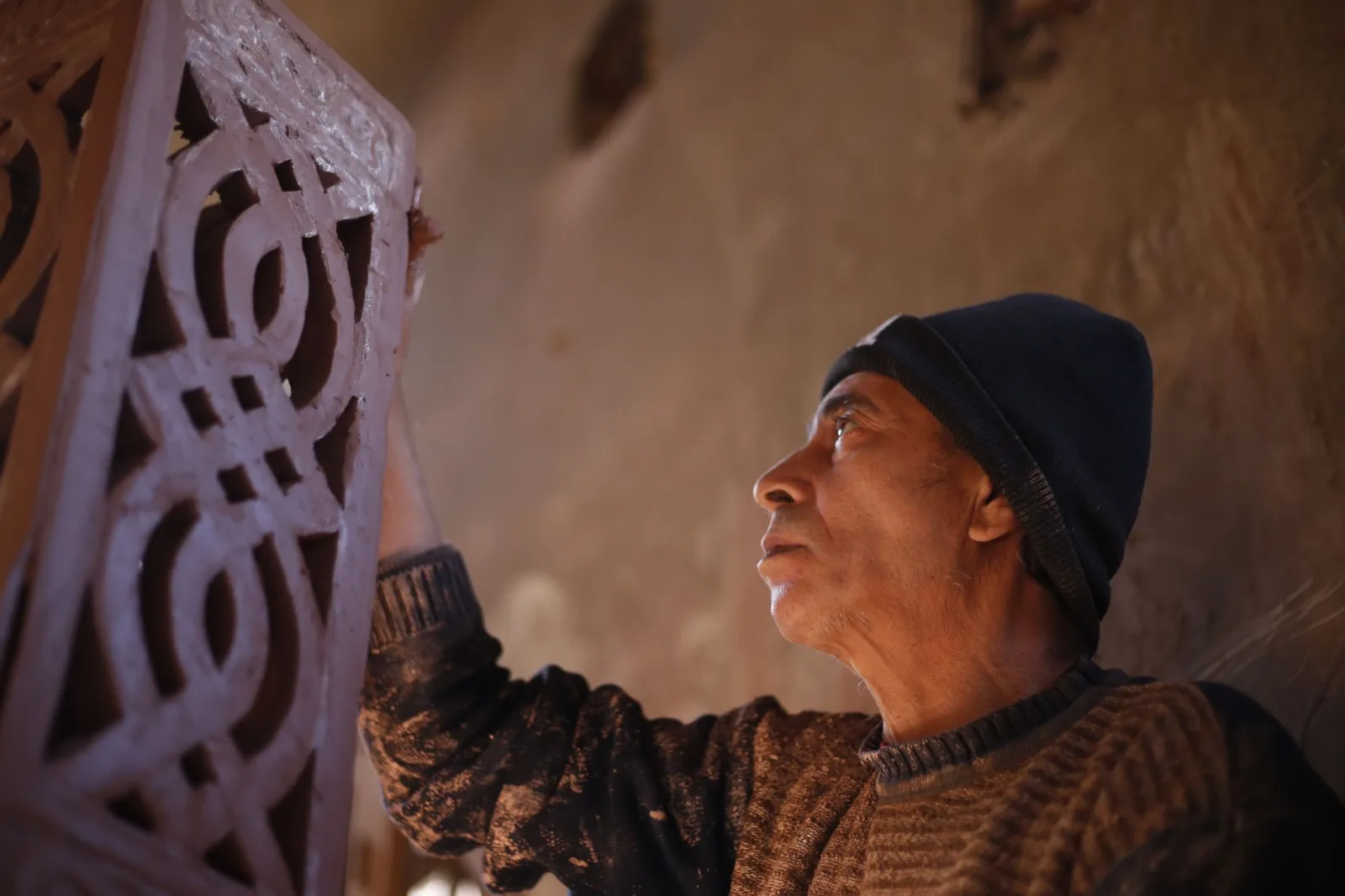
Woodworking in Cairo is another hidden gem among artisans. Craftsmen shape wood into furniture and decorative items, often using techniques that have been honed over generations. A visit to a woodworking shop can reveal the meticulous process involved in crafting intricately carved pieces.
For instance, you might see artisans creating mashrabiya, a traditional wooden latticework that serves both functional and aesthetic purposes. Warning: be cautious of purchasing items that lack authenticity. Seek out workshops that offer transparency about their craftsmanship.
4. The Art of Metalwork
Metalwork is a craft that has flourished in Cairo for centuries, producing everything from functional tools to exquisite jewelry. Artisans often work with brass, copper, and silver, using age-old techniques to create items that are both practical and beautiful.
A common mistake for visitors is to overlook the small metal workshops tucked away in alleys. These places often house talented artisans who can personalize items for you. For example, consider commissioning a piece that reflects your experience in Cairo, whether it’s a unique jewelry item or a decorative piece. This not only supports local artisans but also gives you a meaningful souvenir.
5. Ceramics: A Blend of Art and Utility
Cairo’s ceramic artisans transform clay into functional art. You may find beautifully decorated plates, tiles, and other items that reflect the city’s aesthetic. The use of vibrant colors and intricate designs often tells stories from Egyptian folklore and history.
To truly appreciate this craft, visit a ceramics workshop where artisans show you their techniques. Additionally, consider taking a hands-on workshop yourself, where you can create your own piece. This interactive experience deepens your connection to the craft and the artisans behind it.
6. Engaging with Local Stories
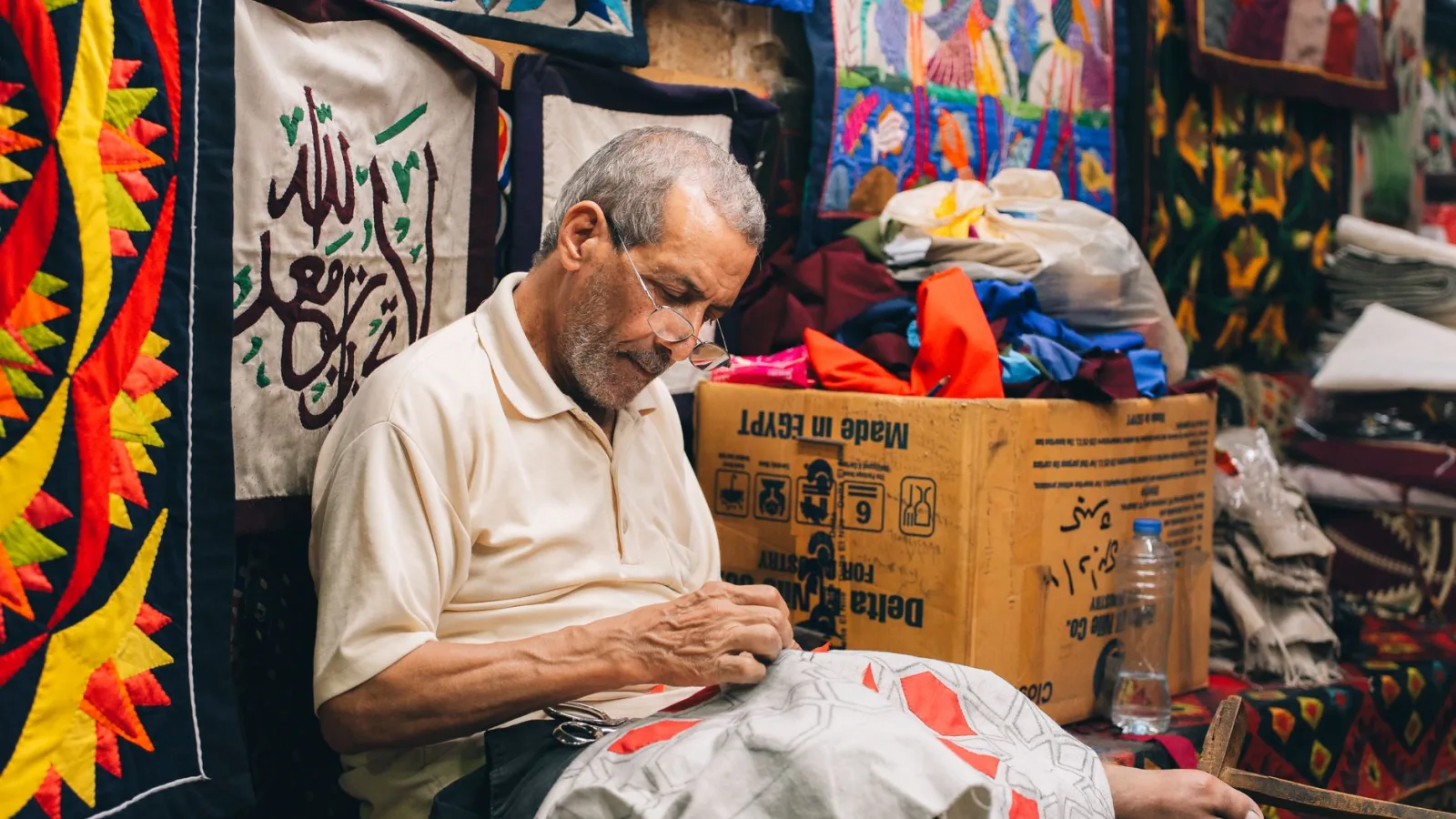
Each artisan in Cairo has a unique story that intertwines with the city’s history. Engaging with these stories can enrich your understanding of the cultural context behind the crafts. For instance, many artisans are involved in family businesses that have lasted for generations, often sharing their struggles and triumphs.
Common mistake: When visiting workshops, avoid treating artisans merely as vendors. Instead, take time to listen to their stories. This not only fosters a more meaningful exchange but also promotes a deeper appreciation for their craft.
7. Preserving the Artisan Heritage
The future of Cairo’s artisans is uncertain as modernity encroaches on traditional crafts. Many artisans face challenges such as competition from mass production and a lack of recognition. Supporting local craftspeople is crucial for preserving their heritage.
To make a difference, you can prioritize purchasing handmade items over factory-produced goods. Additionally, consider sharing your experiences and insights on social media to raise awareness about the importance of preserving these crafts.
Conclusion: Key Takeaways
Cairo’s artisans are the unsung heroes of the city’s cultural landscape. Their crafts—pottery, textiles, woodworking, metalwork, and ceramics—are not just products; they embody stories, traditions, and the spirit of the local community. By engaging with these artisans and understanding their crafts, you not only gain unique souvenirs but also contribute to the preservation of an essential aspect of Cairo’s identity.
Remember to take your time when visiting workshops and listen to the artisans’ stories. This will enhance your experience and help sustain the rich tapestry of Cairo’s hidden craftsmanship.