





Understanding Cairo’s Urban Gardens
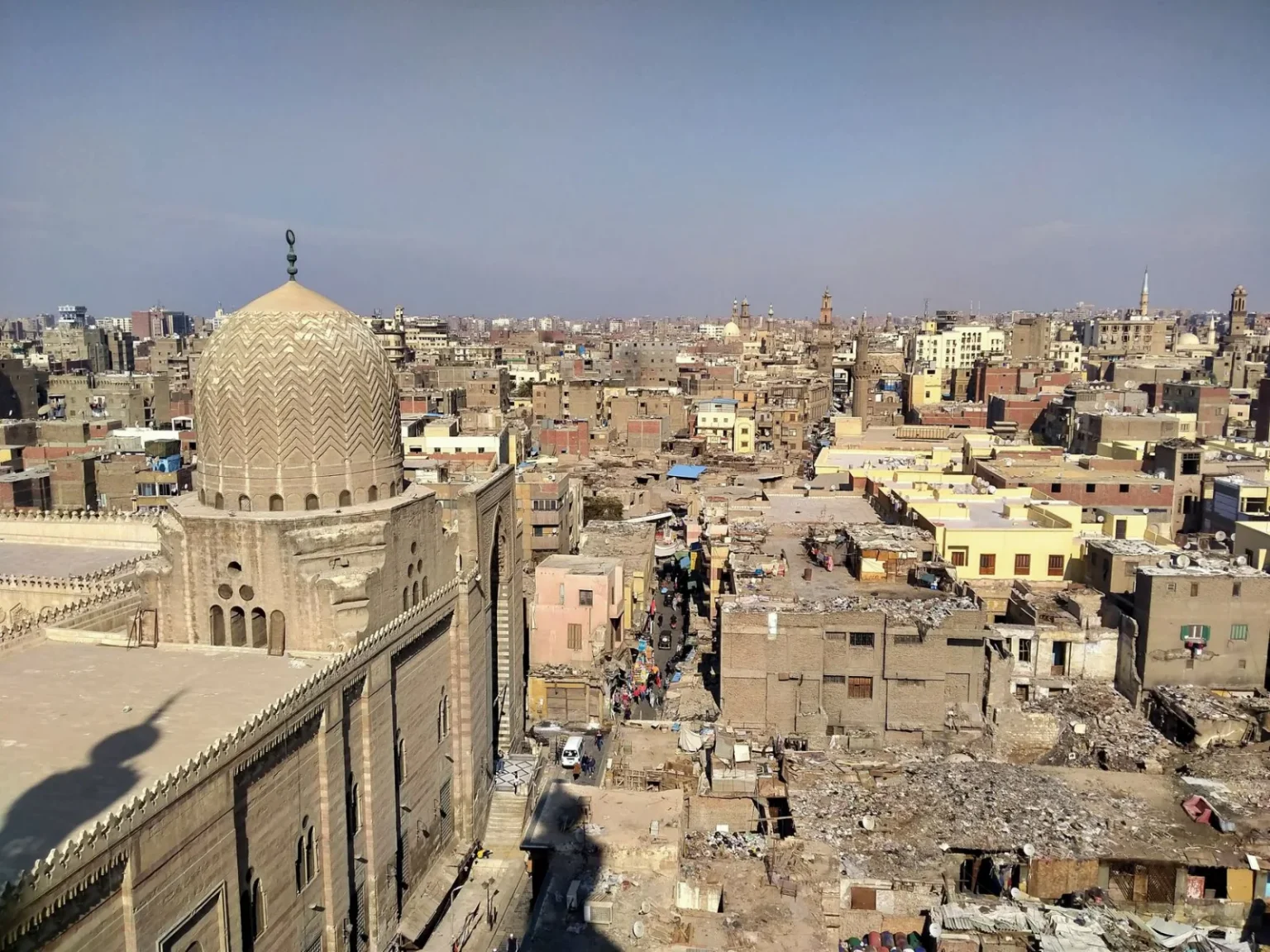
Cairo’s urban gardens play a crucial role in the city’s ecosystem, providing green spaces that improve the quality of life for residents. These gardens offer a sanctuary amidst the bustling city life, allowing you to connect with nature while enjoying the vibrant local flora. By exploring these urban gardens, you gain insights into how communities cultivate these spaces, fostering both environmental awareness and social bonds.
Types of Urban Gardens in Cairo
1. Community Gardens: These gardens are typically maintained by local residents who come together to plant, cultivate, and harvest various crops. They serve as a meeting point for the community, promoting collaboration and shared responsibility.
2. Rooftop Gardens: In a city where space is often limited, rooftop gardens have become increasingly popular. These gardens utilize underused rooftops to grow plants, thereby maximizing urban space while providing insulation and reducing energy costs.
3. Parks and Green Spaces: Cairo is home to several parks that incorporate gardens within their landscapes. These areas offer recreational facilities and serve as venues for cultural events, fostering community engagement.
Notable Urban Gardens to Visit
When exploring Cairo, consider visiting these notable gardens:
1. Al-Azhar Park: This expansive park features beautifully landscaped gardens, fountains, and breathtaking views of the city. It is an excellent example of transforming a neglected area into a vibrant green space.
2. Orman Garden: Known for its diverse collection of plants and trees, Orman Garden is a botanical garden that showcases local flora. It’s a peaceful spot for leisurely strolls and picnics.
3. Garden City Community Garden: This community-driven initiative invites locals to participate in gardening activities, educating them about sustainable practices while fostering a sense of belonging.
Local Flora: What to Expect
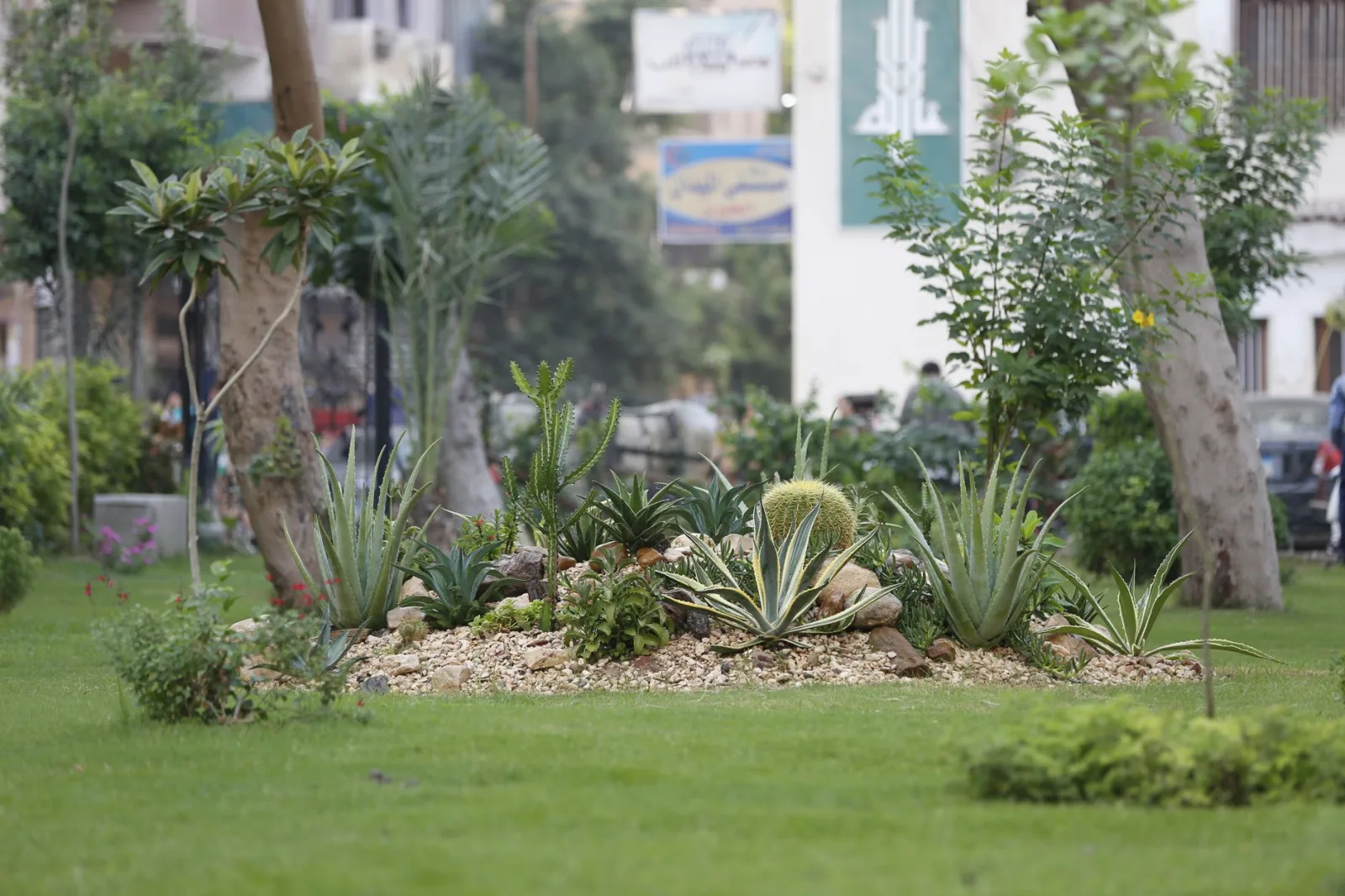
Cairo’s urban gardens are home to a variety of local flora, from flowering plants to herbs and vegetables. You may encounter:
– Jasmine: This fragrant flower is a staple in Egyptian gardens, often used in traditional perfumes and teas.
– Henna: Known for its dye, henna plants are frequently grown in community gardens and offer insights into local traditions.
– Egyptian Basil: A popular herb in many Egyptian dishes, this plant is often cultivated for both culinary and medicinal uses.

Benefits of Urban Gardening
Engaging with urban gardens in Cairo offers numerous benefits:
1. Environmental Impact: Urban gardens help combat air pollution, improve biodiversity, and promote sustainable practices. They contribute to cooling the urban heat island effect.
2. Social Connections: Community gardens facilitate social interactions and strengthen neighborhood ties. They create networks of support among participants.
3. Food Security: With urban gardening, communities can grow their own food, reducing reliance on market purchases and ensuring access to fresh produce.
How to Get Involved with Community Gardens
If you’re interested in participating in Cairo’s urban gardening scene, follow these steps:
1. Research Local Initiatives: Look for community gardens in your area. Many are organized through local NGOs or community groups.
2. Attend Workshops: Participate in gardening workshops to learn about local flora and sustainable practices. This is a great way to meet like-minded individuals.
3. Volunteer: Many gardens welcome volunteers. This can include tasks like planting, weeding, or organizing events.
Challenges Facing Urban Gardens in Cairo
Despite their benefits, urban gardens in Cairo face several challenges:
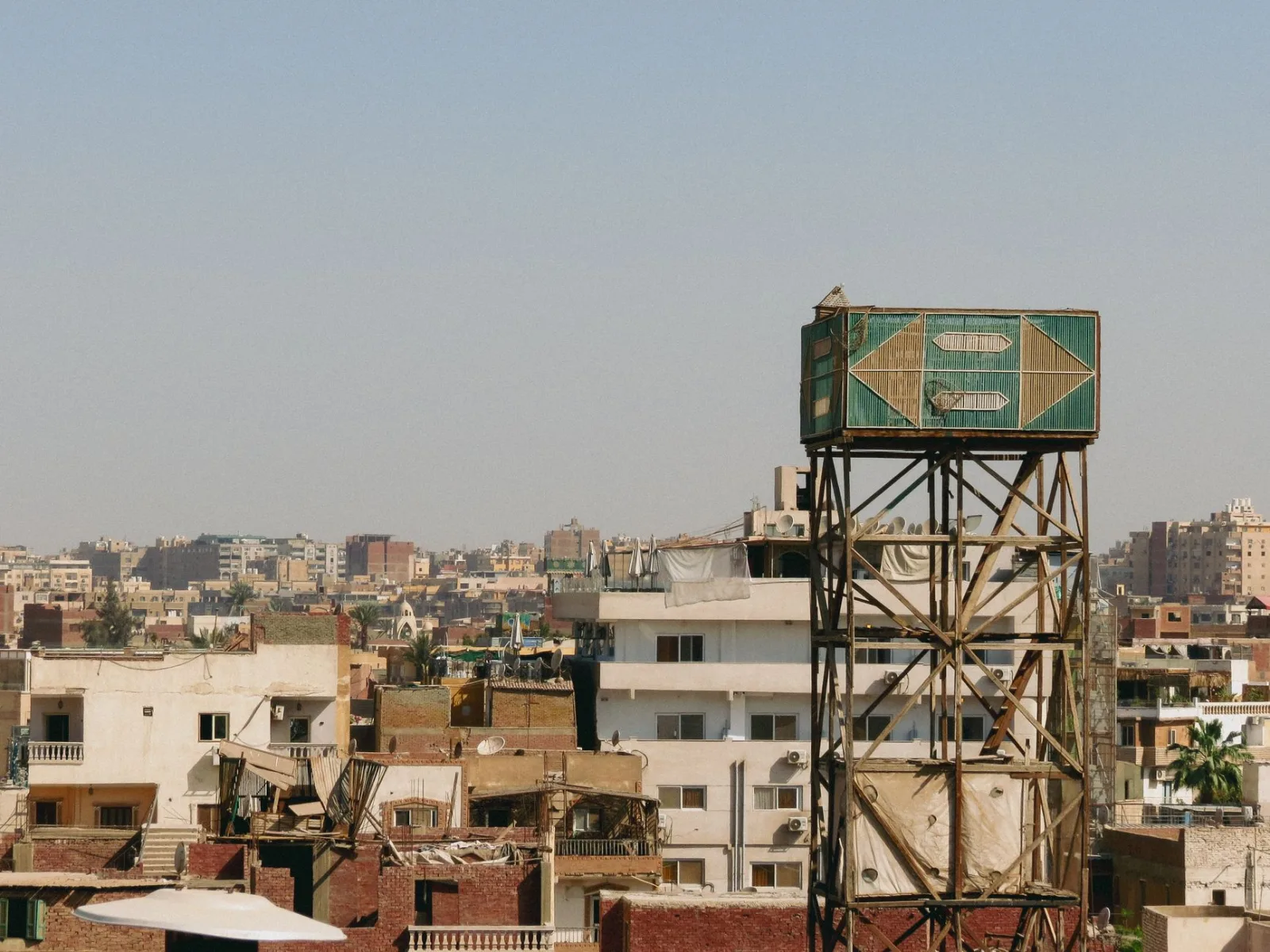
– Space Limitations: The rapid urbanization of Cairo often leaves little room for green spaces. Creative solutions like vertical gardens and rooftop gardens can help overcome this.
– Water Scarcity: Water management is critical in urban gardening. Strategies like rainwater harvesting and drip irrigation can mitigate this issue.
– Community Engagement: Maintaining interest in community gardens can be challenging. Organizing events and educational programs can help sustain involvement.
Key Takeaways
Cairo’s urban gardens are vital to enhancing the city’s green spaces and promoting local flora. They provide not only environmental benefits but also foster community connections. By getting involved, you can contribute to sustainable practices while enjoying the beauty of nature in an urban setting. Remember to research local initiatives, engage with your community, and enjoy the process of gardening!