





Understanding Cairo’s Spiritual Tapestry
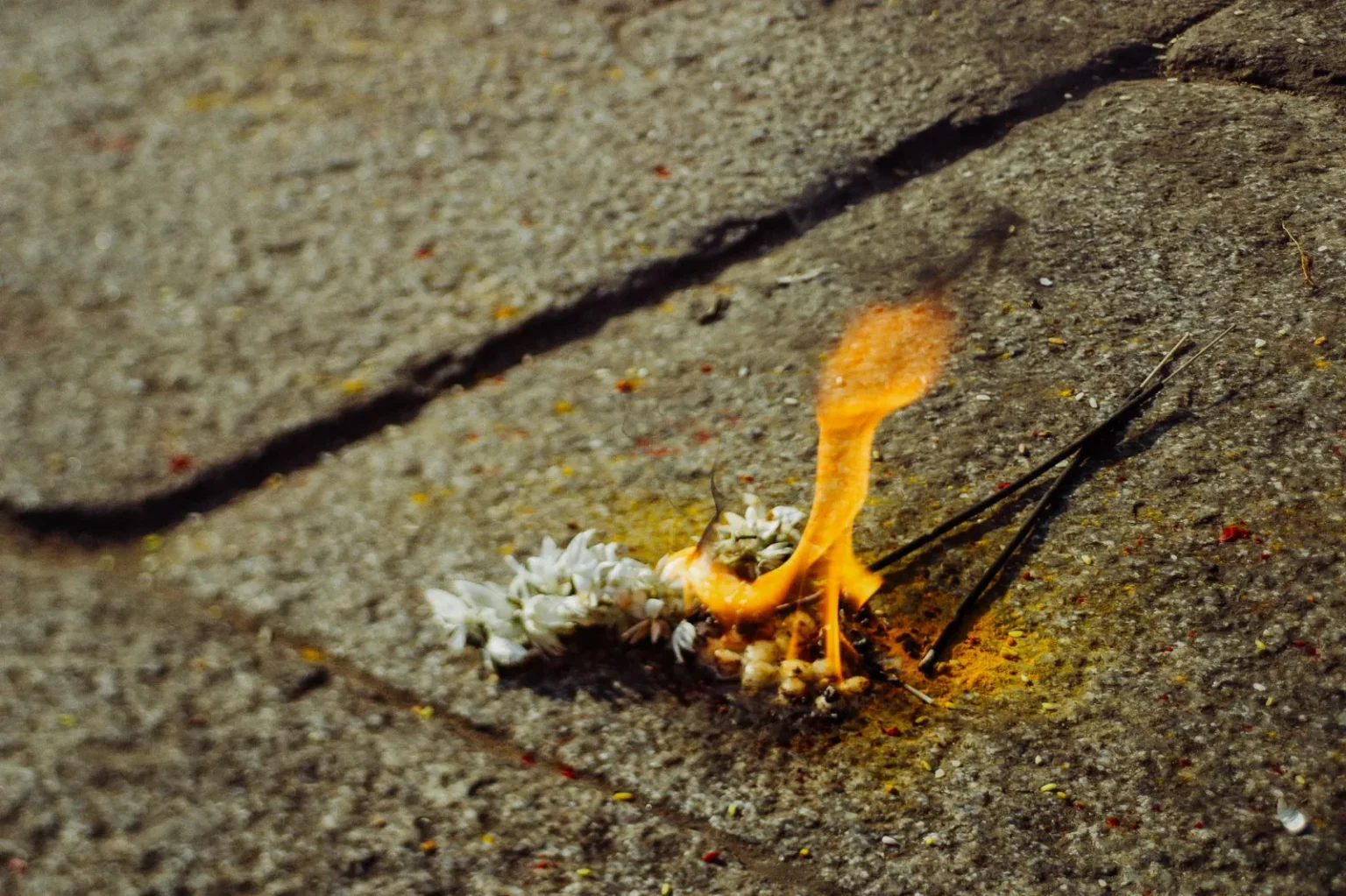
Cairo, a city that pulses with life, is not just known for its historical sites or bustling markets. Beneath the surface lies a rich tapestry of Cairo rituals that reflect the spiritual beliefs and cultural traditions of its inhabitants. These rituals often offer insights into the community’s values and daily lives, allowing you to experience the city like a local.
- Understanding Cairo’s Spiritual Tapestry
- 1. The Role of Spirituality in Everyday Life
- 2. Local Spiritual Practices You Can Experience
- 3. Festivals and Celebrations: A Window into Local Life
- 4. The Significance of Rituals in Healing and Community Support
- 5. How to Engage with Local Communities
- 6. Navigating the Spiritual Landscape: Tips for Travelers
- 7. The Intersection of Tradition and Modernity
- Conclusion: Embracing the Soul of Cairo
1. The Role of Spirituality in Everyday Life
Spirituality in Cairo extends beyond religious observances; it is woven into the fabric of daily life. Most locals engage in practices that may seem mundane but are deeply spiritual. For example, many families start their day with a moment of prayer or meditation, setting a tone of gratitude and mindfulness. This practice is not about strict religious adherence but about fostering a sense of connectedness to their heritage and community.
2. Local Spiritual Practices You Can Experience
When visiting Cairo, you have the opportunity to witness various local spiritual practices that are integral to the community. Here are some notable ones:
- Sufi Whirling Dervishes: This mesmerizing form of meditation involves spinning in circles, symbolizing the soul’s ascent toward the divine. You can attend a performance at the Whirling Dervishes Hall in Cairo, where you’ll feel the energy and devotion of the participants.
- Ramadan Fasting and Iftar: During the holy month of Ramadan, locals fast from dawn until sunset. The moment of breaking the fast, known as Iftar, is a communal event filled with joy and gratitude. If you’re in Cairo during this time, consider joining a local family for Iftar to experience the warmth of community.
- Traditional Mourning Rituals: Death is treated with profound respect in Cairo. Mourning rituals often involve gathering in the deceased’s home for condolences and shared prayers. Understanding these practices can provide a deeper connection to the local culture.
3. Festivals and Celebrations: A Window into Local Life
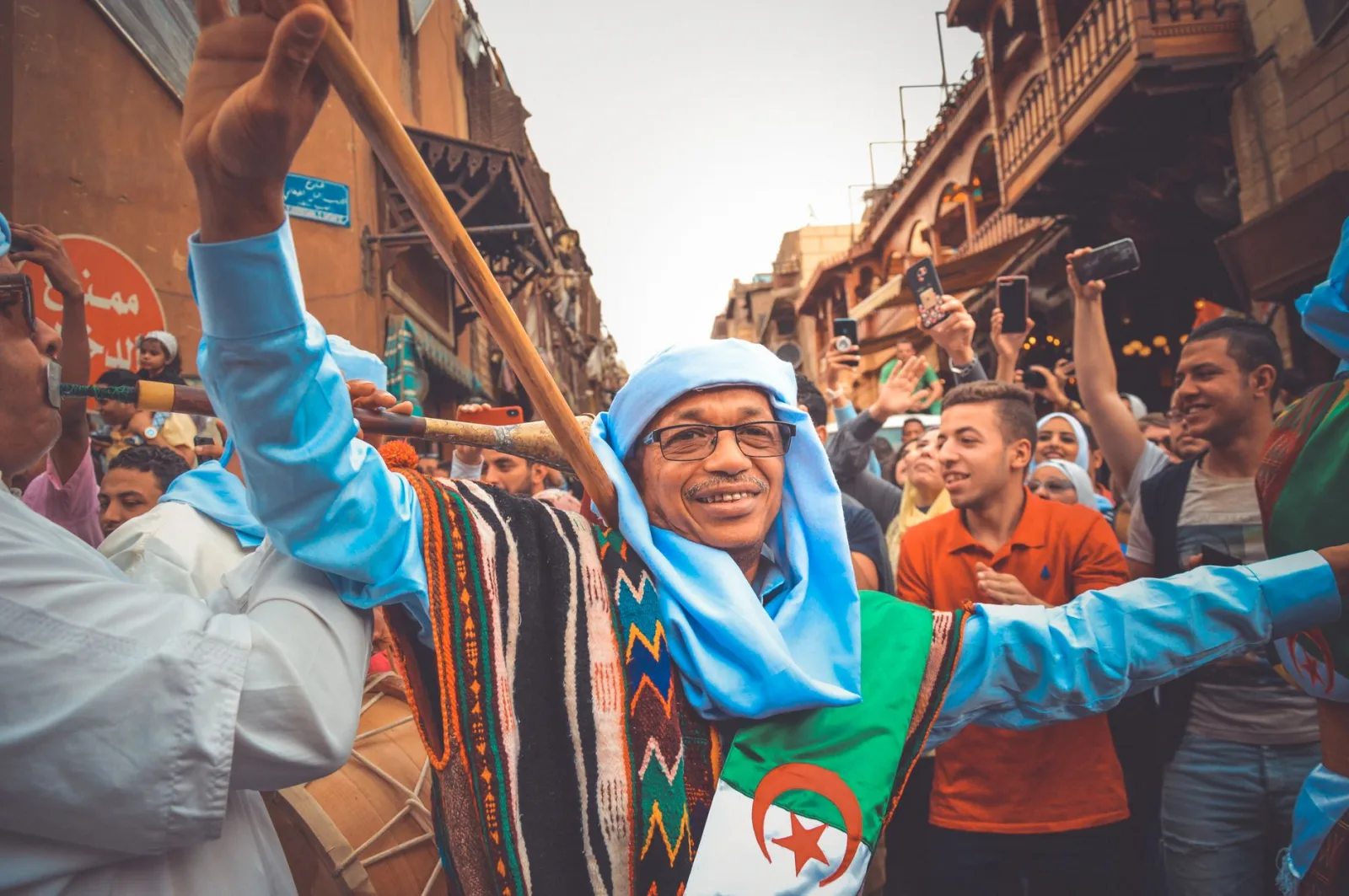
Cairo’s festivals often reflect a blend of religious and cultural traditions, making them rich in spiritual significance. Festivals such as Eid al-Fitr and Eid al-Adha not only mark religious observances but also emphasize community bonding. During these times, you’ll find streets filled with families celebrating together, sharing meals, and engaging in charitable acts. These moments offer a glimpse into the values that shape local life.
4. The Significance of Rituals in Healing and Community Support
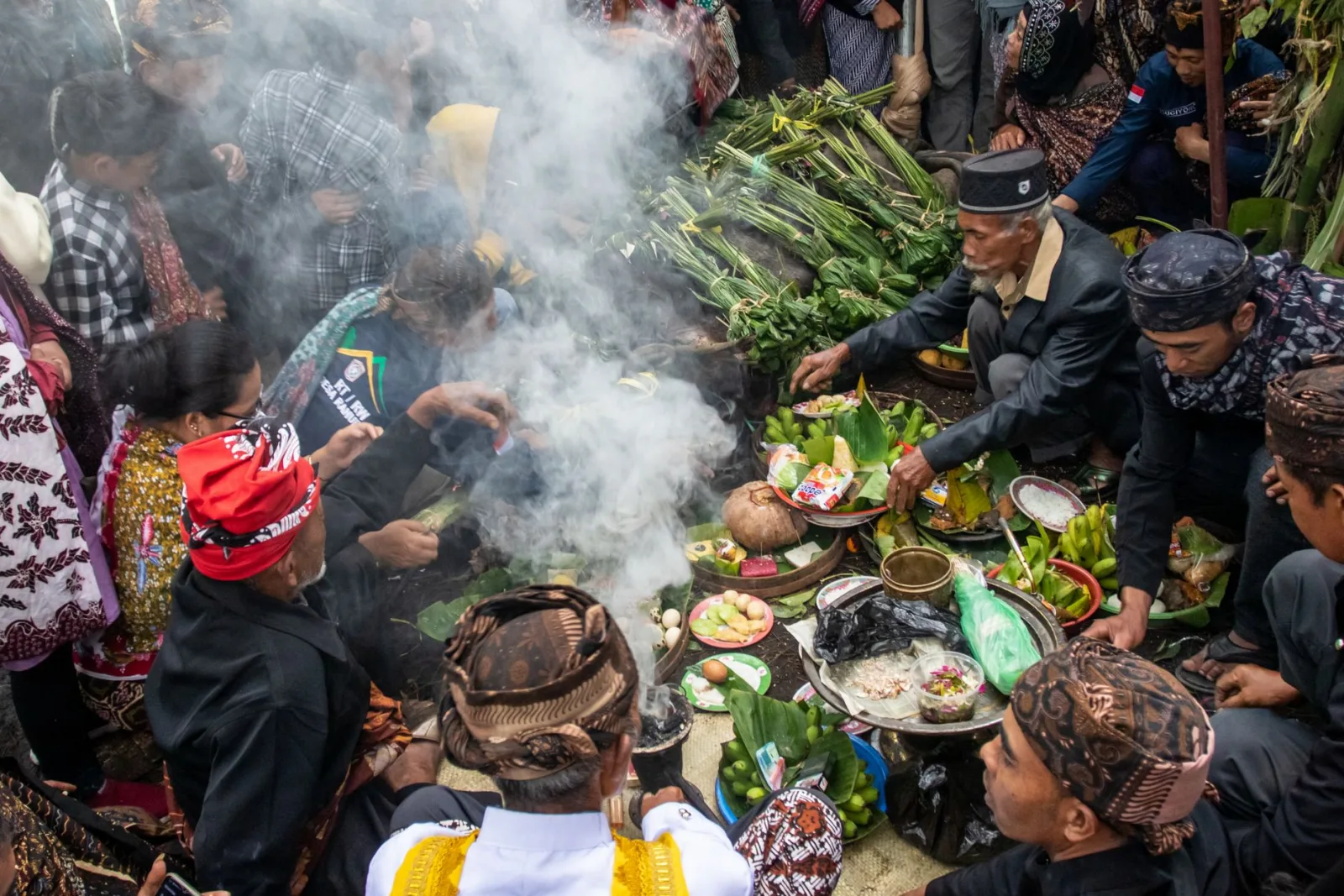
Rituals in Cairo often serve as mechanisms for healing and community support. For instance, you may encounter local healing practices that incorporate herbal remedies and spiritual guidance. Important note: While some practices are rooted in tradition, it’s essential to approach them with an open mind and a critical perspective. Participating respectfully can yield profound insights into the community’s worldview.
5. How to Engage with Local Communities
To genuinely connect with Cairo’s spiritual practices, consider these steps:
- Research local customs before your visit. Understanding the context can enhance your experience.
- Participate in community events or volunteer opportunities. This involvement fosters connections.
- Be respectful and observant. When attending rituals or ceremonies, approach with humility and an open heart.
- Ask locals about their practices. Most people are eager to share their traditions and stories.
6. Navigating the Spiritual Landscape: Tips for Travelers
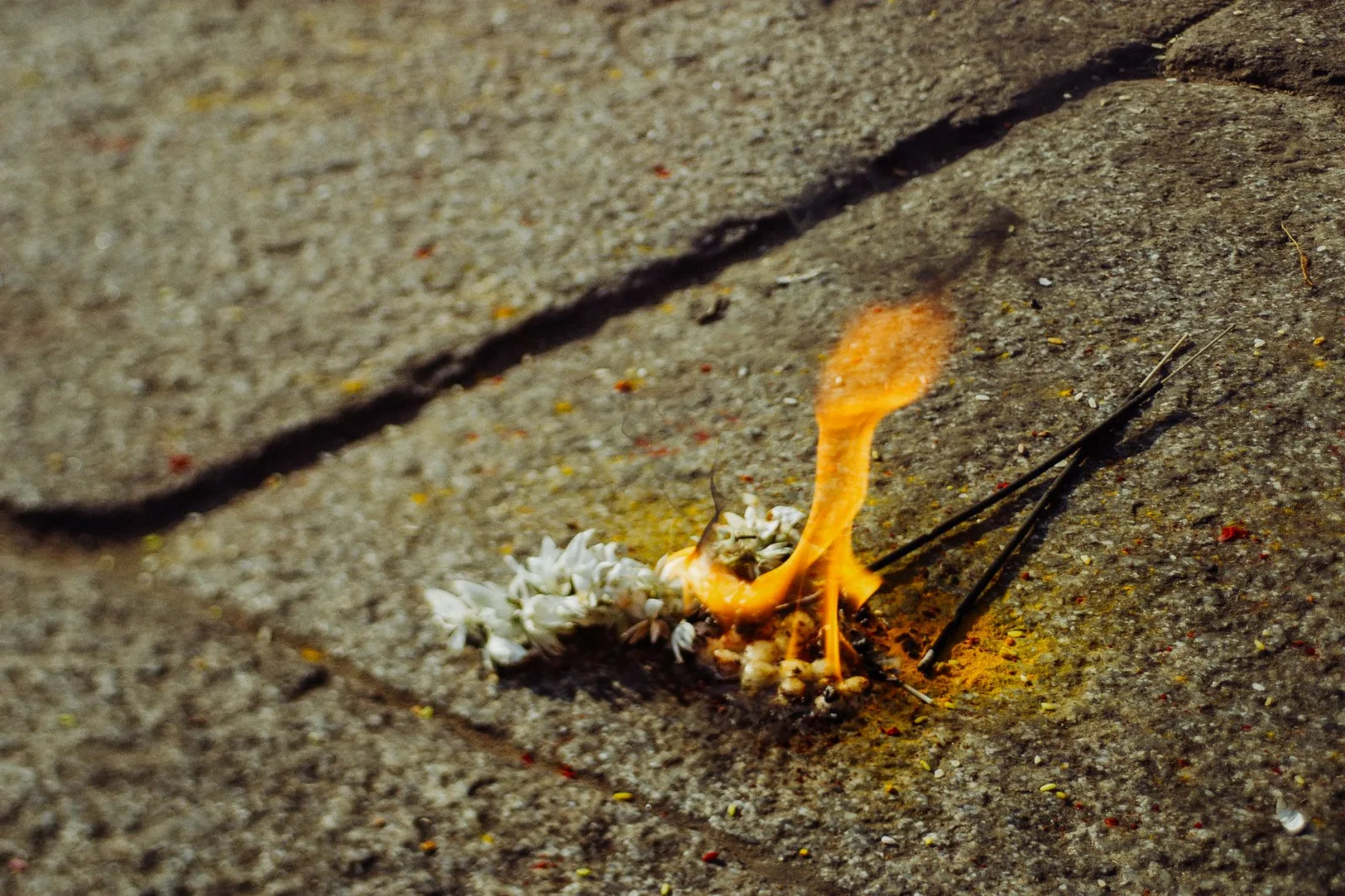
Traveling through Cairo’s spiritual landscape can be enriching, but it requires sensitivity and respect. Here are some practical tips:
- Dress Appropriately: When visiting religious sites or participating in rituals, wearing modest clothing is essential. This shows respect for local customs.
- Learn Basic Arabic Phrases: Knowing a few phrases can go a long way in building rapport with locals. Simple greetings can warm hearts and open doors.
- Avoid Disruptive Behavior: Be mindful of your surroundings. Loud conversations or disruptive actions can be seen as disrespectful during spiritual observances.
7. The Intersection of Tradition and Modernity
As Cairo evolves, its spiritual practices have also begun to intertwine with modern influences. Younger generations may blend traditional rituals with contemporary lifestyles, creating a unique fusion of old and new. For example, social media is now a platform for sharing spiritual practices, allowing for greater connectivity and understanding among diverse communities. This evolution underscores the dynamic nature of local spiritual practices.
Conclusion: Embracing the Soul of Cairo
Cairo’s hidden rituals and spiritual practices are not just remnants of the past; they are living traditions that shape the identity of its people. By immersing yourself in these experiences, you gain a deeper understanding of the city and its communities. Remember, the essence of these rituals lies in connection—both with oneself and with others. So, as you explore, take the time to listen, engage, and appreciate the spiritual heartbeat of Cairo. For further exploration, check out The Hidden Rituals of Cairo to learn more about local ceremonies and celebrations. In doing so, you will enrich your journey through this vibrant city.