





Understanding Cairo’s Urban Legends
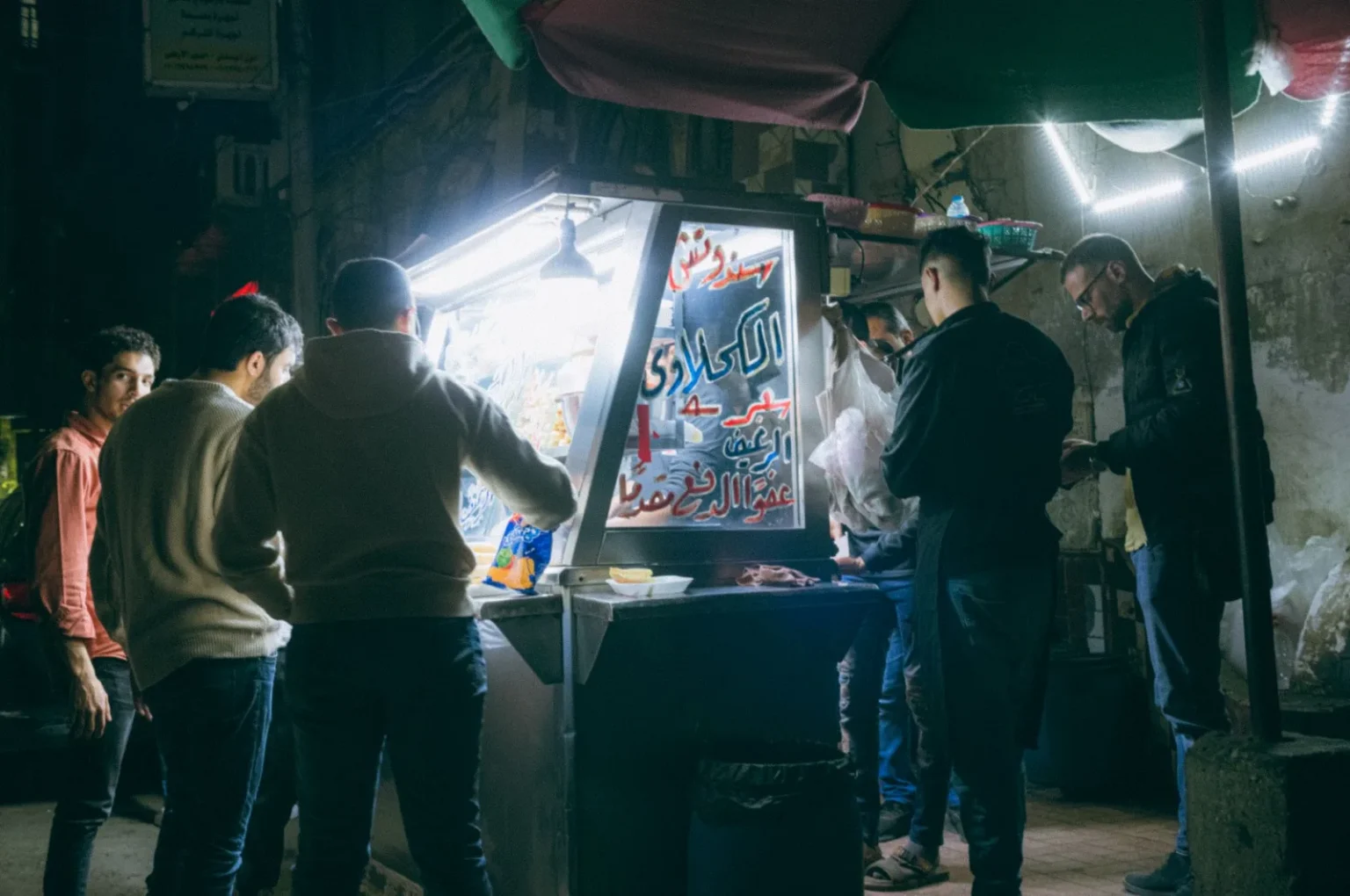
Cairo, a bustling metropolis steeped in history, is rich with urban legends that reflect the city’s unique cultural fabric. These tales, often passed down through generations, intertwine with local folklore and Egyptian myths, shaping the identity of its residents. To grasp their significance, let’s dive into what constitutes an urban legend, and how these narratives function within the community.
- Understanding Cairo’s Urban Legends
- The Essence of Urban Legends
- Local Folklore and Its Role in Identity
- Popular Cairo Urban Legends
- The Impact of Urban Legends on Local Culture
- Exploring Urban Legends Through Community Engagement
- Modern Interpretations of Urban Legends
- Preserving Cairo’s Urban Legends
- Conclusion: Key Takeaways
The Essence of Urban Legends
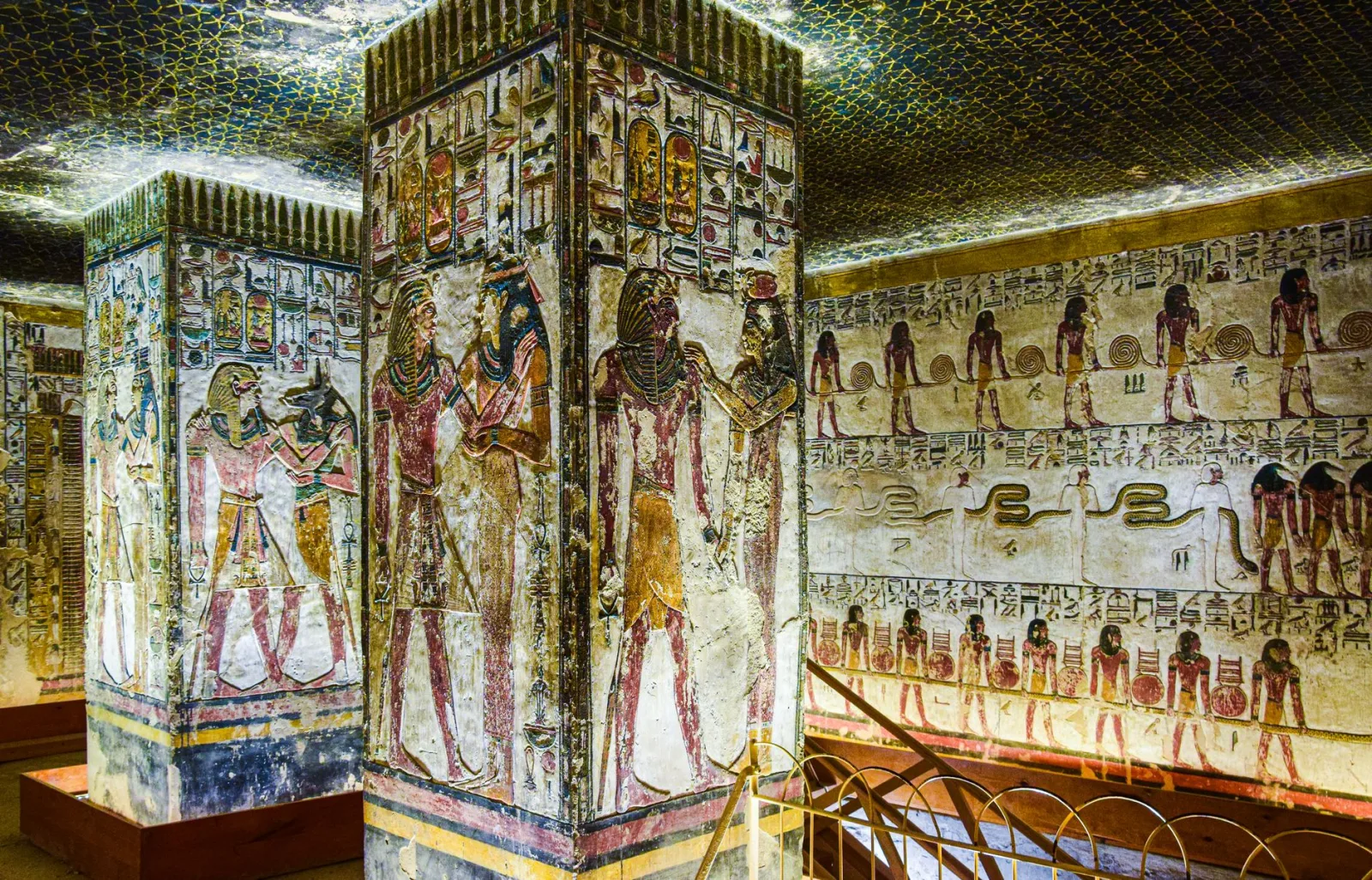
Urban legends are stories that circulate within a community, often featuring bizarre or supernatural elements. They are typically rooted in local culture and serve various purposes, such as teaching morals, reinforcing community ties, or simply entertaining. In Cairo, these legends often engage with themes of mystery, morality, and the supernatural. For instance, the tale of the ‘Cursed Mummy’ serves as a cautionary story about the consequences of disturbing ancient relics.
Local Folklore and Its Role in Identity
Local folklore encompasses the traditional beliefs, customs, and stories of a community. In Cairo, folklore intersects seamlessly with urban legends, creating a rich tapestry of narratives that reflect the city’s historical and cultural nuances. These stories might recount the adventures of legendary figures like Abu Zayd al-Hilali, a popular hero in Egyptian folklore, or explore the tales of local saints and their miraculous deeds. Understanding these legends is vital to appreciating the collective identity of Cairo’s inhabitants.
Popular Cairo Urban Legends
1. **The Ghost of the Egyptian Museum**: Many locals claim that the Egyptian Museum is haunted by the spirits of mummies disturbed during the museum’s construction. Visitors have reported strange noises and sightings of shadowy figures. This legend not only adds an air of mystery to a major tourist destination but also emphasizes the cultural reverence for ancient Egyptian history.
2. **The Tale of the Golden Mask**: According to legend, a golden mask belonging to a pharaoh was once hidden in Cairo and said to bring fortune to anyone who finds it. This story often sparks treasure hunts among locals and tourists alike, highlighting the city’s continuous fascination with its ancient past.
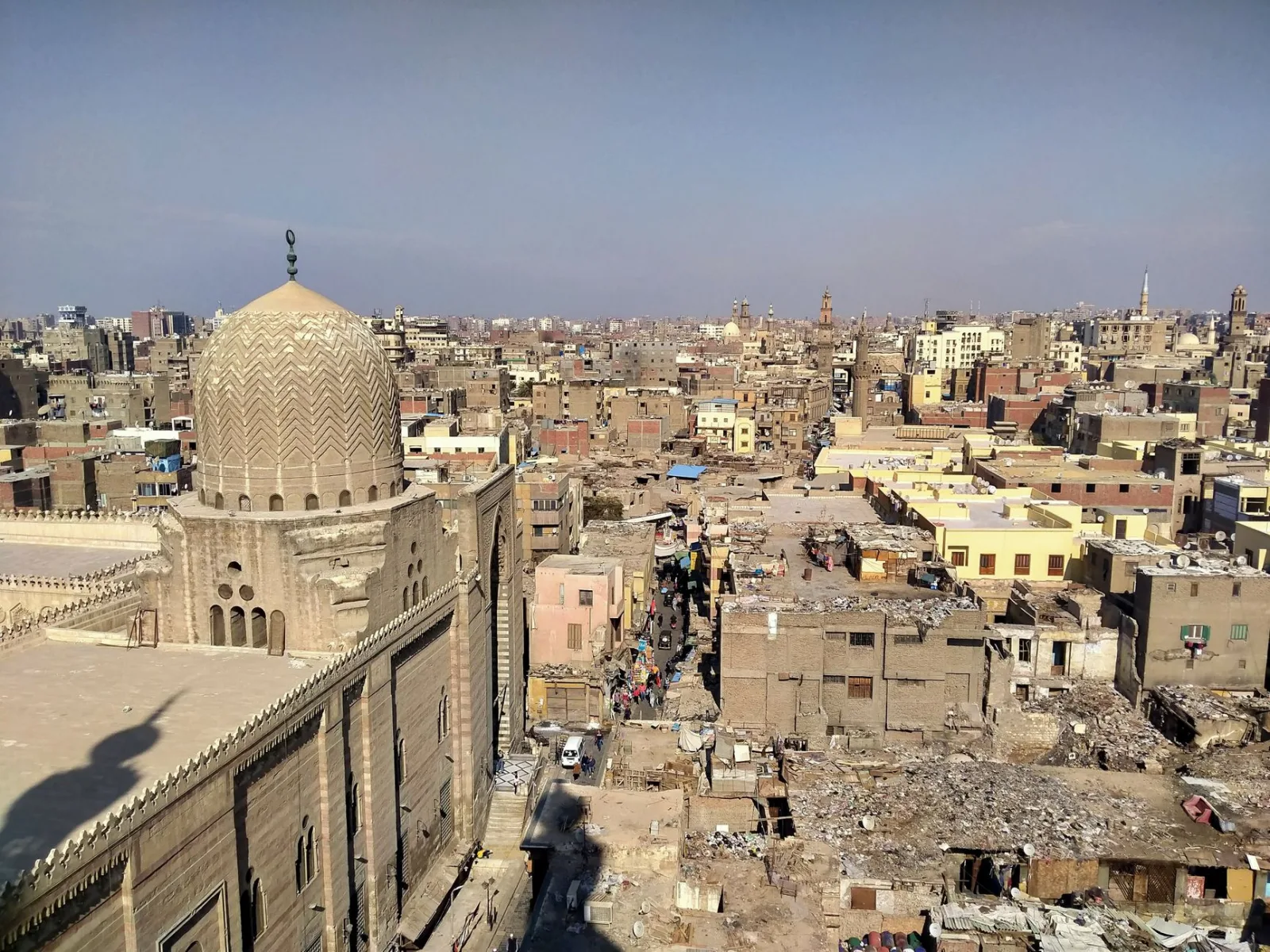
3. **The Whispering Walls of Cairo**: Some believe that certain walls in the old neighborhoods of Cairo can whisper secrets of the past to those who listen closely. This tale encourages exploration of the city’s historic districts, enhancing one’s connection to the rich tapestry of local life.
The Impact of Urban Legends on Local Culture
Urban legends in Cairo serve several important functions. They foster a sense of belonging among locals, as sharing these tales helps create a communal identity. Additionally, they often reflect societal values and concerns. For example, stories that highlight the struggles against oppression resonate deeply with the historical context of Egypt. Thus, when you hear a local recount an urban legend, you are witnessing the fusion of history, culture, and collective memory.
Exploring Urban Legends Through Community Engagement
To truly appreciate Cairo’s urban legends, consider engaging with the local community. Here are some practical steps to explore these narratives:
- Attend Local Storytelling Events: Many neighborhoods host storytelling evenings where locals share urban legends and folklore. Participating in these events allows you to hear firsthand accounts and engage with the community.
- Visit Cultural Centers: Explore places like the Cairo Opera House or the Al-Azhar Park, where cultural events often feature folklore performances. These venues can provide deeper insights into urban legends and their significance.
- Connect with Local Guides: Hiring a knowledgeable guide can enhance your understanding of Cairo’s urban legends. They can share stories and explain the cultural context behind them, enriching your experience.
Modern Interpretations of Urban Legends
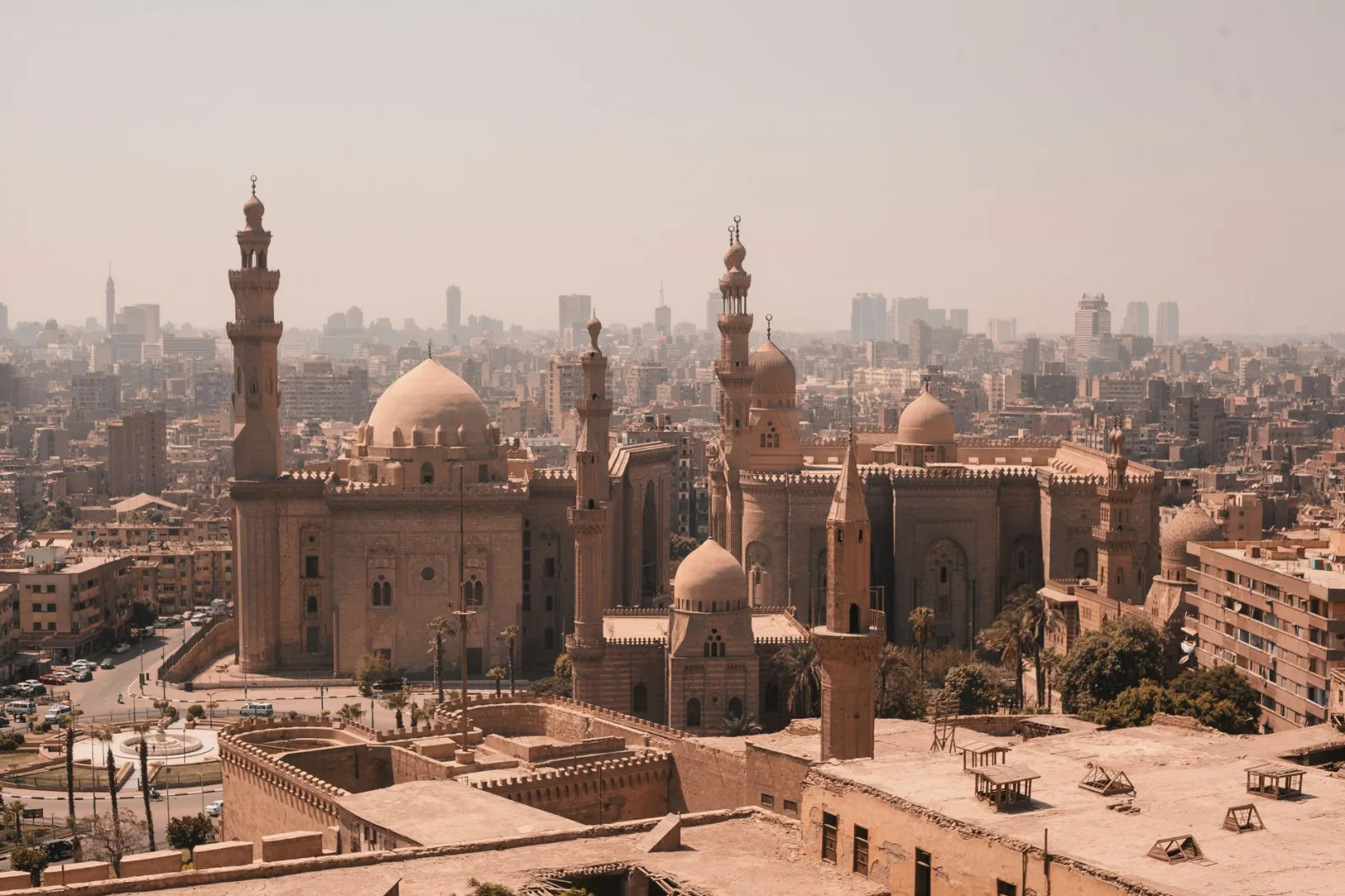
As society evolves, so do its legends. In contemporary Cairo, urban legends may incorporate modern elements, reflecting current societal issues. For example, stories about tech-savvy ghosts haunting social media platforms are gaining popularity among younger generations. This evolution of urban legends showcases the adaptability of folklore and its relevance in addressing modern concerns.
Preserving Cairo’s Urban Legends
Preservation of these legends is critical for maintaining the cultural heritage of Cairo. Local initiatives often focus on documenting oral histories and folklore. Engaging in volunteer opportunities can also aid in this preservation effort. You might consider participating in projects that aim to collect and share local stories, helping to ensure that these narratives continue to thrive.
Conclusion: Key Takeaways
Cairo’s urban legends are more than mere stories; they represent the city’s identity, values, and historical context. Engaging with these narratives provides insight into the collective psyche of its residents. By exploring community events, cultural centers, and connecting with locals, you can appreciate the depth of these legends. Remember, urban legends are a living part of Cairo’s culture, continuously evolving while maintaining their essence. As you navigate the streets of this vibrant city, keep your ears open for whispers of the past—they may just lead you to a deeper understanding of Cairo itself.