





The Significance of Agricultural Terraces
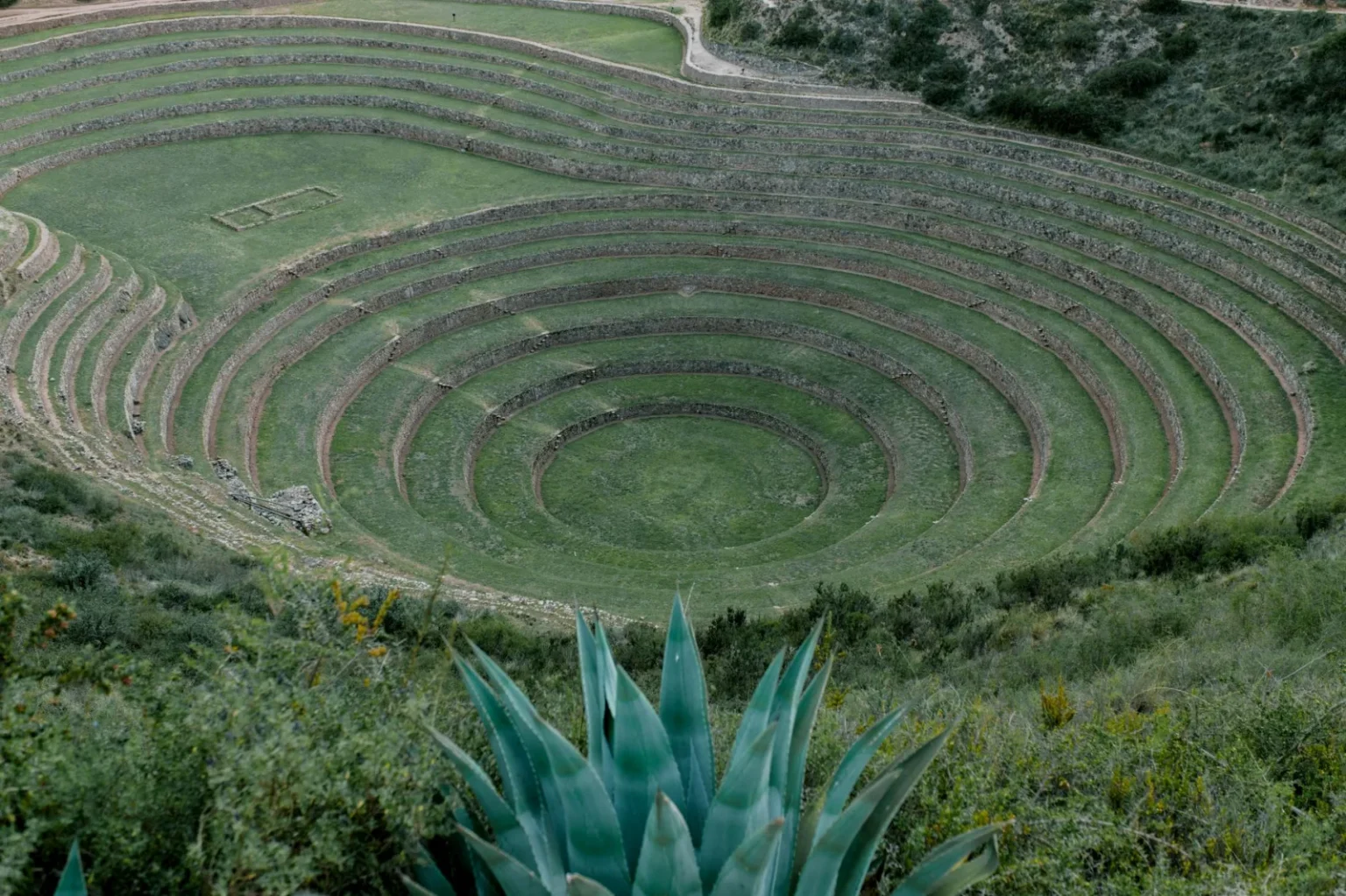
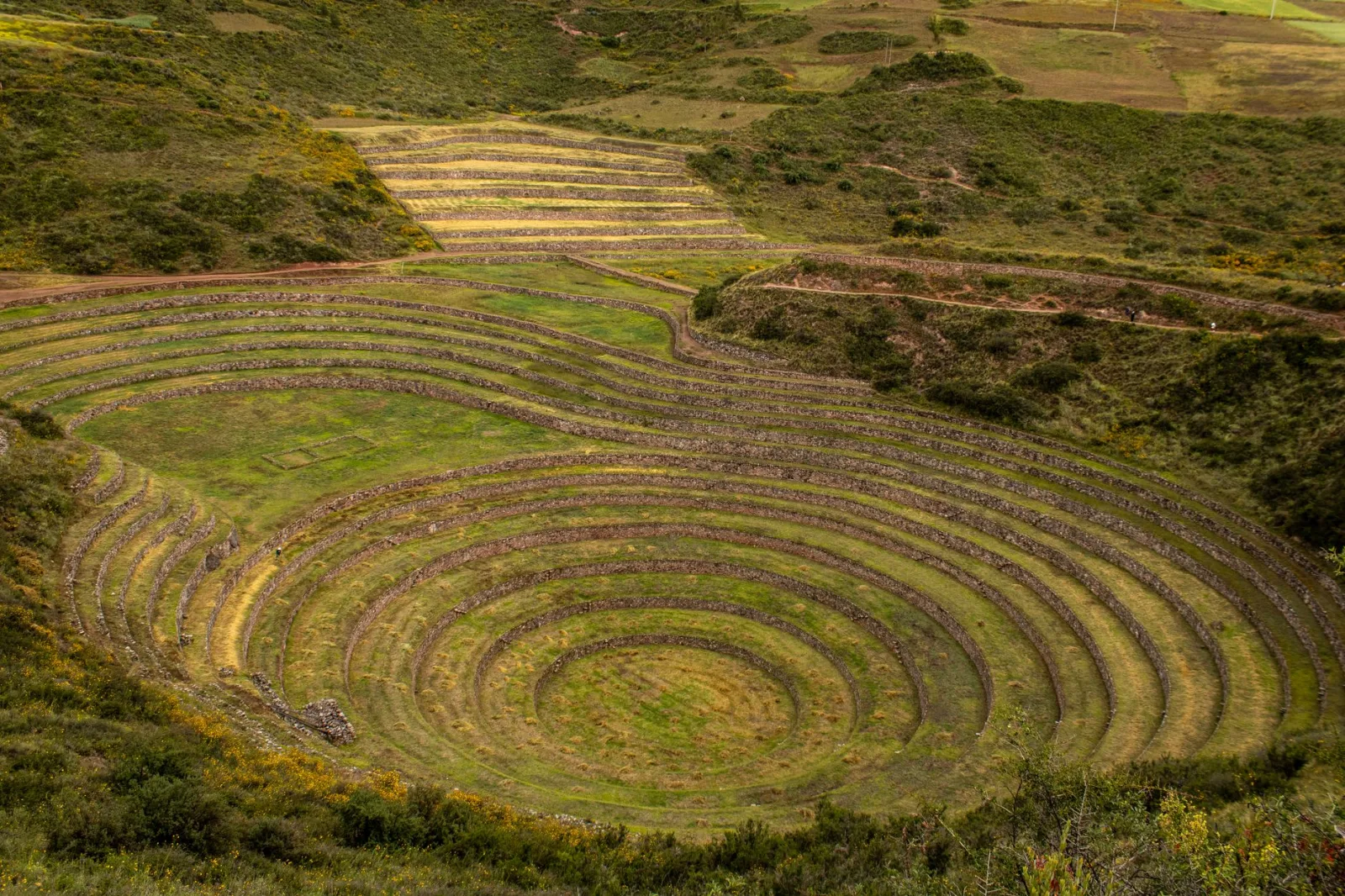
Agricultural terraces, often found in mountainous regions, are a remarkable adaptation of farming techniques designed to maximize arable land while minimizing soil erosion. In the Arabian Peninsula, these terraces reflect ancient farming practices that have sustained communities for centuries. They showcase the ingenuity of local farmers who transformed rugged landscapes into productive fields. Understanding these terraces offers insight into the region’s agricultural history and the cultural practices that shaped its development.
The History of Terracing in the Arabian Peninsula
The use of terraces in agriculture dates back thousands of years. In the Arabian Peninsula, archaeological evidence suggests that farmers began constructing these structures as early as the 1st millennium BCE. The primary aim was to cultivate crops in a challenging environment characterized by steep slopes and arid conditions. By creating flat surfaces on hillsides, farmers could retain water more effectively and cultivate a variety of crops, including wheat, barley, and legumes.
How Agricultural Terraces Function
To understand the functionality of agricultural terraces, let’s break down the process:
- Water Management: Terraces help in managing water runoff. They slow down the flow of water, allowing it to seep into the soil rather than wash away, which is crucial in arid regions.
- Soil Conservation: By reducing erosion, terraces protect the nutrient-rich topsoil, ensuring that crops have access to the essential minerals they need for growth.
- Microclimate Creation: The design of terraces can create unique microclimates that support diverse plant species, enhancing biodiversity.
Each step in this process is vital for sustaining agricultural practices in a region where resources are scarce.
Notable Regions with Agricultural Terraces
Several regions in the Arabian Peninsula are renowned for their agricultural terraces:
1. The Asir Region of Saudi Arabia
The Asir region is famous for its stunning terraced fields that cling to the mountainsides. Here, farmers grow coffee, fruits, and vegetables. The terraces are not only functional but also visually striking, making them a hidden gem worth visiting. If you’re interested in eco-tourism, consider exploring Saudi Arabia’s hidden eco-resorts that offer a unique experience of the local culture and agriculture.
2. The Hajar Mountains in Oman
This mountain range features some of the oldest terraced fields in the region. Farmers have cultivated these terraces for centuries, primarily growing date palms and grains. The ancient irrigation systems that accompany these terraces showcase the ingenuity of Omani farmers, allowing them to thrive in a harsh climate.
3. The Al Hasa Oasis in Saudi Arabia
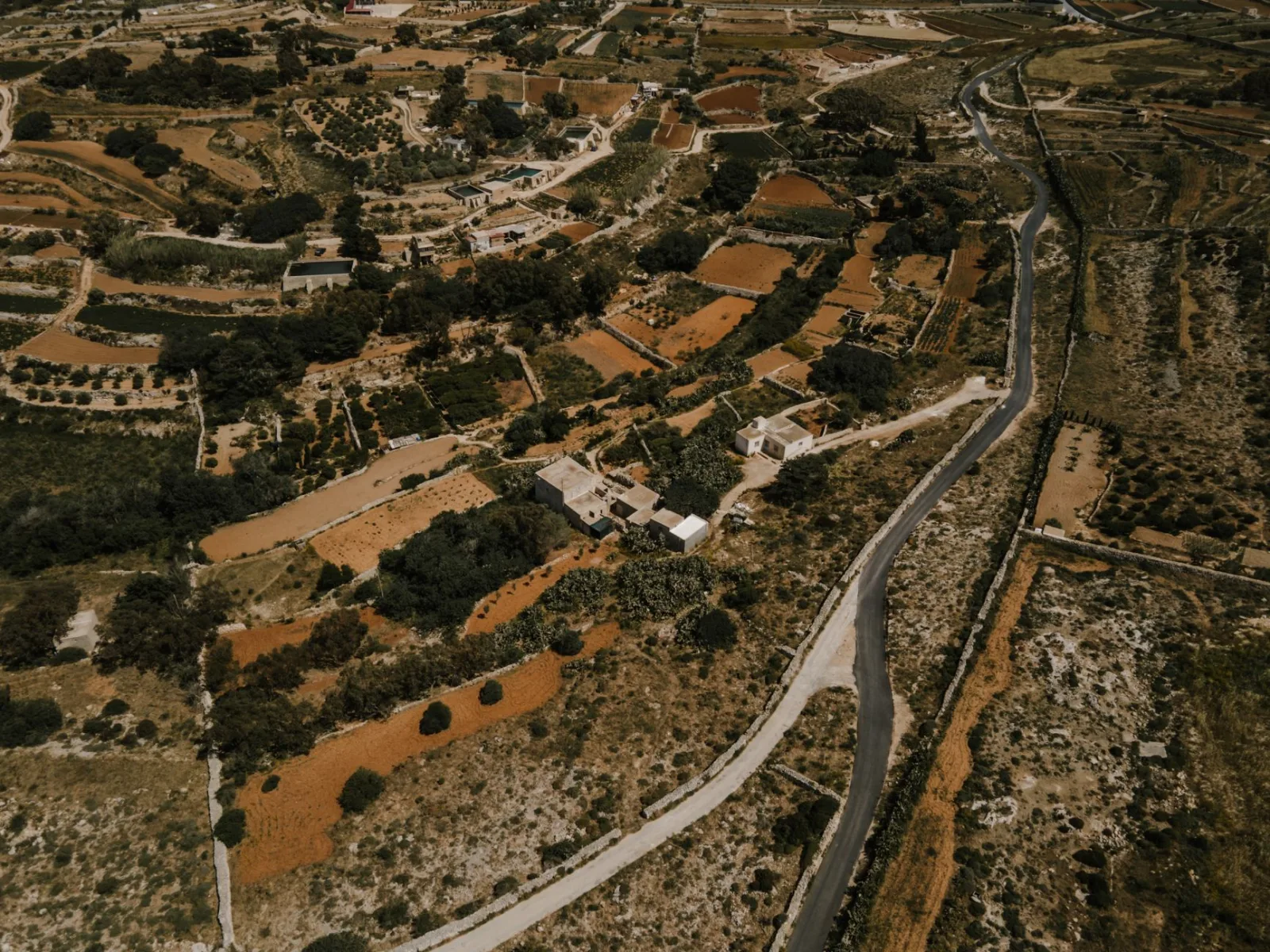
The Al Hasa Oasis is another remarkable area where terracing is prevalent. This region is known for its date palms and various crops, all sustained through intricate irrigation networks that demonstrate an advanced understanding of water management. The oasis itself is a UNESCO World Heritage site, highlighting its cultural significance.
Modern Challenges and Preservation Efforts
Despite their historical importance, agricultural terraces face numerous challenges today. Urbanization and climate change threaten these ancient practices. As younger generations migrate to cities for better opportunities, the knowledge of traditional farming techniques is at risk of being lost. Preservation efforts are underway, with local organizations working to promote sustainable farming practices and revive interest in agricultural terraces.
Important Note:
If you’re passionate about protecting cultural heritage, consider supporting initiatives that focus on sustainable agriculture and preservation of these hidden gems.
Practical Steps for Visiting Agricultural Terraces
If you’re planning to explore the agricultural terraces of the Arabian Peninsula, here are some practical steps to enhance your journey:
- Research Local Cultures: Understanding the local customs and practices will enrich your experience. Engage with farmers and learn about their methods.
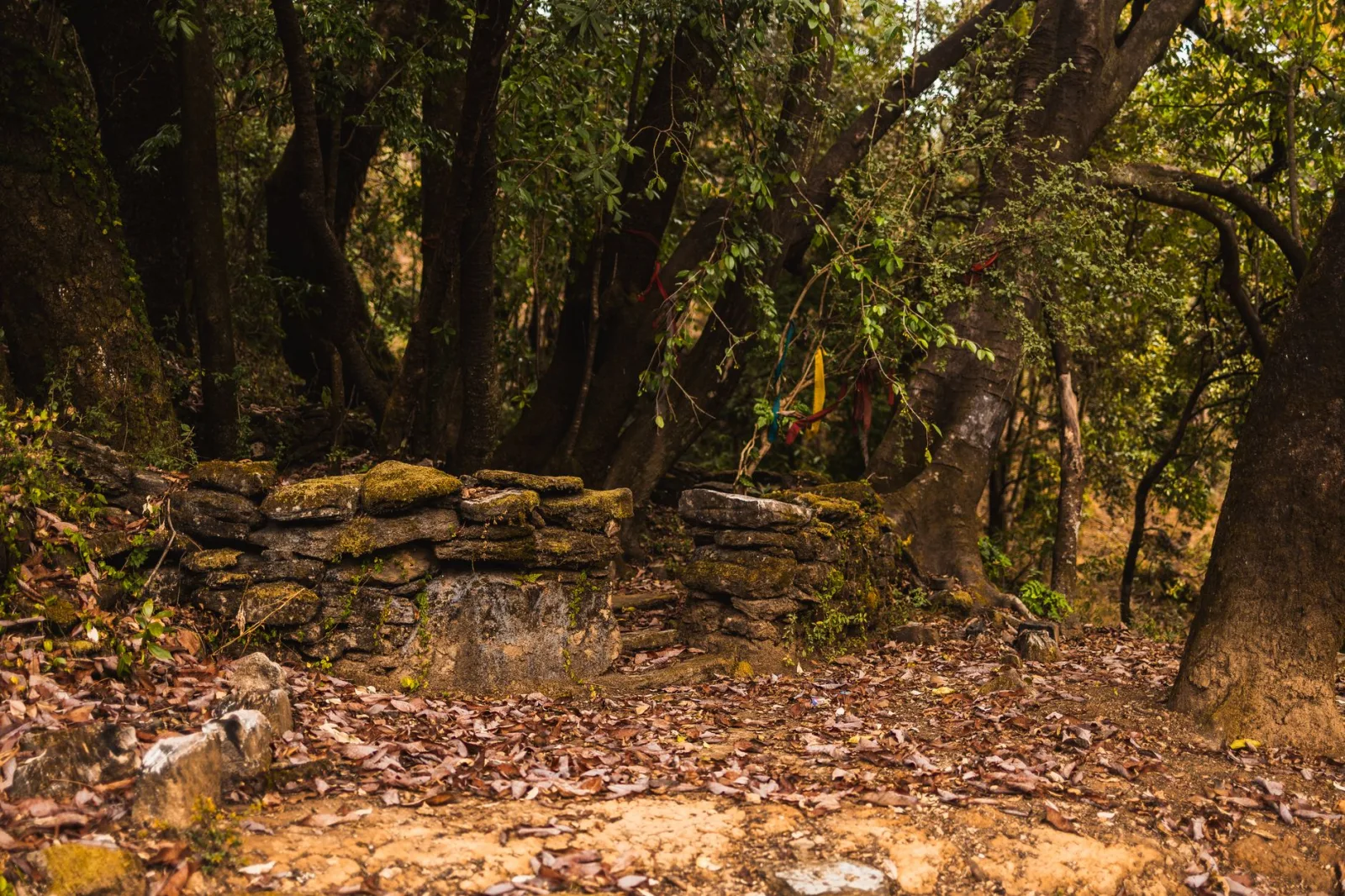
- Be Respectful: When visiting these sites, tread lightly and respect the farmers’ land. These terraces are not only agricultural sites but also cultural heritage.
- Support Local Economies: Buy produce directly from farmers or visit local markets. This supports sustainable practices and helps preserve the agricultural landscape.
Key Takeaways
The agricultural terraces of the Arabian Peninsula are not merely remnants of the past; they are living examples of sustainable farming that have evolved over centuries. By understanding their significance and the practices surrounding them, you gain a deeper appreciation for the region’s cultural heritage. Whether you’re exploring the terraces in the Asir region or the Hajar Mountains, remember that you’re witnessing a tradition that has shaped the lives of countless individuals and communities.
Conclusion
In conclusion, the hidden agricultural terraces of the Arabian Peninsula represent a fascinating intersection of history, culture, and sustainability. They serve as a reminder of human resilience in the face of environmental challenges. As you journey through these ancient farming landscapes, you not only explore the physical remnants of the past but also connect with the stories of those who cultivated them. For more insights into the rich culture of the Arabian Peninsula, consider exploring the culinary heritage of forgotten towns or discovering the various ecosystems that have adapted to arid landscapes in the region.