




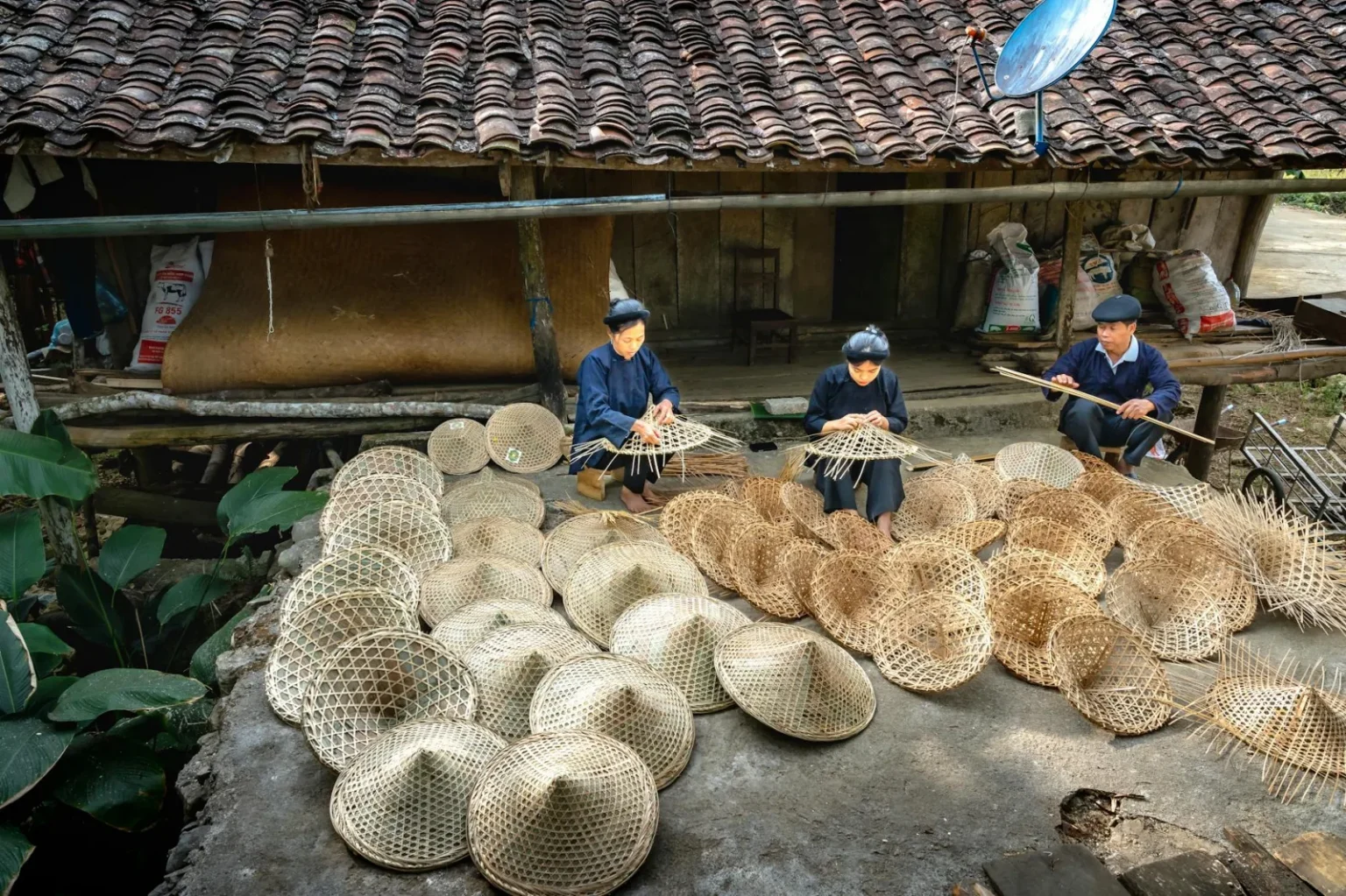

Understanding Hidden Artisans in the Arabian Peninsula
The Arabian Peninsula is home to a myriad of hidden artisans whose work embodies the rich tapestry of local craftsmanship. These individuals often operate outside the spotlight of mainstream tourism, crafting items steeped in tradition and culture. By exploring their work, you not only appreciate beautiful creations but also the stories and techniques that have been passed down through generations.
The Importance of Local Craftsmanship
Local craftsmanship serves as a tangible connection to the history and culture of the region. For example, traditional weaving practices in Oman produce intricate textiles that reflect the desert landscape and cultural narratives of the people. Understanding this significance can deepen your appreciation for each artisan’s work, as every piece tells a story beyond its physical form.

Exploring Traditional Crafts
To truly understand the hidden artisans of the Arabian Peninsula, you should familiarize yourself with the traditional crafts they represent. Here are some key categories:
- Pottery: In regions like Bahrain, artisans create unique clay pots and decorative items, utilizing techniques that date back thousands of years. The natural clay sourced from local rivers contributes to the distinctiveness of their work.
- Textiles: The art of weaving is prevalent in many areas, such as Saudi Arabia, where local craftspeople produce beautiful rugs and garments. These textiles are often adorned with patterns that symbolize cultural beliefs or historical events.
- Jewelry Making: In places like Yemen, artisans craft intricate silver jewelry using traditional methods that have been preserved through time. Each piece often incorporates local gemstones, making them unique to the region.
- Woodwork: The skill of woodworking can be seen in the creation of traditional furniture and decorative items, often using local woods that add character and history to the pieces.
How to Discover Hidden Artisans
Finding hidden artisans requires a bit of exploration and curiosity. Here’s how you can start:
- Research Local Markets: Visit local bazaars and markets where artisans often display their work. Look for places that are popular with locals rather than tourists.
- Engage with Local Communities: Take the time to speak with residents. They can provide insights into who the artisans are and where to find them.
- Participate in Workshops: Many artisans offer workshops where you can learn about their craft. This hands-on experience not only supports them but also allows you to appreciate the effort behind each creation.
- Document Your Journey: Keep a journal or blog about your experiences with artisans. This not only helps preserve their stories but also inspires others to seek out these hidden gems.
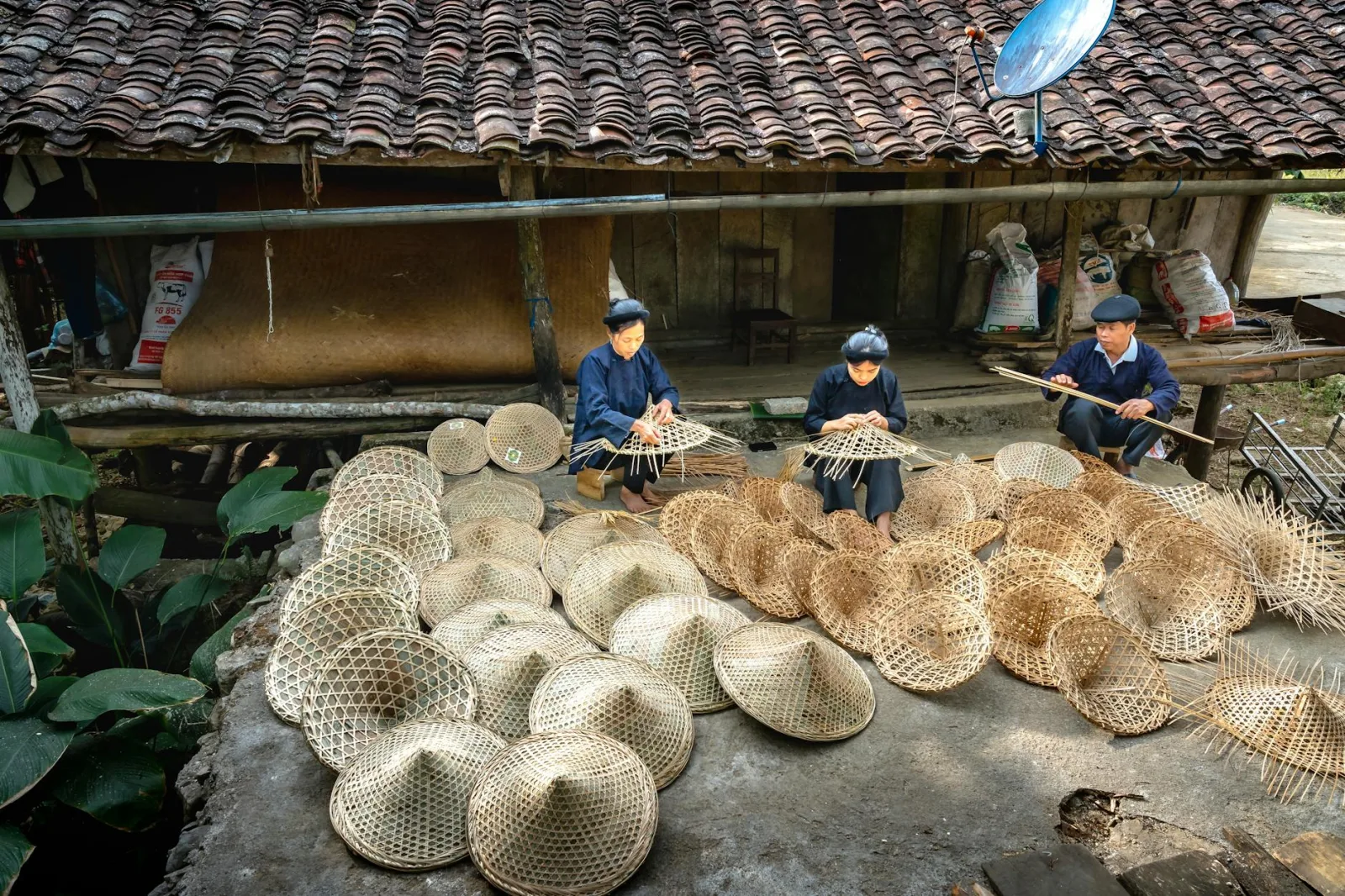
Examples of Hidden Artisans Across the Peninsula
Here are a few notable hidden artisans you might encounter:
- Alia Al-Harbi (Saudi Arabia): A skilled potter known for her stunning clay works that incorporate traditional Saudi motifs. Her workshop is located in a small village, often overlooked by tourists.
- Fatima Al-Balushi (Oman): A master weaver who creates intricate textiles that tell the stories of her ancestors. Her craftsmanship is evident in every piece, making it a true representation of Omani culture.
- Yasir Al-Mahdi (Bahrain): A jeweler who specializes in traditional silver crafting techniques. His pieces often reflect Bahraini heritage, making them unique collectibles.
The Challenges Faced by Artisans
Despite their incredible talents, hidden artisans often face numerous challenges. One significant issue is the lack of exposure to broader markets. Many artisans rely on local sales, which can be limiting. Additionally, the rise of mass-produced items threatens traditional crafts, as consumers may prefer cheaper, factory-made goods.

Supporting Hidden Artisans
Here are practical steps you can take to support these hidden artisans:
- Purchase Their Work: Buying directly from artisans ensures they receive fair compensation for their labor.
- Spread the Word: Share your experiences with others, whether through social media or word of mouth. Increasing their visibility can help boost their business.
- Advocate for Preservation: Support initiatives that aim to preserve traditional crafts and empower artisans through grants or educational programs.
Key Takeaways
Exploring the hidden artisans of the Arabian Peninsula offers a unique glimpse into the region’s cultural heritage through local craftsmanship and traditional crafts. By understanding the importance of these artisans and actively engaging with their work, you contribute to the preservation of their skills and stories. Remember, each piece crafted by these hidden artisans is more than just an item; it’s a narrative waiting to be shared.