




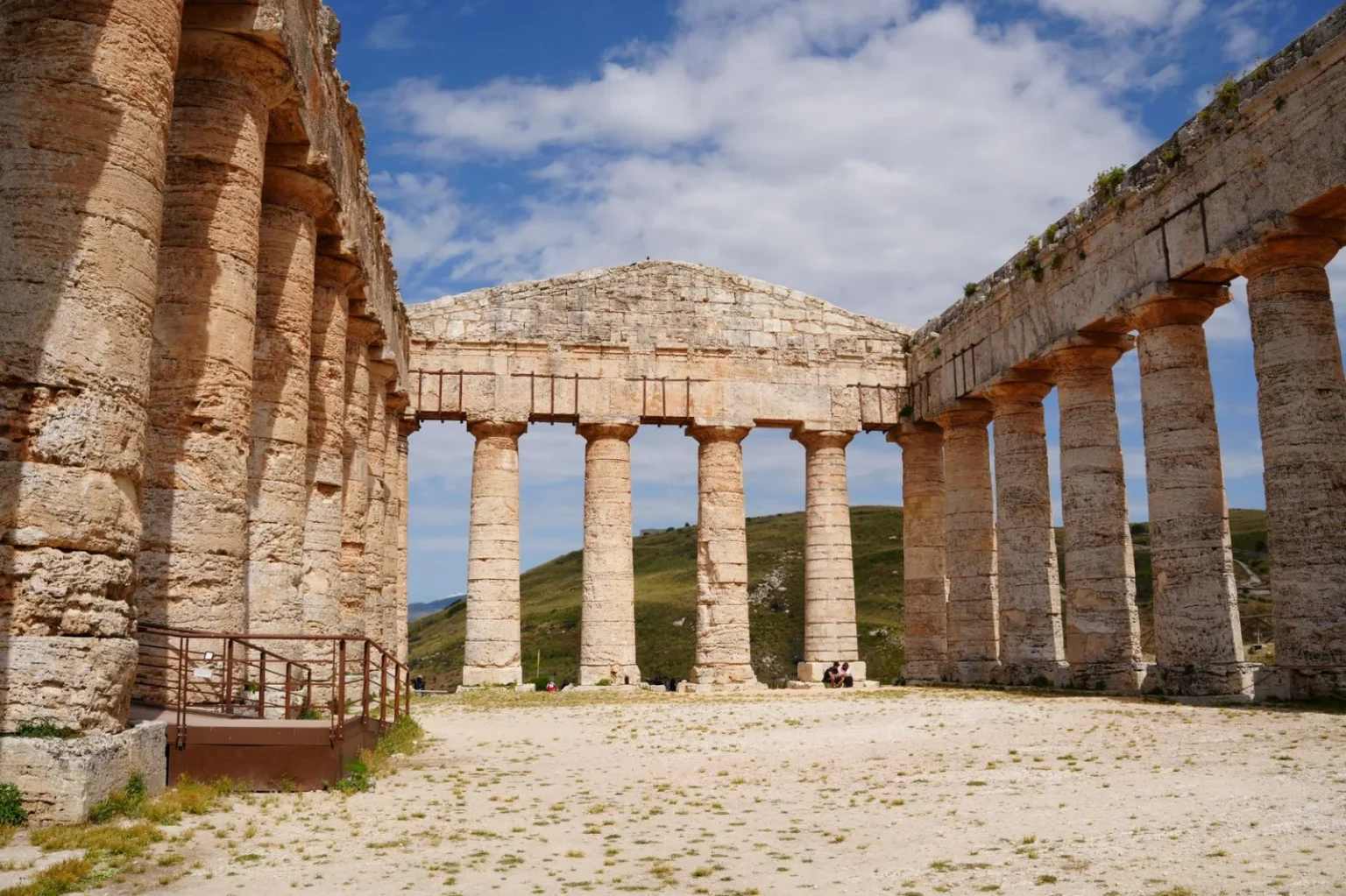

Understanding Ancient Trade Routes
The Arabian Peninsula has long been a crossroads of commerce and cultural exchange. Ancient trade routes, such as the Incense Route and the Silk Road, played a crucial role in this dynamic. These pathways facilitated the movement of goods, ideas, and people, creating a rich tapestry of cultural influence that still resonates today.
The Incense Route: A Cultural Highway
The Incense Route, used primarily for transporting frankincense and myrrh, connected Arabia to the Mediterranean and beyond. This trade route not only served economic purposes but also acted as a conduit for cultural exchanges. For instance, merchants traveling along these routes often shared stories, traditions, and artistic influences from their respective regions.
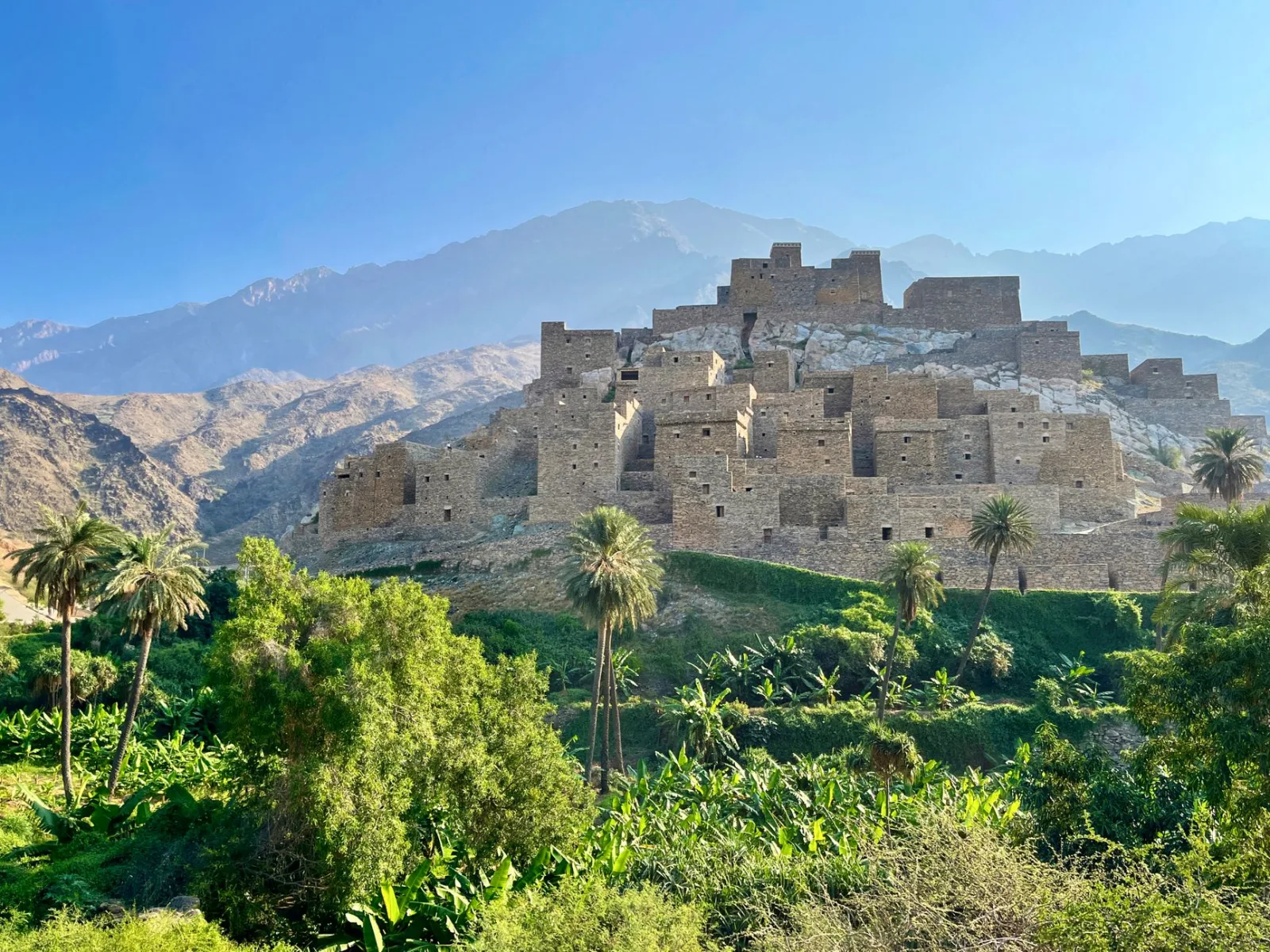
Trade and Language: A Linguistic Legacy
As traders interacted, they exchanged not just goods but also languages. Many Arabic dialects have roots tracing back to interactions with Persian, Greek, and even Indian traders. This linguistic blending highlights the profound cultural influence that arose from trade. You may notice variations in dialects across the Arabian Peninsula, reflecting the historical interactions along these ancient routes.
Artistic Influences: From East to West
Art in the Arabian Peninsula was significantly shaped by the influx of ideas from traders. The introduction of new artistic styles, techniques, and materials can be traced back to interactions with various cultures. For example, motifs and designs in pottery and textiles often reveal influences from Asian and African art forms. Understanding this evolution can enrich your appreciation of local art and its history.
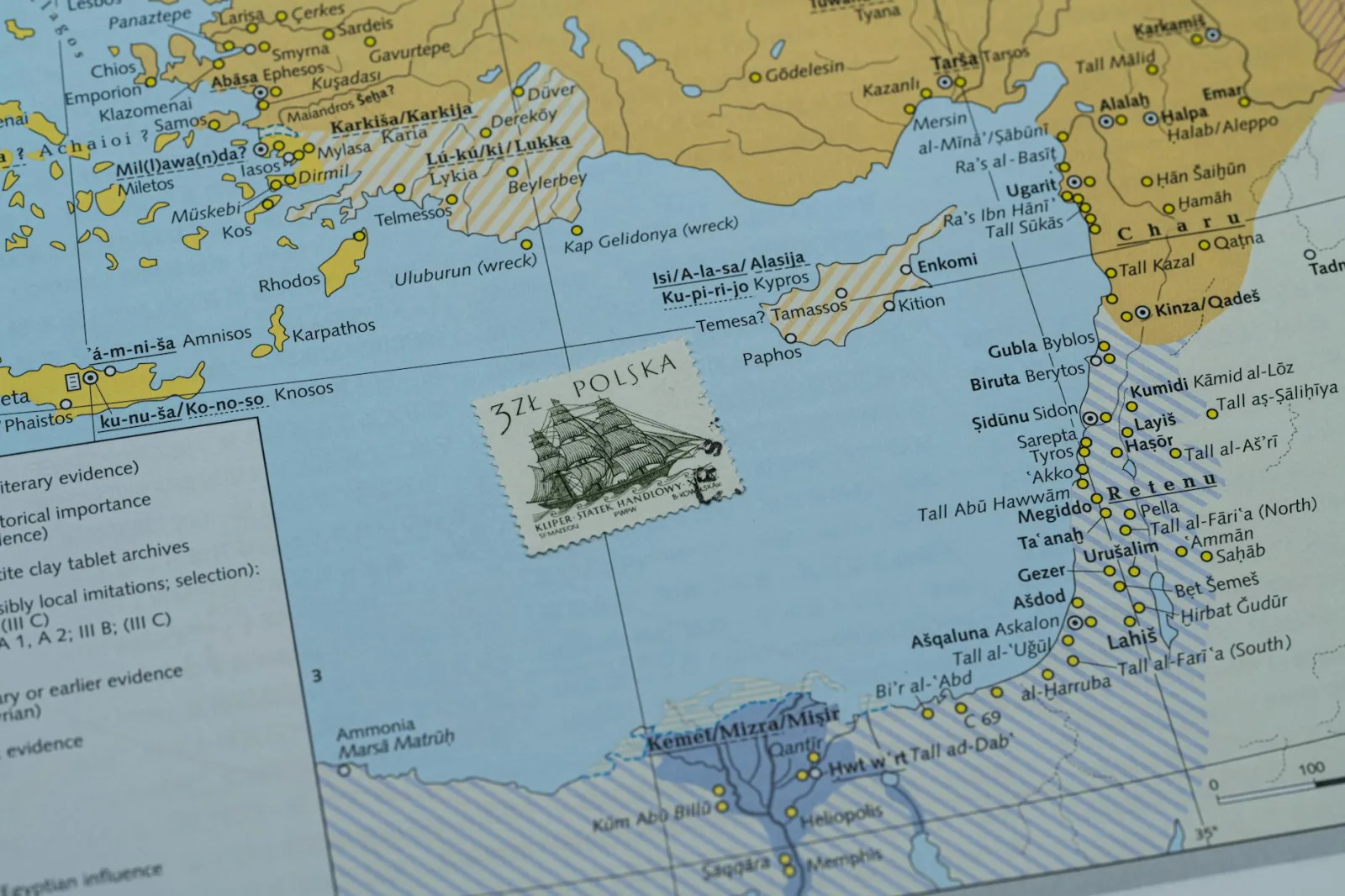
Religious and Cultural Exchange
Trade routes were also vital for the spread of religions and philosophies. The Arabian Peninsula saw the exchange of various belief systems, including early forms of Christianity and Judaism before the advent of Islam. This cultural intermingling influenced local practices and traditions. For instance, certain rituals and festivals in contemporary Arab culture may have origins in these earlier practices.
Modern Reflections of Ancient Influences
Today, the cultural influences from ancient trade routes can still be observed in modern Arab society. Festivals, culinary traditions, and even architectural styles often reflect this rich heritage. For example, the spice markets of Oman and Yemen are a direct descendant of the bustling trade that once flourished along these routes. You can experience this rich cultural heritage by visiting local markets or participating in traditional festivals.
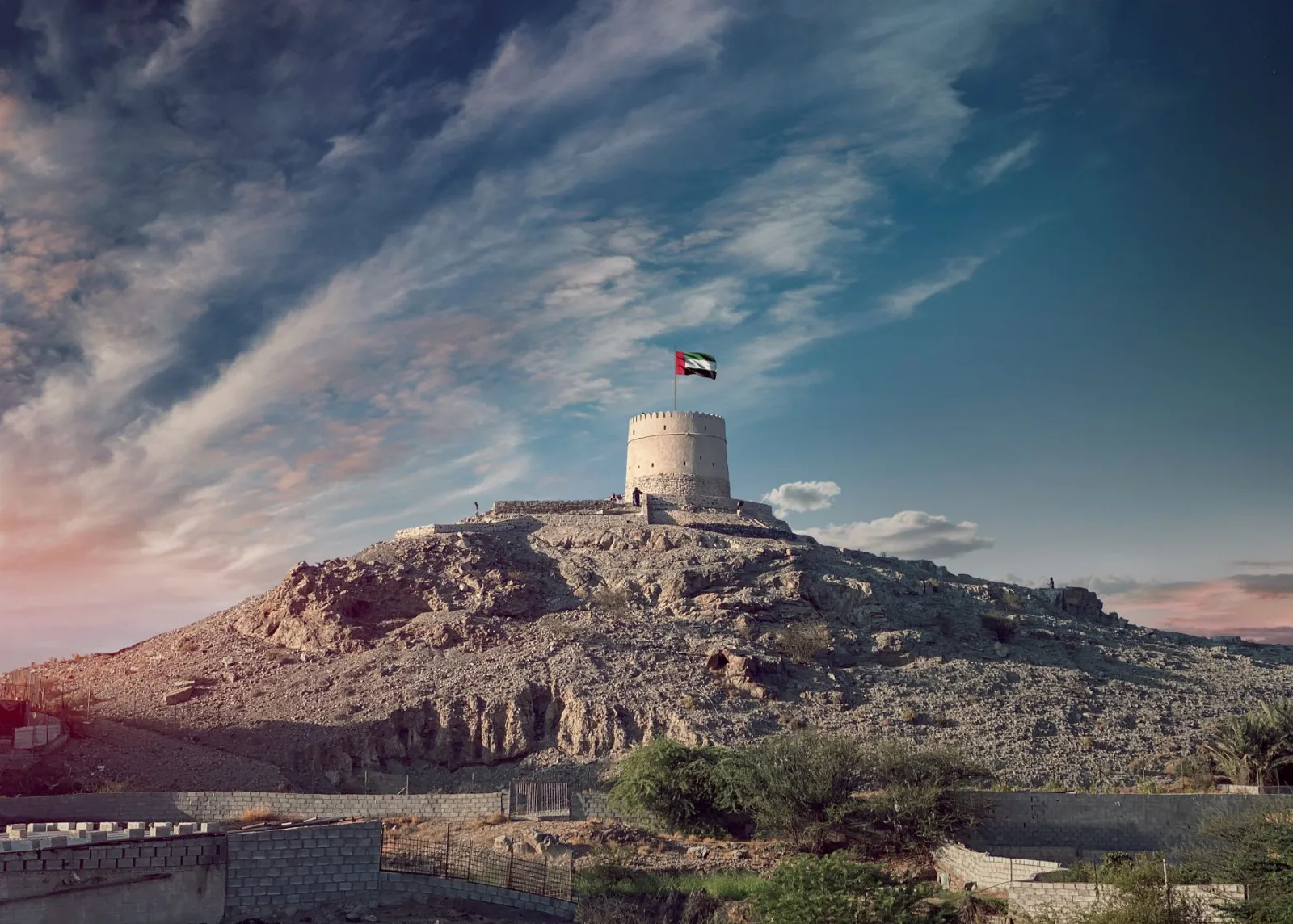
Exploring the Hidden Gems of Cultural Exchange
To truly appreciate the cultural influence of ancient trade routes, consider exploring lesser-known destinations in the Arabian Peninsula. For instance, towns like AlUla in Saudi Arabia showcase ancient rock art and archaeological sites that bear witness to historical trade activities. Additionally, visiting local artisans can reveal how traditional crafts have evolved due to these influences. For more insights, check out Unveiling the Hidden Artisans of the Arabian Peninsula.
Summary and Key Takeaways
The ancient trade routes of the Arabian Peninsula were more than mere pathways for commerce; they were crucial channels for cultural exchange that shaped the region’s identity. From language and art to religious practices, the influences of these routes are evident in many aspects of modern Arabian culture. As you explore this fascinating region, keep an eye out for the layers of history that continue to influence local traditions and lifestyles.