





Unveiling the Arabian Peninsula‘s Geological Treasures
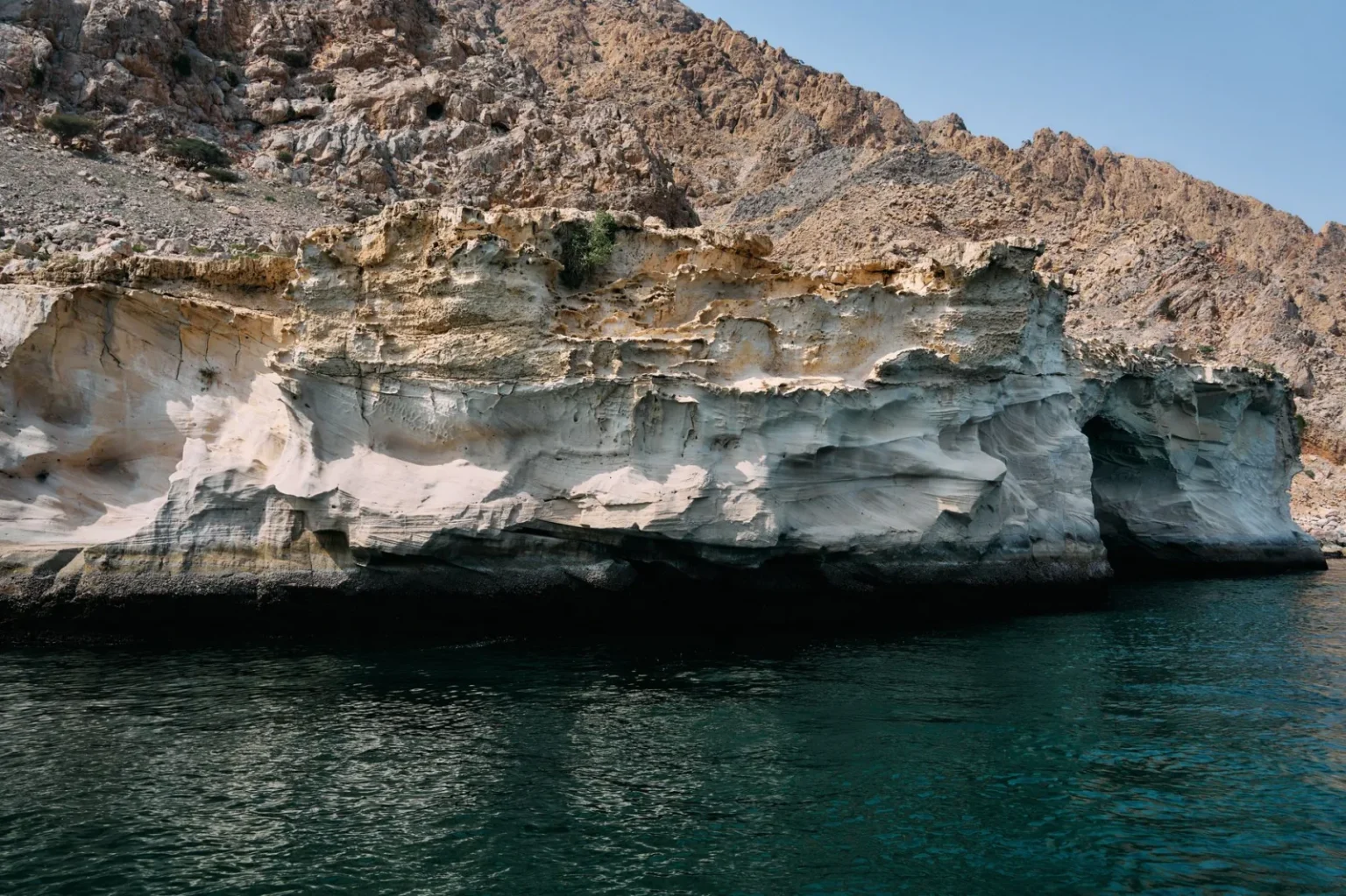
The Arabian Peninsula, often recognized for its rich history and vibrant culture, also boasts a diverse array of geological wonders. These natural formations, shaped over millions of years, tell stories of Earth’s evolution and offer a glimpse into unique ecosystems. From dramatic cliffs to hidden caves, this region’s geological landscape is a veritable treasure trove waiting to be explored.
- Unveiling the Arabian Peninsula‘s Geological Treasures
- 1. The Majestic Hajar Mountains
- 2. The Mysterious Al-Hoota Cave
- 3. The Enigmatic Empty Quarter (Rub’ al Khali)
- 4. The Striking Elephant Rock
- 5. The Luminous Crater of Al-Wabah
- 6. The Unique Landscape of Wadi Rum
- 7. Exploring the Coastal Wonders of Salalah
- Conclusion: Discovering the Hidden Geological Gems
1. The Majestic Hajar Mountains
The Hajar Mountains, stretching across Oman and the UAE, are among the most stunning geological features in the Arabian Peninsula. Rising sharply from the surrounding desert, these mountains are composed of limestone and granite, shaped by tectonic activity and erosion. When you visit, be sure to hike through Wadi Ghul, often referred to as Oman’s Grand Canyon. This deep gorge showcases layered rock formations and offers breathtaking views. Important note: Always carry enough water and wear appropriate footwear when hiking in this rugged terrain.
2. The Mysterious Al-Hoota Cave
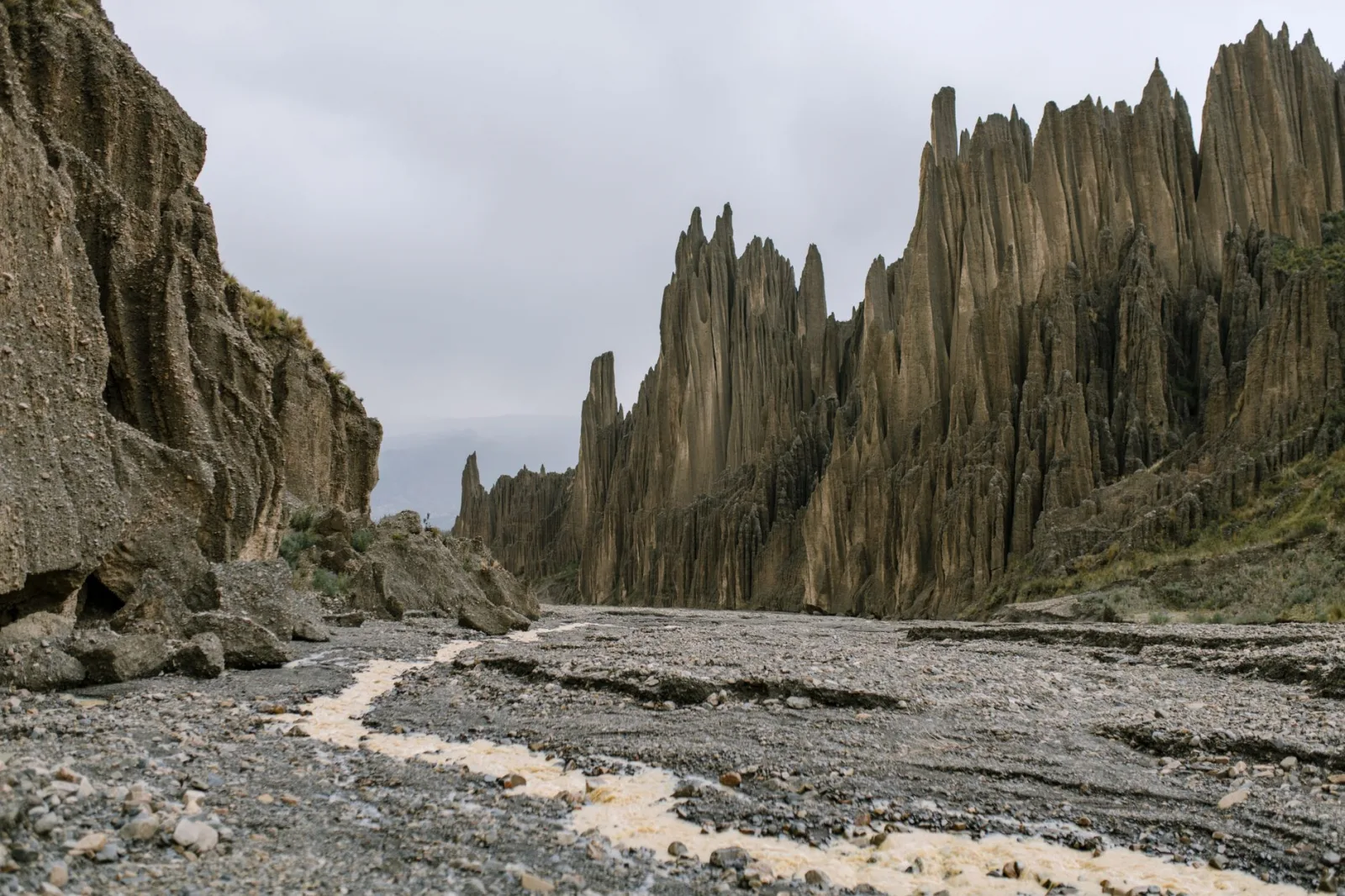
Located in Oman, Al-Hoota Cave is another hidden gem that reveals the underground beauty of the Arabian Peninsula. Spanning over 5 kilometers, this cave is noted for its stunning stalactites and stalagmites, formed from mineral deposits over thousands of years. The cave is not just a geological wonder but also home to unique species, including the blind fish, which have adapted to the dark environment. You can explore the first kilometer of the cave via guided tours, which provide insight into its geology and history. Pro tip: Check the cave’s opening hours before your visit, as they can vary seasonally.
3. The Enigmatic Empty Quarter (Rub’ al Khali)
The Empty Quarter, known as Rub’ al Khali, is the largest continuous sand desert in the world, covering parts of Saudi Arabia, Oman, the UAE, and Yemen. Its vastness and isolation create a unique geological environment where sand dunes can reach heights of up to 250 meters. When you traverse this landscape, you may encounter ancient riverbeds and fossilized seabeds that provide a glimpse into the area’s watery past. Warning: Desert travel can be challenging due to extreme temperatures and limited resources. Always travel with a guide and ensure your vehicle is equipped for off-road conditions.
4. The Striking Elephant Rock
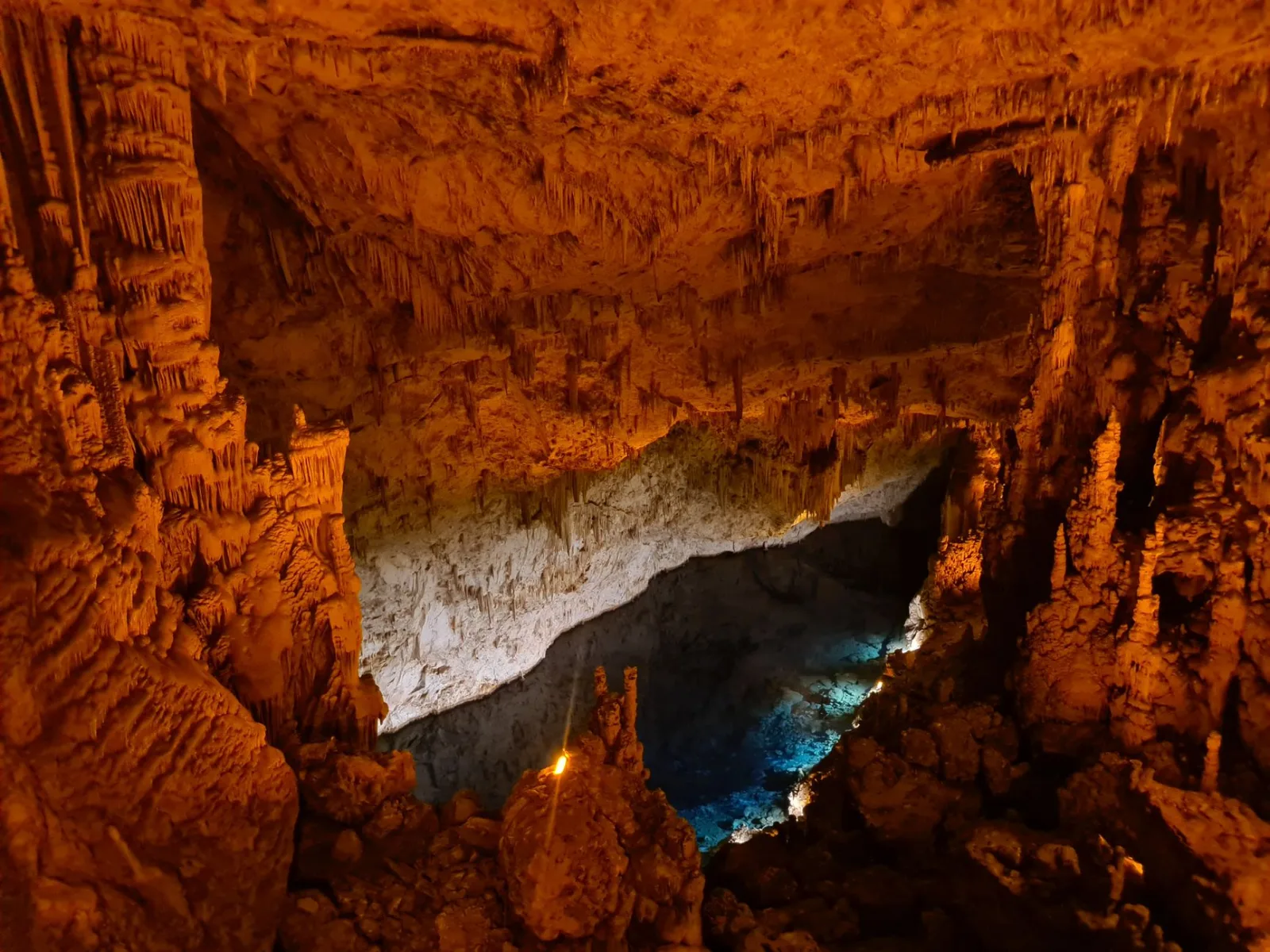
Elephant Rock, or Jabal Al-Fil, is one of Saudi Arabia’s most iconic natural formations, located near AlUla. This sandstone formation resembles a massive elephant, providing a striking visual that draws visitors from around the world. Understanding its geological significance involves recognizing how wind and water erosion sculpted the rock over millennia. When visiting, consider exploring the surrounding area, which is rich in archaeological sites, as AlUla is known for its rock art and ancient tombs. Common mistake: Many visitors overlook the nearby trails that offer panoramic views, so take the time to explore.
5. The Luminous Crater of Al-Wabah
Al-Wabah Crater, located in western Saudi Arabia, is a fascinating geological structure formed by a volcanic eruption that occurred thousands of years ago. The crater, with its deep depression and surrounding rocky formations, is a striking example of volcanic activity in the region. The contrast of the dark rock against the surrounding lighter terrain creates a unique visual spectacle. If you plan to visit, consider hiking around the rim for stunning views of the crater and its surroundings. Additionally, be sure to respect the area by following local guidelines regarding safety and conservation.
6. The Unique Landscape of Wadi Rum
Wadi Rum, a UNESCO World Heritage site in Jordan, is renowned for its dramatic sandstone mountains and narrow canyons. This area, often referred to as the Valley of the Moon, has served as a backdrop for many films due to its otherworldly landscapes. The geological formations, including natural arches and towering cliffs, have been shaped by wind and water erosion, creating a surreal environment. For an immersive experience, consider taking a guided tour with a local Bedouin who can share insights into the region’s geology and culture. Important note: Respect the local environment by sticking to marked paths and avoiding littering.
7. Exploring the Coastal Wonders of Salalah
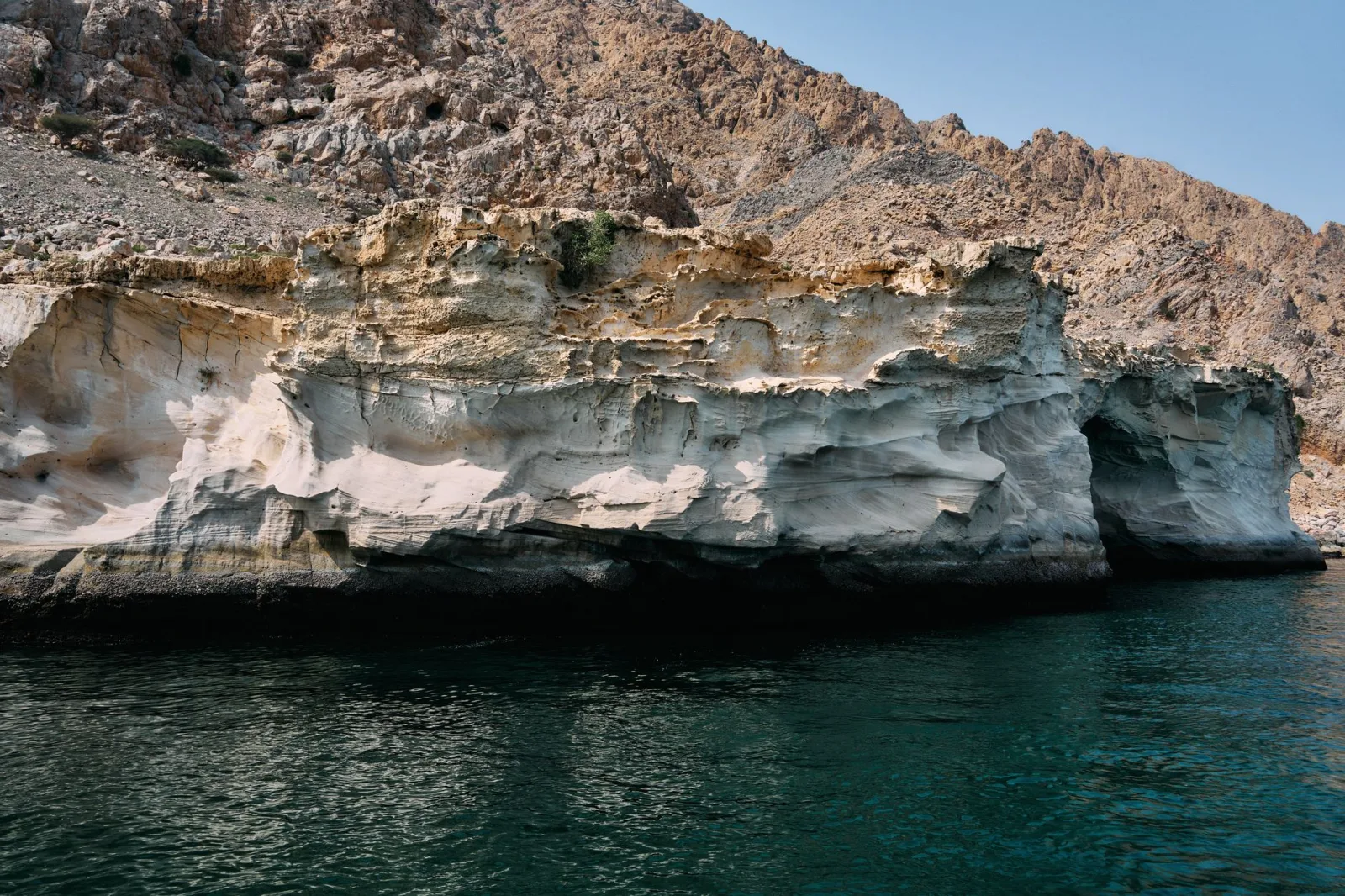
In southern Oman, Salalah is known for its lush greenery and unique geological formations, especially during the Khareef season when monsoon rains transform the area. The coastal cliffs, combined with the turquoise waters of the Arabian Sea, create stunning vistas. The geological history of Salalah is marked by limestone and dolomite formations that contribute to its rich biodiversity. You can explore the nearby Taqah Castle, which offers insights into the region’s history and geology. Remember to check local guidelines for visiting natural sites to ensure a responsible travel experience.
Conclusion: Discovering the Hidden Geological Gems
The geological wonders of the Arabian Peninsula are not only breathtaking but also rich in history and ecological significance. As you explore these hidden gems, consider the stories they tell about Earth’s history and the natural processes that shape our planet. Whether you are hiking through the Hajar Mountains or marveling at the formations in Wadi Rum, each location invites you to connect with nature in a profound way. Key takeaways include the importance of preparation, respecting local guidelines, and embracing the stories behind these geological masterpieces. By doing so, you ensure that future generations can also experience these remarkable natural wonders.