





The Historical Significance of the Spice Routes
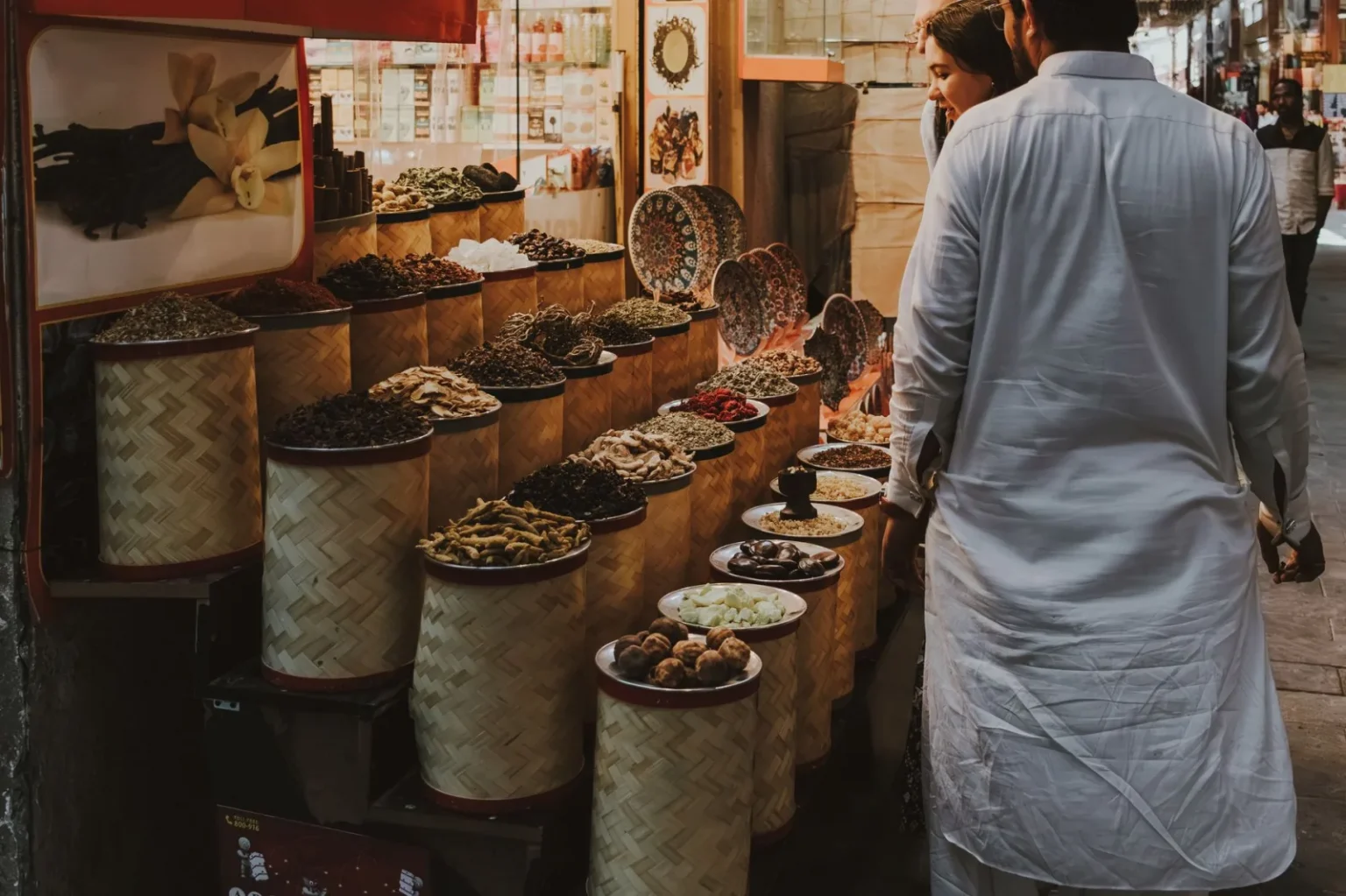
The spice routes were not mere trade pathways; they were lifelines connecting cultures across continents. In the Arabian Peninsula, these routes facilitated the exchange of spices like frankincense, myrrh, and saffron. Each spice carried not only flavor but also cultural significance, transforming local cuisines and economies. For instance, frankincense was highly prized in ancient Egypt for its use in religious ceremonies, while myrrh was often used in medicine. Understanding this historical context gives depth to your culinary adventure.
- The Historical Significance of the Spice Routes
- Mapping the Spice Routes Across the Arabian Peninsula
- Uncovering the Culinary Gems of the Arabian Peninsula
- How Spices Shaped Cultural Practices
- Exploring Lesser-Known Sites Along the Routes
- Engaging with Local Communities
- Preparing for Your Culinary Adventure
- Key Takeaways
Mapping the Spice Routes Across the Arabian Peninsula
To embark on a culinary journey, it’s crucial to know where these spice routes once flourished. The Arabian Peninsula served as a central hub for traders, linking the East with the West. Key locations include:
- Muscat, Oman: A significant trading port where spices were exchanged for textiles and precious stones.
- Dubai, UAE: Once a small fishing village, it evolved into a bustling trade center.
- AlUla, Saudi Arabia: Home to ancient caravan routes that still hold remnants of spice trade history.
Visiting these cities allows you to taste the fruits of ancient trade as you experience local dishes infused with spices.
Uncovering the Culinary Gems of the Arabian Peninsula
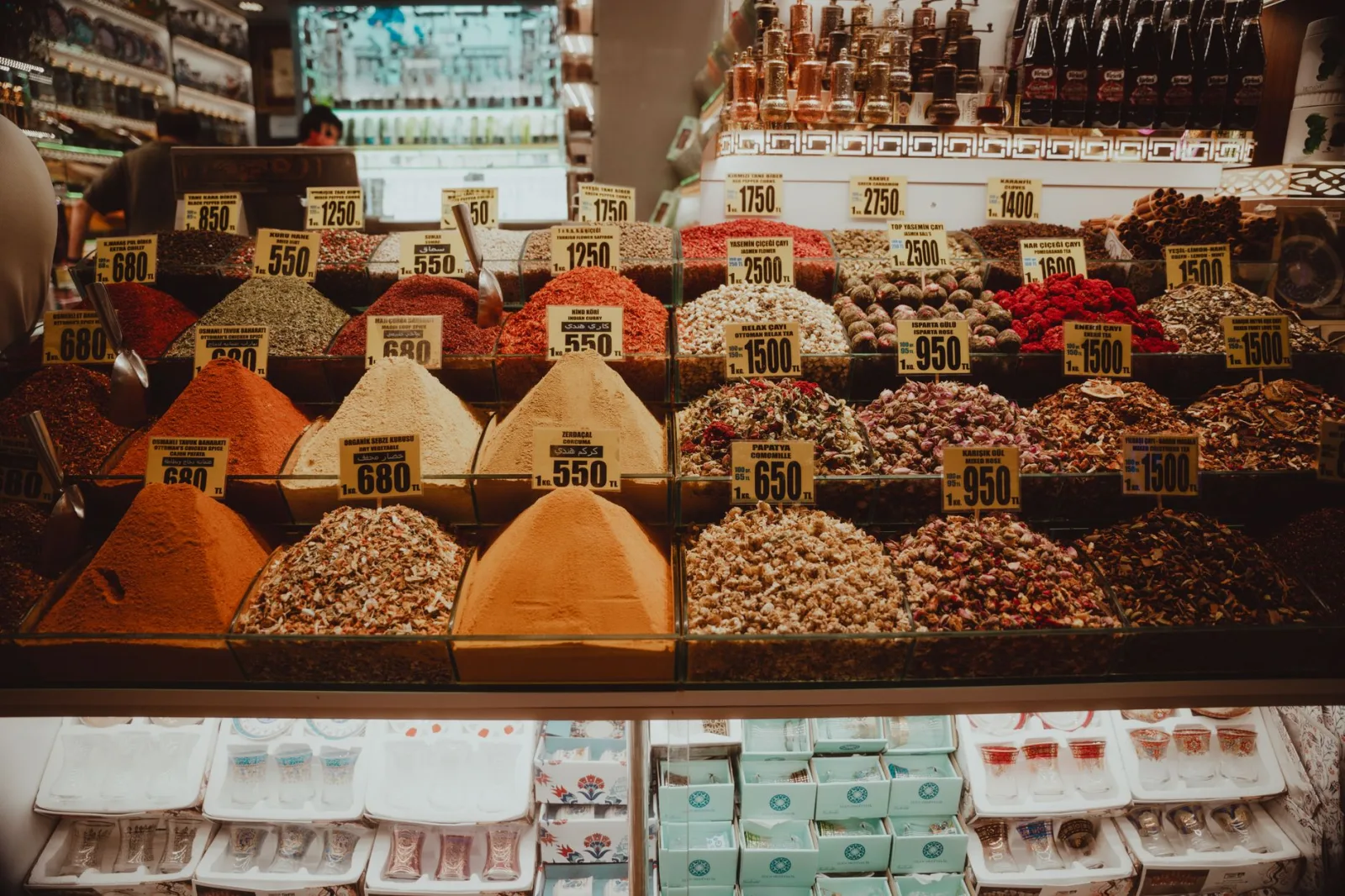
As you traverse the spice routes, you’ll encounter hidden culinary gems. Each region boasts unique flavors shaped by its history. For example:
- Shuwa (Oman): This traditional dish involves marinating lamb with spices and slow-cooking it underground. It reflects the Omani love for bold flavors.
- Machboos (Bahrain): A rice dish seasoned with saffron, this meal highlights the use of spices in everyday cooking.
- Jasheed (Saudi Arabia): A dish made from spiced, boiled chicken, showcasing the region’s culinary diversity.
Pro tip: Don’t just eat; engage with local chefs or vendors to learn about the spices used and the stories behind these dishes.
How Spices Shaped Cultural Practices
The influence of spices extends beyond food; they have shaped cultural practices and traditions. For instance, in many Arabian cultures, the use of spices is integral to hospitality. When you visit a home, you’ll likely be offered spiced coffee, a gesture reflecting warmth and generosity. Additionally, festivals often feature spice markets, where locals gather to celebrate flavors and history.
Exploring Lesser-Known Sites Along the Routes
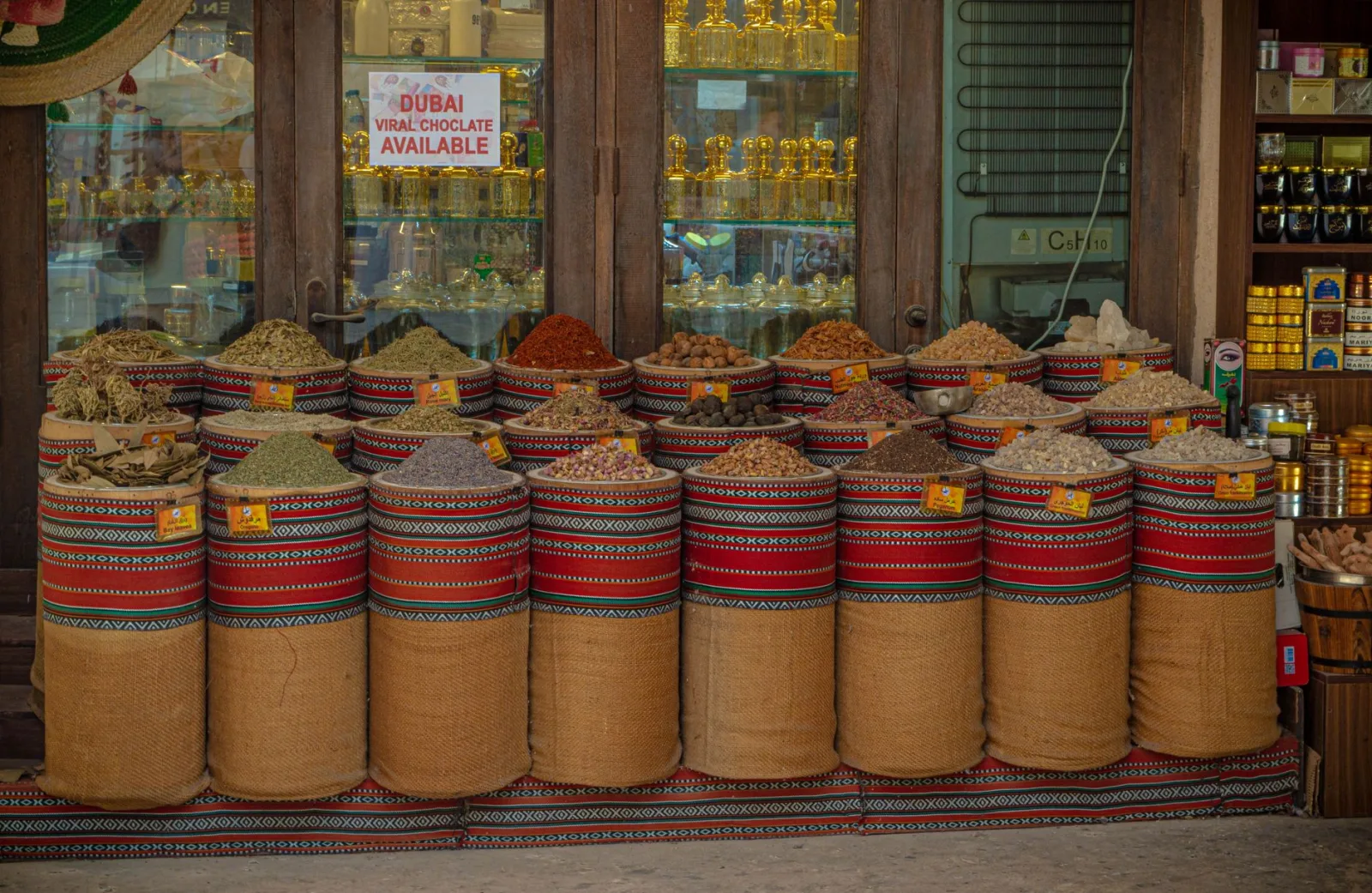
While major cities are significant, numerous lesser-known sites offer rich experiences. Consider visiting:
- AlUla: Explore ancient ruins and rock art while sampling local spices.
- Salalah, Oman: Known for its frankincense trees, you can learn about the resin’s role in trade.
Important note: Some of these locations may require permits or guided access, so plan ahead.
Engaging with Local Communities
Connecting with local communities enhances your understanding of the spice routes. Participate in cooking classes or food tours where locals share their culinary secrets. This not only enriches your experience but supports local artisans. Warning: Be respectful of local customs and traditions while engaging with communities.
Preparing for Your Culinary Adventure
Before you embark on your journey, consider the following steps:
- Research: Familiarize yourself with the spices unique to each region.
- Plan Your Route: Decide which cities and sites you want to visit based on your interests.
- Pack Appropriately: Bring comfortable clothing and a journal to document your experiences.
By preparing adequately, you can maximize your adventure and immerse yourself in the rich history of the spice routes.
Key Takeaways
The spice routes of the Arabian Peninsula offer a unique opportunity to explore a world of flavors and history. By visiting hidden gems and engaging with local cultures, you not only enrich your culinary knowledge but also contribute to the preservation of these traditions. Whether it’s savoring a bowl of machboos or discussing the cultural impact of frankincense, every moment spent along these routes is a step into a vibrant past. So pack your bags and prepare for a culinary adventure that transcends time!