





Understanding the Ancient Trade Routes
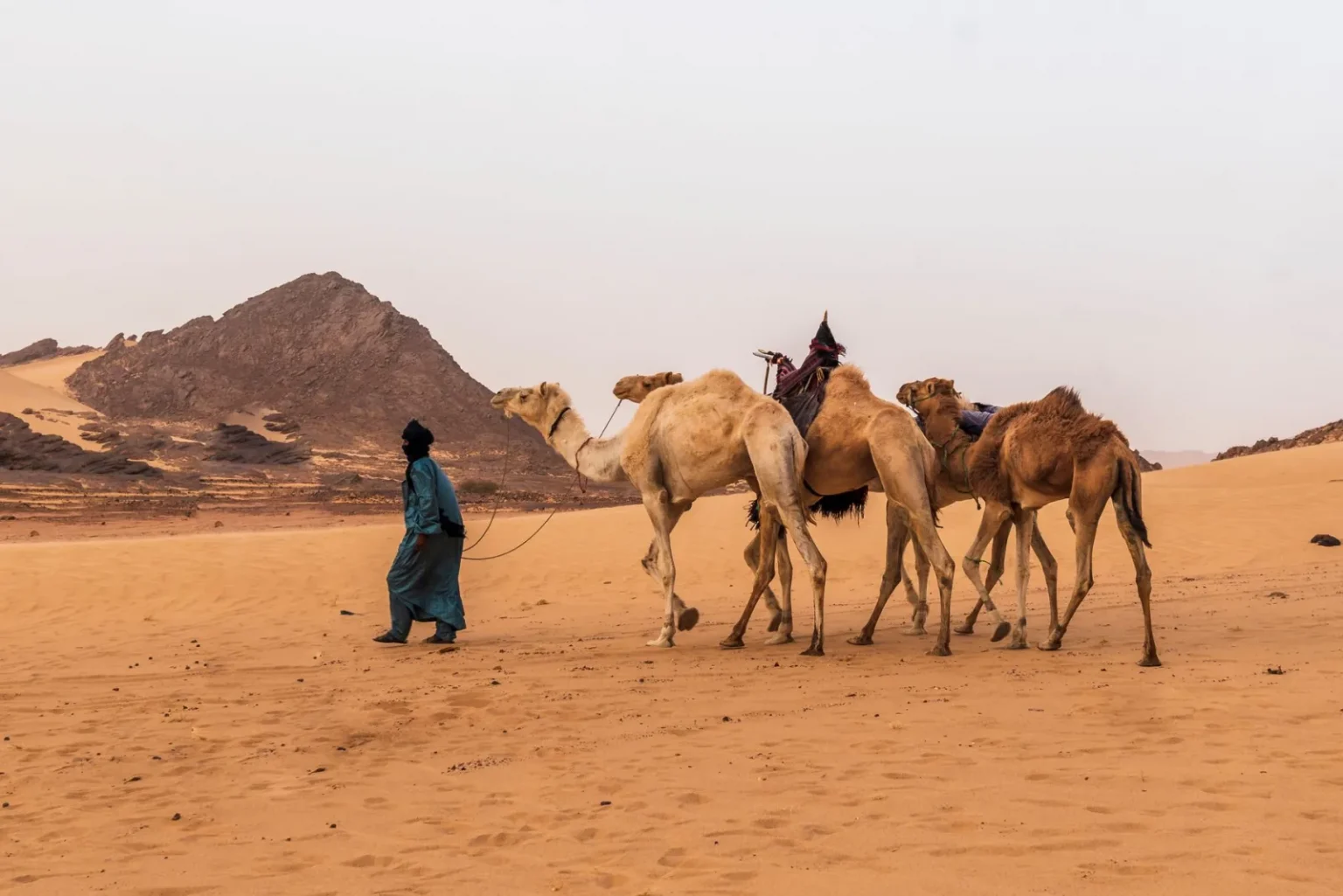
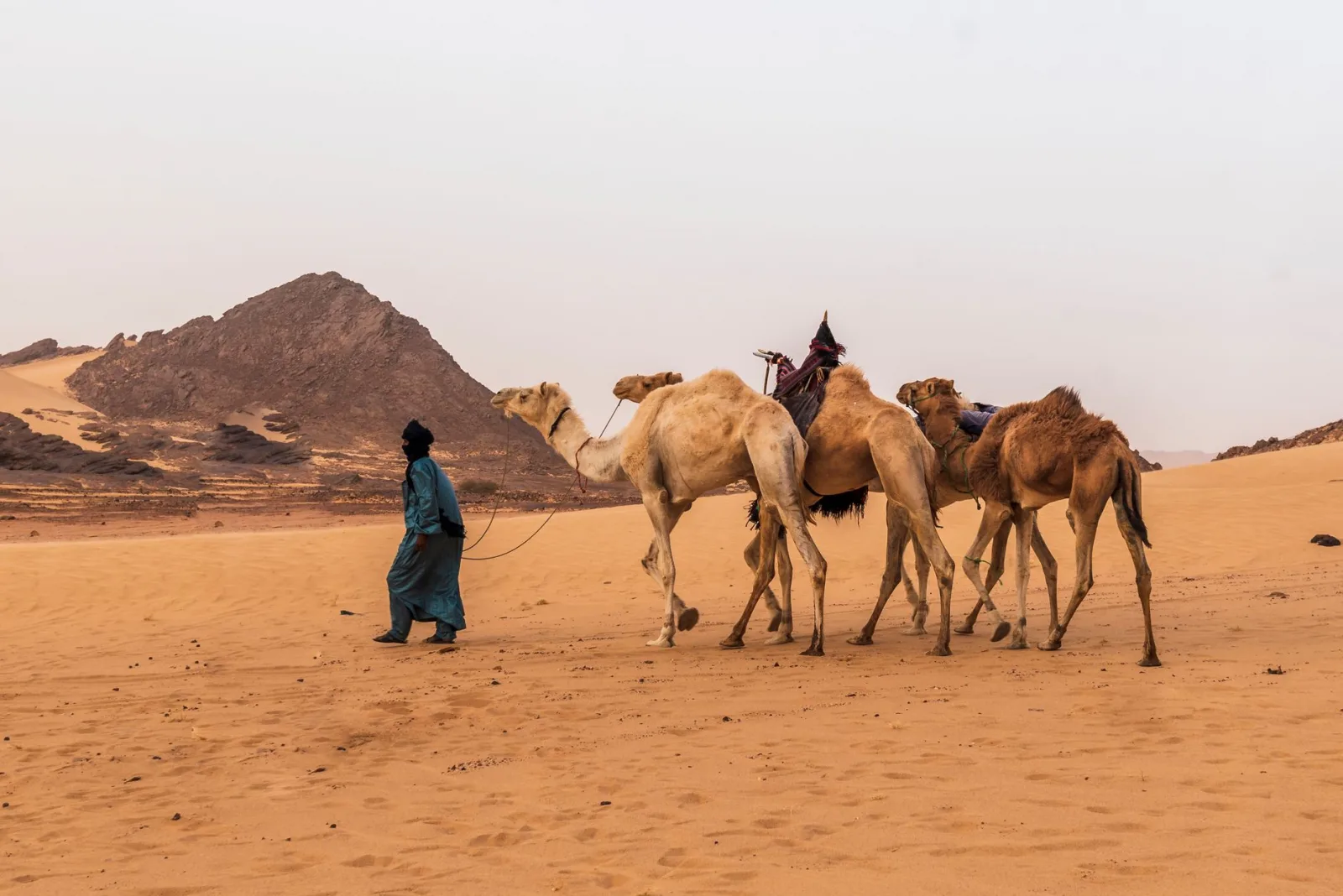
The ancient trade routes of the Arabian Peninsula were not merely paths for caravans; they were arteries of commerce and culture that connected distant civilizations. These routes facilitated the exchange of goods, ideas, and innovations from the Mediterranean to India. Picture a vast network of caravans stretching across arid deserts and over rugged mountains, transporting spices, textiles, and precious metals. This interconnectedness played a vital role in the region’s development.
Historical Context and Significance
To appreciate the significance of these routes, it’s essential to understand the historical context. The Arabian Peninsula is strategically located between continents, making it a natural crossroads for trade. Since ancient times, its merchants transported goods like frankincense and myrrh, which were highly valued in ancient Egypt and Rome. The rise and fall of empires often hinged on control of these trade routes, highlighting their importance in world history.
Key Trade Routes of the Arabian Peninsula
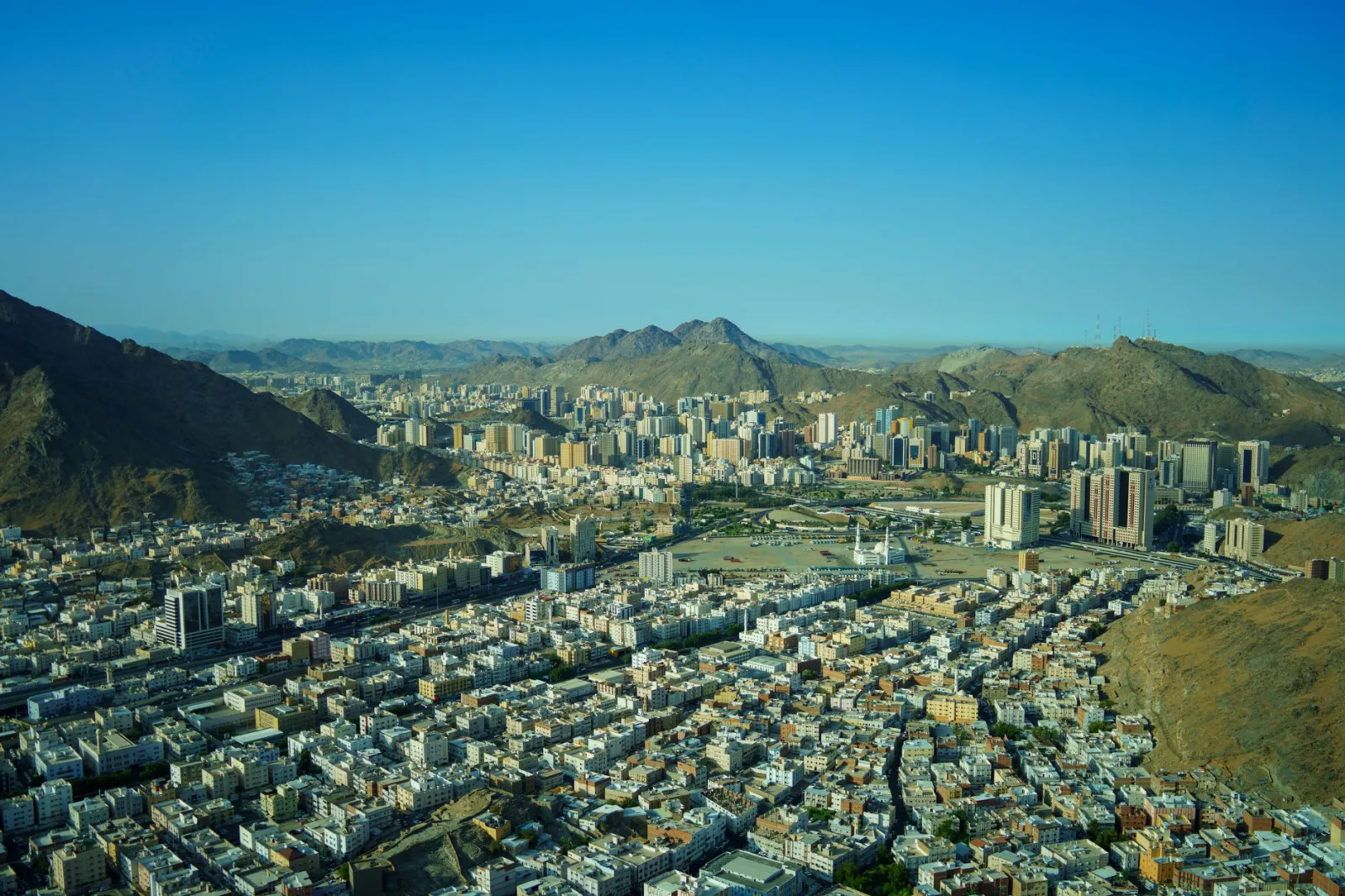
There are several key trade routes that defined the ancient landscape of commerce in the Arabian Peninsula. Let’s explore a few:
- The Incense Route: This route connected the southern Arabian Peninsula to the Mediterranean, primarily used for transporting incense from Yemen to markets in Rome and beyond. The high demand for this aromatic resin made it a lucrative trade.
- The Silk Road: Although primarily associated with Asia, segments of the Silk Road extended into the Arabian Peninsula. Merchants would exchange silk for local goods, creating a rich tapestry of cultural exchange.
- The Arabian Sea Route: This maritime route linked Arabian ports with East African and Indian markets, facilitating the trade of spices, textiles, and other commodities.
Life Along the Trade Routes
Life along these ancient trade routes was dynamic and diverse. Towns and settlements sprang up around key trading hubs, such as Petra and Palmyra. Here, merchants, artisans, and travelers converged, sharing stories, ideas, and cultural practices. This interaction often led to vibrant communities where local traditions blended with foreign influences. For instance, the architecture in these towns reflects a mix of styles from various cultures, showcasing the impact of trade.
Modern Discoveries and Hidden Histories
Today, many of these ancient trade routes remain hidden beneath the sands of time. Archaeologists continue to uncover evidence of ancient settlements, trading posts, and artifacts that tell stories of the past. Important note: If you are interested in exploring these hidden histories, visiting sites like unseen heritage sites can provide deeper insights into the region’s cultural legacy.
The Role of Geography
The geography of the Arabian Peninsula significantly influenced the trade routes. Its vast deserts posed challenges but also provided natural barriers against invaders. Mountain ranges served as conduits for trade, while coastal areas became bustling ports. This geographical diversity shaped the types of goods traded and the interactions between different cultures. Warning: When studying these routes, it’s crucial to consider how geography dictated the flow of trade and cultural exchange.
Lessons from the Past
Understanding the ancient trade routes offers valuable lessons for modern trade and globalization. The interconnectedness of these routes reminds us of the importance of cultural exchange and collaboration. As you navigate contemporary issues in trade, consider how the past informs present practices. Pro tip: You can apply these lessons to foster cooperation in your local community or business environment.
Conclusion: The Legacy of Ancient Trade Routes
The ancient trade routes of the Arabian Peninsula are more than historical pathways; they symbolize the human spirit of exploration and connection. By uncovering this hidden history, we gain insights into the cultural exchanges that have shaped civilizations. As you explore these routes and their stories, remember that each journey is a bridge between past and present, inviting you to appreciate the rich tapestry of human experience.