





Understanding Artisan Villages
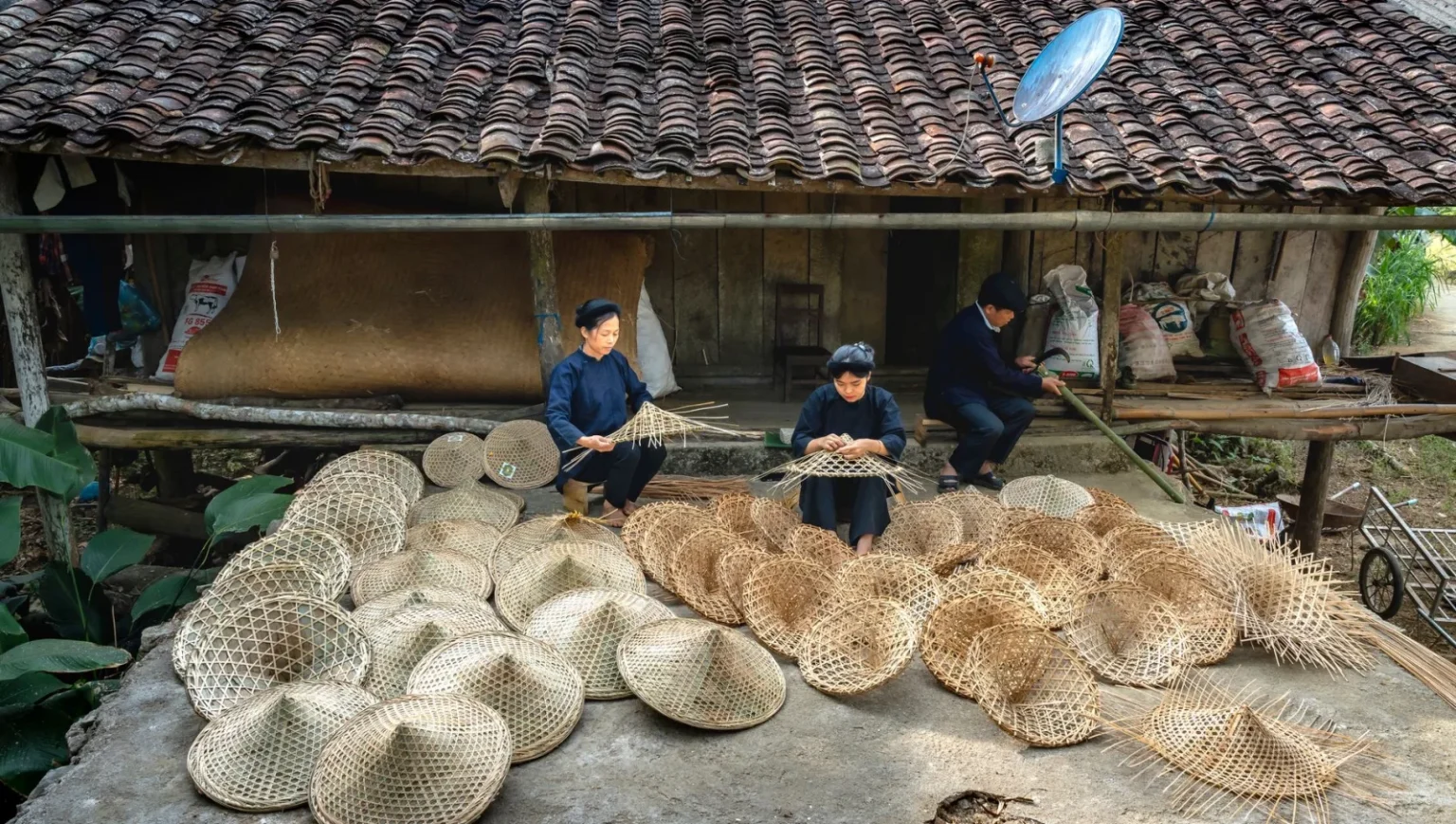
Artisan villages are small communities where traditional crafts and skills are preserved and practiced. These places often reflect the unique cultural heritage of their region, showcasing handcrafted goods that tell stories of past generations. In the Arabian Peninsula, artisan villages provide a glimpse into the local craftsmanship that often goes unnoticed amid the hustle and bustle of more commercialized tourist spots.
Why Explore Artisan Villages?
Visiting artisan villages not only supports local economies but also allows you to experience the authentic culture of the Arabian Peninsula. In these villages, you can witness craftsmen at work, learn about their techniques, and even participate in workshops. This hands-on experience deepens your understanding of the region’s traditions and enhances your appreciation for their artistry.
Notable Artisan Villages in the Arabian Peninsula
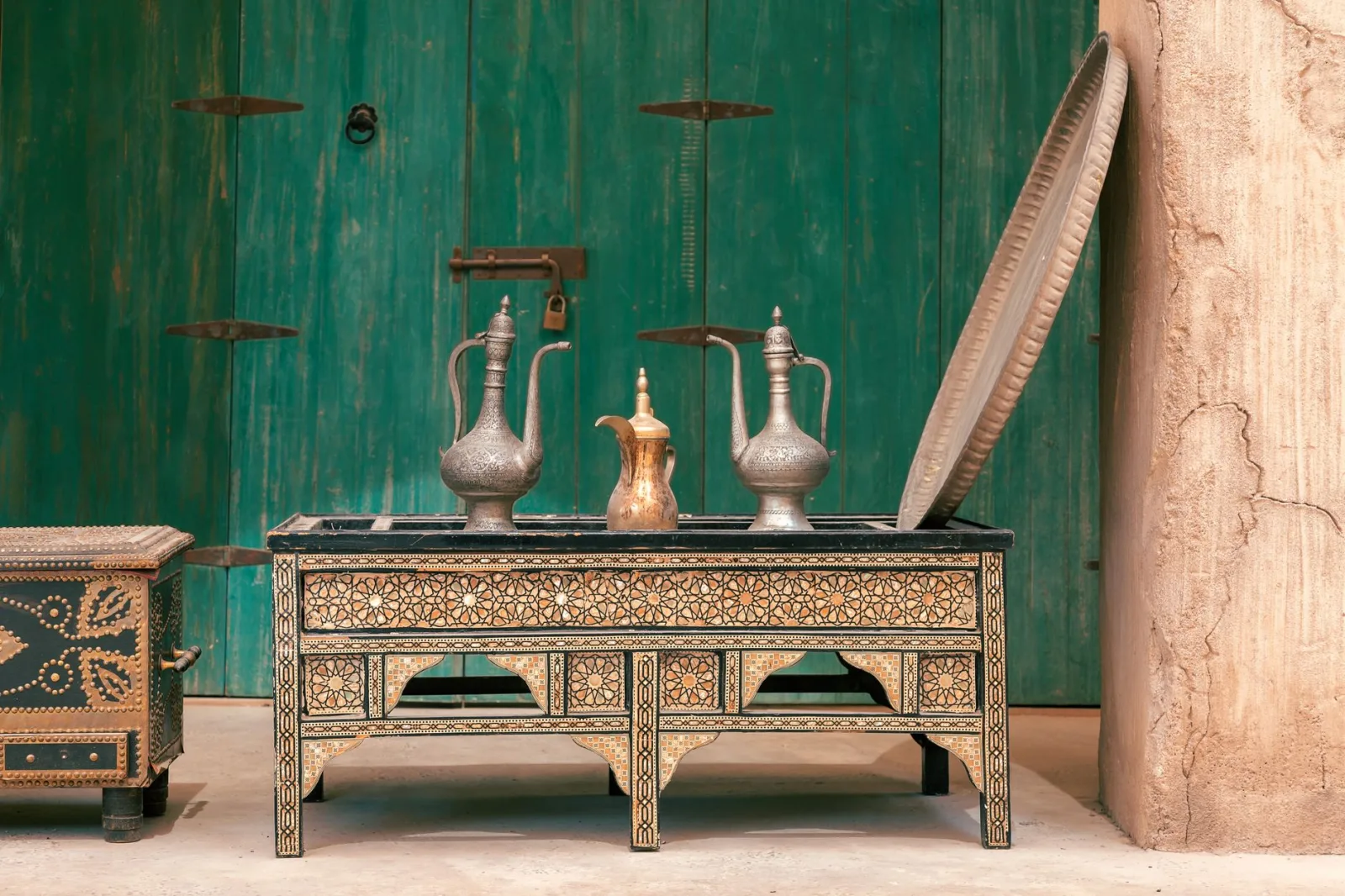
Several artisan villages across the Arabian Peninsula are worth exploring. Here are a few notable ones:
- Al-Sadu Weaving Village, Kuwait: This village is renowned for its traditional Bedouin weaving techniques. Here, you can learn about the intricate patterns and symbolism behind each piece, often made from goat hair and dyed with natural colors.
- Al-Ahsa, Saudi Arabia: Known for its palm weaving and pottery, Al-Ahsa is a UNESCO World Heritage site. The village offers workshops where you can try your hand at these crafts, guided by skilled artisans who share their ancestral knowledge.
- Qatar’s Souq Waqif: Although a market rather than a village, it’s a hub for local artisans. You’ll find stalls showcasing traditional crafts, from intricate jewelry to handmade textiles. Engage with the artisans to understand their craft.
- Omani Pottery Village, Nizwa: Famed for its pottery, Nizwa allows visitors to see potters shaping clay into beautiful pieces. You might even get a chance to throw a pot on the wheel yourself!
How to Prepare for Your Visit
Before venturing into these hidden gems, consider the following tips to enhance your experience:
- Research: Familiarize yourself with the specific crafts of the village you plan to visit. Understanding the background enriches your interaction with artisans.
- Respect Local Customs: Each village has its own set of traditions. Dress modestly and be mindful of local customs, especially when photographing artisans.
- Learn Basic Arabic Phrases: While many artisans speak English, knowing a few Arabic phrases can help build rapport and show your interest in their culture.
- Plan Your Timing: Visit during the day when artisans are most active. Early mornings are often the best time to witness the craftsmanship in action.
Experiencing Hidden Craftsmanship
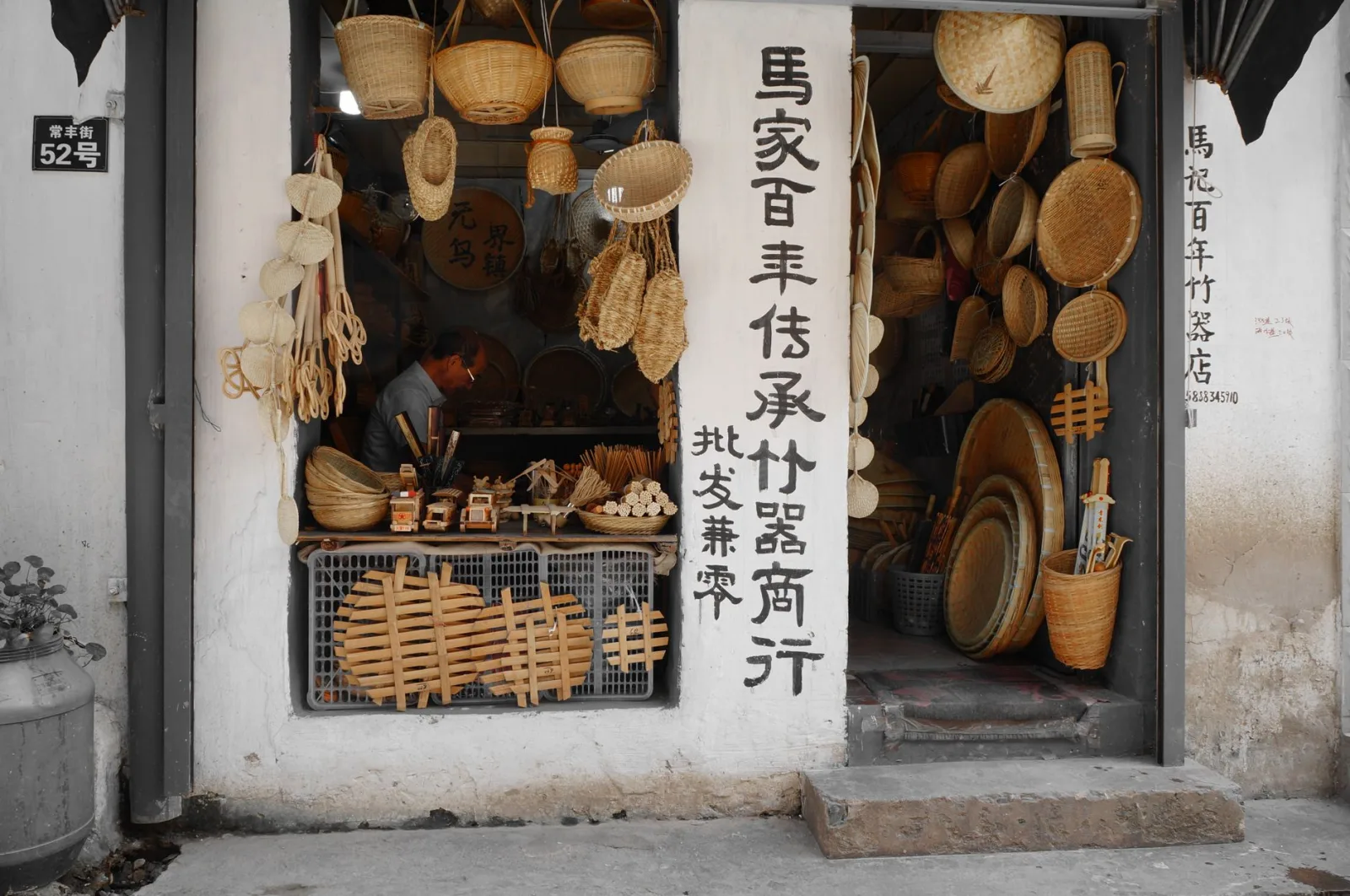
As you explore these villages, you’ll notice that the craftsmanship extends beyond mere aesthetics. Many artisans employ techniques passed down through generations, often using locally sourced materials. For example, in Al-Sadu Weaving Village, the use of natural dyes reflects a commitment to sustainability and a deep connection to the environment.
Additionally, many crafts are imbued with cultural significance. In Nizwa, pottery is often adorned with traditional Omani motifs that tell stories of heritage and identity. This connection between craft and culture is a vital aspect of what makes these artisan villages special. You are not just purchasing a product; you are taking home a piece of history.
Participating in Workshops
One of the most enriching experiences in artisan villages is participating in workshops. These hands-on sessions allow you to learn directly from the masters. Here’s how to make the most of it:
- Choose Your Craft: Decide if you want to learn weaving, pottery, or another craft. Each artisan has a unique style and technique, so consider what interests you most.
- Be Open to Learning: Approach the workshop with an open mind. The process may be challenging, but it’s a valuable learning experience.
- Ask Questions: Don’t hesitate to ask artisans about their craft. They often enjoy sharing their stories and insights.
Engaging with the Local Culture
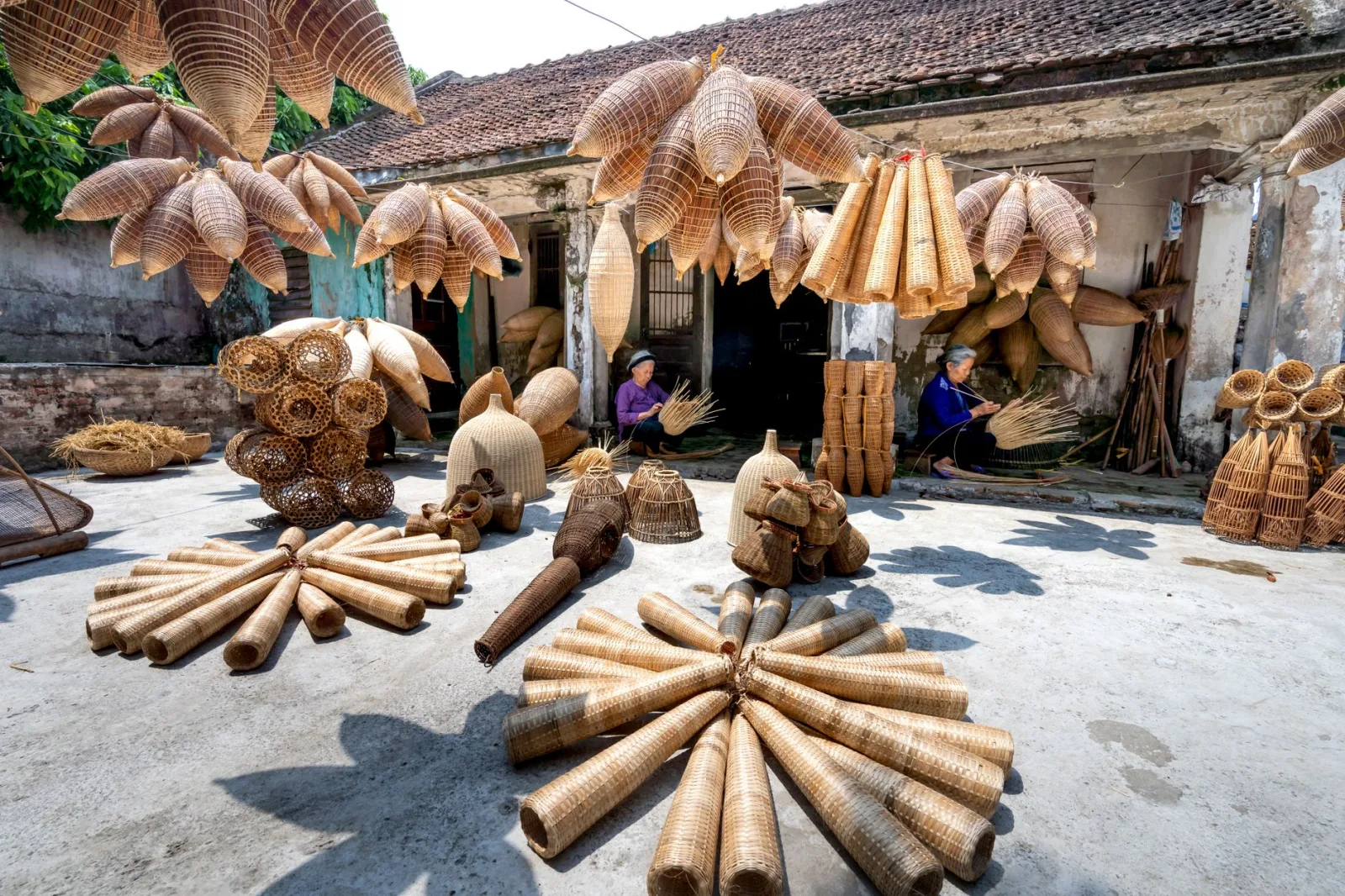
While craftsmanship is the main draw, engaging with the local culture is equally important. Take time to explore the surrounding community. Visit local markets, try traditional foods, and interact with residents to gain a deeper understanding of Arabian Peninsula culture.
In the Al-Ahsa region, for instance, you can explore local date farms, which are integral to the area’s economy and culture. Learning about the significance of dates in traditional diets can give you another layer of insight into the village’s lifestyle.
Summary and Key Takeaways
Exploring the hidden artisan villages of the Arabian Peninsula offers an authentic travel experience that goes beyond typical tourist attractions. Here’s a recap of what you should keep in mind:
- Artisan villages are hubs of traditional craftsmanship and cultural heritage.
- Visiting these villages supports local economies and helps preserve traditional skills.
- Prepare for your visit by researching local customs and learning basic Arabic phrases.
- Participating in workshops can provide hands-on experiences that deepen your understanding of local craftsmanship.
- Engaging with the local culture enriches your overall experience and appreciation of the region.
By taking the time to explore these hidden gems, you not only discover the rich tapestry of the Arabian Peninsula’s craftsmanship but also contribute to the preservation of its cultural heritage.