




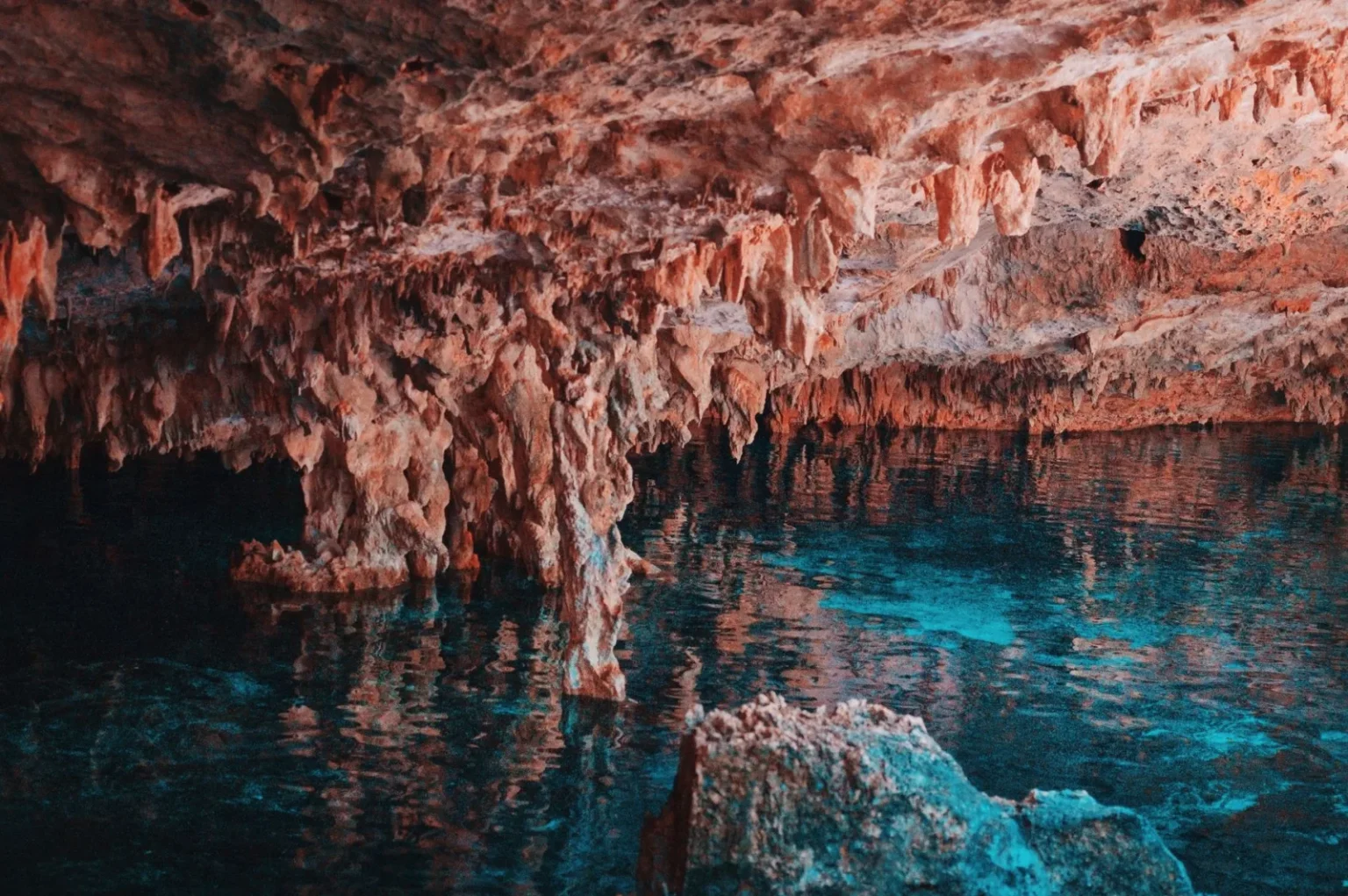

Discovering Hidden Caves: An Overview
The Arabian Peninsula is renowned for its vast deserts and vibrant culture, but beneath its surface lie remarkable hidden caves waiting to be explored. These natural wonders offer not only breathtaking beauty but also a glimpse into the geological history of the region. As you embark on this journey, understanding the significance and characteristics of these caves will enhance your adventure.
Why Explore Hidden Caves?
Exploring hidden caves provides a unique opportunity to connect with nature and experience places often overlooked by mainstream tourism. You can witness stunning rock formations, intricate stalactites, and stalagmites, which have formed over thousands of years. Additionally, many of these caves are home to diverse ecosystems, offering insights into local flora and fauna. For example, the Al Hoota Cave in Oman showcases a variety of underground life, including unique insects and delicate cave-dwelling fish.
Top Hidden Caves in the Arabian Peninsula
Several hidden caves across the Arabian Peninsula are worth discovering. Here are a few notable ones:
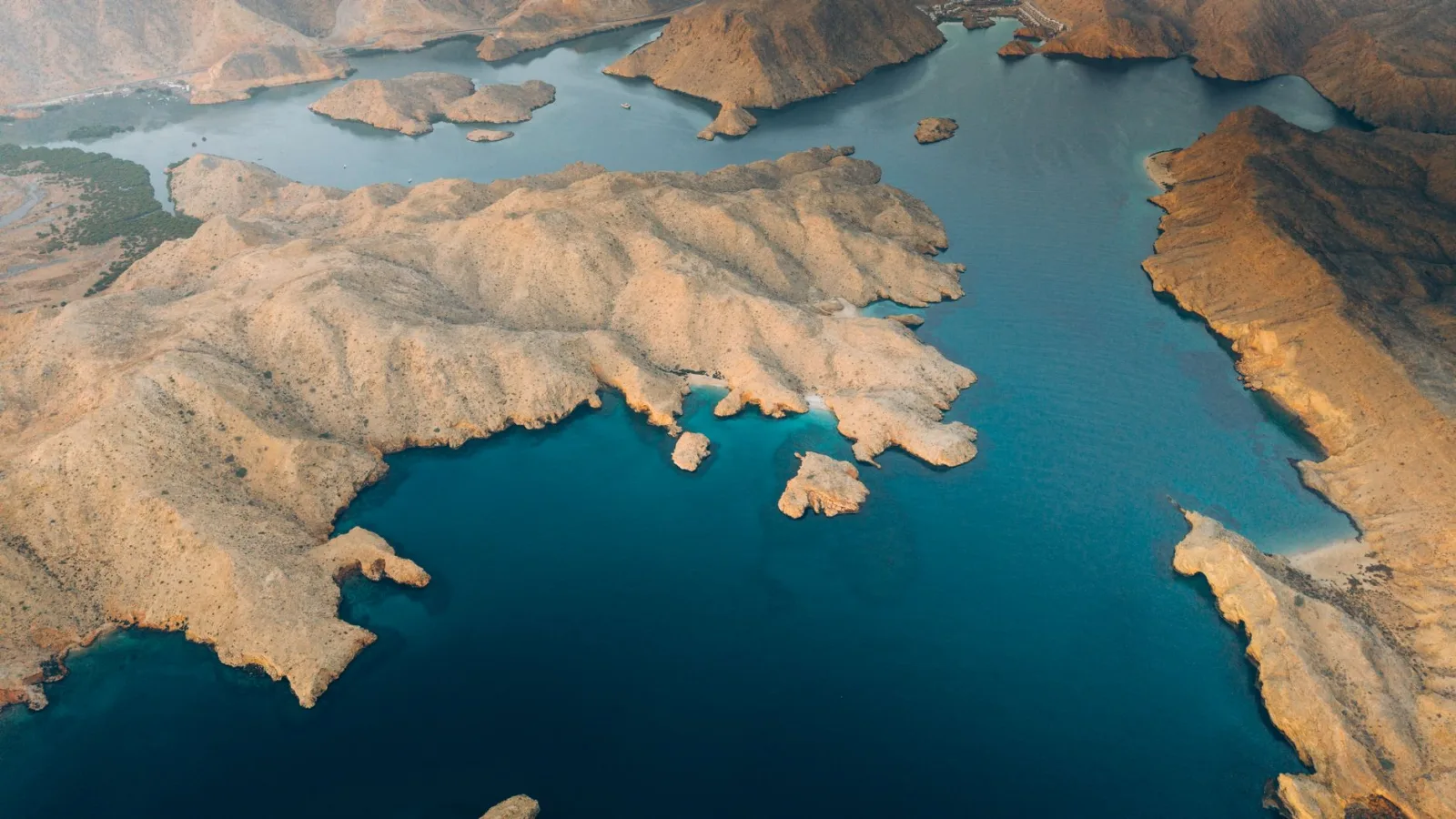
1. Al Hoota Cave, Oman
Located near the Hajar Mountains, Al Hoota Cave is one of the most accessible and well-known caves in Oman. The cave features a stunning underground lake and guided tours that reveal its geological features. Pro tip: Visit during the cooler months to enjoy a more comfortable exploration experience.
2. Jebel Akhdar Caves, Oman
These caves are located in the stunning Jebel Akhdar region, known for its dramatic landscapes. The caves are often less crowded, making them perfect for those seeking solitude. Important note: Prepare for a hike; the reward is worth the effort as you’ll be surrounded by breathtaking views.
3. Al Qarah Caves, Saudi Arabia
Situated in the Eastern Province, the Al Qarah Caves are a lesser-known gem. The cave complex boasts unique rock formations and is easily accessible from the nearby town of Al Qarah. Additionally, the caves provide a fascinating glimpse into the region’s geological past. Warning: Be mindful of slippery surfaces within the caves.
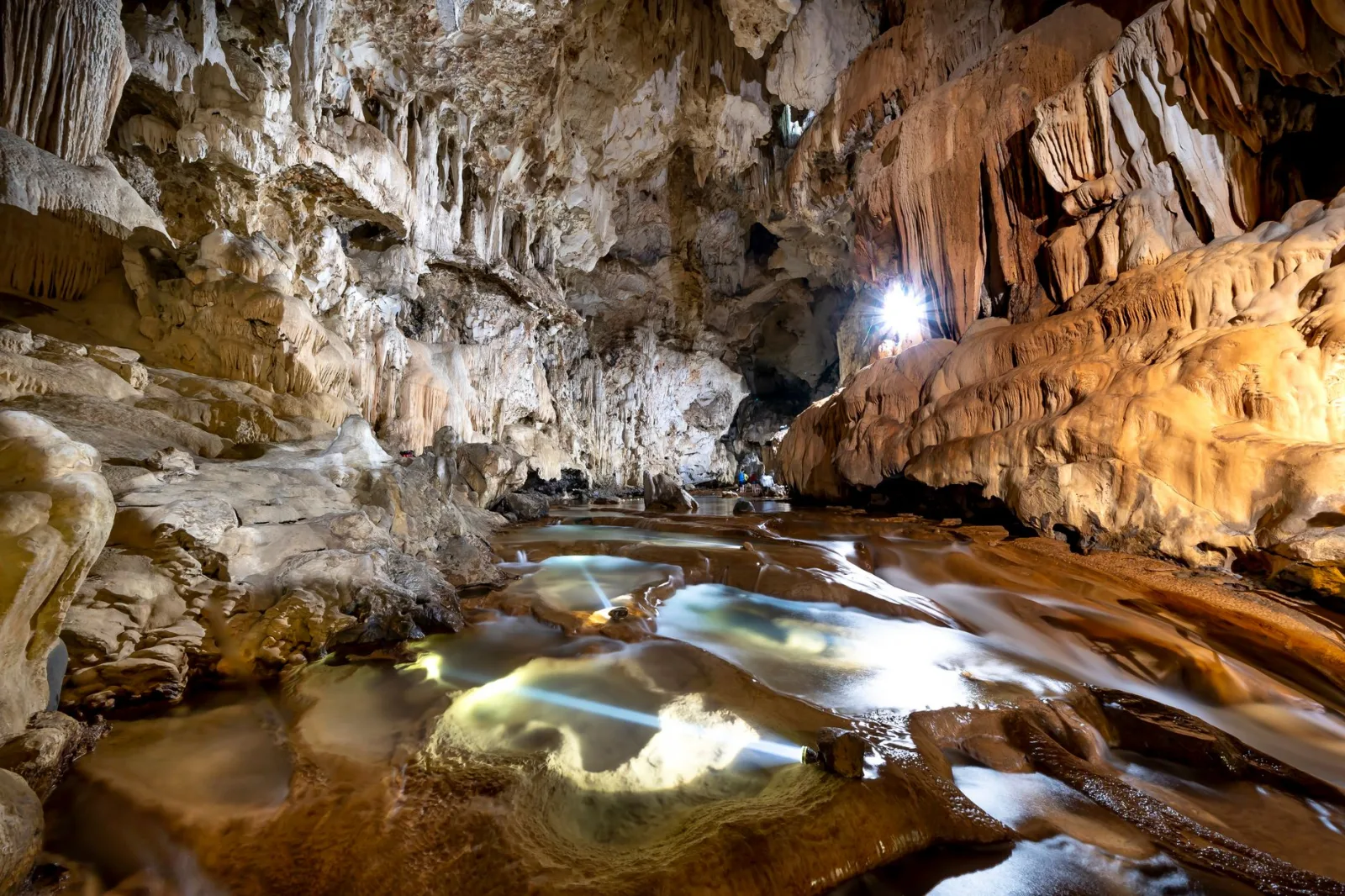
4. Al Shafa Cave, Saudi Arabia
This cave is not only a natural wonder but also a cultural site. Local legends surround Al Shafa Cave, making it a fascinating place to explore both its natural beauty and its cultural significance. On the other hand, ensure you have proper gear, as some areas require climbing.
5. The Cave of the Seven Sleepers, Yemen
Rich in history and legend, the Cave of the Seven Sleepers is a prominent site in Yemen. While it may require a bit more effort to reach, the journey is steeped in cultural significance. Therefore, consider visiting with a local guide to fully appreciate the stories and history behind the site.
Planning Your Cave Adventure
Once you’ve identified the caves you want to explore, the next step is planning your adventure. Here’s how to do it effectively:
- Research: Look up each cave’s accessibility, best visiting times, and any required permits. Additionally, familiarize yourself with safety guidelines for cave exploration.
- Gear Up: Ensure you have appropriate gear such as sturdy hiking boots, a headlamp, and sufficient water. Important note: Caves can be damp and cold, so dress in layers.
- Travel Responsibly: When visiting hidden caves, respect the environment. Avoid disturbing local wildlife and adhere to Leave No Trace principles.
- Consider a Guide: For less accessible caves, hiring a local guide can enhance your experience. They can provide valuable insights and ensure your safety during the exploration.
- Safety First: Always inform someone of your plans before heading into caves. It’s crucial to have a backup plan in case of emergencies.
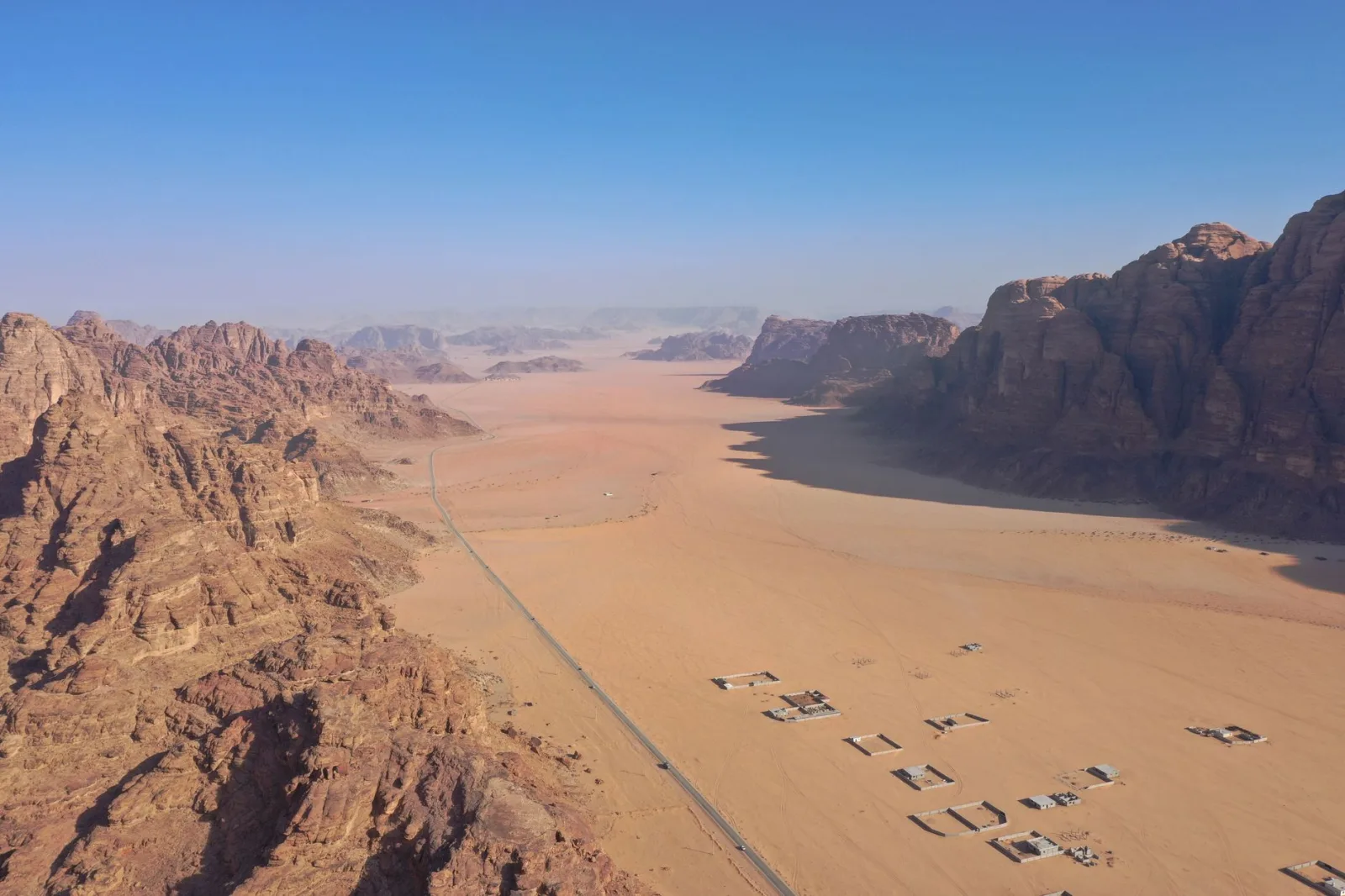
Ecological Importance of Caves
Caves serve as essential ecosystems, supporting various species that have adapted to underground life. They play a vital role in maintaining biodiversity, as many cave-dwelling organisms are unique to their environments. In addition, caves can act as natural water reservoirs, supporting regional ecosystems. Understanding this aspect of hidden caves enhances your appreciation of these natural wonders.
Combining Caves with Cultural Exploration
While exploring hidden caves, consider combining your adventure with visits to nearby cultural sites. For instance, the Al Hoota Cave is close to traditional Omani villages, where you can experience local customs and cuisine. Additionally, engaging with local artisans can deepen your understanding of the culture. To learn more about local craftsmanship, check out Unveiling the Hidden Artisans of the Arabian Peninsula.
Key Takeaways
Exploring the hidden caves of the Arabian Peninsula offers an enriching experience filled with natural beauty and cultural significance. As you prepare for your adventure, remember to prioritize safety, respect the environment, and engage with local culture. By following these guidelines and recommendations, you can create lasting memories while discovering the hidden gems of the region.