




Understanding Desert Art
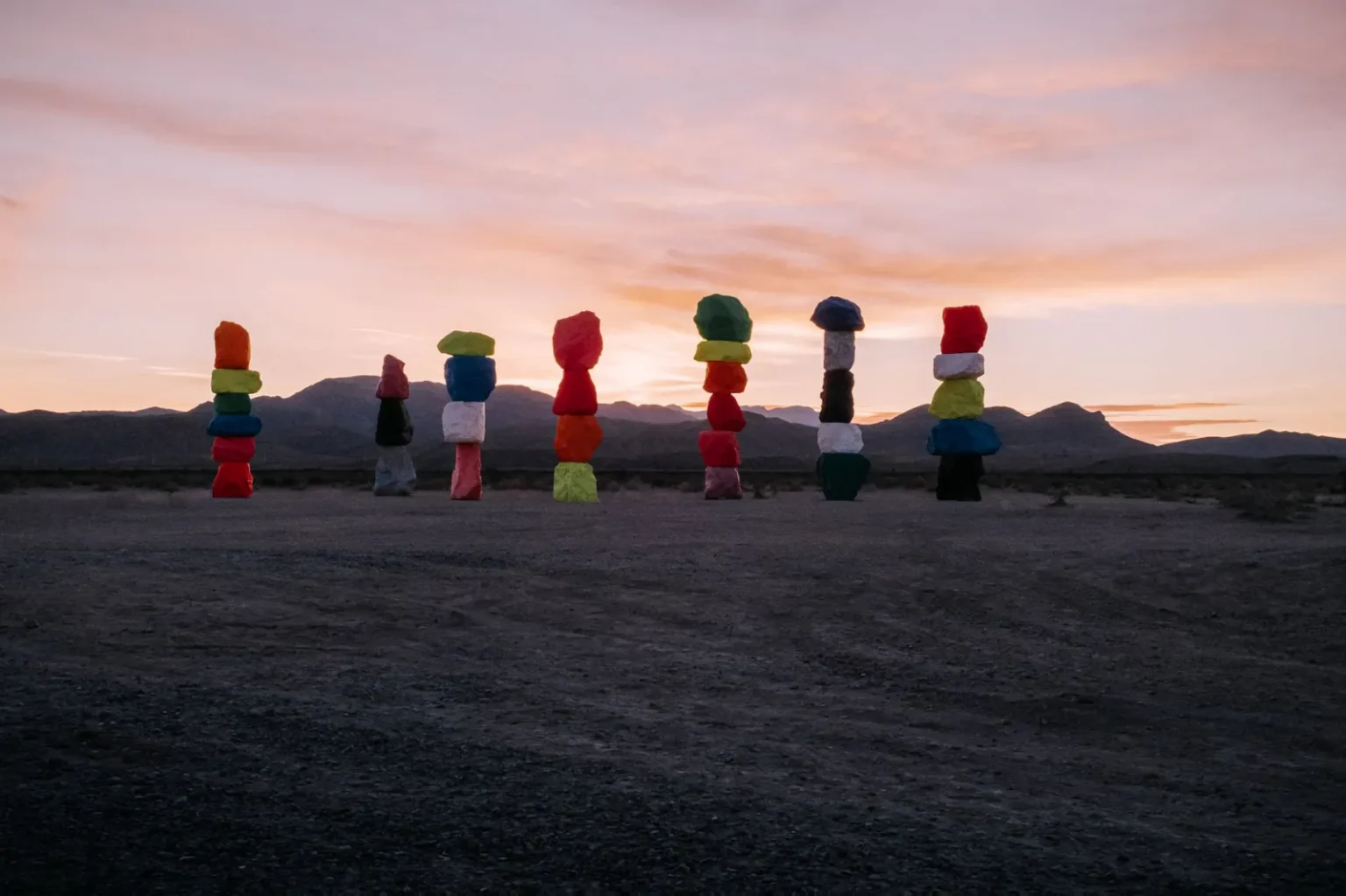
Desert art refers to creative expressions found in arid environments, often blending seamlessly with the natural landscape. This form of art can be both temporary and permanent, ranging from sculptures and murals to installations that interact with the environment. The Arabian Peninsula, with its vast deserts, offers a unique backdrop where art and nature converge.
Why Explore Hidden Installations?
Hidden installations provide a sense of discovery that mainstream art venues may lack. When you venture off the beaten path, you encounter art that reflects local culture, history, and the environment. These artworks often resonate with the landscape, creating a dialogue between nature and creativity. For instance, the use of local materials not only grounds the art in its environment but also tells a story of the region’s heritage.
Notable Hidden Desert Art Installations
1. **The Desert Breath Project, Egypt**: Located near the coastal city of El Gouna, this monumental earthwork is a breathtaking spiral formation made from sand and earth. It’s an example of how desert art interacts with the natural terrain, creating a stunning visual from above.
2. **The Earthworks of Al Ula, Saudi Arabia**: This area is renowned for its rock formations and archaeological sites. Artists have created installations that harmonize with the ancient landscape, inviting visitors to reflect on the passage of time and the relationship between humans and nature.
3. **Desert X AlUla, Saudi Arabia**: This biennial exhibition features contemporary art installations by various artists, aimed at engaging with the unique desert environment. The artworks are often temporary, encouraging repeat visits to witness the evolution of the art.
Planning Your Journey
To explore these hidden desert art installations effectively, consider the following steps:
1. **Research**: Before your trip, familiarize yourself with the locations of various installations. Websites like TripHush can provide insights into hidden gems within the Arabian Peninsula.
2. **Timing**: The best time to visit the Arabian deserts is during the cooler months, typically from October to April. This allows for comfortable exploration without the harsh summer heat.
3. **Local Guidance**: Engaging with local guides can enhance your experience. They often provide valuable context about the art and its significance, which can deepen your understanding.
4. **Respect the Environment**: Remember that many of these installations are situated in fragile ecosystems. Always follow the Leave No Trace principles to preserve the beauty of these hidden gems.
Connecting with Local Culture
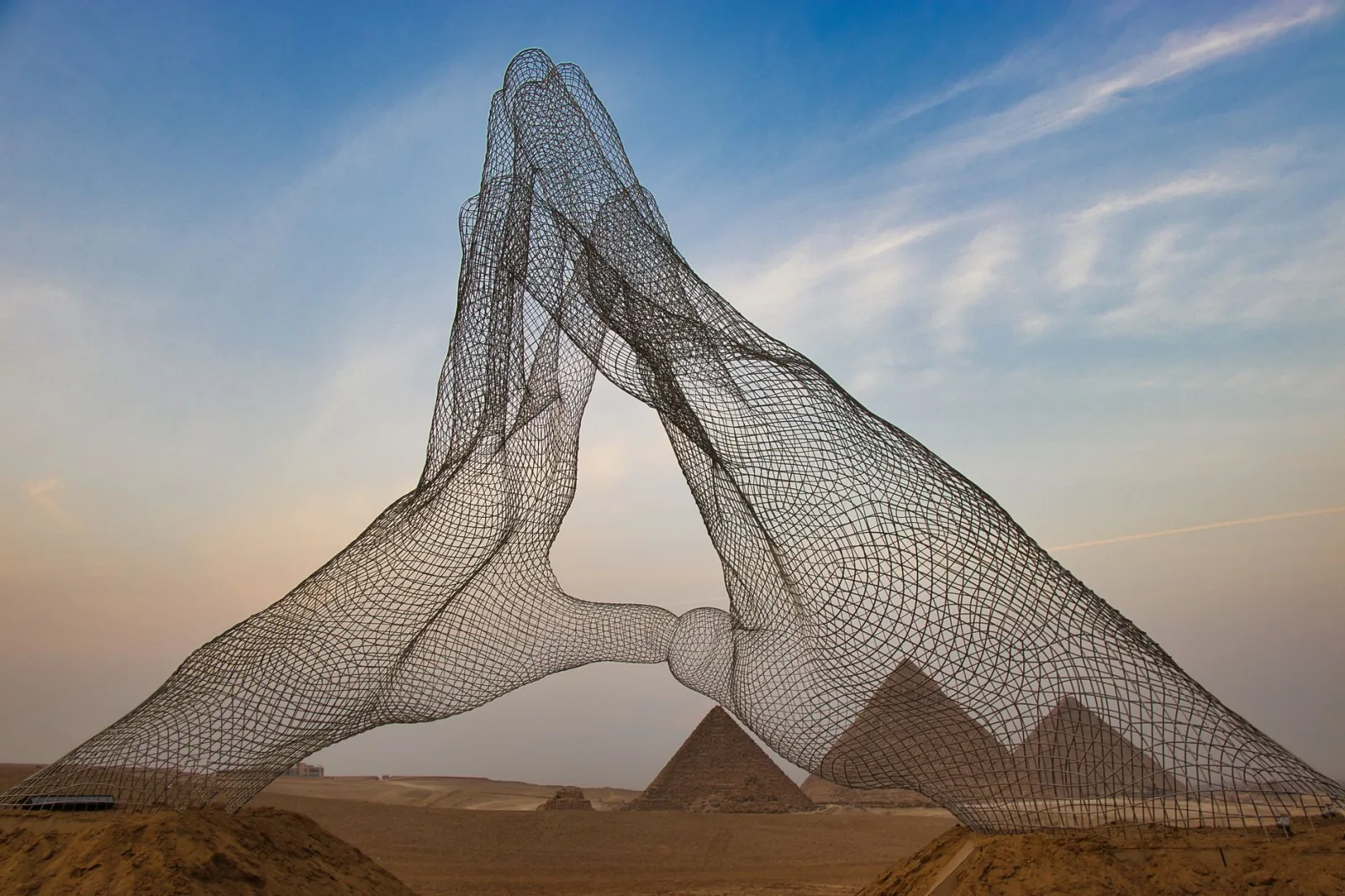
Art in the desert is not just about the installations themselves; it’s also about the stories they tell. Often, these artworks are inspired by local traditions, folklore, and the natural surroundings. For example, installations may incorporate motifs from Bedouin culture, reflecting a deep connection to the land.
Additionally, consider attending local festivals or events that celebrate art and culture. These gatherings offer opportunities to meet artists and learn about their inspirations, providing a richer context for the installations you visit.
Photography Tips for Capturing Desert Art
Capturing the essence of desert art can be challenging yet rewarding. Here are some practical tips:
1. **Golden Hour**: The best time to photograph art installations is during the golden hour—shortly after sunrise or before sunset. The soft light enhances colors and shadows, adding depth to your images.
2. **Composition**: Use the natural lines of the landscape to frame your shots. Leading lines can guide the viewer’s eye toward the artwork, creating a compelling composition.
3. **Include Context**: Don’t just focus on the art; include elements of the surrounding landscape. This helps convey the scale and relationship between the installation and its environment.
4. **Experiment with Angles**: Try different perspectives to find unique angles. Low shots can emphasize the artwork’s connection to the sand, while higher vantage points may offer a broader view of the installation in its setting.
Concluding Thoughts
Exploring the hidden desert art installations of the Arabian Peninsula is not just about viewing art; it’s about experiencing a dialogue between creativity and the natural world. Each installation tells a story, inviting you to connect with the culture and landscape of the region. Remember to approach your journey with curiosity and respect for the environment. As you venture into the sand, you may discover not just artworks but a deeper understanding of the desert’s beauty and the creativity it inspires.
In summary, desert art in the Arabian Peninsula offers a unique perspective on culture and creativity in one of the world’s most stunning landscapes. By planning your journey thoughtfully and engaging with local contexts, you can uncover hidden gems that resonate deeply with both nature and art.