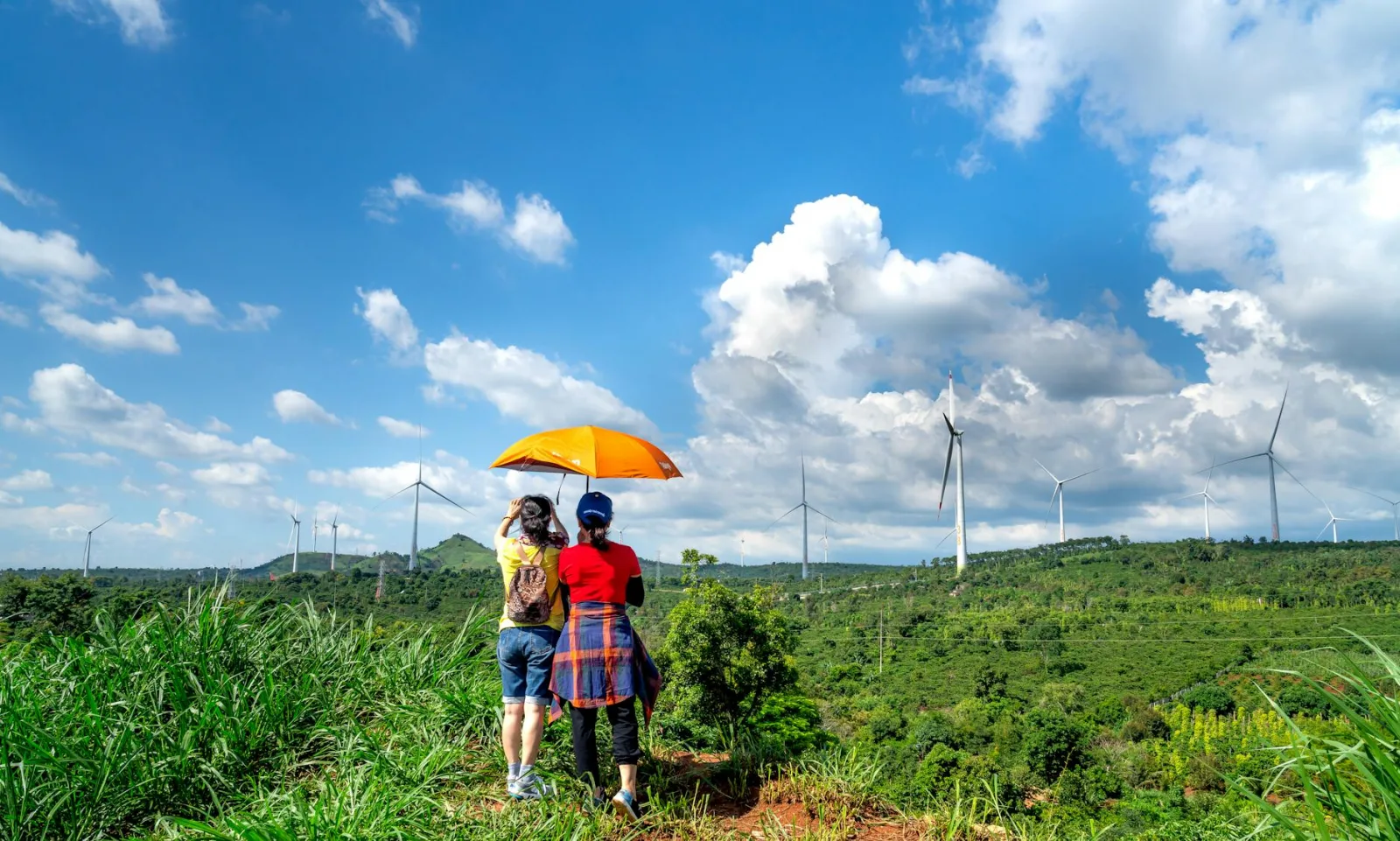
Eco-tourism emphasizes responsible travel to natural areas, conserving the environment, and improving the well-being of local communities. In the Arabian Peninsula, eco-tourism is gaining traction as travelers seek authentic experiences that support sustainability. This region, rich in culture and biodiversity, offers numerous opportunities to explore lesser-known destinations that prioritize environmental stewardship.
Engaging in eco-tourism allows you to immerse yourself in unique ecosystems while minimizing your environmental impact. Unlike traditional tourism, which often depletes resources and disrupts local communities, eco-tourism aims to protect natural habitats and promote sustainable practices. By choosing eco-friendly options, you support conservation efforts and help preserve these areas for future generations.
2. Hidden Gems of Eco-Tourism in Saudi Arabia
Saudi Arabia, often recognized for its monumental cities, also harbors various eco-tourism spots that remain undiscovered by many. Here are a few noteworthy destinations:
📷 Quang Nguyen Vinh – Pexels
AlUla: The Oasis of History and Nature
AlUla is a UNESCO World Heritage site, known for its stunning rock formations and archaeological significance. The region offers eco-friendly guided tours that focus on preserving its natural beauty and promoting local culture. You can hike through the canyons or explore ancient Nabatean tombs while learning about the area’s history. Pro tip: Visit during cooler months to enjoy the outdoors comfortably.
Farasan Islands: Marine Paradise
Located in the Red Sea, the Farasan Islands are a haven for marine life, making them ideal for eco-tourists interested in snorkeling and diving. The islands are home to diverse coral reefs and a variety of fish species. You can participate in conservation programs that aim to protect these ecosystems while enjoying the tranquility of the less-crowded beaches. Important note: Ensure you follow guidelines to avoid damaging the reefs.
3. Discovering the Natural Wonders of Oman
Oman is another Arabian Peninsula gem that boasts breathtaking landscapes and eco-tourism opportunities. The country is known for its commitment to preserving its natural heritage. Here are a couple of highlights:
The Wahiba Sands is an excellent example of sustainable tourism. Local Bedouin communities offer eco-friendly camping experiences, allowing you to connect with nature while learning about their traditions. Activities such as dune bashing, camel rides, and stargazing provide a unique perspective on the desert’s beauty. Common mistake: Avoid overpacking, as you’ll want to travel lightly in the sands.
📷 Walter Alejandro – Pexels
Jebel Shams: The Grand Canyon of Oman
Jebel Shams, the highest mountain in Oman, offers stunning views and eco-friendly hiking trails. Guided treks provide insights into the region’s flora and fauna, making it an educational experience as well. These tours are designed to minimize environmental impact, promoting responsible travel practices. The next step is to pack appropriate hiking gear and prepare for varying weather conditions.
4. Sustainable Practices to Follow While Traveling
To ensure your eco-tourism experience is sustainable, consider the following practices:
Choose Eco-Friendly Accommodations: Look for hotels and lodges that prioritize sustainability, such as those using renewable energy and promoting waste reduction.
Support Local Businesses: Engage with local artisans and vendors to contribute to the community’s economy. For instance, explore hidden culinary trails that showcase authentic food experiences.
Practice Leave No Trace: Always clean up after yourself, respect wildlife, and stay on designated paths to minimize your impact on the environment.
5. Engaging with Local Cultures Responsibly
One of the core aspects of sustainable travel is engaging with local cultures respectfully. Here are some tips to enhance your experience:
Learn Basic Local Phrases: Knowing a few words in Arabic can help you connect with locals and show appreciation for their culture.
Participate in Cultural Activities: Seek out workshops or events that allow you to learn about local traditions, such as pottery-making or traditional music.
Be Mindful of Customs: Respect local customs and dress codes, particularly in rural areas or religious sites.
📷 Pavel Danilyuk – Pexels
6. Exploring Lesser-Known Eco-Tourism Spots Beyond Saudi Arabia and Oman
The Arabian Peninsula isn’t limited to just Saudi Arabia and Oman. Other countries in the region also offer hidden eco-tourism spots worth exploring:
UAE: Hatta’s Eco-Tourism Initiatives
Hatta, located in the Hajar Mountains, is known for its eco-friendly initiatives, including hiking trails and kayaking opportunities. The area promotes environmental awareness and encourages visitors to appreciate its natural beauty. You might consider a guided kayaking tour to explore the stunning Hatta Dam, which showcases the importance of water conservation in the region.
Qatar: The Al Thakira Mangroves
The Al Thakira Mangroves are an excellent spot for eco-tourists interested in birdwatching and kayaking. These mangroves provide a habitat for various bird species and are crucial for coastal protection. Engaging in guided eco-tours allows you to learn about the significance of mangroves in the ecosystem and the importance of preserving them.
7. Key Takeaways for Eco-Tourism in the Arabian Peninsula
As you plan your eco-tourism adventure in the Arabian Peninsula, remember these essential points:
Eco-tourism offers a responsible way to travel while supporting local communities.
Explore lesser-known destinations to enjoy authentic experiences away from the crowds.
Adopt sustainable practices to minimize your environmental impact.
Engage with local cultures respectfully to enrich your travel experience.
In conclusion, the Arabian Peninsula is home to an array of hidden gems that provide eco-tourism opportunities. By choosing these lesser-known spots, you not only contribute to the preservation of the environment but also immerse yourself in the rich cultural heritage of the region. As you embark on your journey, keep sustainability at the forefront of your travel plans to ensure a positive impact on both the places you visit and the local communities that welcome you.