




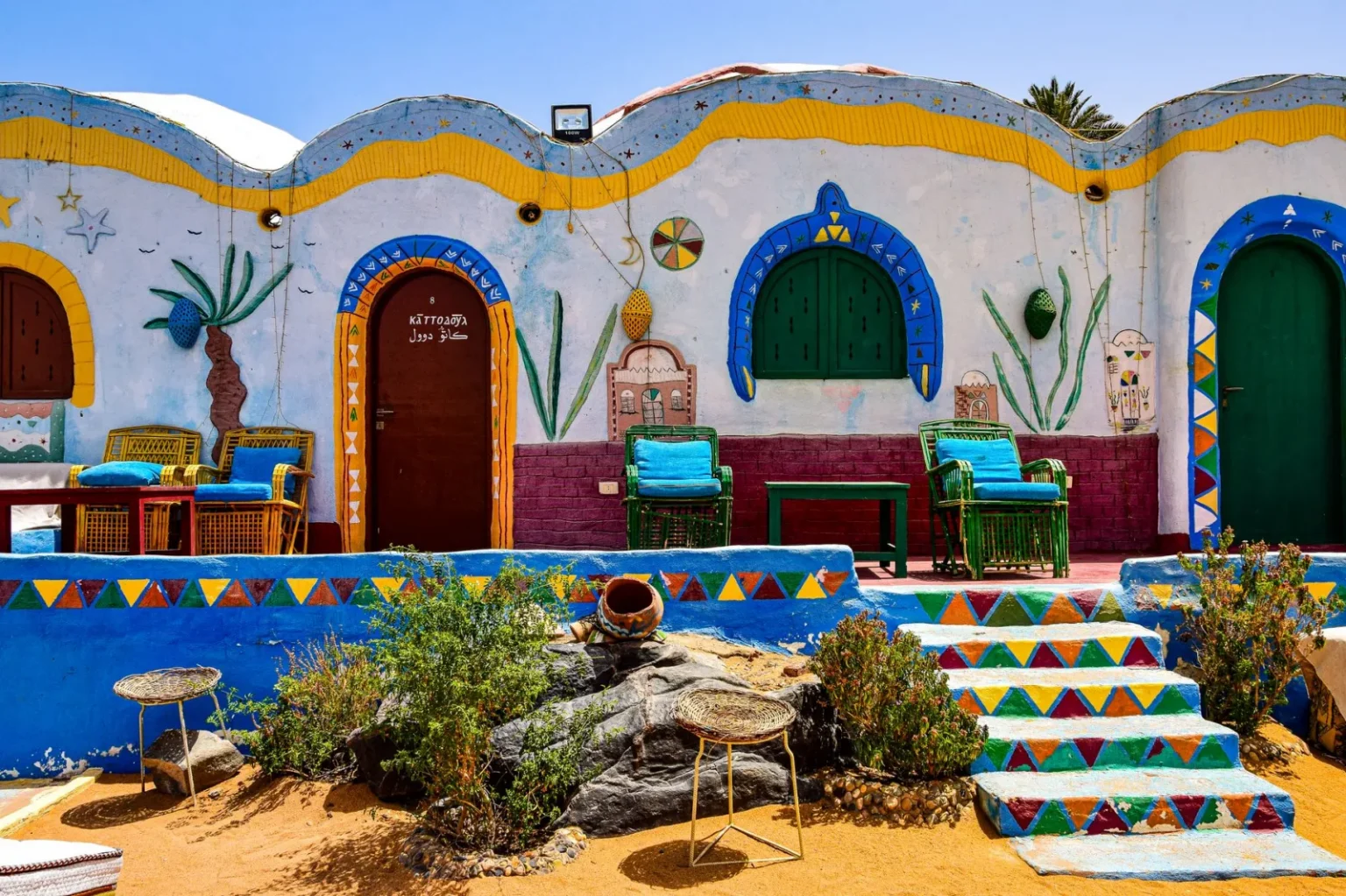

Understanding Eco-Tourism in Egypt
Eco-tourism in Egypt focuses on responsible travel to natural areas that conserves the environment and improves the well-being of local people. This form of tourism emphasizes sustainable travel practices that minimize the ecological footprint while allowing you to enjoy the region’s rich biodiversity and cultural heritage. For example, consider visiting the Red Sea, where eco-friendly resorts operate with a focus on marine conservation.
Why Choose Sustainable Travel?
Sustainable travel is not just about reducing your environmental impact; it enhances your travel experience. You engage more deeply with local communities, enjoy authentic cultural exchanges, and often find hidden gems that standard tourist paths overlook. Important note: sustainable travel practices can also lead to better economic outcomes for local populations. When you support local businesses, you contribute to the community’s financial stability.
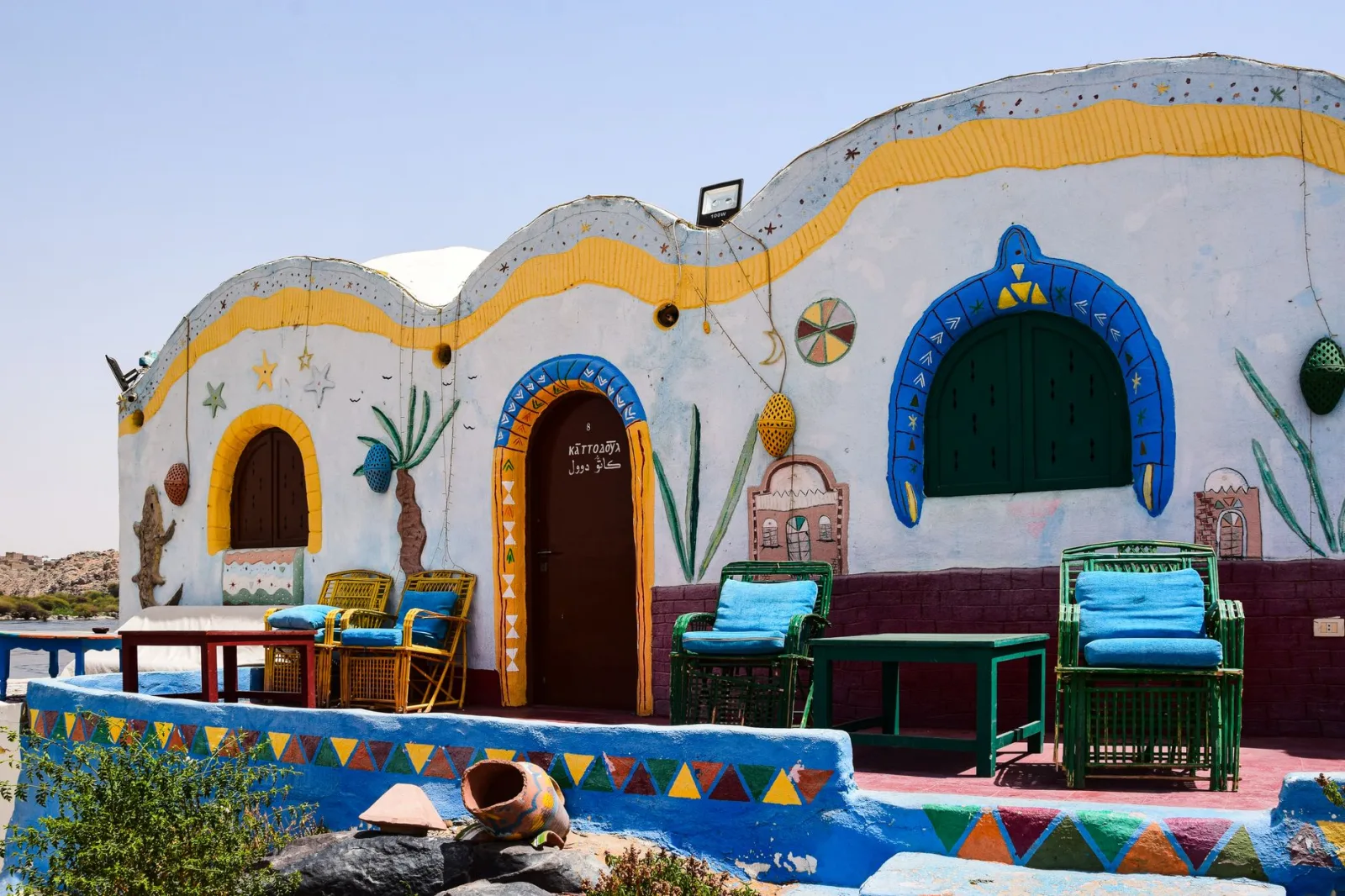
Identifying Green Destinations in Egypt
When planning your eco-friendly trip, prioritize destinations focused on sustainability. Here are a few notable green spots in Egypt:
- Siwa Oasis: Known for its unique culture and stunning landscapes, Siwa has eco-lodges that promote sustainable tourism.
- Wadi El Gemal National Park: This park is home to diverse wildlife and offers eco-tours aimed at preserving its natural beauty.
- The Red Sea: Coastal cities like Hurghada and Sharm El Sheikh feature eco-resorts that practice coral reef protection.
By visiting these locations, you contribute to the preservation of Egypt’s natural and cultural heritage.
Practical Steps for Sustainable Travel
To ensure your travel is eco-friendly, consider the following practical steps:
- Reduce Waste: Bring reusable items, such as a water bottle and shopping bag. Many places in Egypt are still grappling with plastic waste management.
- Support Local Businesses: Choose local restaurants and shops instead of international chains. This not only reduces your carbon footprint but also stimulates the local economy.
- Choose Eco-Friendly Transportation: Utilize public transportation or eco-friendly tours. For instance, take a train to explore different regions instead of flying.
- Respect Wildlife: When visiting natural habitats, maintain a safe distance and do not disturb the animals or their environments.

Common Mistakes to Avoid
As you navigate eco-tourism in Egypt, be aware of these common mistakes:
- Ignoring Local Guidelines: Always follow the guidelines set by local parks and conservation areas. These rules are in place to protect both you and the environment.
- Overlooking Cultural Sensitivity: Understand and respect local customs and traditions. This fosters goodwill and enhances your experience.
- Underestimating the Importance of Water Conservation: Egypt is a desert country; hence, water is a precious resource. Be mindful of your water usage during your stay.
Engaging with Local Communities
Connecting with local communities enhances your travel experience while promoting sustainable practices. Look for opportunities to volunteer or participate in community projects. For example, you might join a workshop on traditional crafts or attend a local cooking class. This not only supports local artisans but also allows you to learn more about Egyptian culture.

Resources for Eco-Friendly Travel in Egypt
To further assist your sustainable journey, consider these resources:
- Eco-Friendly Tour Operators: Research and choose tour operators who have a strong commitment to sustainability.
- Online Platforms: Websites dedicated to eco-tourism can provide valuable information on green accommodations and activities.
- Travel Blogs and Guides: Explore blogs like How to Find Local Experiences Beyond the Tourist Trail for first-hand insights into sustainable travel practices.
Conclusion: Embracing Eco-Tourism for a Better Tomorrow
Navigating Egypt’s eco-tourism landscape offers you the chance to explore the country’s natural wonders while making a positive impact. By embracing sustainable travel practices and supporting green destinations, you contribute to the preservation of Egypt’s rich cultural and environmental resources. As you plan your trip, remember that every small decision you make can help shape a more sustainable future for the places you visit. Key takeaways include prioritizing local experiences, avoiding common pitfalls, and engaging with communities to ensure your travel is both enriching and responsible.