






Understanding Egypt’s Cultural Heritage
Egypt’s cultural heritage is a tapestry woven from thousands of years of history, diverse traditions, and local legends. This heritage is not only seen in its ancient monuments like the Pyramids and temples but also experienced through the stories passed down through generations. As you delve into these narratives, you can gain deeper insights into the values and beliefs of the Egyptian people.
- Understanding Egypt’s Cultural Heritage
- The Role of Storytelling in Egyptian Culture
- Step 1: Exploring Local Legends
- Step 2: Visiting Storytelling Venues
- Common Mistake: Overlooking Informal Settings
- Step 3: Learning the Stories Behind Traditions
- The Impact of Legends on Modern Culture
- Pro Tip: Document Your Experiences
- Conclusion: Embracing the Stories of Egypt
The Role of Storytelling in Egyptian Culture
Storytelling in Egypt is more than entertainment; it serves as a means of preserving history and cultural identity. Traditionally, stories were shared orally in homes, coffeehouses, and during community gatherings. These tales often reflect the struggles, triumphs, and morals of daily life. Understanding this can enrich your travel experience, allowing you to connect more deeply with locals.
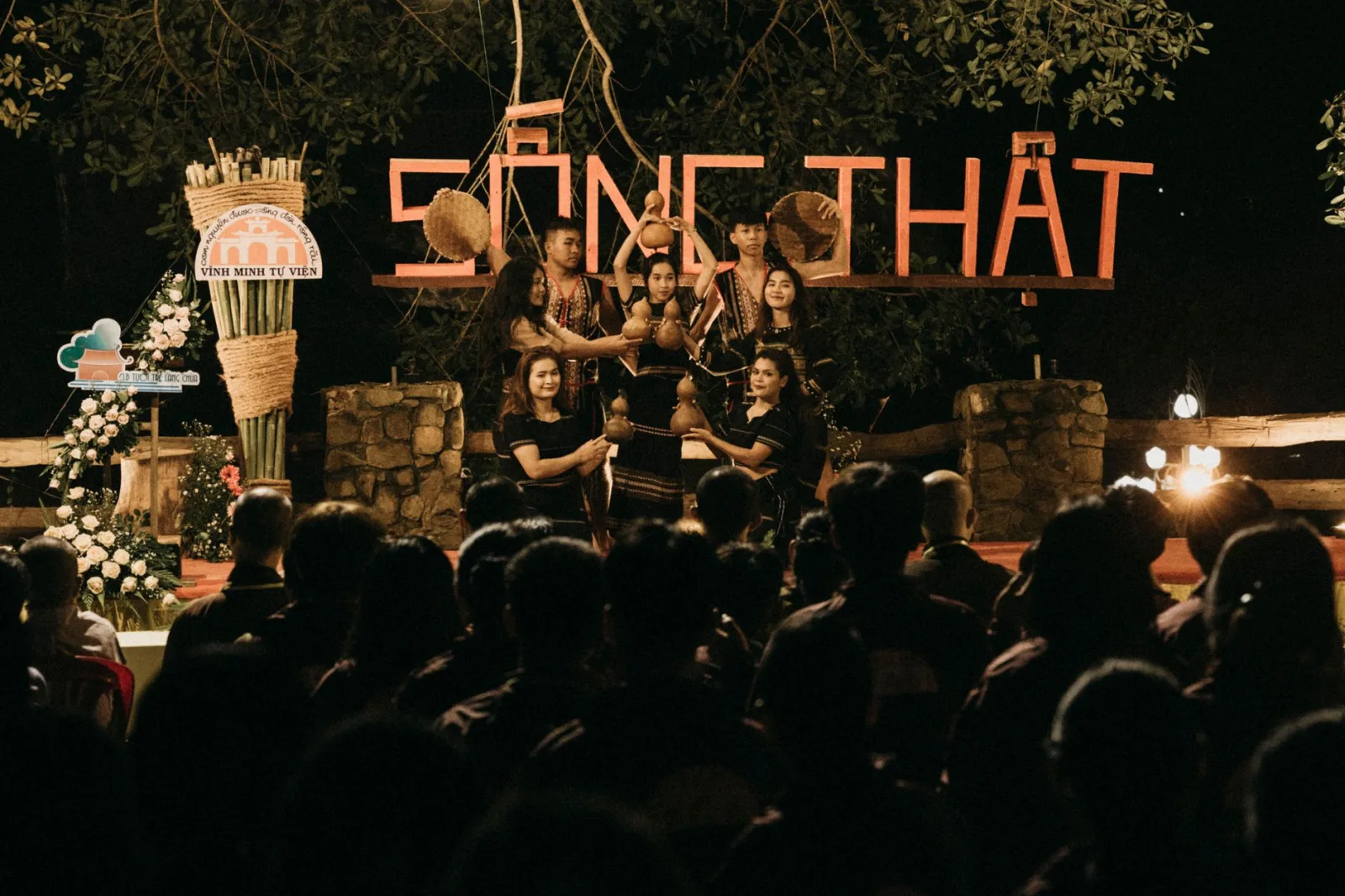
Step 1: Exploring Local Legends
Local legends are a window into the soul of a culture. In Egypt, you’ll find stories that range from ancient myths about gods to contemporary tales about everyday heroes. For instance, the story of Siwa’s Oracle, who once guided Alexander the Great, illustrates the region’s historical significance. Engaging with these legends can be as simple as asking locals about their favorite tales, leading to meaningful conversations.
Step 2: Visiting Storytelling Venues
To truly experience Egypt’s storytelling tradition, consider visiting places where stories are shared. Coffeehouses, or ‘ahwa’, are central to this cultural practice. Here, you can listen to storytellers narrate local legends while enjoying traditional Egyptian coffee. For a more structured experience, attend cultural festivals, which often feature storytelling sessions. Important note: Always be respectful of the storyteller and the audience, as these narratives are deeply valued.
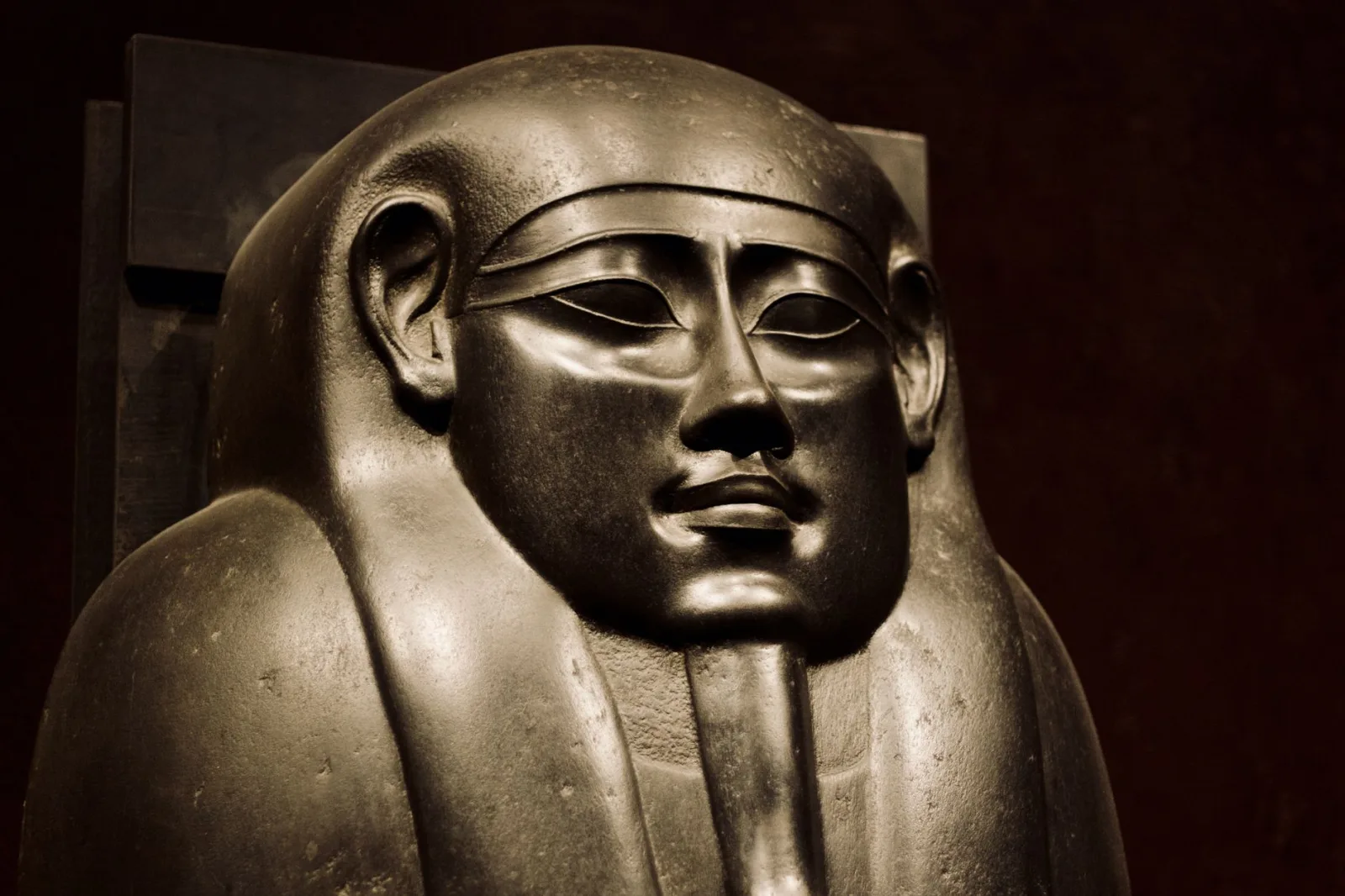
Common Mistake: Overlooking Informal Settings
Many travelers focus solely on tourist attractions, missing out on informal settings where authentic storytelling occurs. Engaging with locals outside of typical tourist zones can lead to discovering hidden gems of culture. For example, in smaller towns, community gatherings often feature storytelling as a central part of the event. By seeking out these experiences, you enhance your understanding of Egypt’s rich tapestry of traditions.
Step 3: Learning the Stories Behind Traditions
Egyptian traditions often have stories that explain their origins. Take the celebration of Eid al-Fitr, for example. Families share stories about the significance of fasting during Ramadan and the joy of breaking fast. These stories are integral to the celebrations and add depth to the rituals. Try participating in local celebrations to witness these storytelling traditions first-hand.
The Impact of Legends on Modern Culture
Today’s Egyptian culture continues to be influenced by its legends. Many modern artists, writers, and filmmakers draw inspiration from these narratives. For example, you might find contemporary music or theater that references ancient myths. Engaging with these modern interpretations can provide a fresh perspective on how deeply rooted these stories are in Egyptian society.
Pro Tip: Document Your Experiences
As you explore these local legends and stories, consider documenting your experiences. Keep a travel journal where you write down the stories you hear, your reflections, and any insights gained. This practice not only enhances your understanding but also allows you to share these experiences with others, keeping the tradition of storytelling alive.
Conclusion: Embracing the Stories of Egypt
Engaging with Egypt’s cultural heritage through local legends and storytelling can profoundly enrich your travel experience. By exploring these narratives, visiting storytelling venues, and participating in local traditions, you connect with the essence of what it means to be Egyptian. Remember, every story you hear adds a new layer to your understanding of this fascinating country. Key takeaways include the importance of engaging with locals, actively participating in cultural practices, and valuing the narratives that shape their identity.