




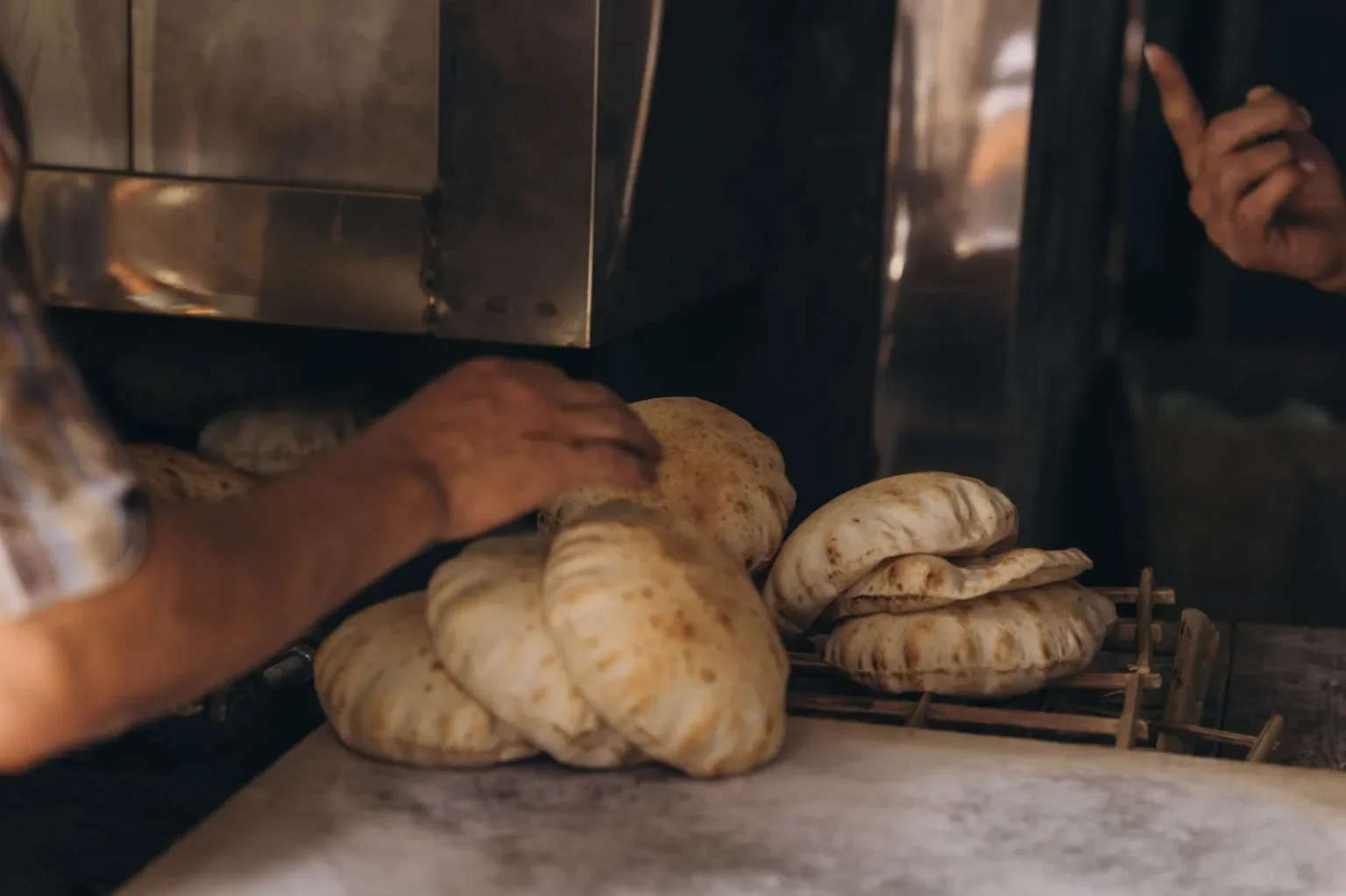

Understanding Egypt’s Culinary Heritage
Egypt’s culinary heritage is a vibrant tapestry woven from centuries of culture, geography, and history. Traditional Egyptian dishes often reflect the agriculture, climate, and trade routes of the region. From the Nile’s fertile banks to the deserts’ arid landscapes, the food you encounter in Egypt tells stories of the past. Understanding this heritage enhances your experience and appreciation of each dish you try.
Key Traditional Egyptian Dishes
To truly grasp Egypt’s culinary heritage, you should familiarize yourself with its iconic dishes. Here are some must-try items:
- Koshari: A hearty mix of rice, lentils, and pasta topped with a spiced tomato sauce, chickpeas, and fried onions. It’s often considered Egypt’s national dish.
- Molokhia: A green soup made from the leaves of the jute plant, usually served with chicken or rabbit. The unique texture and flavor can be surprising if it’s your first time.
- Fatta: A festive dish made of rice, meat, and crispy bread, often served during special occasions. Its layered components represent the diverse influences on Egyptian cuisine.
- Mahshi: Vegetables, commonly zucchini or eggplant, stuffed with a mixture of rice, herbs, and sometimes minced meat. It embodies the resourcefulness of Egyptian home cooking.

Exploring Food Trails in Egypt
Egypt’s food trails offer an immersive way to experience the local cuisine. These trails guide you through bustling markets, traditional eateries, and hidden gems. Here are some notable trails you can consider:
- Cairo Culinary Trail: Start in Cairo, where street food stalls line the streets. Sample koshari from a local vendor, then head to a family-run restaurant for a taste of molokhia.
- Alexandria Seafood Trail: This coastal city is famous for its fresh seafood. Enjoy grilled fish at a seaside restaurant and savor fatta at a local eatery.
- Luxor Historical Trail: Visit ancient temples during the day and unwind with traditional mahshi at a local guesthouse in the evening, soaking up the rich history that surrounds you.
Why You Should Embrace Local Flavors
Engaging with the local culinary scene not only delights your palate but also connects you with the culture. By trying authentic dishes, you participate in a shared tradition that has evolved over generations. Important note: Avoid tourist traps that offer diluted versions of these dishes, as they often lack the authenticity you seek.

Tips for Navigating Egyptian Cuisine
When exploring Egypt’s culinary landscape, consider these practical tips to enhance your experience:
- Ask Locals: Don’t hesitate to ask locals for their favorite dining spots. They often know the best places to find authentic dishes.
- Be Adventurous: Try something new each day. Egyptian cuisine is diverse, and each region offers unique flavors.
- Watch for Fresh Ingredients: Freshness matters. Look for places where ingredients are prepared right in front of you.
- Stay Hydrated: Egyptian summers can be hot. Drink plenty of water, especially when indulging in rich foods.
Common Mistakes to Avoid
Traveling through Egypt’s culinary trails is rewarding, but certain pitfalls could detract from your experience. Here are common mistakes to watch out for:
- Skipping Breakfast: Many traditional Egyptian breakfasts are hearty and delicious. Don’t miss out on options like foul medames (stewed fava beans).
- Ignoring Cultural Etiquette: Understanding meal customs is essential. For instance, it’s common to eat with your right hand, and meals often begin with a prayer.
- Overlooking Street Food: Street food is a significant part of Egyptian culture. Some of the best flavors are found in bustling street stalls. Just ensure they maintain good hygiene standards.
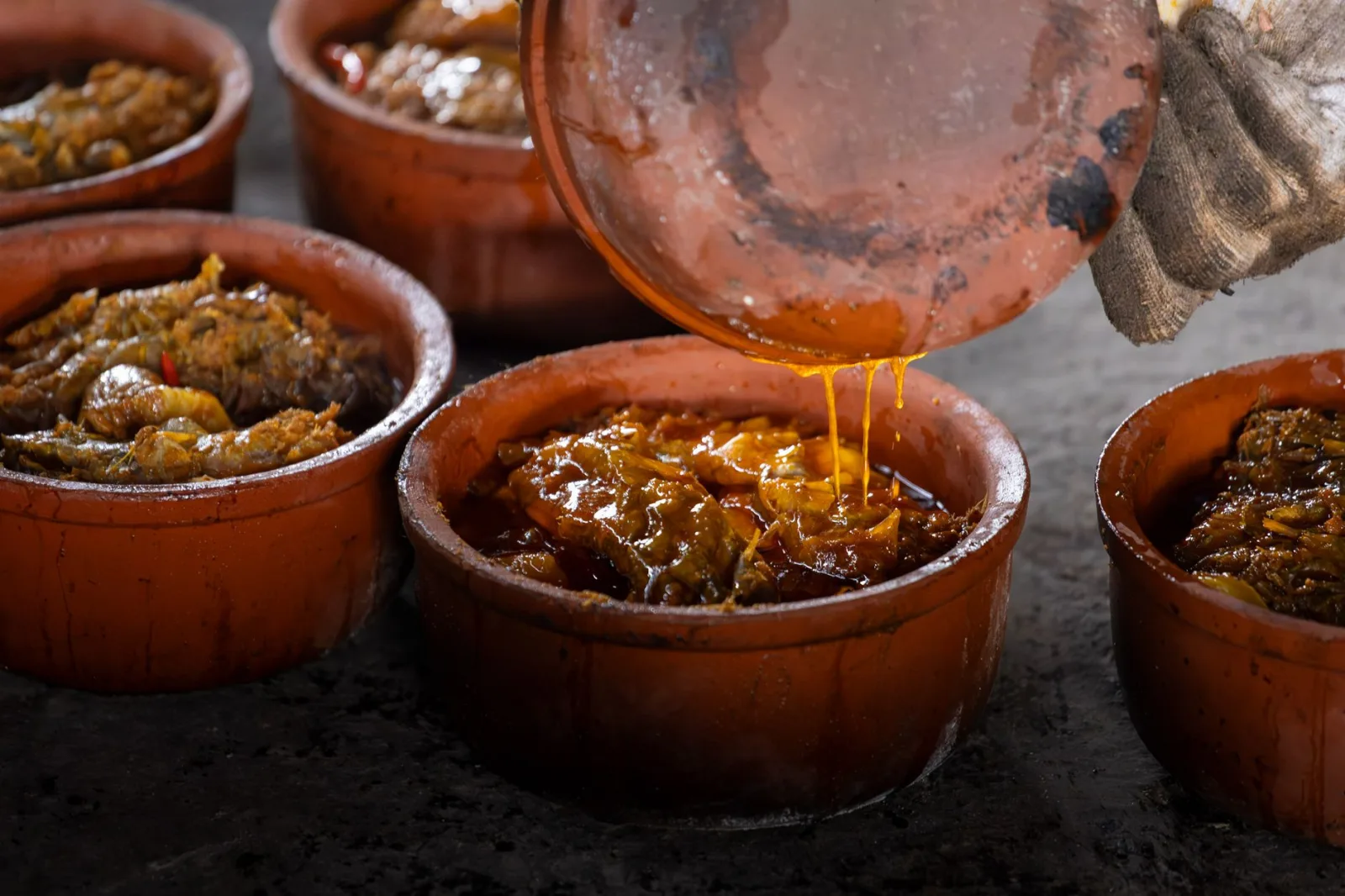
Experiencing Egyptian Hospitality
Egyptian hospitality is legendary. When dining with locals, you may find that meals represent more than just sustenance; they are a way to connect with people. Expect to be offered food multiple times, and it’s customary to accept graciously. This interaction is an integral part of the culinary experience.
Conclusion: Key Takeaways
Navigating Egypt’s historical culinary trails is an enriching journey that goes beyond mere tasting. By understanding the history behind each dish, embracing local flavors, and engaging with the community, you create memorable experiences. Remember to explore popular dishes like koshari and molokhia, seek out food trails in Cairo and Alexandria, and be open to trying new things. With these insights, you are well-equipped to enjoy the authentic flavors of Egypt’s culinary heritage.