





Understanding Egyptian Cuisine
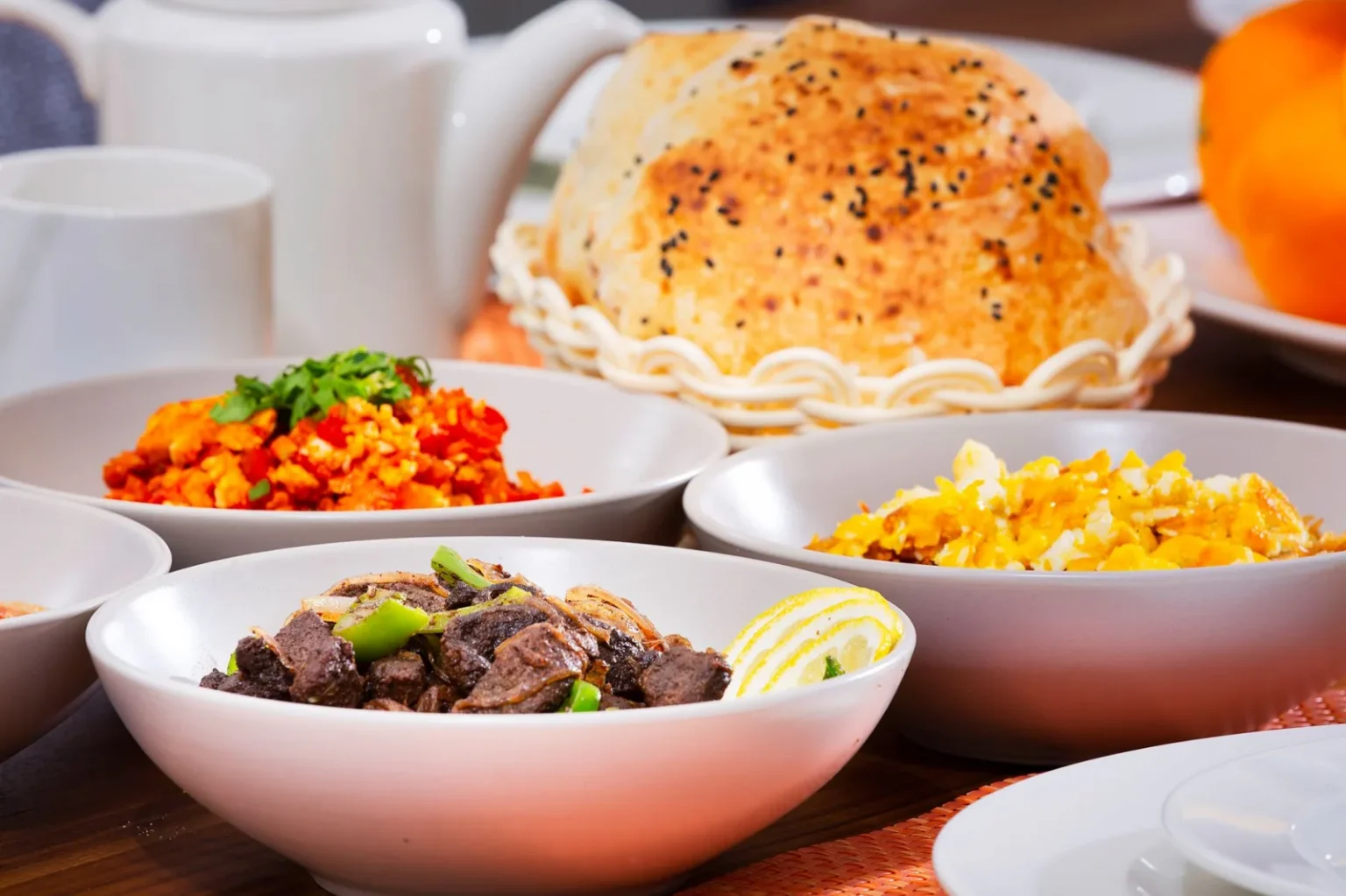
Egyptian cuisine is a rich tapestry woven from the threads of history, geography, and culture. With influences from the Mediterranean, Middle Eastern, and African cooking traditions, it presents a unique fusion of flavors. Essential staples include ingredients like legumes, grains, and fresh vegetables, often complemented by spices that tell stories of Egypt’s past. By understanding these fundamentals, you can appreciate the depth of flavors in traditional recipes.
Exploring Traditional Recipes
To truly engage with Egyptian culinary heritage, you should consider trying your hand at some traditional recipes. Here are a few key dishes that embody the essence of Egyptian cuisine:
- Koshari: A hearty dish made from rice, lentils, pasta, and topped with a spiced tomato sauce. It’s often garnished with crispy onions.
- Molokhia: A green soup made from the leaves of the jute plant, usually served with rice or bread and chicken or rabbit.
- Fatta: A celebratory dish typically served at weddings and special occasions, consisting of layers of rice, bread, and meat, topped with a garlic and vinegar dressing.
Each of these recipes has a story and a significance that ties back to Egyptian culture, making them more than just meals.
Rediscovering Forgotten Flavors
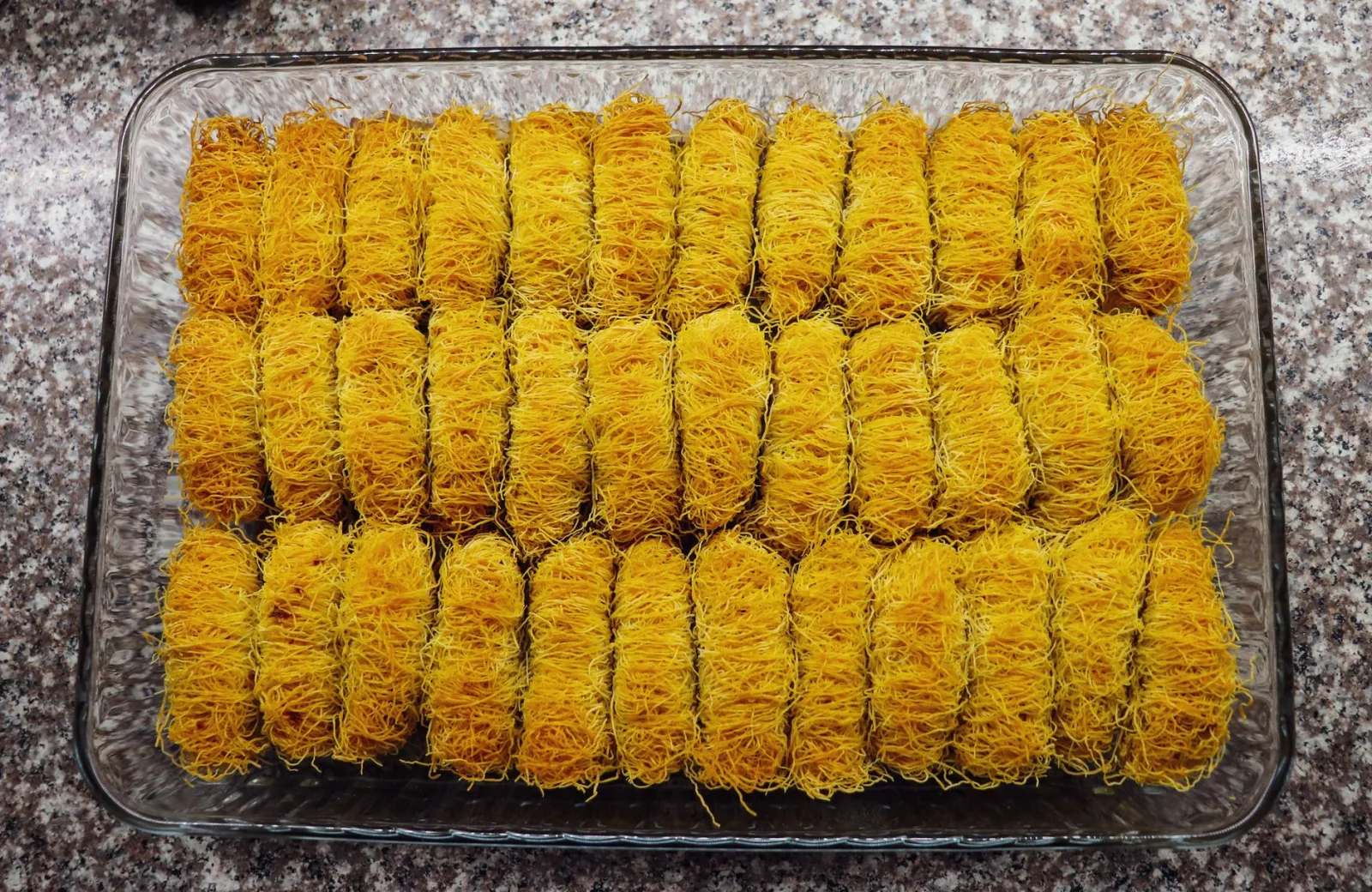
Some flavors have faded from the modern palate due to globalization and changing lifestyles. To rediscover these forgotten flavors, consider visiting local markets or family-owned restaurants. For instance, you might find dukkah, a nut and spice blend that can be used as a dip or seasoning. Important note: when trying new flavors, keep an open mind and be willing to experiment with textures and tastes.
Step-by-Step: Cooking Traditional Egyptian Dishes
If you’re ready to dive into cooking, follow these basic steps to recreate an authentic Egyptian dish:
- Choose a Recipe: Start with something simple like Koshari. Gather all necessary ingredients.
- Prepare Ingredients: Rinse and soak lentils, chop vegetables, and cook pasta as needed.
- Layer Flavors: Sauté onions in oil, then add spices, followed by the lentils and rice.
- Serve: Plate the dish, add the tomato sauce, and garnish with crispy onions.
This method not only enhances your cooking skills but also immerses you in the culture behind the cuisine.
Connecting with Local Food Communities
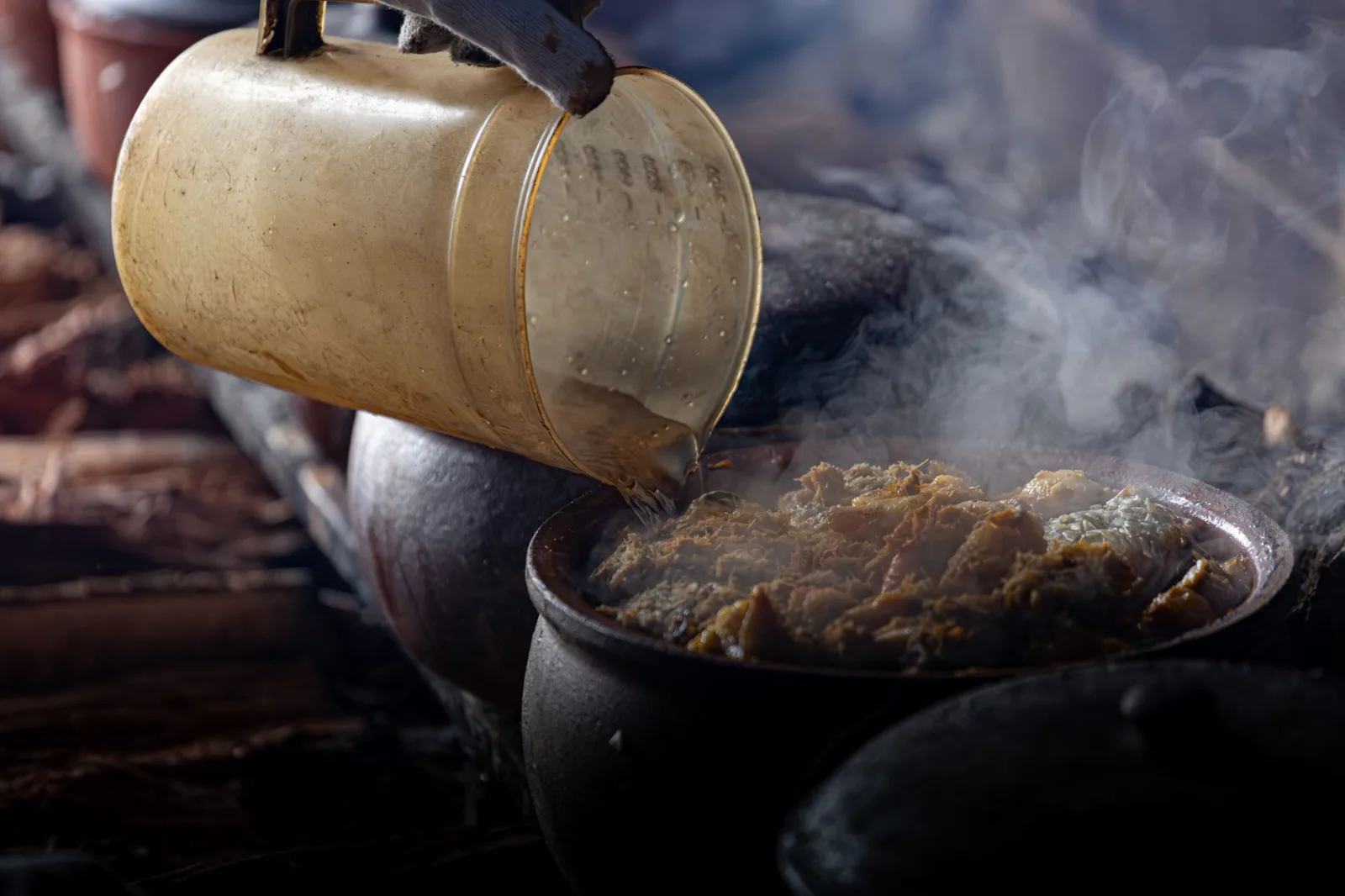
Engaging with locals can significantly enrich your culinary experience. Look for community cooking classes or food tours. These interactions often lead to discovering hidden gems, such as family recipes that have been passed down through generations. Pro tip: ask locals about their favorite dishes and where to find them; they may introduce you to lesser-known specialties.
Understanding the Role of Spices
Spices play a crucial role in Egyptian cuisine, not only for flavor but also for health benefits. Common spices include cumin, coriander, and turmeric. Understanding how to use these spices can elevate your cooking:
- Cumin: Adds warmth and earthiness.
- Coriander: Offers a citrusy note, enhancing freshness.
- Turmeric: Known for its anti-inflammatory properties and vibrant color.
When cooking, consider the balance of flavors. For instance, too much cumin can overpower a dish, while a hint of coriander can brighten it. Therefore, start with small amounts and adjust to taste.
Common Mistakes to Avoid
When navigating Egyptian cuisine, be aware of some common pitfalls:
- Overcooking: Many traditional dishes require careful timing. For example, overcooking Molokhia can lead to a mushy texture.
- Neglecting Fresh Ingredients: Egyptian cooking thrives on fresh produce. Using canned or frozen items can diminish the overall flavor.
- Ignoring Regional Variations: Recipes may vary from region to region. Research local specialties to get an authentic experience.
Conclusion: Embrace the Journey
Navigating Egypt’s culinary heritage is not just about enjoying food; it’s an immersive experience that connects you to the culture and history of the land. By exploring traditional recipes, rediscovering forgotten flavors, and engaging with local communities, you can enhance your travel experience significantly. Remember, the journey of cooking and tasting is as enriching as the destination itself. So, gather your ingredients, invite friends or family, and enjoy the process of creating and sharing authentic Egyptian dishes.
Key Takeaways
- Egyptian cuisine is a blend of various cultural influences, characterized by staple ingredients like legumes and grains.
- Engaging with traditional recipes can help you connect with Egypt’s culinary heritage.
- Flavors can be rediscovered by exploring local markets and family-run eateries.
- Cooking traditional dishes requires attention to detail and understanding of spices.
- Be mindful of common mistakes to ensure an authentic culinary experience.