






Understanding Eco-Tourism in Egypt
Eco-tourism promotes responsible travel to natural areas, conserving the environment and improving the well-being of local people. In Egypt, this concept is gaining traction, focusing on protecting its unique ecosystems while providing travelers with authentic experiences. You may wonder how this differs from traditional tourism. While conventional tourism often emphasizes mass visitation and commercialism, eco-tourism prioritizes sustainability and cultural appreciation.
Why Choose Sustainable Travel?
Choosing sustainable travel is essential for several reasons. Firstly, it helps preserve natural habitats and wildlife. For instance, the Red Sea’s coral reefs are delicate ecosystems threatened by over-tourism. By opting for eco-friendly tours, you contribute to their protection. Additionally, sustainable travel supports local economies, ensuring that your money benefits the communities you visit. This can create a more enriching experience for you, as you engage more meaningfully with the culture.
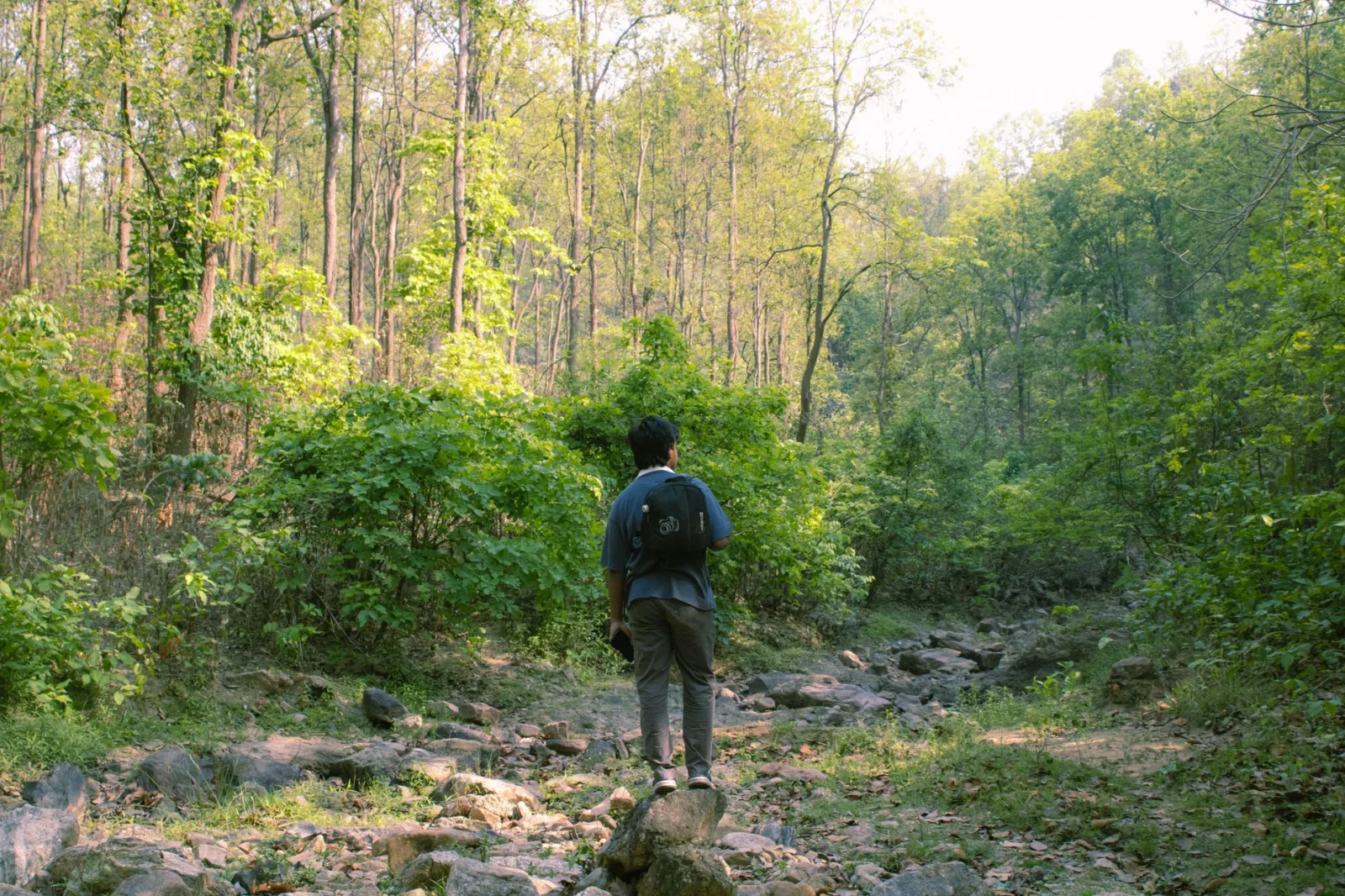
Steps to Practice Responsible Adventures
To navigate Egypt’s eco-tourism effectively, consider these essential steps:
- Research Eco-Friendly Accommodations: Look for lodges and hotels that prioritize sustainability. Options like eco-lodges near Siwa Oasis often utilize renewable energy and support local artisans.
- Choose Local Guides: Hiring local guides not only enriches your experience but also ensures that your support goes directly to the community. Local guides share insights about their culture and environment that you won’t find in guidebooks.
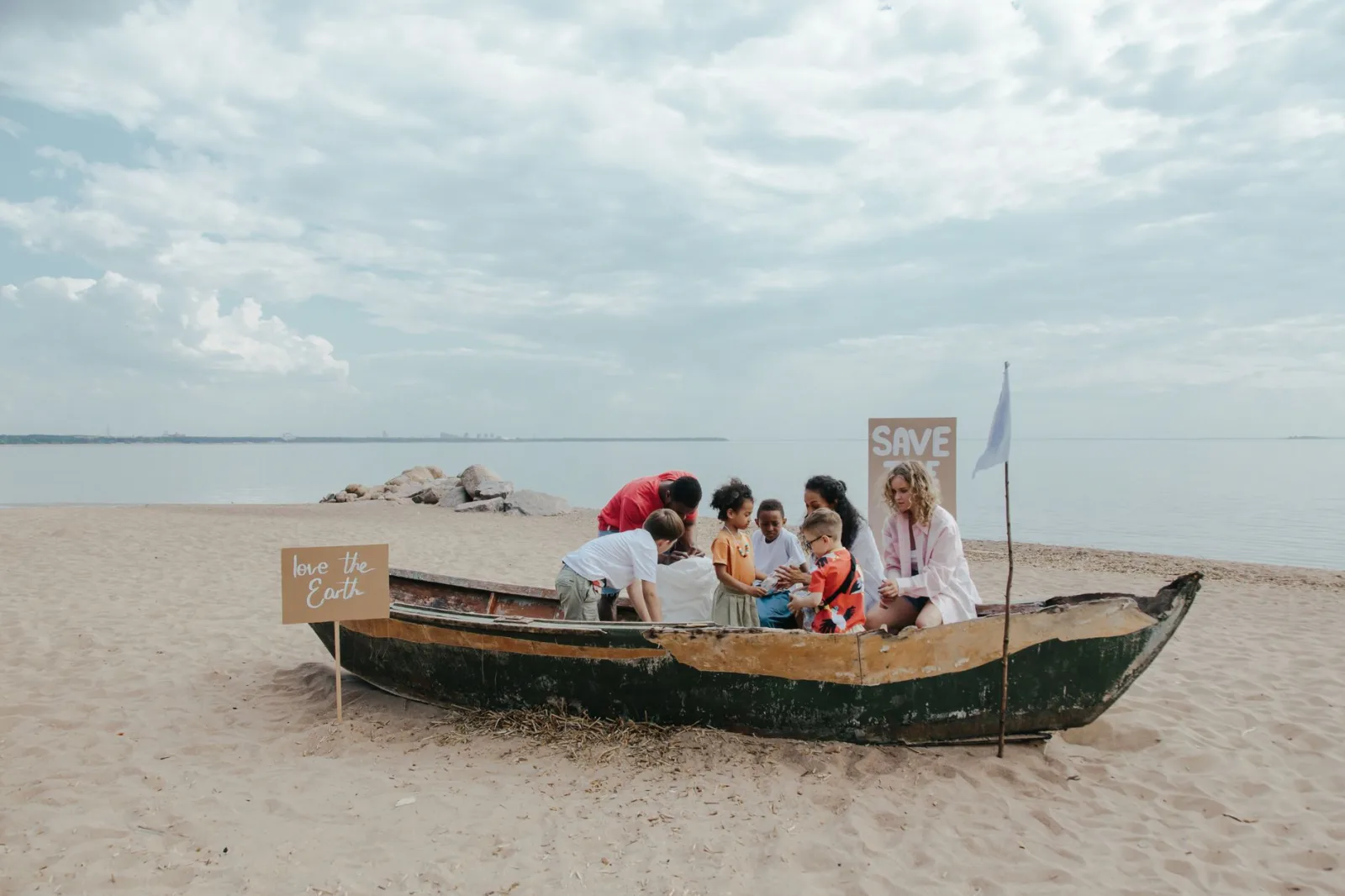
- Participate in Conservation Efforts: Many organizations in Egypt offer opportunities for travelers to get involved in conservation projects. For example, consider joining a beach clean-up initiative along the Mediterranean coast.
- Be Mindful of Resources: Practice the 3 Rs: Reduce, Reuse, and Recycle. Use refillable water bottles, avoid single-use plastics, and dispose of waste responsibly.
- Respect Local Culture and Wildlife: Always adhere to local customs and regulations, particularly in protected areas. For instance, when visiting the Valley of the Kings, refrain from touching ancient artifacts to preserve their integrity.
Exploring Unique Eco-Tourism Destinations
Egypt is home to diverse eco-tourism destinations that offer memorable experiences without compromising sustainability. Here are a few highlights:
- Siwa Oasis: Known for its stunning landscapes and rich biodiversity, Siwa is an eco-tourism haven. Here, you can explore natural hot springs, like those found in Navigating Egypt’s Hidden Natural Hot Springs, and learn about local Berber culture.
- Wadi El-Gemal National Park: This park features a mix of desert and marine environments, making it ideal for eco-conscious travelers. Engage in snorkeling or diving activities that follow best practices to protect coral reefs.
- The Nile River: Consider taking a sustainable felucca ride along the Nile. Traditional wooden sailboats not only reduce carbon emissions but also offer a serene way to enjoy the river’s beauty.
Common Mistakes to Avoid
While eco-tourism in Egypt presents numerous opportunities, it’s easy to make mistakes. Here are some common pitfalls and how to avoid them:
- Not Planning Ahead: Many eco-friendly activities require advance booking. Ensure to research and plan your itinerary to avoid missing out.
- Ignoring Local Advice: Locals often know the best practices for sustainable travel. Listen to their recommendations for tours and activities, as they can guide you to responsible options.
- Overlooking Cultural Sensitivity: Be aware of cultural norms, especially when visiting sacred sites. Familiarize yourself with cultural etiquette in Egypt to avoid unintentional disrespect.
Engaging with Local Communities
One of the pillars of eco-tourism is fostering a connection with local communities. When you travel to Egypt, seek out opportunities to engage with residents. This could involve taking part in local workshops, such as pottery or weaving, where you can learn traditional skills while supporting artisans. You might also consider homestays, which provide a deeper understanding of local life and customs.

Tips for Traveling Responsibly in Egypt
Here are some practical tips to enhance your eco-tourism experience:
- Pack Light: Excess baggage contributes to a larger carbon footprint. Travel with only what you need, focusing on essentials.
- Offset Your Carbon Footprint: Consider purchasing carbon offsets for your flights or other travel-related emissions. Many organizations offer options to contribute to renewable energy projects.
- Stay Informed: Eco-tourism is evolving, and staying updated on best practices is crucial. Follow eco-tourism blogs, and connect with others passionate about sustainable travel.
Summary and Key Takeaways
Navigating Egypt’s eco-tourism landscape requires a thoughtful approach. By prioritizing sustainable travel practices and engaging in responsible adventures, you contribute to the preservation of Egypt’s unique environments and cultures. Remember the steps to practice responsible adventures: research eco-friendly accommodations, choose local guides, participate in conservation efforts, respect local customs, and be mindful of resources. Each of these practices enhances not only your travel experience but also supports the communities and ecosystems you visit.