




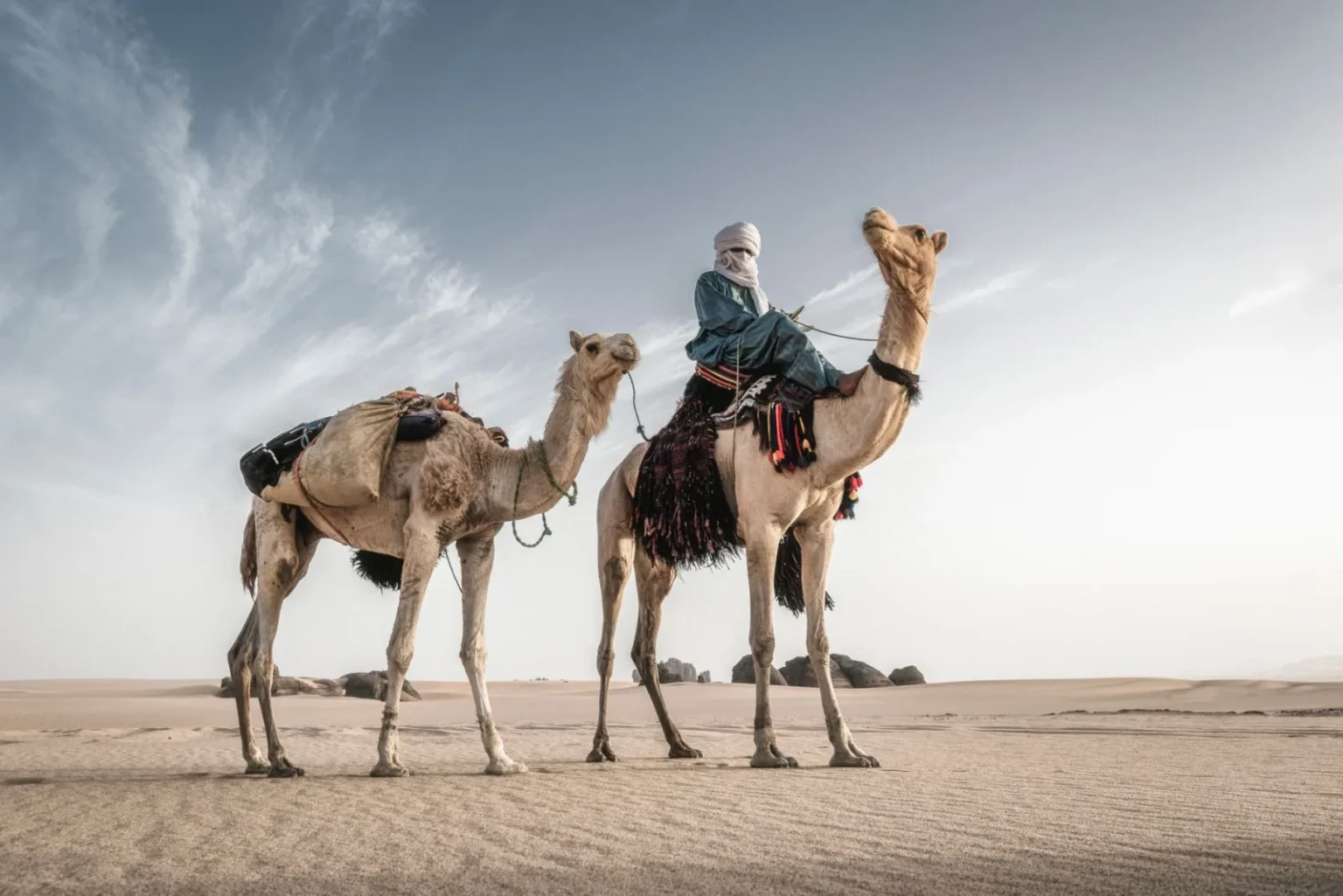

Understanding Desert Nomads
Desert nomads are not just wanderers of the vast sands; they represent a rich tapestry of history and culture. Primarily found in the Arabian Peninsula, these communities have adapted to life in extreme aridity, developing unique customs and practices that reflect their environment. Understanding who these nomads are is crucial to appreciating their rituals.
The Role of Rituals in Nomadic Life
Rituals play an integral role in the lives of desert nomads. They serve as a means of preserving traditions, fostering community bonds, and navigating the challenges of their environment. For instance, rituals related to seasonal changes, such as migration patterns, are essential for survival. These practices help ensure that resources are utilized efficiently throughout the year.

Common Hidden Rituals of Desert Nomads
1. **The Coffee Ceremony**: One of the most cherished rituals among desert nomads is the Arabic coffee ceremony. This ritual is not merely about serving coffee; it symbolizes hospitality and friendship. The host prepares the coffee with great care, often flavored with cardamom, and serves it in small cups. Understanding its significance can deepen your appreciation for their culture.
2. **The Poetry Gathering**: Poetry is a vital expression in Bedouin culture. Gatherings often occur around a fire at night, where individuals recite poetry that conveys their history, emotions, and values. These gatherings strengthen communal ties and preserve linguistic heritage. If you find yourself in such a setting, consider participating — it’s a unique way to connect with the culture.
3. **Ceremonial Weddings**: Weddings among desert nomads are elaborate affairs filled with traditional rituals that can last several days. These events often include music, dance, and poetry, highlighting the community’s values and commitment to family. Understanding the components of a wedding ceremony can provide insights into relationships and social structures within these societies.
Rituals Related to Nature and the Environment
Desert nomads have a profound relationship with their environment, and many rituals reflect this connection. For example, when a rainstorm approaches, rituals may be performed to give thanks for the water, which is a precious resource. These practices emphasize respect for nature and the importance of sustainability in their way of life.
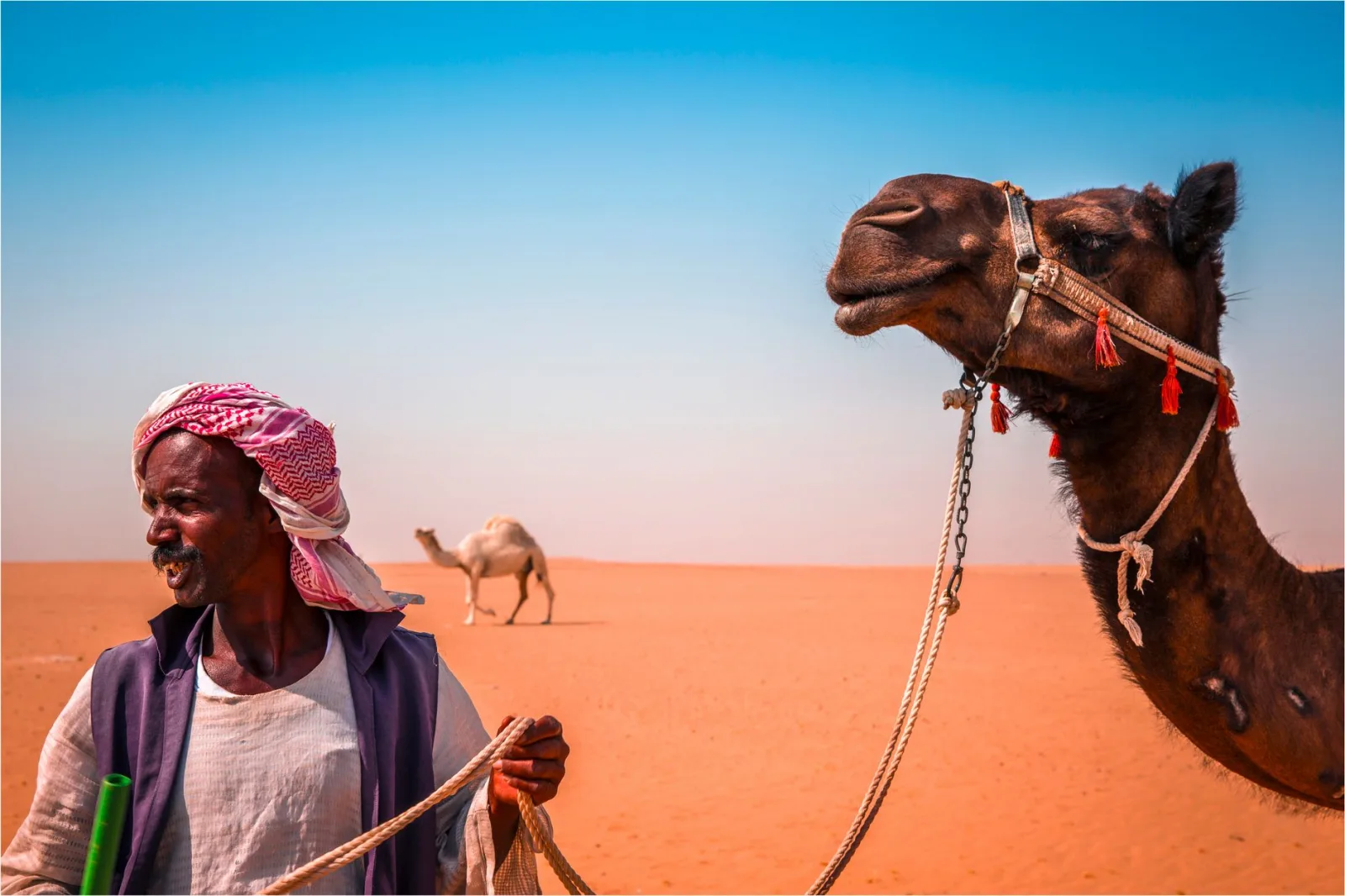
Spiritual Practices Among Desert Nomads
In addition to social rituals, spiritual practices are also significant. Many desert nomads have integrated local beliefs with Islamic traditions. Rituals such as the *Ziyarah*, or pilgrimage, to local shrines can be common. These practices often involve offerings and prayers, emphasizing the importance of spirituality in daily life.
Preservation of Hidden Rituals
As modernization occurs, many hidden rituals are at risk of being forgotten. Efforts are underway to document and preserve these practices. Organizations focused on cultural preservation often collaborate with desert nomads to record their traditions, ensuring that future generations can appreciate their rich heritage. You can support these initiatives by visiting cultural centers or participating in workshops that showcase these hidden gems.
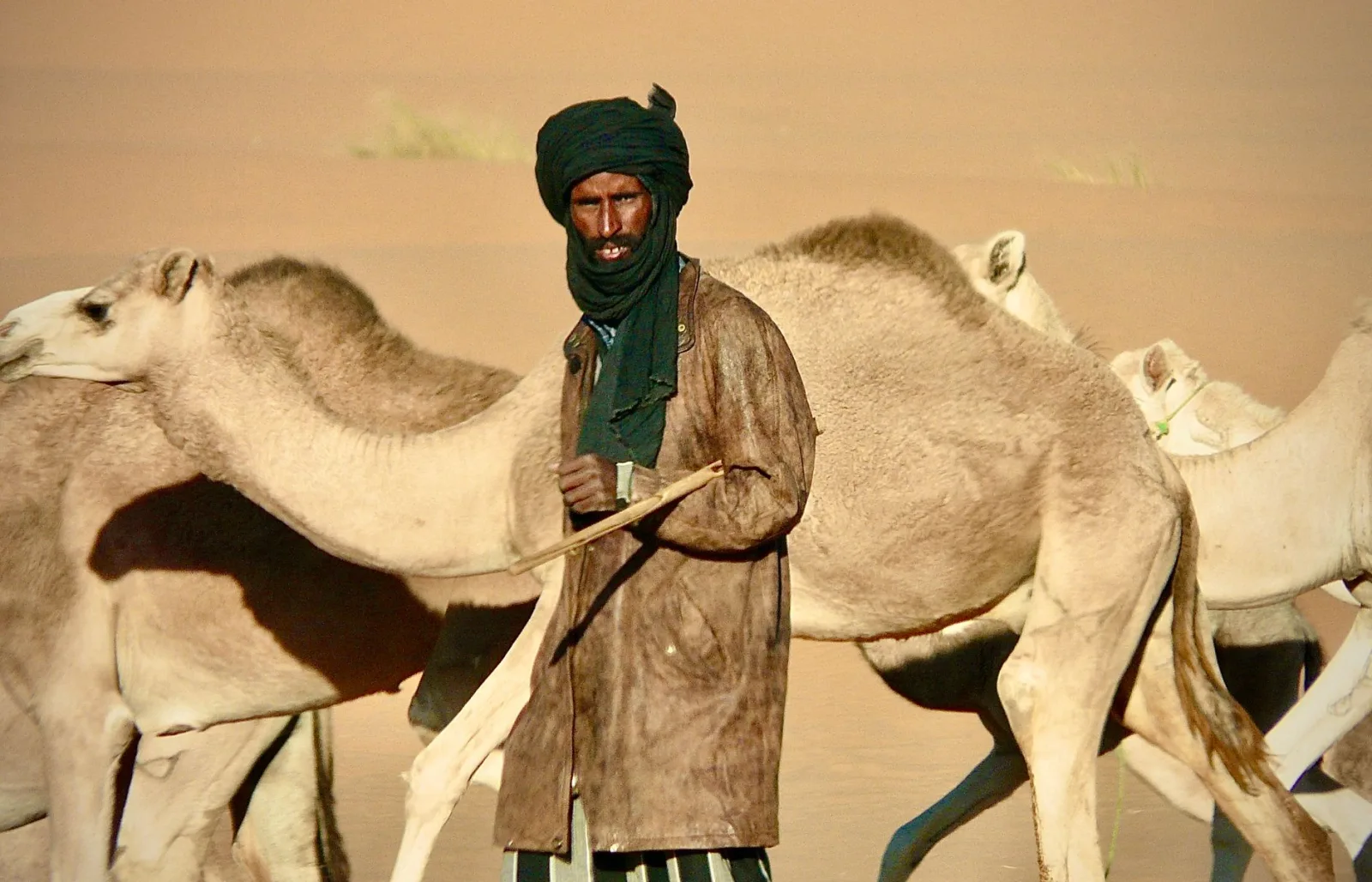
Experiencing the Rituals Firsthand
If you’re interested in experiencing these rituals firsthand, consider visiting regions where desert nomads reside. Engaging with local guides can enhance your understanding and appreciation of their traditions. Remember to approach these experiences with respect and openness. Important note: Always seek permission before photographing or documenting any rituals, as they may be sacred to the community.
Conclusion: Embracing Cultural Diversity
Exploring the secret rituals of desert nomads offers a unique glimpse into the hidden cultural practices of the Arabian Peninsula. From the coffee ceremony to poetry gatherings, these rituals serve as a reminder of the rich tapestry of human experience. By understanding and respecting these traditions, you can contribute to their preservation and foster cultural appreciation.