




The Essence of Traditional Calligraphy
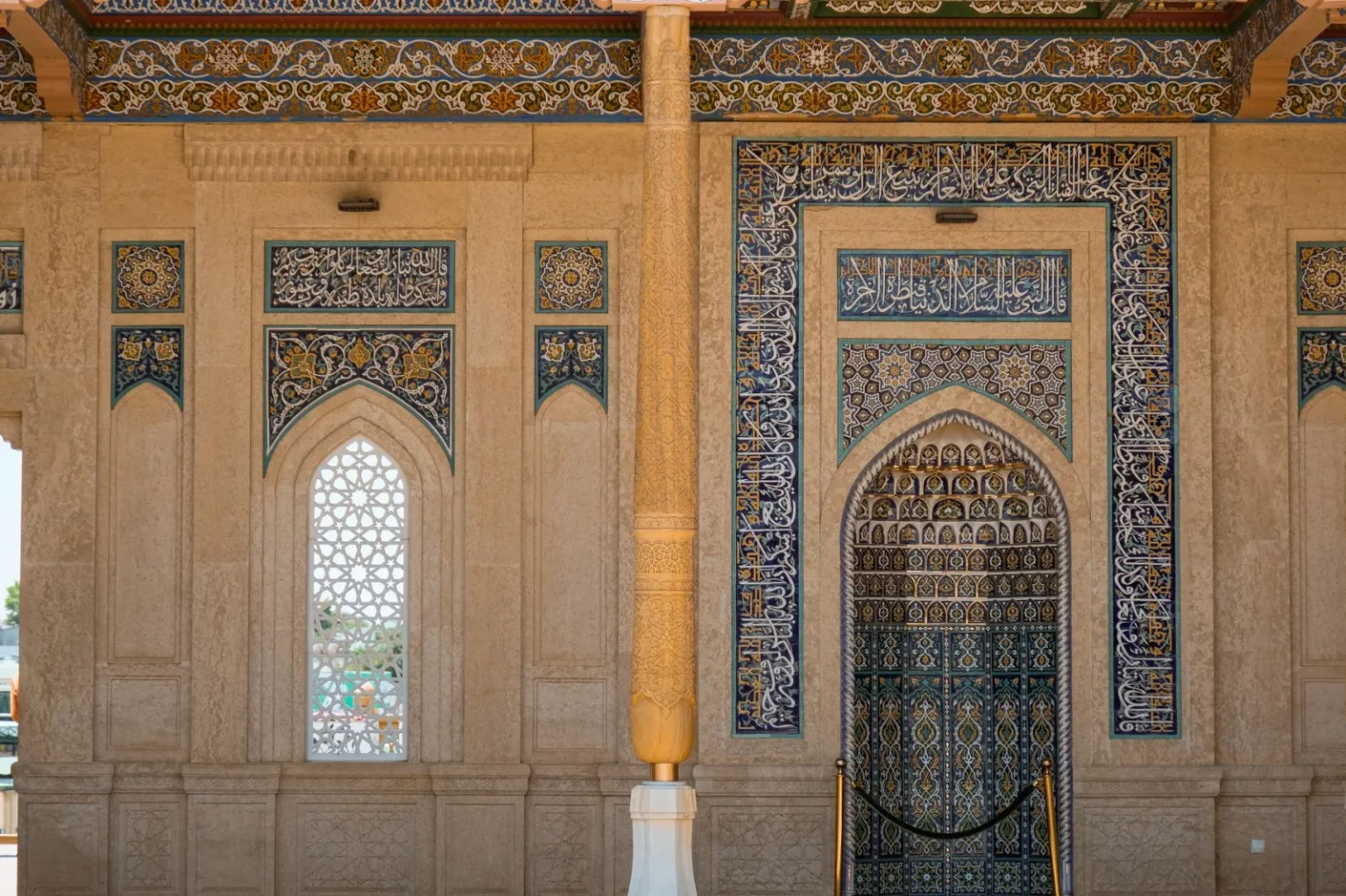
Traditional calligraphy is more than just decorative writing; it is a profound expression of culture and history, particularly in the Arabian Peninsula. Each stroke and curve in traditional calligraphy conveys meaning, emotion, and a connection to the past. This art form encapsulates centuries of cultural heritage, where words become visual art, enhancing both the written language and the aesthetic of the script.
- The Essence of Traditional Calligraphy
- Understanding the Historical Context
- The Tools of the Trade
- Key Styles of Traditional Calligraphy
- Learning Traditional Calligraphy: A Step-by-Step Approach
- The Cultural Significance of Calligraphy Today
- Visiting Calligraphy Workshops and Exhibitions
- Preserving the Art of Calligraphy
- Key Takeaways
Understanding the Historical Context
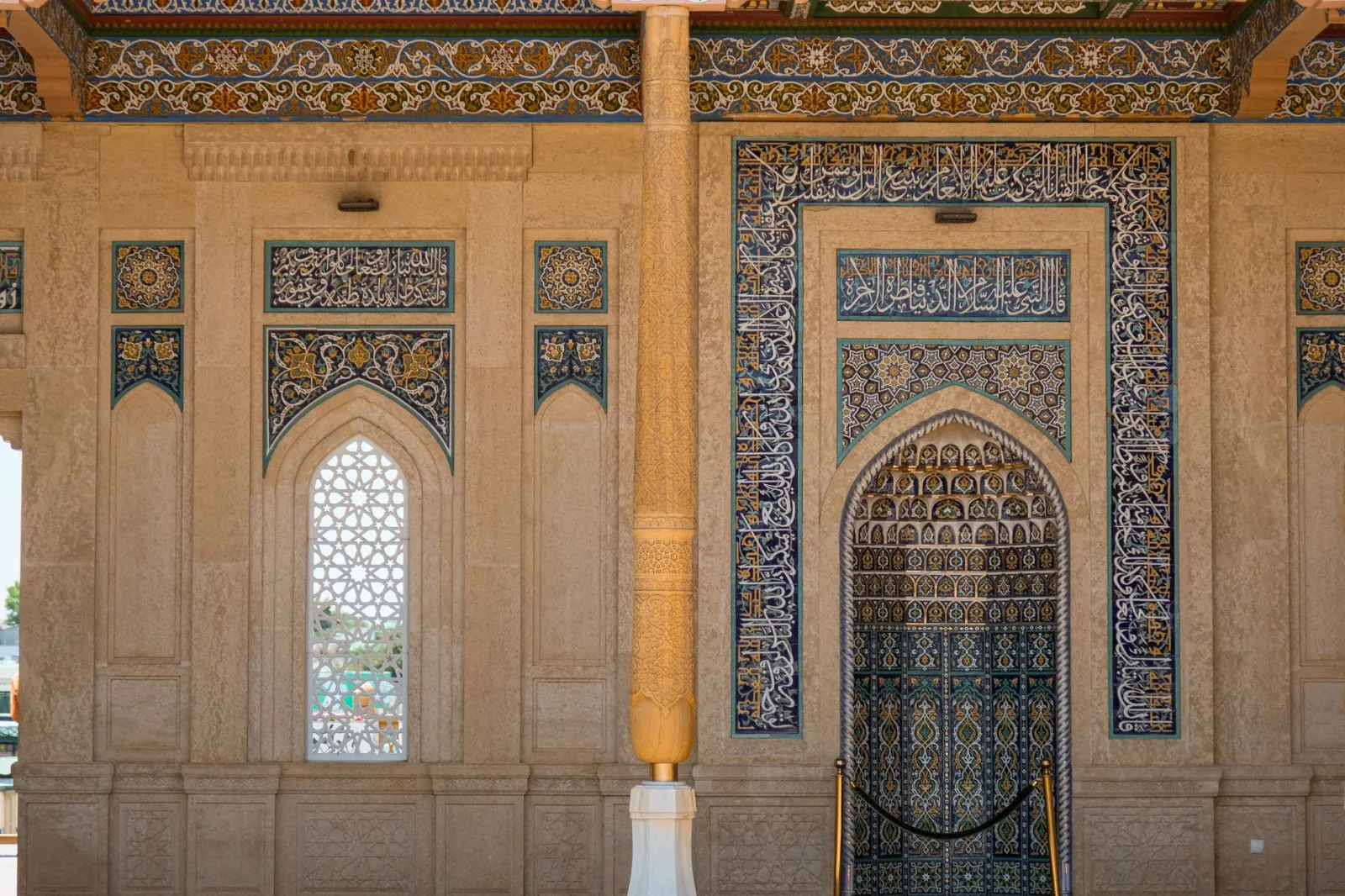
To appreciate traditional calligraphy, it’s essential to understand its historical roots. Originating with the advent of writing, calligraphy evolved alongside the Arabic language, flourishing during the Islamic Golden Age. This period saw the proliferation of Islamic arts and sciences, with calligraphy becoming a revered method of communication. It was often employed in religious texts, poetry, and architectural designs, emphasizing its importance in cultural identity.
The Tools of the Trade
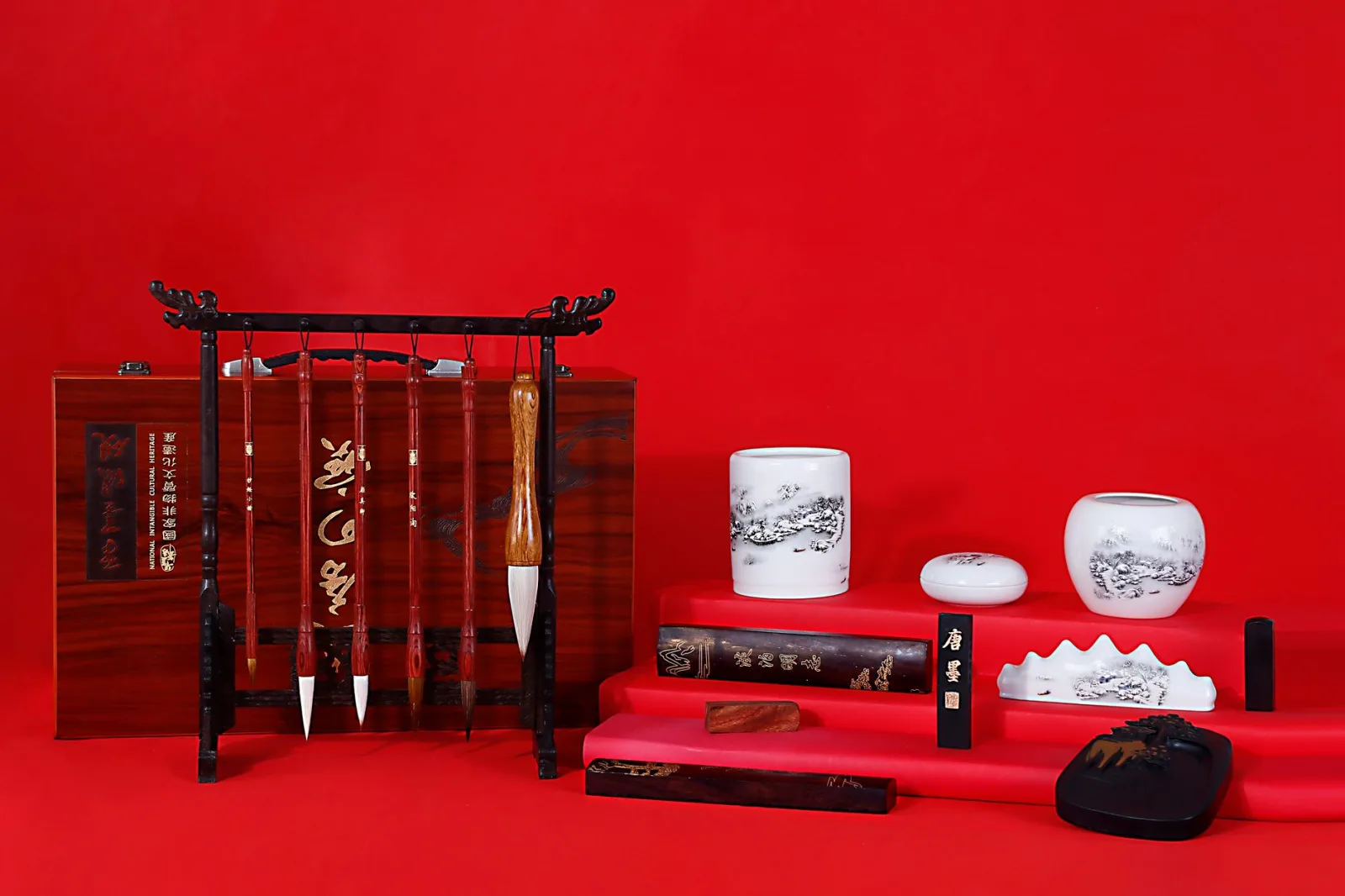
Engaging with traditional calligraphy requires specific tools that significantly influence the outcome of the art. Here’s what you need:
- Qalam: This is the primary writing instrument, traditionally made from bamboo or reed. The qalam’s tip varies in width, allowing for diverse stroke thicknesses.
- Ink: Natural inks made from soot mixed with water or other organic materials are commonly used, offering rich hues.
- Paper: While modern paper is available, traditional calligraphers often prefer handmade paper for its texture and absorption qualities.
Understanding how to use these tools is vital to mastering the art of calligraphy. For example, the angle at which you hold the qalam can drastically change the appearance of your strokes.
Key Styles of Traditional Calligraphy
Within traditional calligraphy, several styles have emerged, each with its unique characteristics and applications. Here are a few prominent ones:
- Naskh: Known for its readability, Naskh is widely used in printed texts and is characterized by its flowing, cursive style.
- Thuluth: This style features elongated letters and intricate designs, often used in decorative inscriptions.
- Diwani: A highly artistic script, Diwani is known for its fluidity and is often used in official documents and royal decrees.
Each style is a reflection of cultural preferences and historical influences, allowing you to choose one that resonates with your artistic vision.
Learning Traditional Calligraphy: A Step-by-Step Approach
If you’re interested in learning traditional calligraphy, following a structured approach can be beneficial. Here’s a practical breakdown:
- Gather Your Materials: Ensure you have a qalam, ink, and paper before starting. Experiment with different tools to find what feels comfortable.
- Master Basic Strokes: Begin by practicing fundamental strokes. This is crucial as it builds muscle memory. Focus on consistency and control.
- Learn the Alphabet: Familiarize yourself with the Arabic alphabet and how each letter connects to others. Pay attention to variations in different styles.
- Practice Words and Phrases: Start forming simple words. Choose phrases that are meaningful to you, as this will keep you motivated.
- Seek Feedback: Join communities or workshops, either online or locally, where you can share your work and receive constructive criticism.
The Cultural Significance of Calligraphy Today
Today, traditional calligraphy maintains its significance within the Arabian Peninsula. It is not only a form of art but also a means of preserving cultural heritage. Many contemporary artists are reinvigorating this ancient practice by blending traditional techniques with modern themes. For instance, calligraphic art has found its way into graffiti and digital design, showcasing its versatility and relevance.
Visiting Calligraphy Workshops and Exhibitions
Experiencing calligraphy firsthand can deepen your appreciation for this art form. Various workshops across the Arabian Peninsula offer immersive experiences where you can learn from skilled artisans. These sessions often include:
- Demonstrations of traditional techniques
- Guidance on using calligraphy tools
- Opportunities to create your own pieces
Additionally, exhibitions featuring calligraphic art provide insight into how this craft has evolved. They often showcase a blend of historical pieces and modern interpretations, emphasizing the continuous dialogue between past and present.
Preserving the Art of Calligraphy
As you embark on your journey of discovering traditional calligraphy, consider the importance of preservation. Engaging with local artisans and supporting their work helps sustain this cultural heritage. Important note: Look for workshops and galleries that prioritize authentic practices rather than commercialized versions. By doing so, you contribute to the longevity of this art form.
Key Takeaways
Traditional calligraphy in the Arabian Peninsula is a rich tapestry of cultural heritage, history, and artistry. From understanding the tools and styles to learning the techniques and appreciating its significance today, this art form offers a deep, fulfilling experience. As you explore traditional calligraphy, remember to:
- Start with the right tools and materials.
- Practice basic strokes and alphabet connections.
- Engage with local workshops and exhibitions.
- Support artisans to help preserve this cultural heritage.
In conclusion, traditional calligraphy serves as a bridge between the past and present, inviting you to explore its depths and appreciate its beauty. By immersing yourself in this art form, you not only enhance your creative skills but also contribute to the preservation of a treasured cultural legacy in the Arabian Peninsula.