




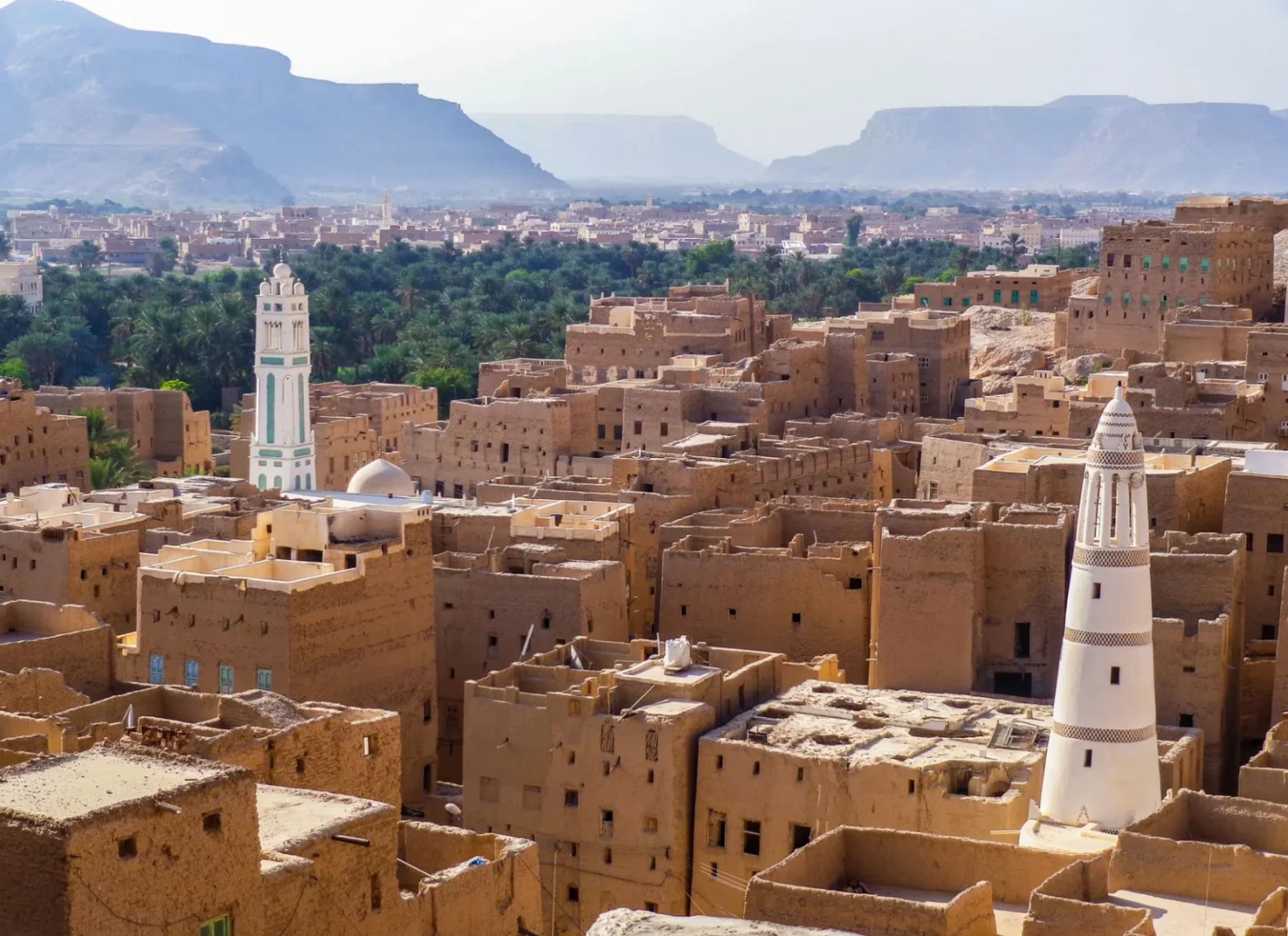

Understanding the Ancient Irrigation Systems
The Arabian Peninsula, often perceived as a dry and arid land, is home to a network of ancient irrigation systems that reveal a different story. These ancient irrigation methods have been instrumental in transforming the landscape, allowing civilizations to thrive in otherwise inhospitable environments. To grasp the significance of these systems, it’s essential to understand how they functioned and their impact on local communities.
- Understanding the Ancient Irrigation Systems
- The Role of Water in Ancient Civilizations
- Types of Ancient Irrigation Systems
- Exploring the Hidden Waterways
- The Challenges Faced by Ancient Systems
- Lessons from the Past
- Preserving the Heritage of Ancient Irrigation
- Conclusion: The Enduring Legacy of Ancient Waterways
The Role of Water in Ancient Civilizations
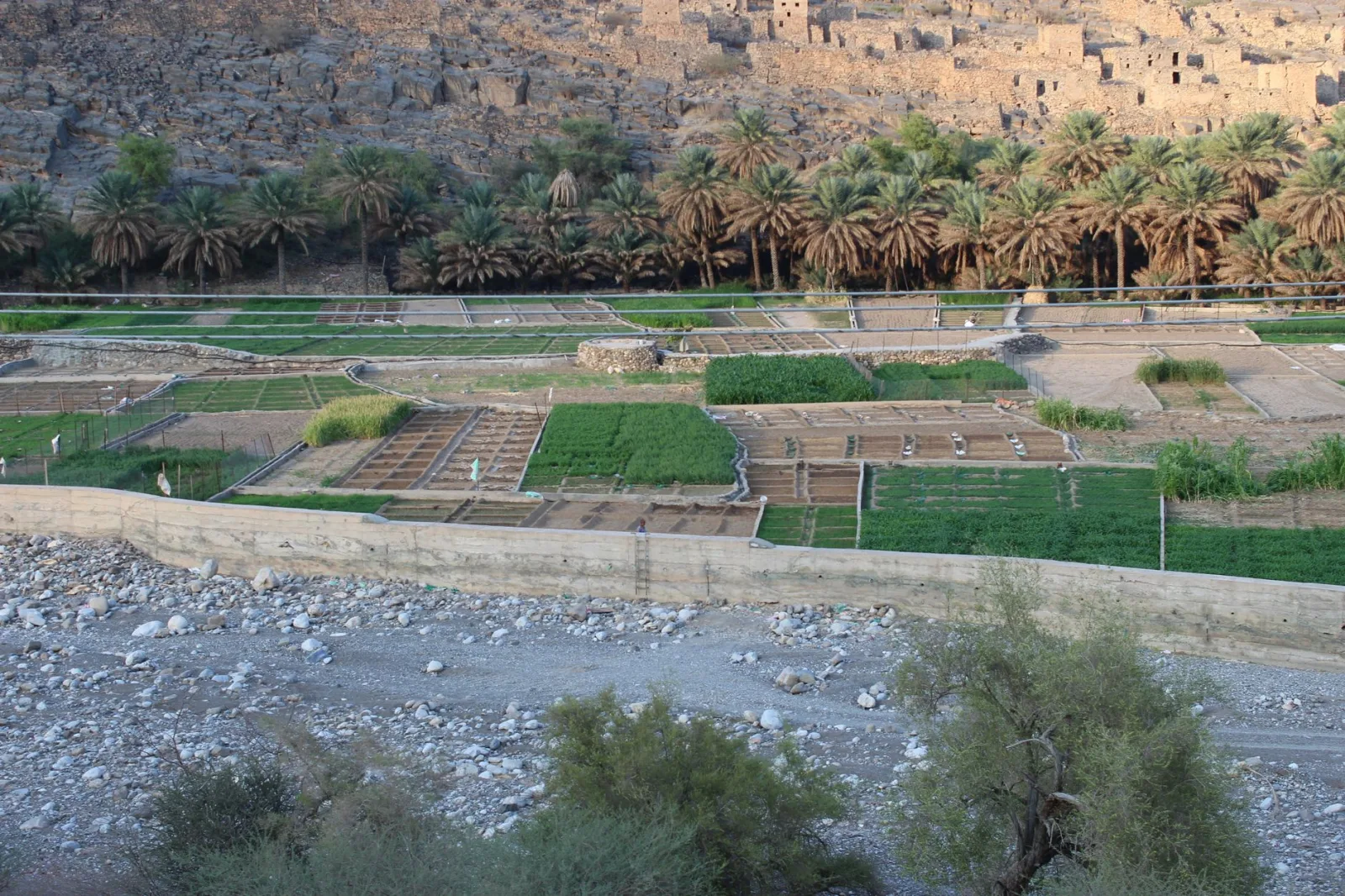
Water has always been a crucial resource, especially in desert regions. In the Arabian Peninsula, ancient irrigation systems were developed to harness and distribute water effectively. For example, the falaj system, a traditional method of diverting water from underground aquifers, showcases how communities ingeniously channeled limited water supplies. This system not only supported agriculture but also played a vital role in social and economic development.
Types of Ancient Irrigation Systems
There are various types of ancient irrigation systems in the Arabian Peninsula, each adapted to specific regional conditions. Here are some notable examples:
- Falaj System: This ancient system consists of a series of underground channels that transport water from mountain aquifers to farms. It is still in use today in places like Oman, demonstrating its effectiveness over centuries.
- Qanat: Similar to the falaj, the qanat is an underground aqueduct system that transports water from higher elevations to lower areas. This method minimizes evaporation, making it particularly useful in arid climates.
- Shaduf: This hand-operated device was used to lift water from wells, allowing for irrigation in areas where surface water was scarce. Its simple design highlights the ingenuity of ancient engineers.
Exploring the Hidden Waterways
Many of these ancient irrigation systems remain hidden gems, waiting to be explored. Here are a few notable locations:
- Wadi Bani Khalid, Oman: This stunning wadi is not only a natural wonder but also showcases ancient irrigation techniques that have sustained local agriculture for generations.
- Al Ain Oasis, UAE: This UNESCO World Heritage site features a network of traditional falaj irrigation systems that have been in place for over 3,000 years, providing insight into sustainable agricultural practices.
- Qasr Al Hosn, Abu Dhabi: The oldest stone building in Abu Dhabi provides historical context for the region’s water management practices, illustrating how water was a lifeblood for the settlement.
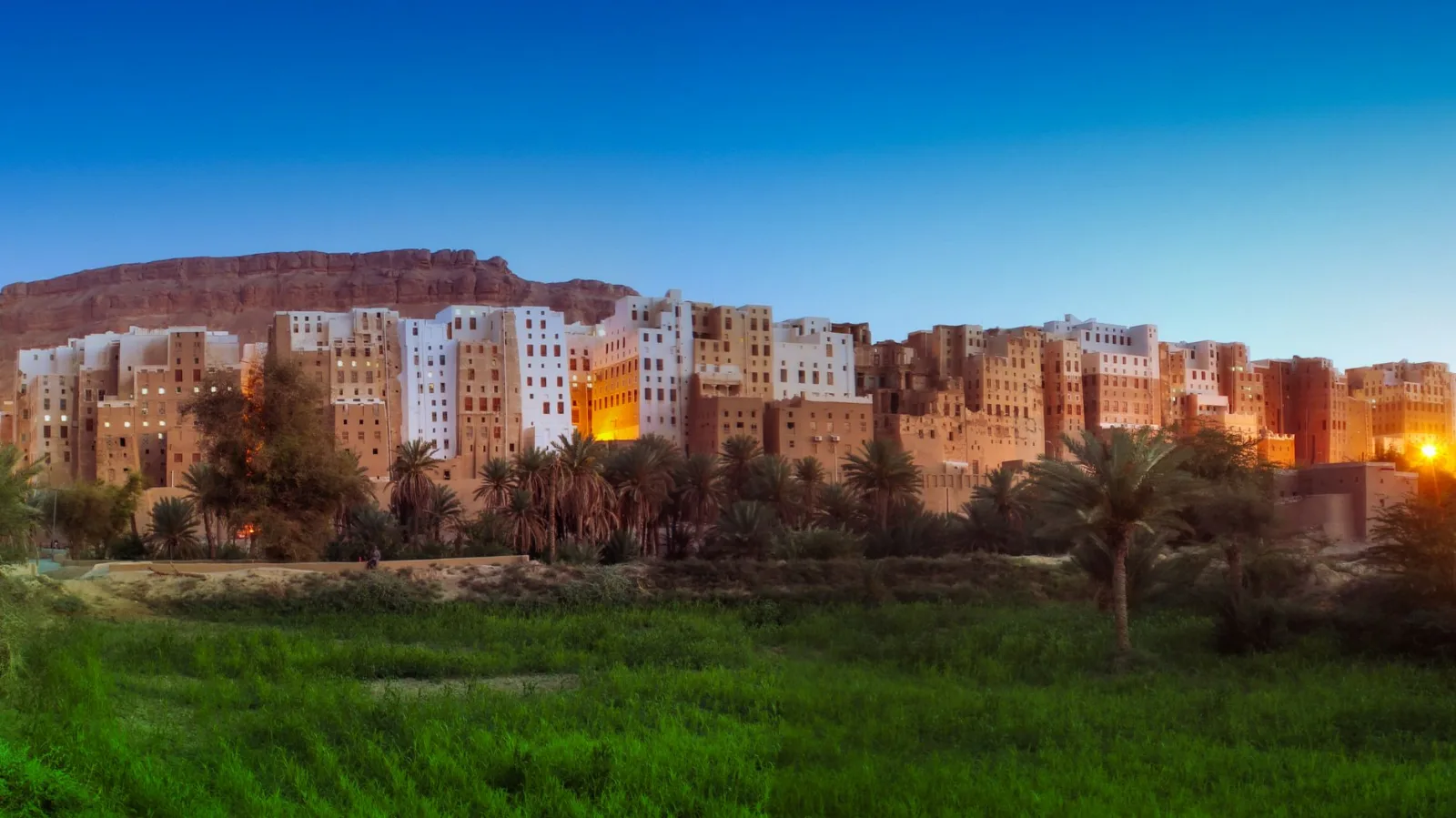
The Challenges Faced by Ancient Systems
While these irrigation systems have proven effective, they were not without challenges. You may wonder how ancient communities addressed issues such as water scarcity, soil salinity, and changing climatic conditions. Understanding these challenges can provide insights into the resilience of these societies.
For example, the falaj system relies on a delicate balance of water distribution. Over-extraction from aquifers can lead to depletion and salinity, making soils less productive. Communities often employed rotation and fallow periods to allow the land to recover, demonstrating an understanding of sustainable practices.
Lessons from the Past
Today, as modern societies face water scarcity and climate change, the lessons learned from these ancient irrigation systems are more relevant than ever. You might consider how these historical practices can inform contemporary water management strategies. Here are some key takeaways:
- Sustainable Practices: The ancient systems emphasized the importance of sustainability. Modern irrigation methods can benefit from adopting similar principles.
- Community Involvement: Many ancient irrigation systems were community-driven, highlighting the need for collective action in water management today.
- Adaptive Strategies: Historical societies adapted to their environment, showcasing the importance of flexibility in response to changing conditions.
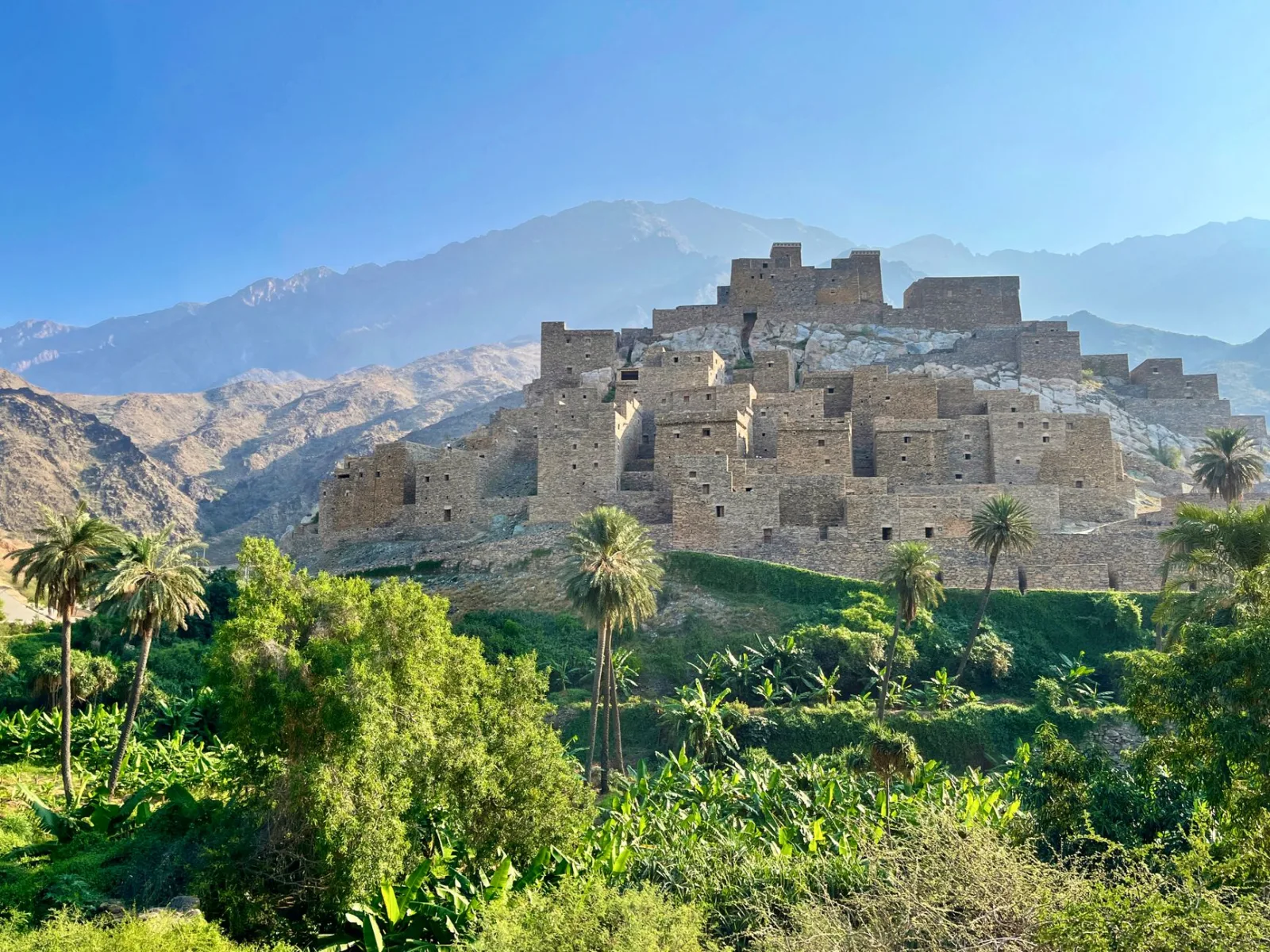
Preserving the Heritage of Ancient Irrigation
Preservation of these ancient irrigation systems is essential for cultural heritage and environmental sustainability. Efforts are underway to protect these hidden waterways, but challenges remain. You might want to support initiatives aimed at conserving these sites, as they offer invaluable insights into our past.
Engagement in local heritage projects or eco-tourism can help raise awareness and funds for preservation efforts. Remember, preserving these unique systems not only honors the ingenuity of past civilizations but also contributes to sustainable practices for future generations.
Conclusion: The Enduring Legacy of Ancient Waterways
The ancient irrigation systems of the Arabian Peninsula tell a compelling story of human ingenuity and resilience. By exploring these hidden waterways, you gain a deeper appreciation for the complexities of water management in arid landscapes. As you reflect on the lessons from the past, consider how they can guide modern practices in sustainability and community engagement.
In summary, the forgotten waterways of the Arabian Peninsula are not just relics of the past; they are living examples of how ancient civilizations adapted to their environment. By understanding and respecting these systems, we can work towards a more sustainable future.