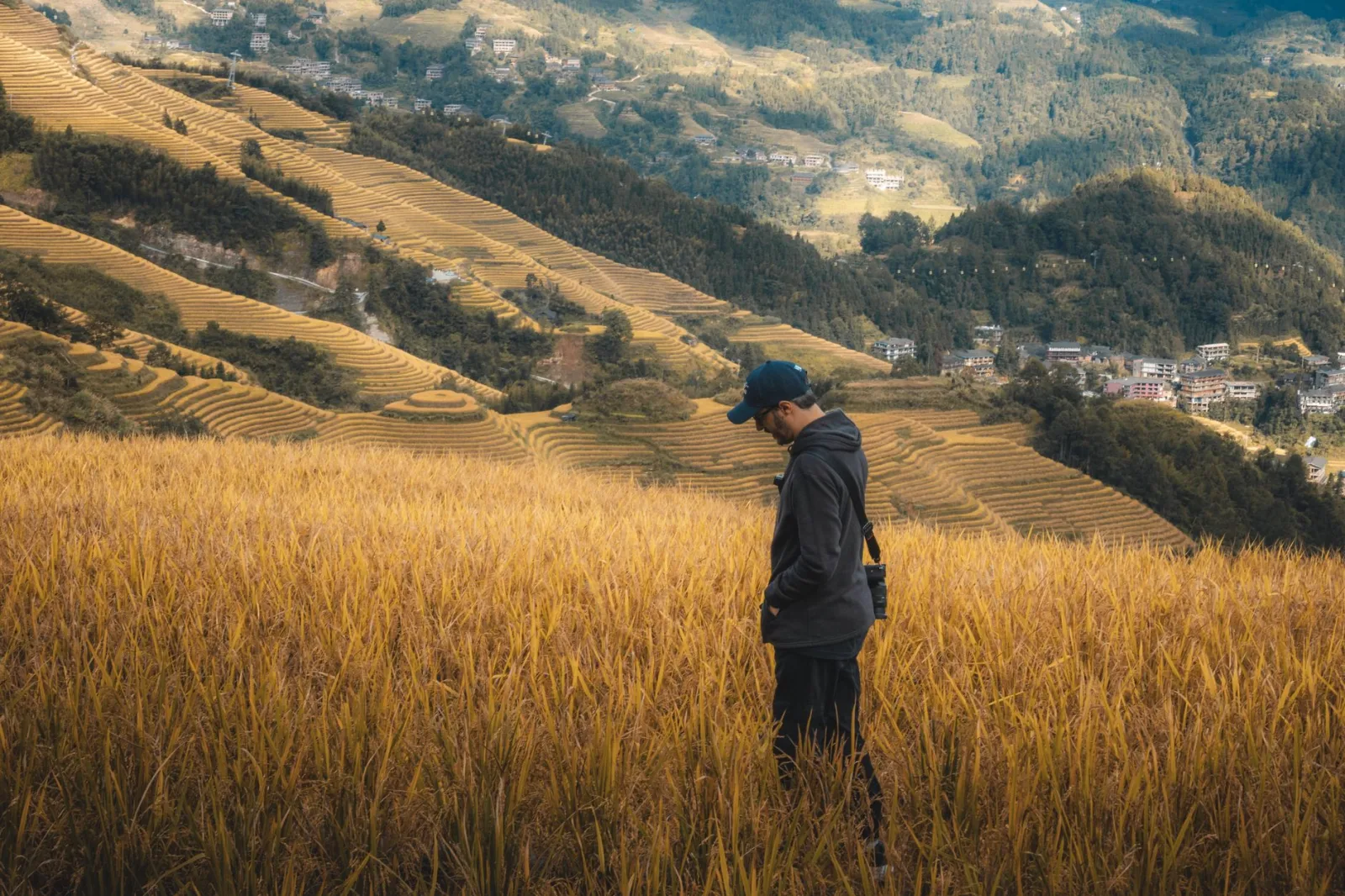
Travel mindfulness refers to the practice of being fully present and aware during your travel experiences. It encourages you to engage with your surroundings, allowing for a deeper connection to the places you visit. This approach not only enriches your travel experiences but also fosters a sense of calm and well-being amid the chaos often associated with travel.
When you travel, it’s easy to get caught up in planning, logistics, and the overwhelming excitement of new sights. However, practicing mindfulness helps you savor each moment, promoting a more fulfilling travel experience. For instance, instead of rushing through a beautiful landscape to capture the perfect photo, you might take a moment to breathe it all in, appreciating the colors, sounds, and emotions around you.
Here are several practical techniques to help you cultivate presence during your travels:
Mindful Breathing: Take a few moments to focus on your breath. Inhale deeply for a count of four, hold for four, and exhale for four. This simple technique can help center your thoughts and ground you in the present moment.
Engage Your Senses: Actively observe your environment. What do you see, hear, smell, taste, and feel? Engaging your senses can deepen your connection to the place you are visiting. For example, while walking through a market, notice the colors of the fruits, the sounds of vendors, and the aromas of spices.
Practice Gratitude: Take time each day to reflect on what you are grateful for in your travel experience. This could be as simple as appreciating a delicious meal or a friendly local. Keeping a travel gratitude journal can be a powerful tool for this.
Limit Distractions: Consider leaving your phone in your bag during certain activities. This allows you to fully engage with your surroundings without the distraction of notifications or the urge to document every moment.
2. Awareness Techniques for Deeper Connection
Awareness techniques can help you not only stay present but also connect more deeply with the local culture and environment.
Active Listening: When conversing with locals, practice active listening by fully concentrating on what they are saying without interrupting. This promotes a genuine connection and enhances your understanding of the culture.
Savoring the Moment: When you find yourself enjoying a particular view or experience, take a moment to pause and soak it in. This could be during a sunset or while tasting a new dish. Allow yourself to be fully present in that moment, appreciating it for what it is.
Journaling: Spend time each day writing about your experiences. Reflecting on your daily adventures can help you process your feelings and insights, leading to a greater understanding of your journey.
Mindful Walking: During your travels, take time to walk mindfully. Notice your steps, the ground beneath your feet, and the rhythm of your breath. This practice can transform a simple walk into a meditative experience.
3. Mindfulness in Different Travel Scenarios
Travel mindfulness can be applied in various scenarios, enhancing your experience regardless of where you are.
📷 Murat Ak – Pexels
Air Travel
Long flights can be stressful. Use this time to practice mindfulness by engaging in deep breathing exercises or meditating. Consider downloading mindfulness apps that provide guided meditations specifically designed for travel.
Exploring New Cities
As you navigate through unfamiliar streets, focus on the details around you. Notice architectural styles, street signs, or local art. This awareness not only enriches your experience but also helps you feel more connected to the city.
📷 Pedro Gonçalves – Pexels
Cultural Experiences
When participating in local cultural events, practice presence by immersing yourself in the experience. For instance, if you’re attending a traditional dance, focus on the movements, the music, and the feelings it evokes in you.
4. Overcoming Challenges to Mindfulness
While it’s ideal to stay mindful during your travels, challenges may arise. Here are some common obstacles and how to navigate them:
Rushing: Travel itineraries can be packed, leading to a hurry to check off sights. Pro tip: Allow buffer time between activities to slow down and enjoy your surroundings.
Distractions: The temptation to document every moment can detract from your experience. Important note: Set specific times for photos or social media updates, allowing you to be fully present in between.
Unease in New Environments: Feeling overwhelmed in a new place is normal. If you find yourself anxious, take a moment to breathe and remind yourself of the beauty and excitement of exploration.
To make travel mindfulness a lasting practice, consider integrating it into your travel routine:
Morning Rituals: Start your day with a few minutes of mindfulness meditation or journaling. This sets a positive tone for the day ahead.
Daily Reflection: Before bed, take a moment to reflect on your day. What moments stood out? How did they make you feel? This practice helps reinforce mindfulness.
Mindful Eating: When dining, focus on the flavors and textures of your food. This can transform mealtime into a mindful experience.
Conclusion: Key Takeaways for Travel Mindfulness
Travel mindfulness enhances your experiences by fostering a deeper connection to your surroundings and yourself. By practicing techniques such as mindful breathing, engaging your senses, and active listening, you can cultivate presence and awareness during your travels. Remember, it’s not just about the destinations but also about how you choose to experience them. Embrace these techniques and allow mindfulness to enrich your journeys.