





Understanding Spiritual Trails
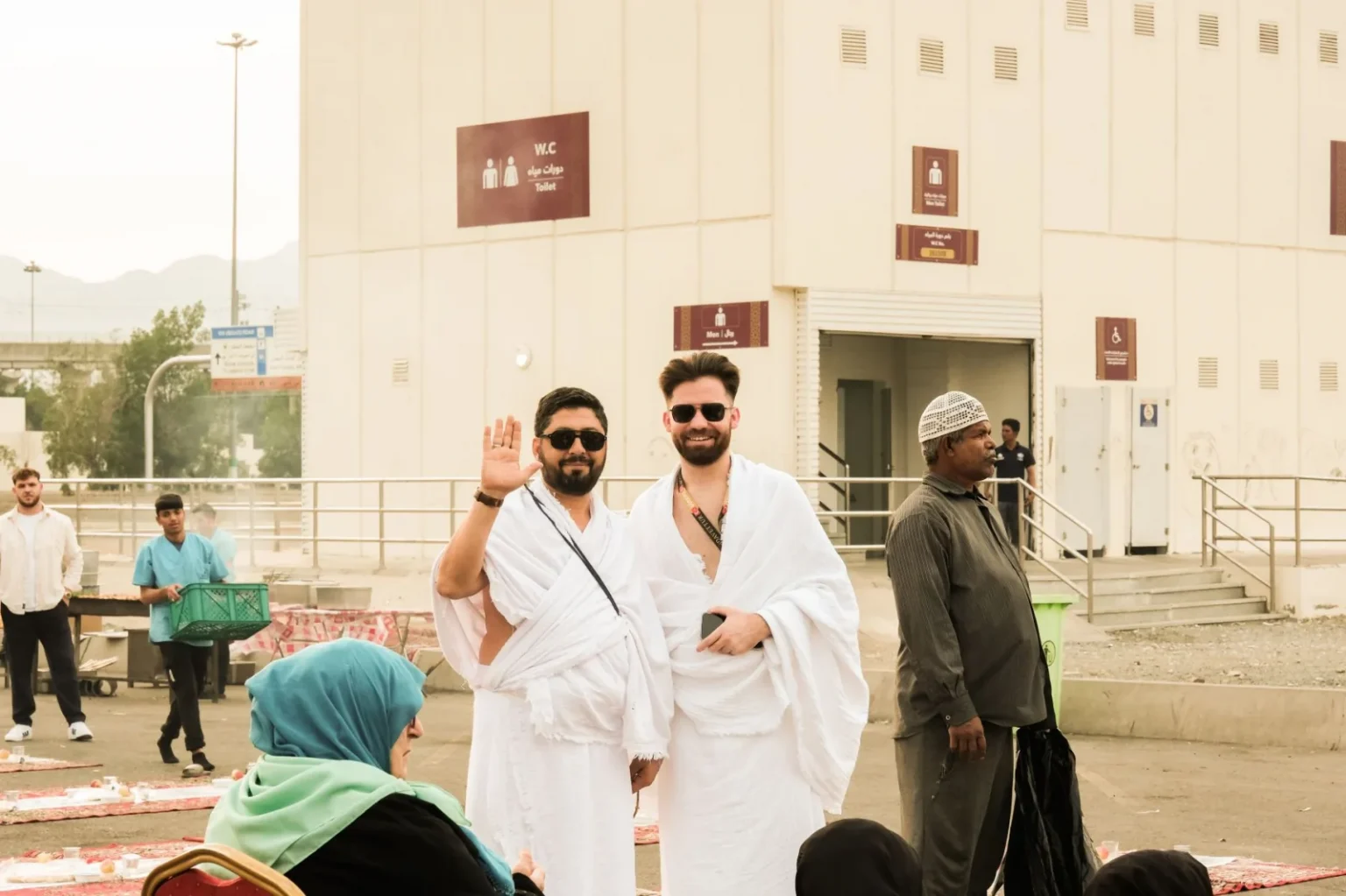
Spiritual trails are pathways that guide individuals on journeys of introspection, growth, and connection to the divine. In the context of the Arabian Peninsula, these trails often lead to lesser-known sites that are rich in history, culture, and spirituality. Unlike the more famous pilgrimage destinations, such as Mecca or Medina, these hidden pilgrimage sites offer a more intimate experience with fewer crowds and a deeper sense of peace.
1. The Historical Context of Pilgrimages in the Arabian Peninsula
The Arabian Peninsula is steeped in a long history of spiritual practices. Pilgrimages have been a part of this rich tapestry for centuries, shaped by the diverse cultures and religions that have thrived in the region. While many are familiar with the Islamic pilgrimage to Mecca, there are numerous other routes and sites that have spiritual significance, often tied to ancient traditions and local beliefs.
2. Discovering Hidden Pilgrimage Sites
Exploring hidden pilgrimage sites can lead you to unique experiences that reveal the true essence of the Arabian Peninsula. Here are a few noteworthy locations:
2.1. Al Ula: The Valley of the Ancients
Al Ula is not just a UNESCO World Heritage site but also a spiritual haven. The ancient Nabatean city is surrounded by stunning rock formations and archaeological wonders. Here, you can walk the trails once used by traders and pilgrims alike, reflecting on the area’s rich history. Engage with local guides who can share stories about the spiritual significance of various sites, such as the breathtaking Madain Saleh.
2.2. The Sacred Mountain of Jebel al-Lawz
Located in northwestern Saudi Arabia, Jebel al-Lawz is often linked to biblical narratives and is believed by some to be the biblical Mount Sinai. The mountain offers hiking trails that lead to stunning views and rock formations with ancient inscriptions. As you trek, take time to meditate and contemplate the spiritual stories connected to this site.
2.3. The Oasis of Al-Ahsa
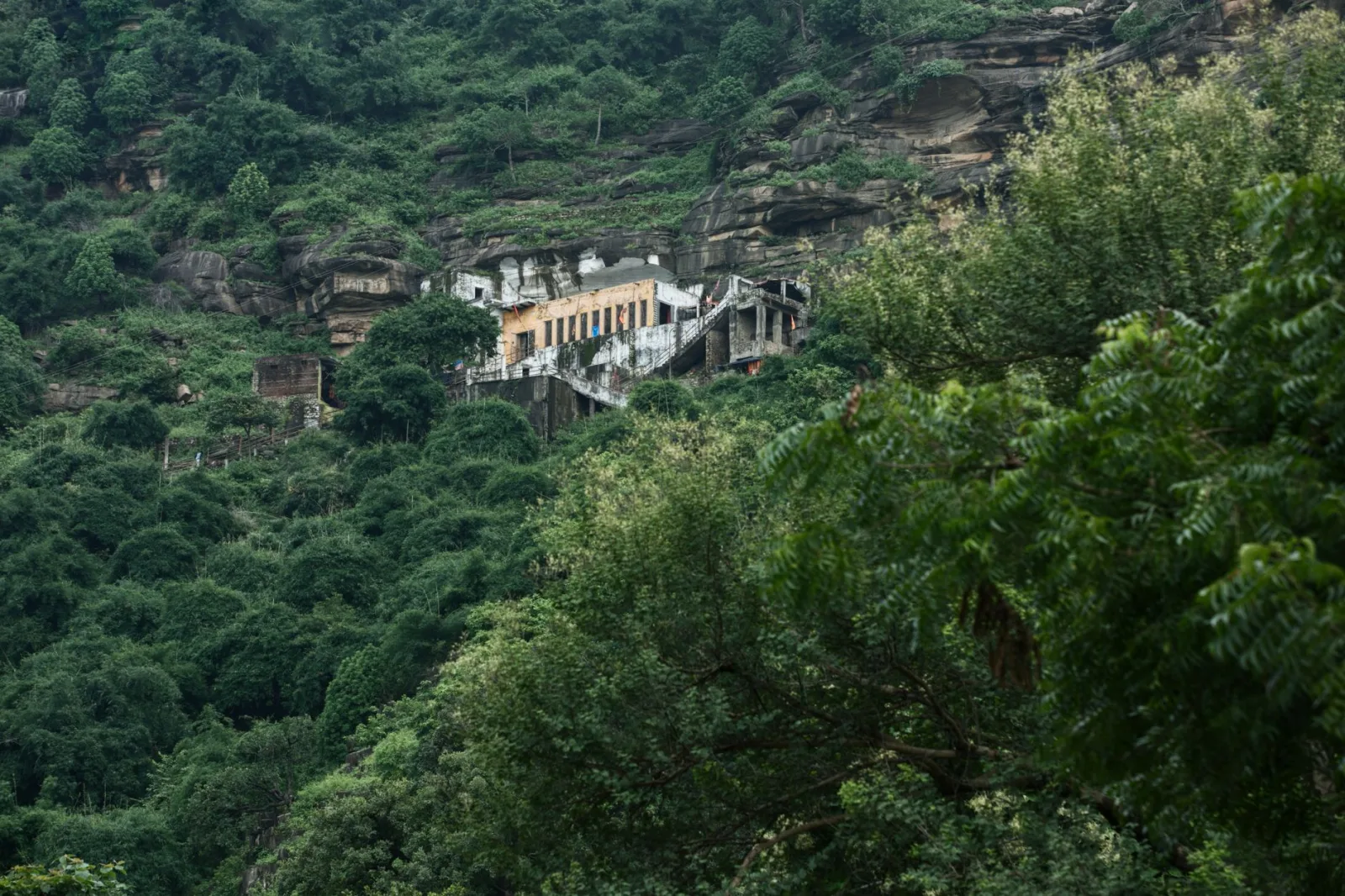
The Al-Ahsa Oasis, a UNESCO World Heritage site, is one of the largest date palm oases in the world. This area has been a spiritual retreat for centuries, with numerous mosques and shrines scattered throughout. The tranquility of the oasis provides an ideal backdrop for reflection and prayer. You can also learn about local traditions and the significance of date cultivation in the region.
3. Preparing for Your Spiritual Journey
Before embarking on your journey along these spiritual trails, it’s essential to prepare adequately. Here are some steps to ensure a meaningful experience:
3.1. Research Your Destinations
Familiarize yourself with the history and cultural significance of the sites you plan to visit. Understanding local customs and traditions will enhance your journey. Consider reading books or articles about the spiritual practices of the region. For example, learning about the art of hospitality in local cultures can enrich your interactions.
3.2. Plan Your Route
Mapping out your journey is crucial for a smooth experience. Identify the trails and sites that resonate with you and plan your travel logistics accordingly. A practical approach is to start with the more accessible locations, gradually venturing to more remote areas as you gain confidence in your navigation skills.
3.3. Pack Mindfully
Bring items that enhance your spiritual experience, such as a journal for reflection, comfortable clothing for hiking, and a camera to capture the beauty around you. It’s also wise to carry essential supplies like water, snacks, and a first-aid kit. Important note: Always respect the environment and local customs by leaving no trace behind.
4. Engaging with Local Spiritual Practices
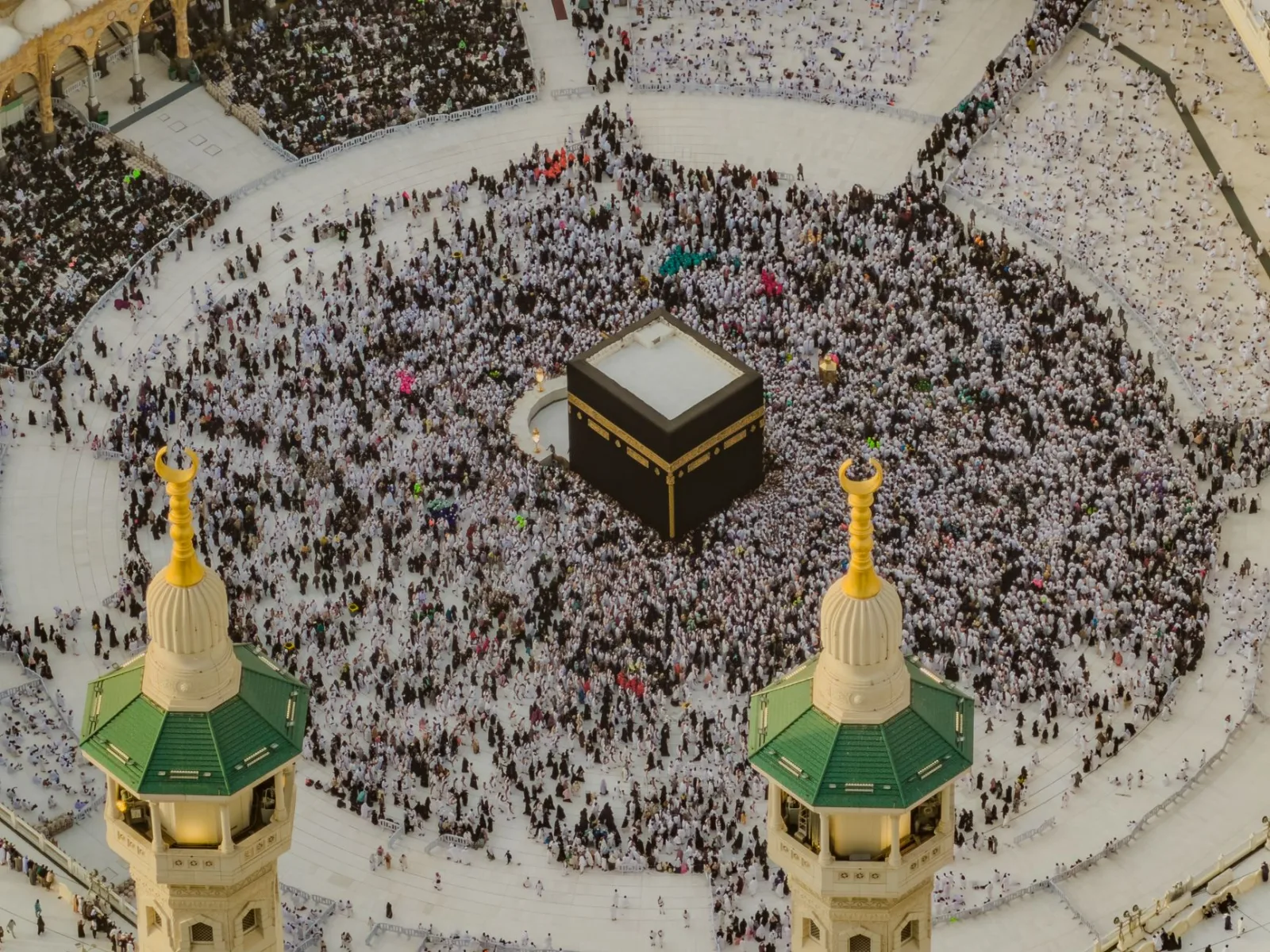
As you explore these hidden pilgrimage sites, consider participating in local spiritual practices. Engaging with the community can provide deeper insights into their beliefs. Here are a few ways to connect:
4.1. Join Local Ceremonies
Many areas host traditional ceremonies that reflect local spirituality. Participating can offer a unique perspective on the cultural fabric of the region. For instance, you might encounter a local festival celebrating the harvest or a ceremony honoring a significant historical event.
4.2. Connect with Spiritual Leaders
Seek out local spiritual leaders or guides who can offer teachings and insights. These individuals often possess profound knowledge of the history and significance of the sites you’re visiting. You may gain access to hidden narratives and practices that are not available in guidebooks.
5. Reflecting on Your Experience
After your journey, take time to reflect on your experiences. Here are some tips to help you process your thoughts:
5.1. Journal Your Journey
Writing down your experiences can solidify your reflections and insights. Consider focusing on what you learned about yourself and the spiritual themes that arose during your travels. A journal is also a great way to document your encounters with local cultures and the natural landscape.
5.2. Share with Others
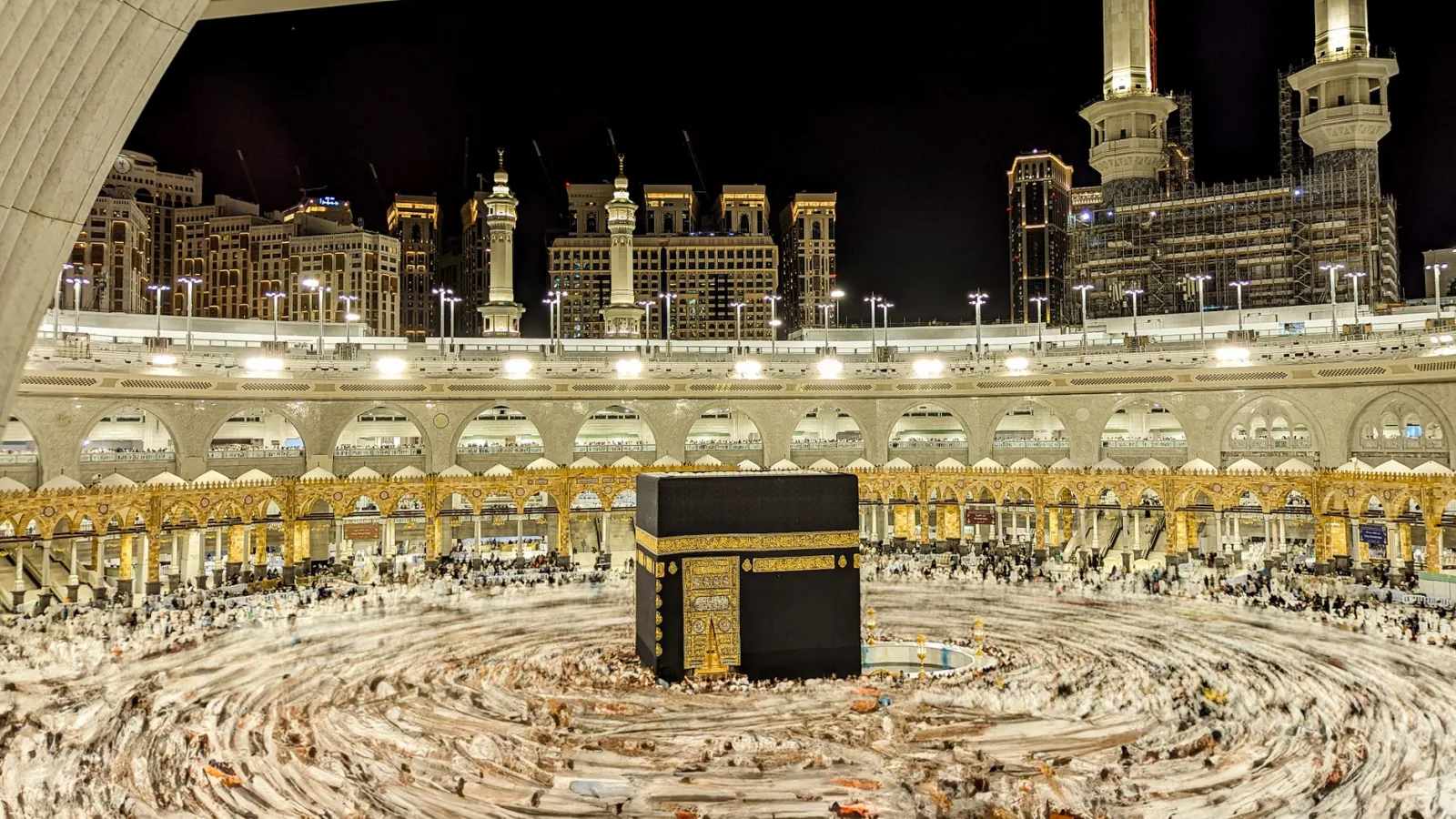
Discussing your experiences with friends or fellow travelers can provide additional perspectives. You might consider giving a presentation or writing an article to share your newfound knowledge. Sharing encourages the exchange of ideas and fosters a deeper understanding of different spiritual paths.
6. Important Tips and Warnings
While exploring the spiritual trails of the Arabian Peninsula, keep these important considerations in mind:
6.1. Respect Local Customs
Different regions may have unique spiritual practices and beliefs. Always approach these with respect and an open mind. For example, dressing modestly is crucial in many areas, especially when visiting religious sites.
6.2. Stay Safe
Some trails may be remote or less traveled. Always inform someone of your plans, and consider traveling with a companion. Additionally, ensure your physical health is up to the demands of hiking and exploring.
Conclusion
The uncharted spiritual trails of the Arabian Peninsula offer a unique opportunity for exploration beyond the well-trodden paths of mainstream pilgrimage sites. By discovering hidden pilgrimage sites like Al Ula and Jebel al-Lawz, and preparing adequately for your journey, you can engage with the rich spiritual heritage of the region. Remember to connect with local culture, reflect on your experiences, and approach your travels with respect and mindfulness. In doing so, you not only embark on a journey of personal growth but also contribute to the preservation of these precious spiritual landscapes.
Key Takeaways:
- Spiritual trails lead to hidden pilgrimage sites rich in history and culture.
- Preparation involves research, route planning, and mindful packing.
- Engaging with local practices enhances your experience.
- Reflection is vital for understanding your journey.
- Always respect local customs and prioritize safety.