




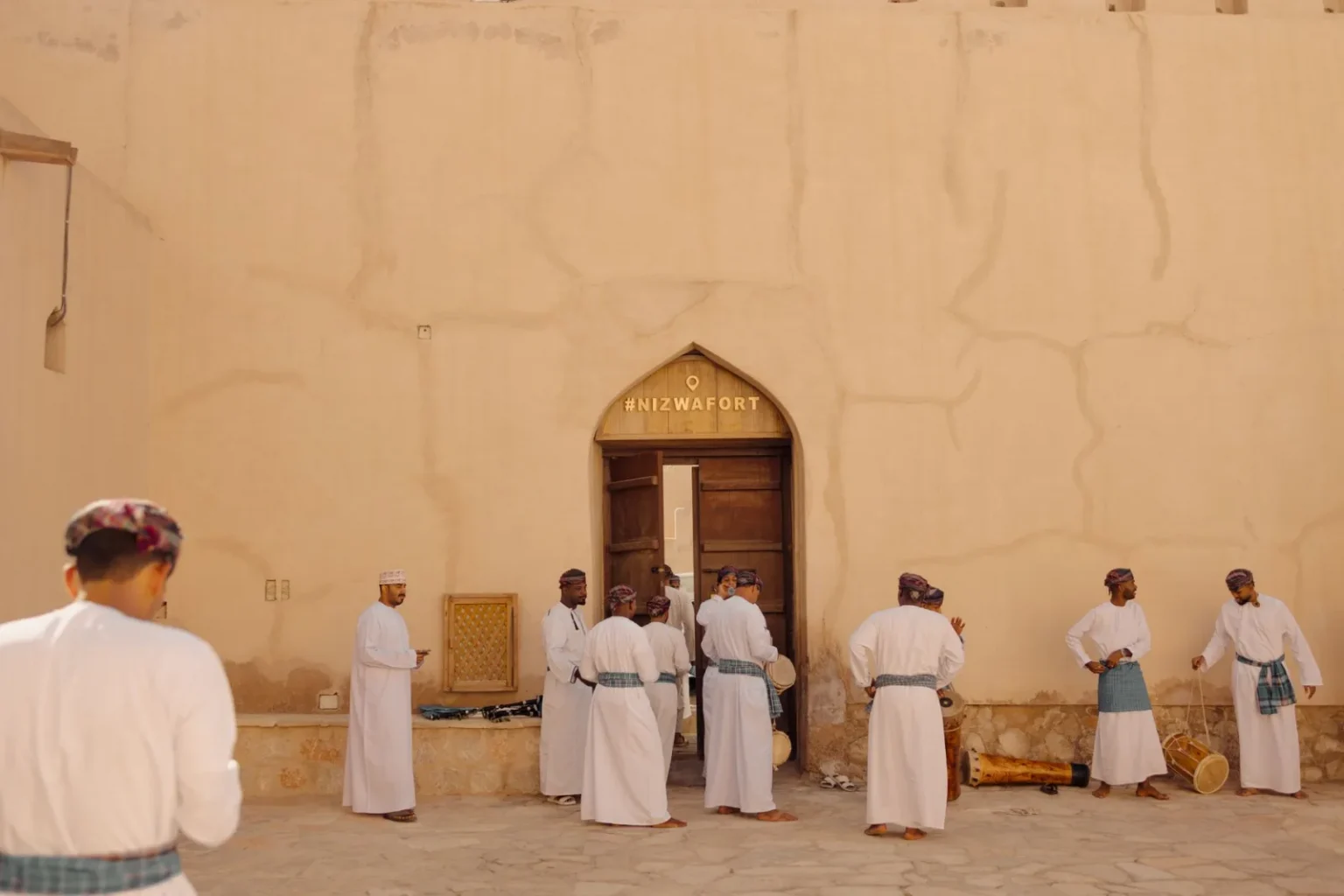

Understanding the Hidden Musical Heritage
The hidden musical heritage of the Arabian Peninsula encompasses unique sounds and rhythms that have evolved over centuries. This cultural exploration reveals how music is interwoven with the daily lives of local communities. Understanding this heritage requires a look at the traditional instruments that have shaped the region’s soundscape.
Traditional Instruments of the Arabian Peninsula
Each traditional instrument carries its own story, often rooted in the history and culture of the people who play them. For instance, the oud, a pear-shaped string instrument, is central to Arabic music. It not only produces melodious tones but also serves as a symbol of cultural identity. As you explore the Arabian Peninsula, you may come across local musicians playing the oud in both intimate settings and larger gatherings.
Another notable instrument is the rebab, a one-stringed instrument that has been played for centuries, particularly in the Bedouin culture. Its haunting sound often accompanies poetry, illustrating the deep connection between music and storytelling in the region. Pro tip: If you have the chance to attend a local festival, listen closely for the rebab’s evocative melodies.

The Role of Music in Cultural Practices
Music in the Arabian Peninsula is not merely entertainment; it plays a vital role in cultural practices. For instance, traditional songs are often performed during weddings, festivals, and religious ceremonies. These events provide a platform for musicians to showcase their skills while preserving the cultural narratives that define their communities. In fact, specific songs may be tied to particular regions, reflecting the diverse history and experiences found across the peninsula.
Exploring Local Music Scenes
To truly appreciate the hidden musical heritage, consider visiting lesser-known towns where traditional music thrives. For example, towns like AlUla and Najran are rich in cultural history and often host local musicians eager to share their craft. You might find impromptu performances in local markets or during community gatherings.
Warning: While exploring these local scenes, be respectful of the cultural norms and practices. Always ask for permission before recording or taking photos, as some may consider it intrusive.

Preservation Efforts and Challenges
Despite the rich musical heritage, traditional music faces challenges due to globalization and urbanization. Many young people are drawn to modern genres, which can overshadow traditional sounds. However, various organizations and local communities are actively working to preserve this heritage. They conduct workshops and festivals aimed at educating younger generations about traditional instruments and music.
For instance, initiatives like the Saudi Music Forum have been established to promote traditional music and provide platforms for local artists. Engaging with these efforts can deepen your understanding of the cultural significance of music in the region.
Participating in Musical Traditions
If you wish to immerse yourself more deeply, consider taking part in local music workshops or classes. These experiences allow you to learn about the instruments firsthand and even try your hand at playing them. Many local musicians offer classes in towns where you can learn the oud or dabble with percussion instruments like the darabuka.
Additionally, engaging with local musicians provides an opportunity to hear personal stories behind the music, enhancing your appreciation for the hidden musical heritage of the Arabian Peninsula.
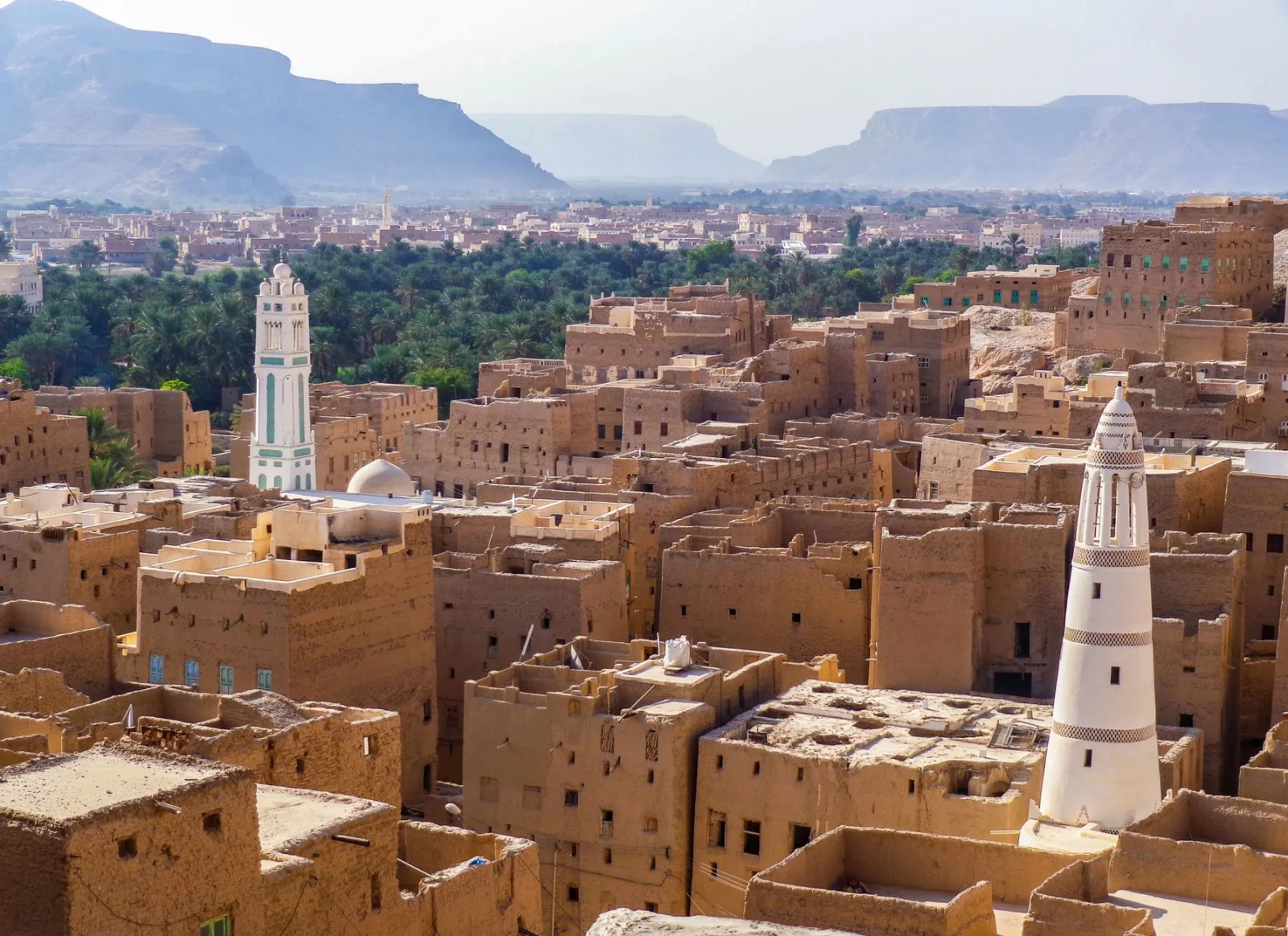
Key Takeaways
Exploring the hidden musical heritage of the Arabian Peninsula is a rewarding journey. Here are some key takeaways:
- Music is integral to cultural practices and storytelling in the region.
- Traditional instruments like the oud and rebab are essential to understanding local music.
- Visit lesser-known towns to experience authentic performances and participate in cultural practices.
- Support preservation efforts to ensure the survival of traditional music.
- Engage with local musicians for a deeper connection to the region’s musical identity.
In conclusion, the hidden musical heritage of the Arabian Peninsula offers a rich tapestry of sounds, stories, and cultural significance. By actively participating and exploring these traditions, you contribute to their preservation and gain invaluable insights into the region’s identity.