





Understanding Hidden Soundscapes
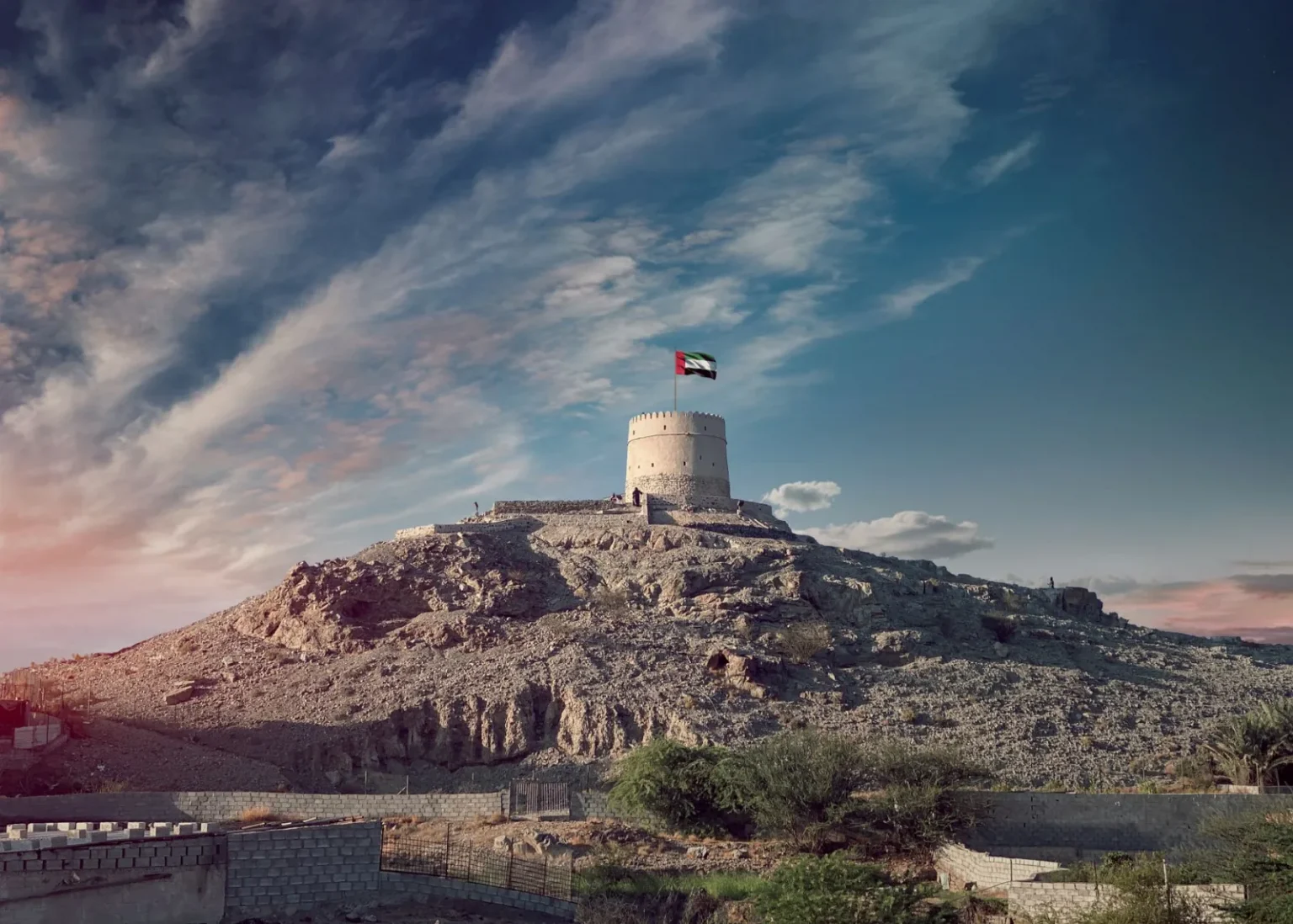
Hidden soundscapes refer to the unique auditory environments that exist in a particular area, often unnoticed by the casual observer. In the context of the Arabian Peninsula, these soundscapes encompass a rich tapestry of nature sounds, local music, and cultural expressions. You might think of soundscapes as a symphony of nature, blending the rustle of palm trees with the distant calls of wildlife. By exploring these hidden soundscapes, you not only gain insight into the environment but also connect with the local culture on a deeper level.
- Understanding Hidden Soundscapes
- The Role of Nature Sounds in the Arabian Peninsula
- Exploring Acoustic Diversity in Lesser-Known Areas
- Local Music: The Sound of Culture
- Connecting Soundscapes to Cultural Experiences
- The Influence of Ancient Trade Routes on Soundscapes
- Practical Tips for Experiencing Hidden Soundscapes
- Conclusion: Embracing the Hidden Melodies
The Role of Nature Sounds in the Arabian Peninsula
The Arabian Peninsula’s diverse ecosystems—from arid deserts to coastal regions—produce a variety of nature sounds. For instance, the soft whispers of wind through the dunes paint a serene backdrop against the occasional chirp of a desert lark. Additionally, the sounds of waves crashing on the Arabian Gulf create a rhythmic melody that invites relaxation. These natural soundscapes are essential; they contribute to the overall experience of the landscape. Let’s break down why these sounds matter:
- Enhancing Connection: Nature sounds can evoke emotions and memories, allowing you to feel more connected to a place.
- Improving Well-being: Studies have shown that exposure to nature sounds can reduce stress and promote relaxation.
- Fostering Awareness: Listening closely to your surroundings can increase your awareness of local wildlife and ecosystems.

Exploring Acoustic Diversity in Lesser-Known Areas
Often, the most profound sound experiences occur in lesser-known locations. For example, the Al Hajar Mountains offer a unique auditory environment. Here, you can hear the echo of your footsteps on rocky paths, the rustling of shrubs, and the distant call of mountain birds. To truly immerse yourself in these soundscapes, consider the following steps:
- Choose Off-Peak Times: Visit during early mornings or late afternoons when nature is most active, and human noise is minimal.
- Bring a Recording Device: Capture the sounds of your surroundings to reflect on later.
- Practice Mindfulness: Sit quietly and focus on the sounds you hear. Note how they change with the wind or time of day.
Local Music: The Sound of Culture
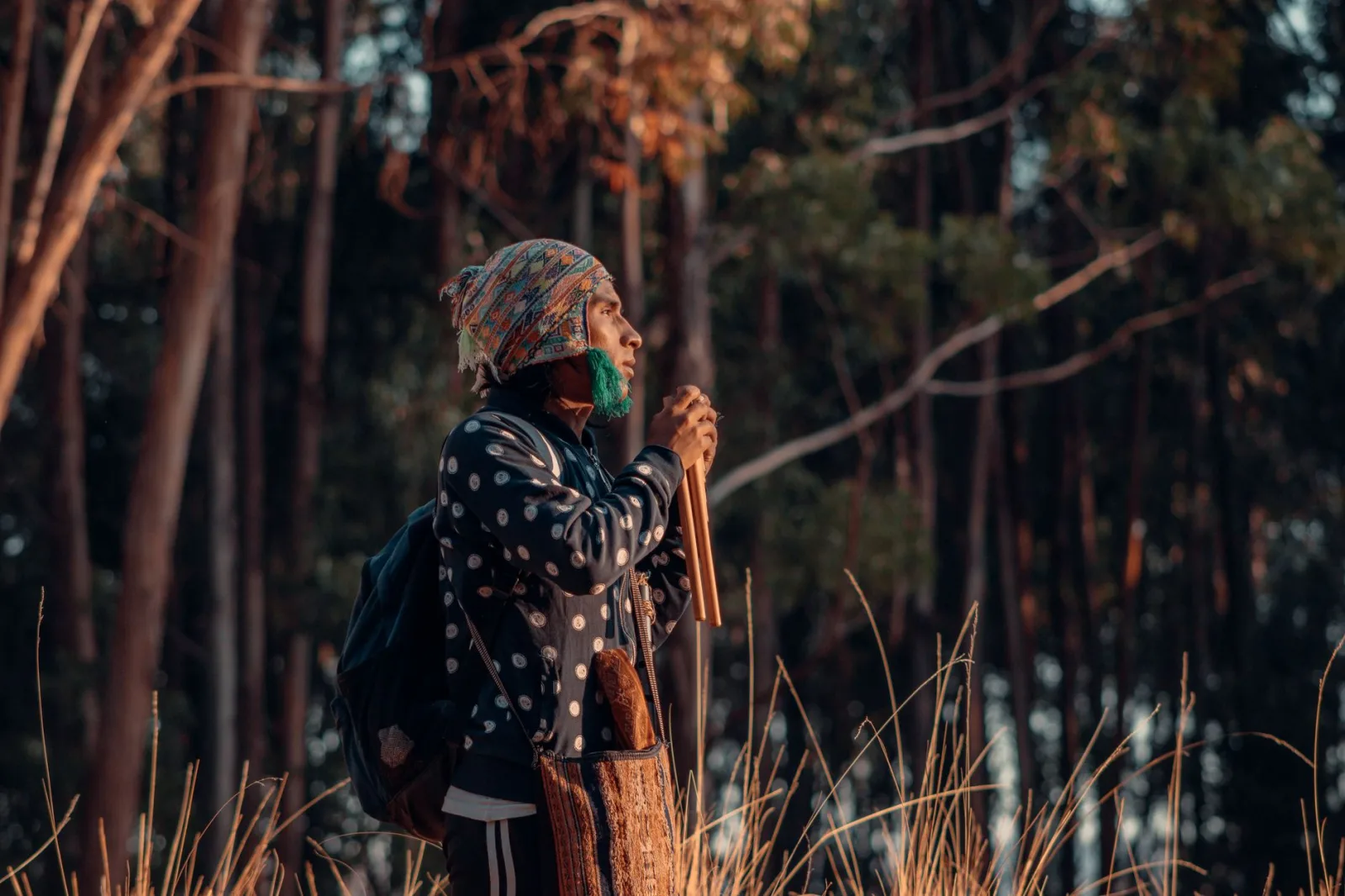
Local music is another integral part of the Arabian Peninsula’s hidden soundscapes. Each region boasts distinct musical traditions, often reflecting the cultural heritage of its people. Instruments like the oud and the darbouka resonate in local gatherings, creating a vibrant atmosphere. For example, in the coastal town of Sur, you can hear traditional sea shanties sung by fishermen, a practice that has persisted for generations. To fully appreciate this aspect, seek out cultural experiences such as:
- Attending Local Festivals: Many towns celebrate their heritage through music festivals featuring local artists.
- Participating in Workshops: Engage in local music workshops to learn about traditional instruments and rhythms.
- Visiting Cultural Centers: These often host performances that showcase the region’s musical talent.
Connecting Soundscapes to Cultural Experiences
Soundscapes are not just about what you hear; they also encapsulate the stories and traditions of a place. For instance, in remote villages like Al Hamra, you may hear the sounds of communal gatherings where storytelling blends with music, creating a rich cultural experience. Understanding these connections can deepen your appreciation of the region. Here’s how:
- Engage with Locals: Talk to residents about their traditions and the significance of the sounds you hear.
- Document Your Journey: Take notes or record conversations to preserve your experiences.
- Explore Historical Context: Research how soundscapes have evolved with the region’s history, including influences from trade routes.
The Influence of Ancient Trade Routes on Soundscapes
Ancient trade routes across the Arabian Peninsula have significantly influenced its soundscapes. As merchants traveled, they brought with them new instruments, sounds, and musical styles. For example, the incense trade routes introduced different cultural influences, which can still be heard in contemporary music. To explore this connection further, consider:
- Visiting Historical Sites: Sites along ancient trade routes often have guided tours focusing on cultural exchanges.
- Exploring Archaeological Finds: Museums may exhibit artifacts related to music and sound from these periods.
- Listening to Modern Interpretations: Discover how contemporary musicians incorporate historical influences into their work.

Practical Tips for Experiencing Hidden Soundscapes
To fully immerse yourself in the hidden soundscapes of the Arabian Peninsula, here are some practical tips:
- Plan Your Visits: Research locations known for their acoustic qualities, such as quiet deserts or bustling souks.
- Use Technology Wisely: Consider using apps that enhance your listening experience by filtering out background noise.
- Stay Open-Minded: Be receptive to unexpected sounds, as they may lead to unique discoveries.
Conclusion: Embracing the Hidden Melodies
Exploring the hidden soundscapes of the Arabian Peninsula offers a unique opportunity to connect with nature and culture. By listening to the rich tapestry of sounds around you, from the whispers of the desert to the rhythms of local music, you can gain a deeper understanding of this fascinating region. Remember to engage with locals, explore lesser-known areas, and appreciate the connections between sound and culture. These experiences may not only enrich your travels but also leave you with lasting memories that resonate long after your journey ends.
In summary, the hidden soundscapes of the Arabian Peninsula are a treasure trove of experiences waiting to be discovered. Embrace the opportunity to listen actively, engage with local traditions, and connect with the natural world. For further exploration, you might enjoy reading about Unveiling the Hidden Artisans of the Arabian Peninsula or The Secret Rituals of Desert Nomads to discover more about the cultural influences that shape these soundscapes.