





Discovering Artisan Markets
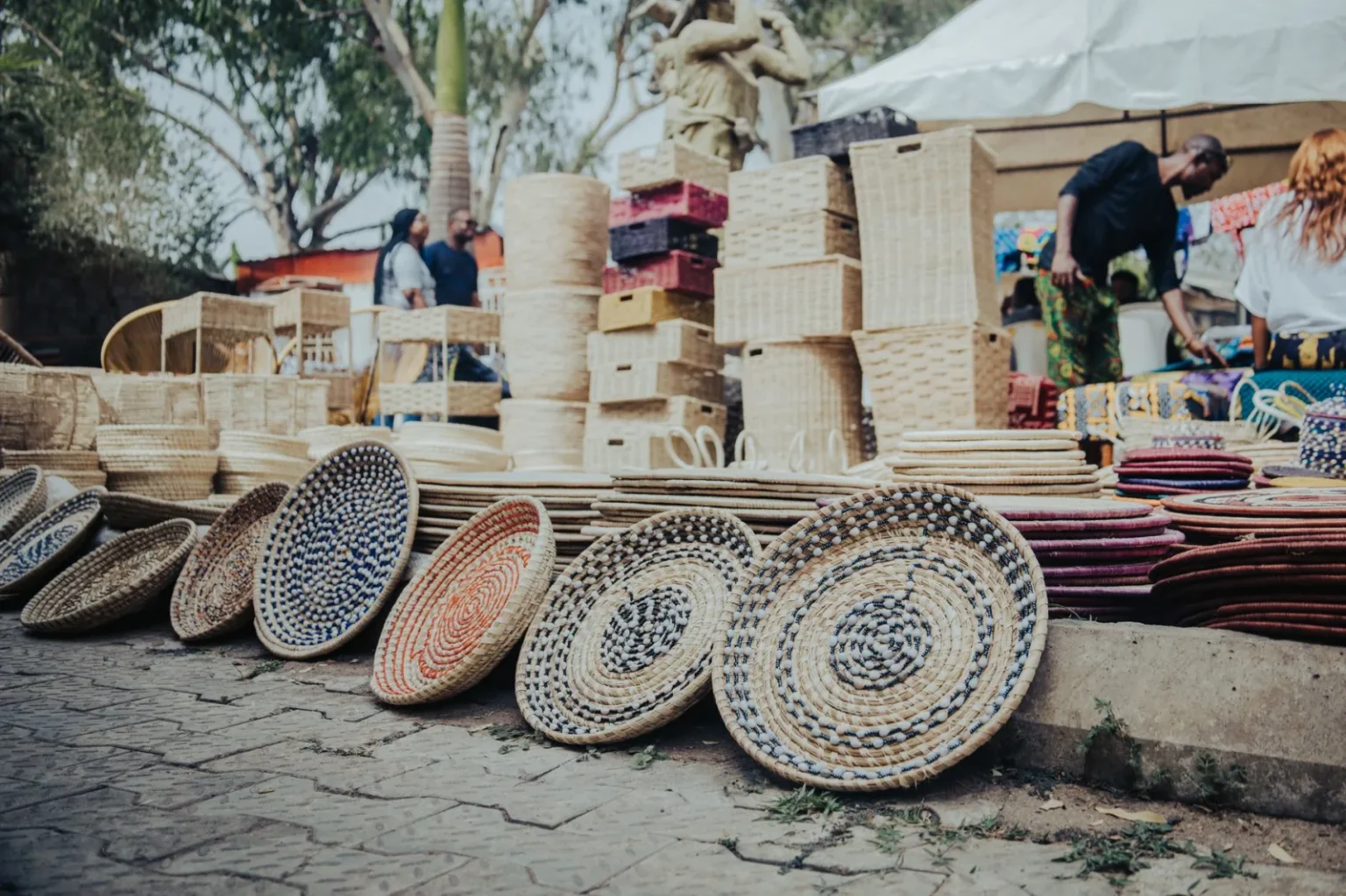
The Arabian Peninsula is a treasure trove of artisan markets, where local crafts reflect the rich cultural tapestry of the region. These markets often go unnoticed by mainstream tourists, yet they offer authentic experiences and unique items that tell the stories of their communities. Understanding the local crafts and traditions is key to appreciating the true essence of these artisan markets.
The Role of Local Crafts
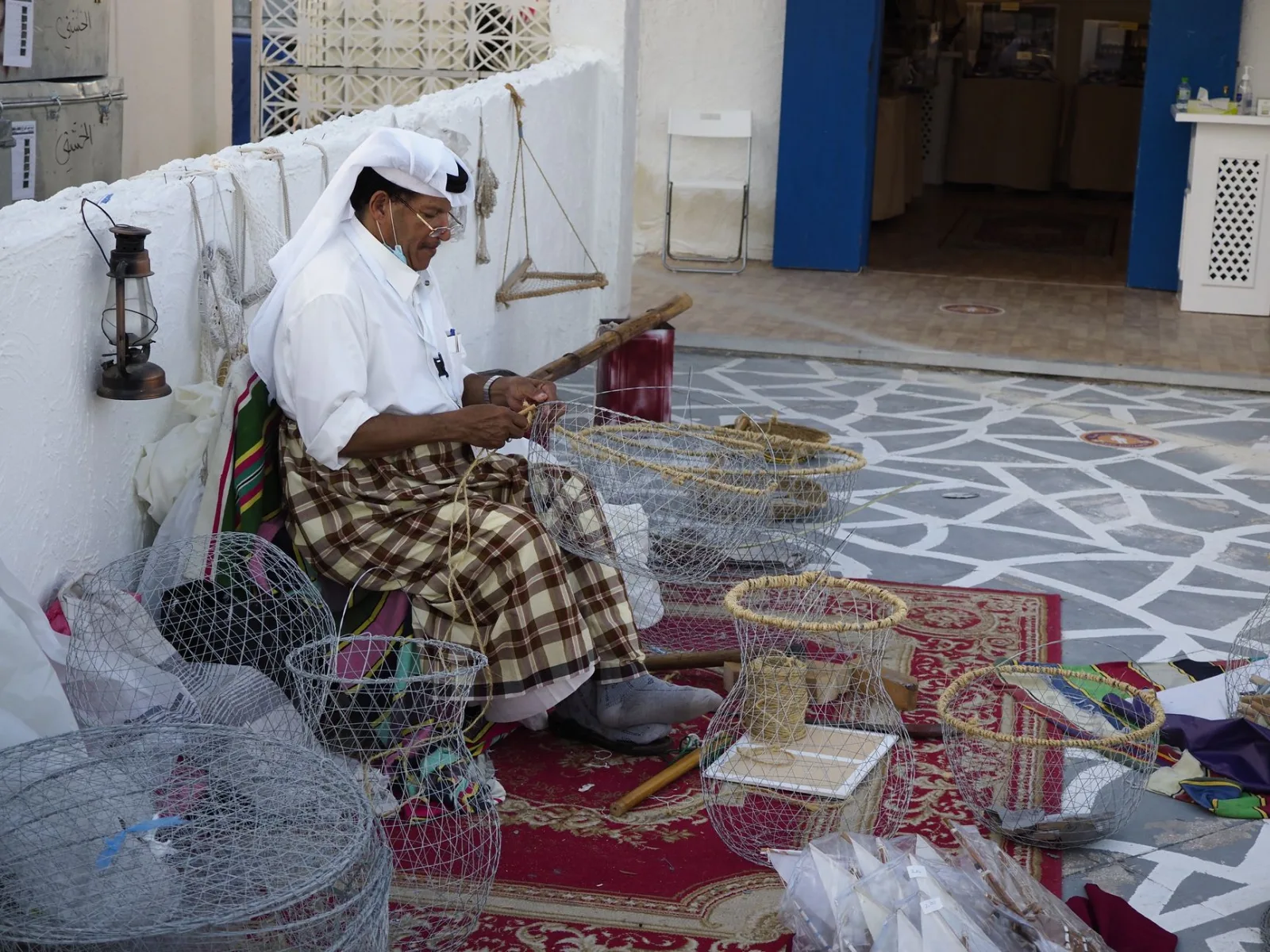
Local crafts in the Arabian Peninsula are not merely products for sale; they are embodiments of tradition, history, and identity. Each craft, whether it’s weaving, pottery, or jewelry making, has its own narrative. For example, the intricate designs of Bedouin jewelry symbolize tribal affiliations and personal stories. When you purchase a handcrafted item, you are not just buying a souvenir; you are acquiring a piece of the culture.
Top Artisan Markets to Explore
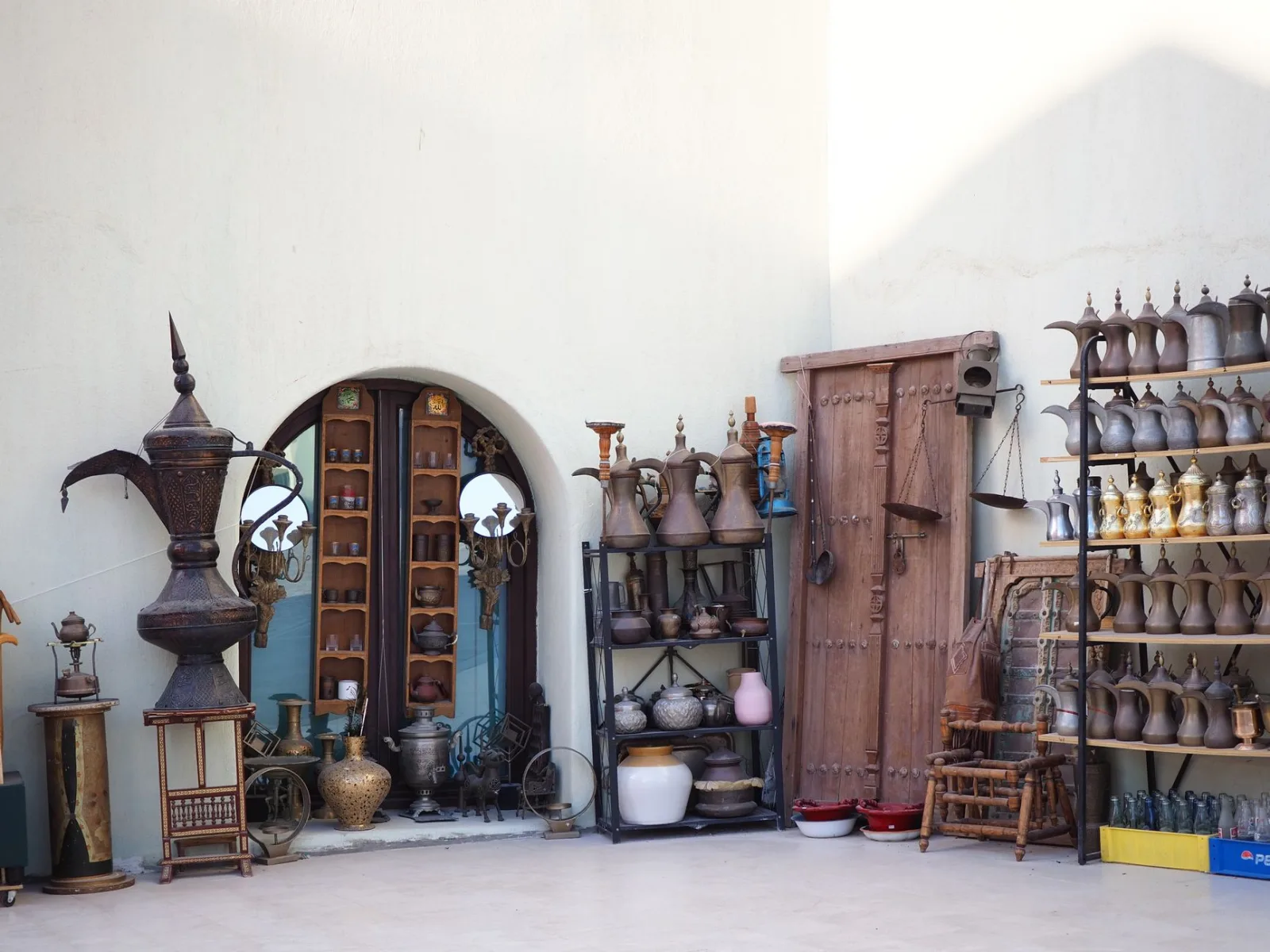
Here are some of the most notable artisan markets across the Arabian Peninsula that you should consider visiting:
- Souk Al-Mubarakiya, Kuwait: This bustling market offers a variety of local crafts, from textiles to spices. It’s an excellent spot to see traditional Kuwaiti culture in action.
- Al Qaysariya Souq, Saudi Arabia: Located in the historic city of Al Ahsa, this market is famous for its handmade pottery and intricate woodwork. Each piece often reflects the region’s rich history.
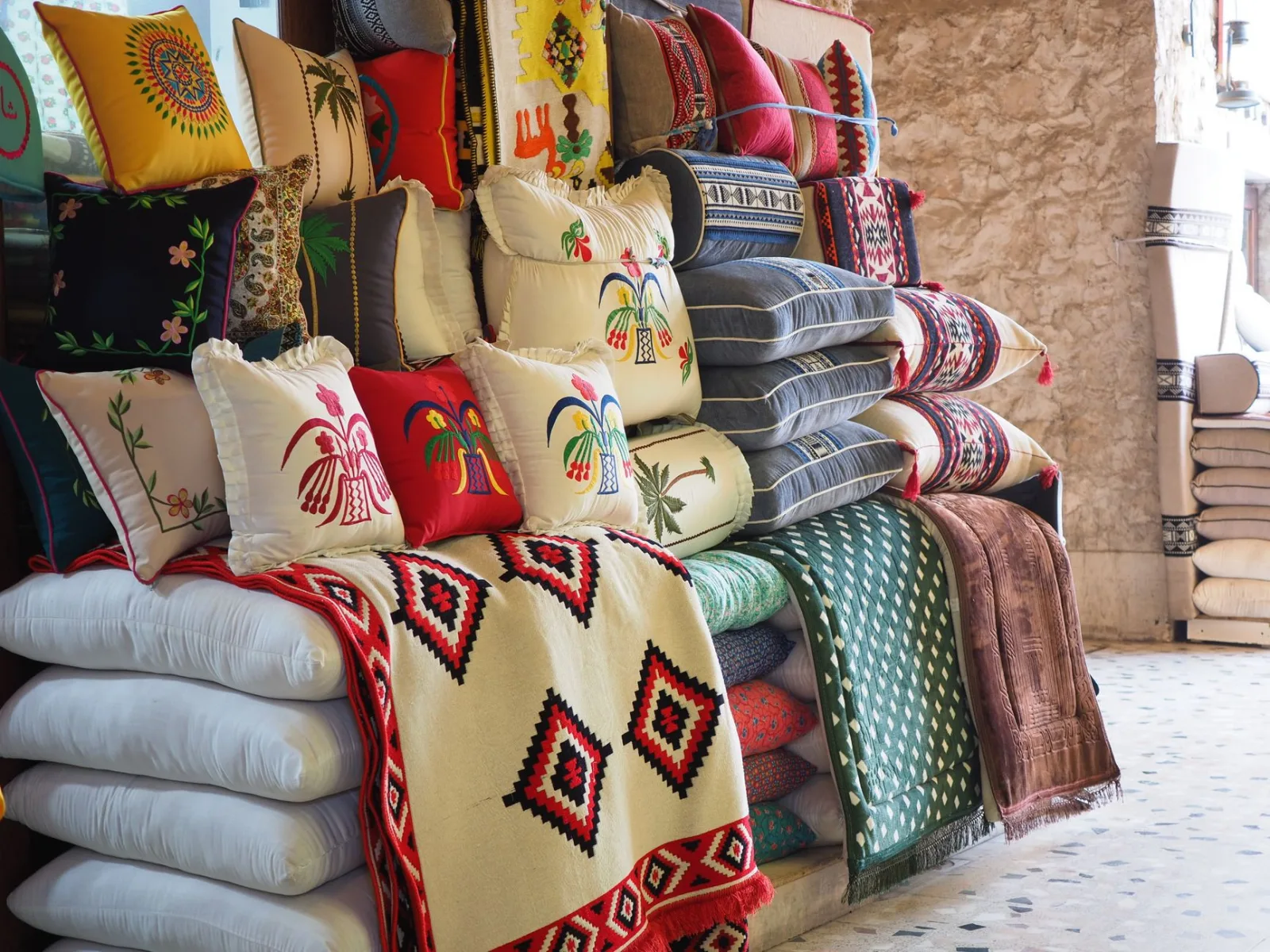
- Souk Waqif, Qatar: A vibrant marketplace where you can find handcrafted items ranging from carpets to traditional Qatari attire. It’s also a great place to sample local cuisine.
- Al Ain Camel Souq, UAE: Beyond the usual crafts, this market is unique for its focus on camels, showcasing the significant role these animals play in Bedouin culture.
- Oman’s Mutrah Souq: This historic market features a wide array of silver jewelry, frankincense, and traditional Omani handicrafts, making it a must-visit for any craft enthusiast.
Understanding Craft Techniques
Each artisan market is a reflection of the unique techniques passed down through generations. For instance, pottery in Oman often uses a method called ‘shaping’, which involves hand-molding clay before firing it. This technique is not just about functionality; it often incorporates artistic elements that showcase the artisan’s creativity. Understanding these methods gives you deeper insight into the value of each piece.
Connecting with Local Artisans
Building relationships with local artisans can enhance your experience. Here are some steps you can take:
- Engage: Don’t hesitate to ask artisans about their craft. Most are passionate and willing to share their stories and techniques.
- Participate: Many markets offer workshops where you can try your hand at local crafts, such as weaving or pottery. This hands-on experience can be incredibly rewarding.
- Support: Purchasing directly from artisans ensures they receive fair compensation for their work, thereby supporting their craft and community.
Preserving Traditions
As modernization sweeps across the Arabian Peninsula, many traditional crafts face the risk of fading away. Artisan markets play a crucial role in preserving these traditions. By visiting and supporting these markets, you contribute to the sustenance of local crafts and help maintain cultural heritage. Important note: Look for local initiatives that aim to promote and preserve these artisan skills.
Tips for Visiting Artisan Markets
To make the most of your visit to artisan markets, keep these tips in mind:
- Plan Ahead: Research the market days and timings, as many artisan markets operate on specific days of the week.
- Be Respectful: Remember that these markets are often part of local communities, so approach with respect and courtesy.
- Haggle Wisely: Bargaining is common in many markets, but ensure that it’s done respectfully. Understand the value of the craft before negotiating.
- Stay Open-Minded: Each market has its unique vibe. Be open to exploring items you may not have initially considered.
Conclusion: Embracing the Artisan Spirit
The hidden artisan markets of the Arabian Peninsula are more than just shopping destinations; they are vibrant cultural experiences that connect you to the heart of local traditions. By exploring these markets, you not only gain unique souvenirs but also support the artisans and their craft. As you wander through the stalls, remember the stories behind the items and the dedication that went into creating them. So, the next time you find yourself in the Arabian Peninsula, take the time to seek out these hidden gems. Your journey through local crafts will likely enrich your understanding of the region’s rich cultural heritage.
For further exploration of the Arabian Peninsula’s hidden treasures, consider reading about the hidden sounds of the region or discovering secret adventures in natural caves.