






The Essence of Traditional Pottery
Traditional pottery in the Arabian Peninsula is not merely functional; it embodies centuries of culture and artistry. This ancient craft has been passed down through generations, reflecting the region’s rich history and the lifestyles of its people. You may find that the techniques used are as diverse as the landscapes of the Peninsula itself. For instance, pottery styles can vary significantly between coastal towns and desert communities, each influenced by the local environment and traditions.
Understanding the Crafting Process
To truly appreciate traditional pottery, it’s essential to understand the crafting process. This typically involves several key steps:
- Clay Selection: Artisans begin by sourcing local clay, which varies in texture and color. This choice greatly affects the final product’s aesthetics.
- Shaping: Using their hands or simple tools, artisans shape the clay into vessels, bowls, or decorative items. This step requires skill and an understanding of balance and proportion.
- Drying: After shaping, the pottery needs to dry to a leather-hard state. This is a crucial phase, as premature firing can lead to cracks.
- Firing: The pottery is then fired in a kiln, where high temperatures solidify the clay. This process can be traditional, using open flames, or more modern with electric kilns.
- Glazing: Finally, artisans apply glazes, which can be vibrant or muted, depending on cultural preferences. Glazing not only adds color but also makes the pottery functional, ensuring it is waterproof.
This step-by-step process illustrates how traditional pottery marries functionality with artistic expression. Understanding this can deepen your appreciation when you visit artisan workshops.
Exploring Local Artisans
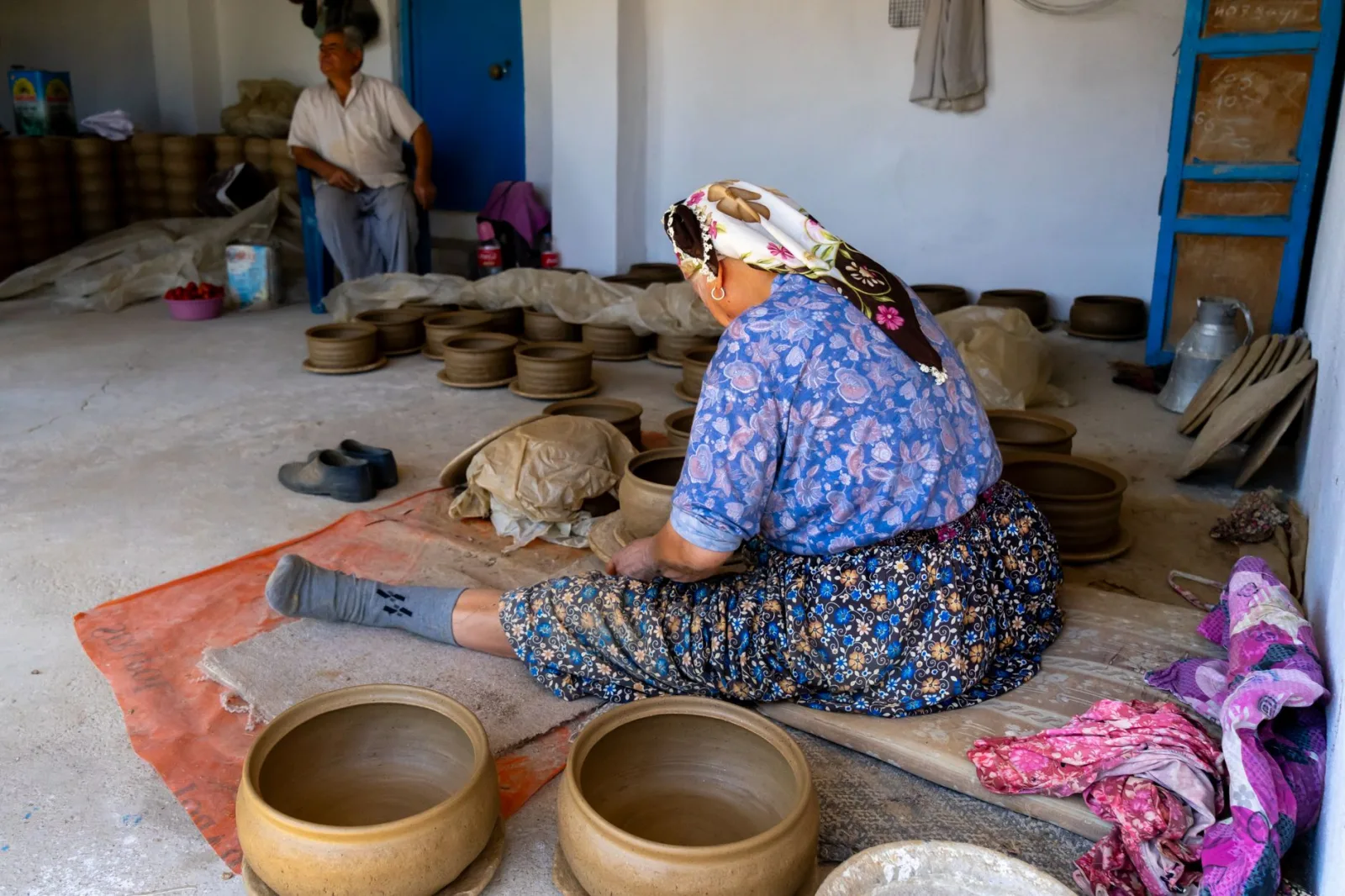
Local artisans are the heartbeat of traditional pottery in the Arabian Peninsula. Each artisan often has a unique style that reflects their community’s traditions. For example, in Bahrain, you might encounter potters using a technique called ‘throwing’ on a wheel, while in Oman, hand-building methods are more prevalent. Visiting these artisans provides a chance to witness their craftsmanship firsthand and learn about the stories behind their creations.
Regions to Discover
Each country within the Arabian Peninsula boasts its unique pottery styles:
- Saudi Arabia: In regions like Al-Ula, you can find pottery that showcases ancient Nabatean influences. The designs often incorporate intricate carvings and natural pigments.
- Oman: Known for its distinctive ‘Khanjar’ bowls, Omani pottery frequently features beautiful geometric patterns and is often used in traditional ceremonies.
- Qatar: Pottery here often combines traditional and contemporary styles, with local artisans experimenting with forms and glazes that appeal to modern tastes.
Each region provides a unique opportunity to engage with local artisans and understand their techniques and inspirations, enhancing your travel experience.
Preserving Cultural Heritage
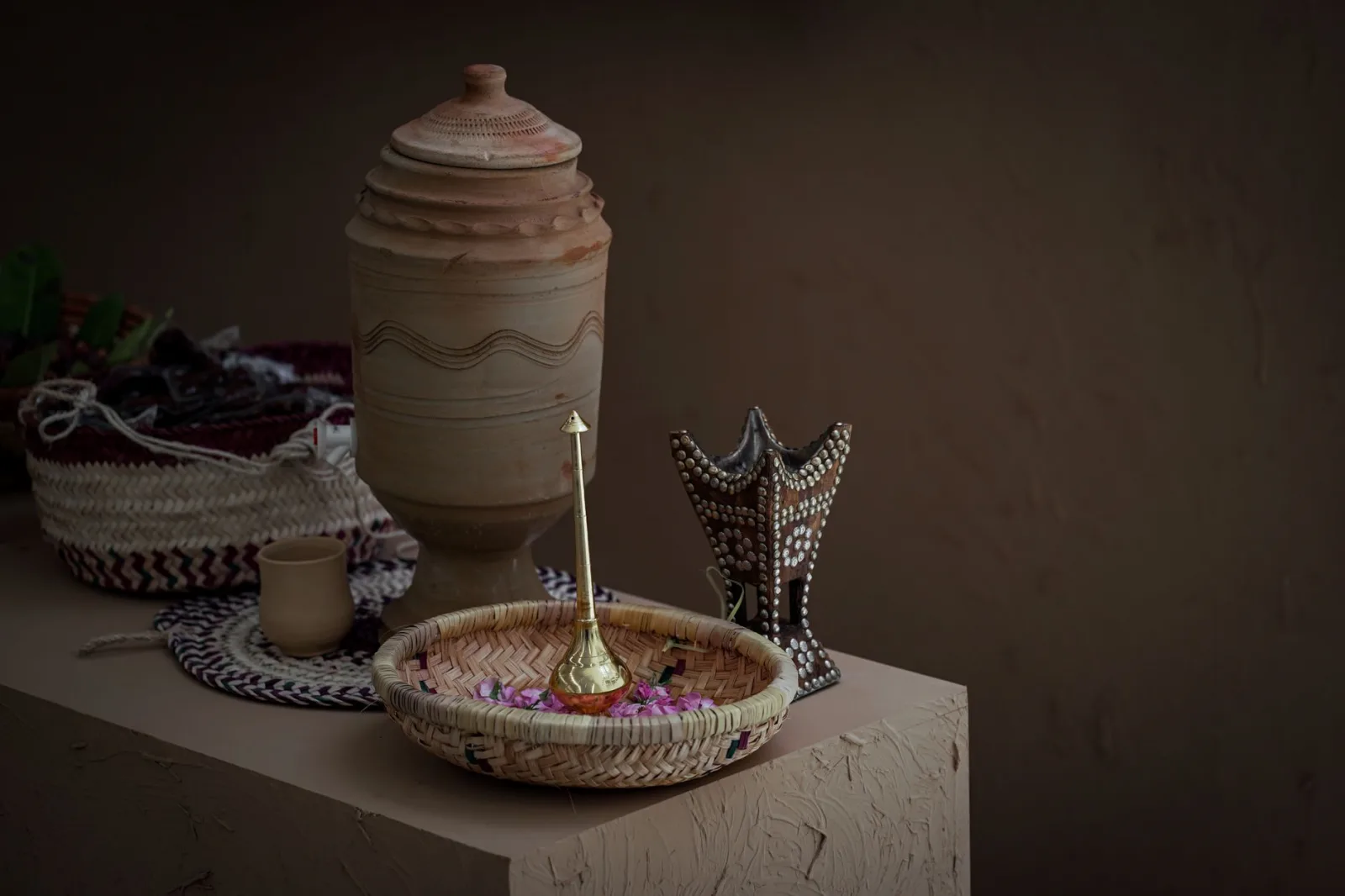
The preservation of traditional pottery is vital for maintaining the cultural heritage of the Arabian Peninsula. Many artisans are now focusing on sustainability, using locally sourced materials and traditional techniques to create eco-friendly pottery. This approach not only keeps the craft alive but also honors the environment.
Important note: When purchasing pottery, consider supporting artisans who prioritize sustainable practices. This helps ensure that traditional crafts remain thriving and relevant in today’s world.
Practical Tips for Your Journey
If you’re planning to explore traditional pottery in the Arabian Peninsula, here are some practical tips:
- Research Local Workshops: Find out about pottery workshops that offer demonstrations. Many artisans welcome visitors and provide hands-on experiences.
- Engage with Artisans: Don’t hesitate to ask questions about their techniques and inspirations. Most artisans are passionate about sharing their craft.
- Purchase Responsibly: When buying pottery, ensure you’re supporting local artisans and ethical practices. Look for certifications or labels indicating fair trade.
These tips can enhance your experience, making your journey not just about observing but also about understanding and participating in the art of traditional pottery.
Conclusion: The Journey Through Craftsmanship
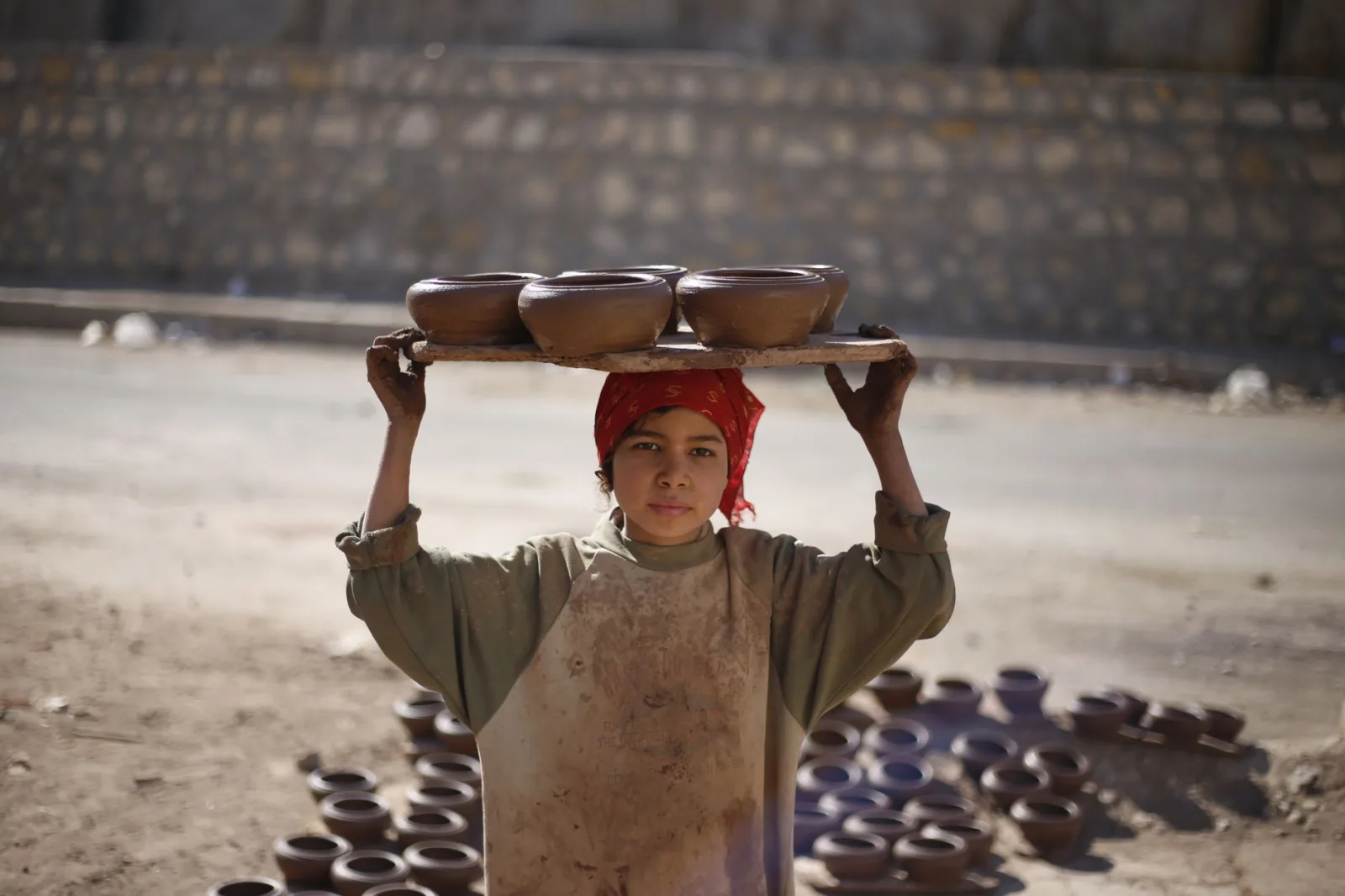
Discovering traditional pottery in the Arabian Peninsula is more than just an exploration of art; it’s a journey into the heart of local culture. By engaging with local artisans and understanding their craftsmanship, you gain insights into the region’s history and traditions. Each pot, bowl, and vase tells a story, connecting you to the past while enriching your present experience.
In summary, by prioritizing local artisans and sustainable practices, you contribute to the preservation of this beautiful craft. Your journey through the Arabian Peninsula’s pottery scene can become a meaningful part of your travel narrative, filled with rich experiences and authentic interactions. For more insights into the hidden crafts and artisans of the Arabian Peninsula, consider exploring this article.