





Understanding the Culinary Trails of the Arabian Peninsula
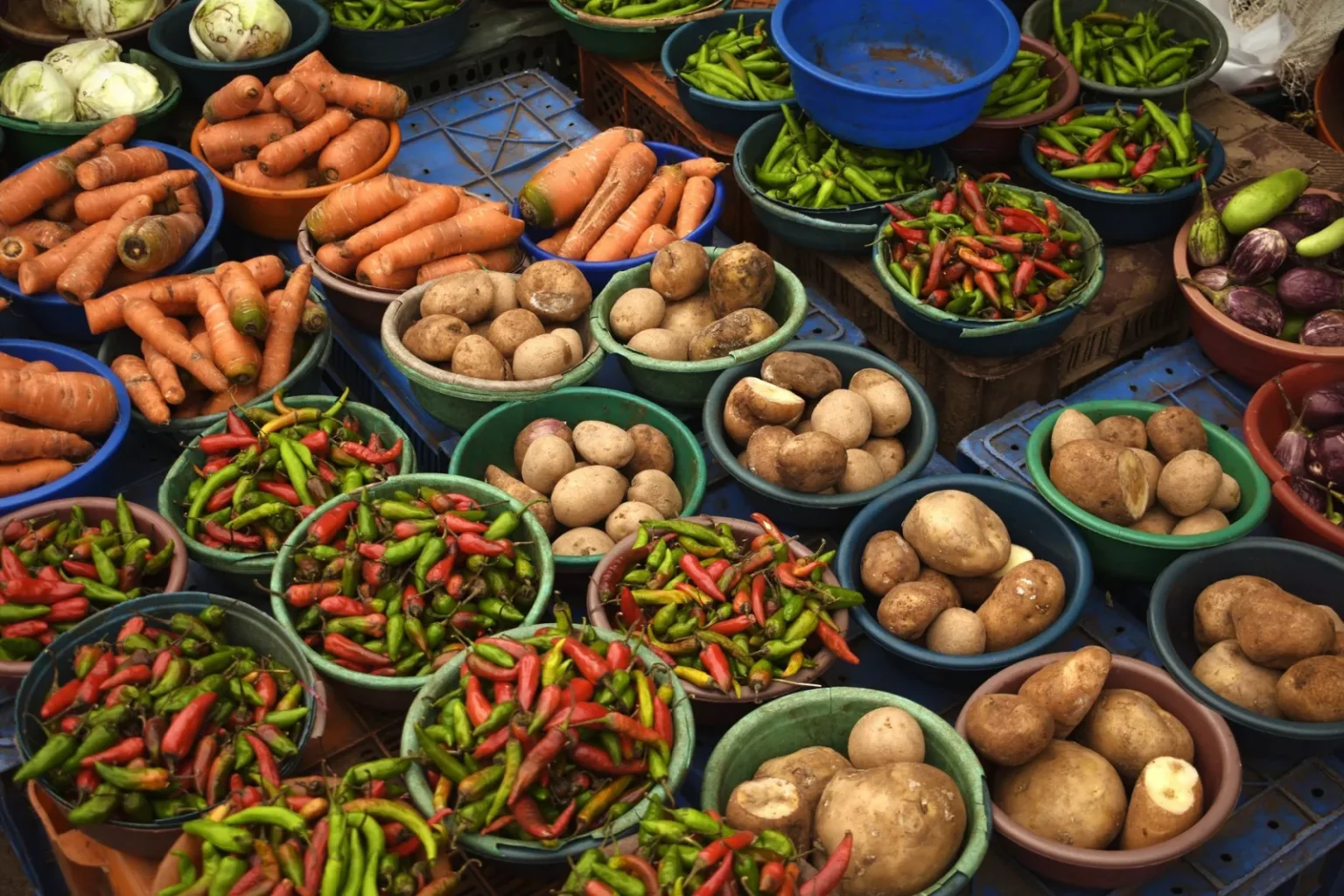
The Arabian Peninsula is a vast region, rich in history and culture, where food plays a crucial role in everyday life. Culinary trails in this area represent not just paths through stunning landscapes but also journeys through flavors and traditions. These trails connect small villages, local farms, and bustling markets that showcase the diverse local ingredients used in traditional dishes. For example, in Oman, you might find yourself wandering through markets filled with dates, spices, and freshly caught fish, each telling a story of the land and its people.
The Importance of Local Ingredients
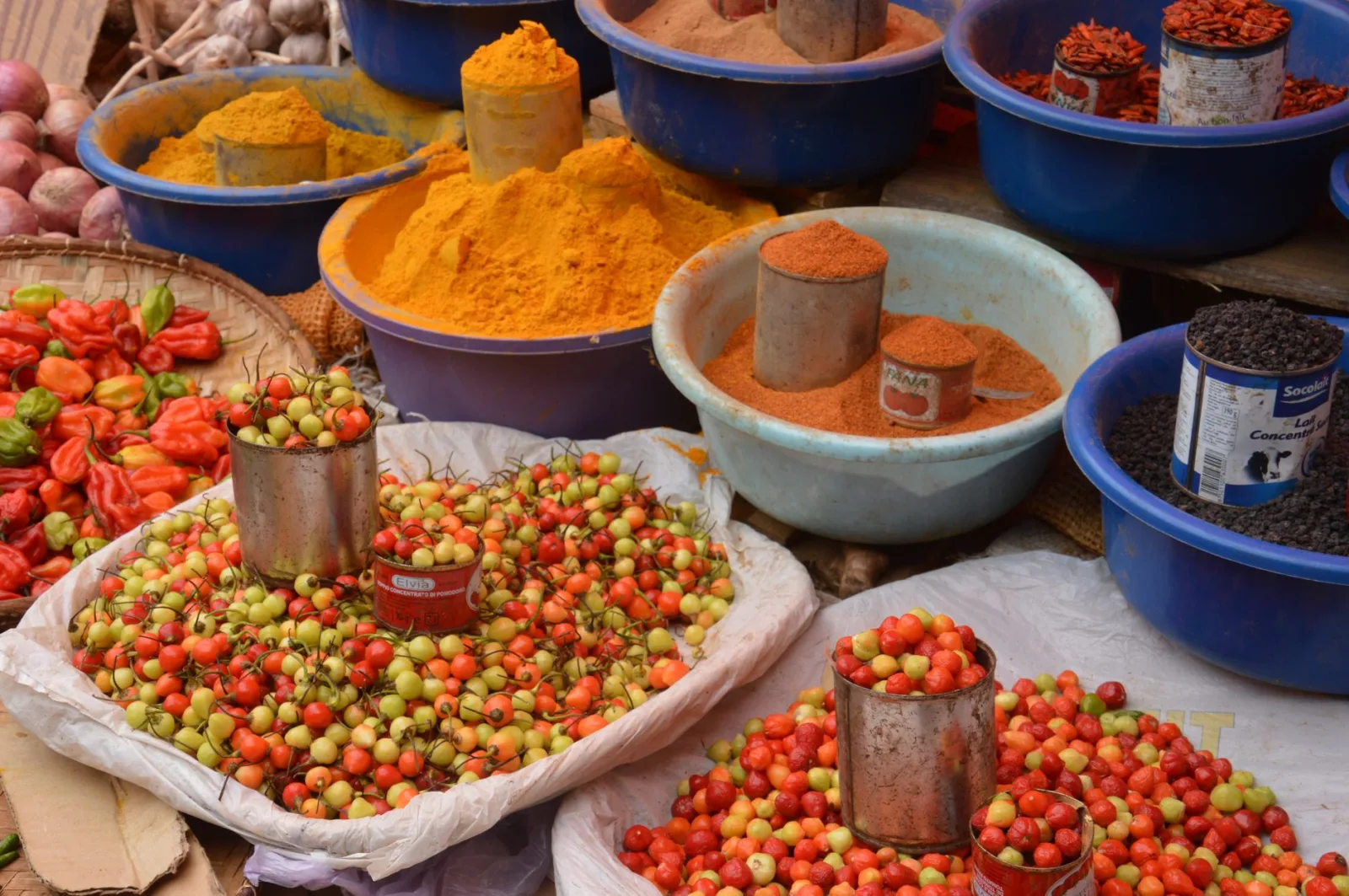
Local ingredients form the backbone of Arabian cuisine. Understanding their significance helps you appreciate the flavors and the culinary processes involved. Ingredients such as saffron, za’atar, and sumac are not just seasonings; they carry historical relevance and cultural stories. For instance, saffron, which thrives in the region’s climate, has been used for centuries in both culinary and medicinal practices. This deep connection to local ingredients often results in dishes that are not only flavorful but also reflective of the Arabian Peninsula’s heritage.

Top Culinary Trails to Explore
Here are some of the most notable culinary trails you can explore in the Arabian Peninsula:
- The Omani Spice Trail: Start in Muscat, where you can visit local souks to discover a variety of spices. This trail often includes visits to traditional homes where you can participate in cooking sessions that highlight the use of spices in Omani dishes.
- The Saudi Date Trail: In Al-Qassim, dates are the star ingredient. You can tour date farms, sample different varieties, and learn about their cultivation. Dates are not only a staple but also a part of the local hospitality culture.
- The Emirati Seafood Trail: Head to the coastal areas of the UAE to experience the bounty of the sea. Local fishermen are often willing to share stories about their catches, and you can enjoy fresh seafood prepared in traditional Emirati styles.
- The Bahraini Herb Trail: This trail takes you through lush gardens where you can learn about the various herbs that flavor Bahraini cuisine. Engage with local chefs who emphasize the importance of fresh ingredients in their cooking.
Engaging with Local Food Cultures
When you embark on these culinary trails, it’s essential to engage actively with the local communities. This means not just tasting the food but also understanding the cultural context. For example, participate in a traditional meal where you can learn about the significance of each dish. You may find that food in the Arabian Peninsula is often a communal experience, allowing you to bond with locals over shared meals and stories.

Tips for Exploring Culinary Trails Responsibly
As you explore these hidden culinary gems, consider the following tips:
- Respect Local Customs: Each region has its own dining etiquette and traditions. Familiarize yourself with these to enhance your experience.
- Support Local Businesses: Whenever possible, choose to eat at local restaurants and buy ingredients from local markets. This supports the economy and sustains traditional practices.
- Be Open-Minded: You may encounter flavors and ingredients that are unfamiliar. Approach these experiences with curiosity and a willingness to try new things.
Connecting Ingredients to Stories
Every ingredient has a story behind it. For example, consider the role of cardamom in Gulf coffee. It’s not just an additive; it’s a cultural symbol often associated with hospitality. Understanding these connections enriches your culinary experience. When you enjoy a cup of coffee flavored with cardamom, you are partaking in a ritual that has been passed down through generations.
Conclusion: Your Culinary Journey Awaits
The culinary trails of the Arabian Peninsula are more than just routes to delicious food; they are pathways to understanding the rich tapestry of local ingredients and the stories they tell. By exploring these hidden gems, engaging with local communities, and respecting their traditions, you not only enhance your own culinary knowledge but also contribute to the preservation of these age-old practices. Remember to stay curious, and enjoy the journey!
Key Takeaways
- Culinary trails in the Arabian Peninsula offer a unique insight into local ingredients and food cultures.
- Engaging with local communities enhances your culinary experience and understanding.
- Support local businesses to contribute to the preservation of traditional practices.