





Understanding the Culinary Landscape of the Arabian Peninsula
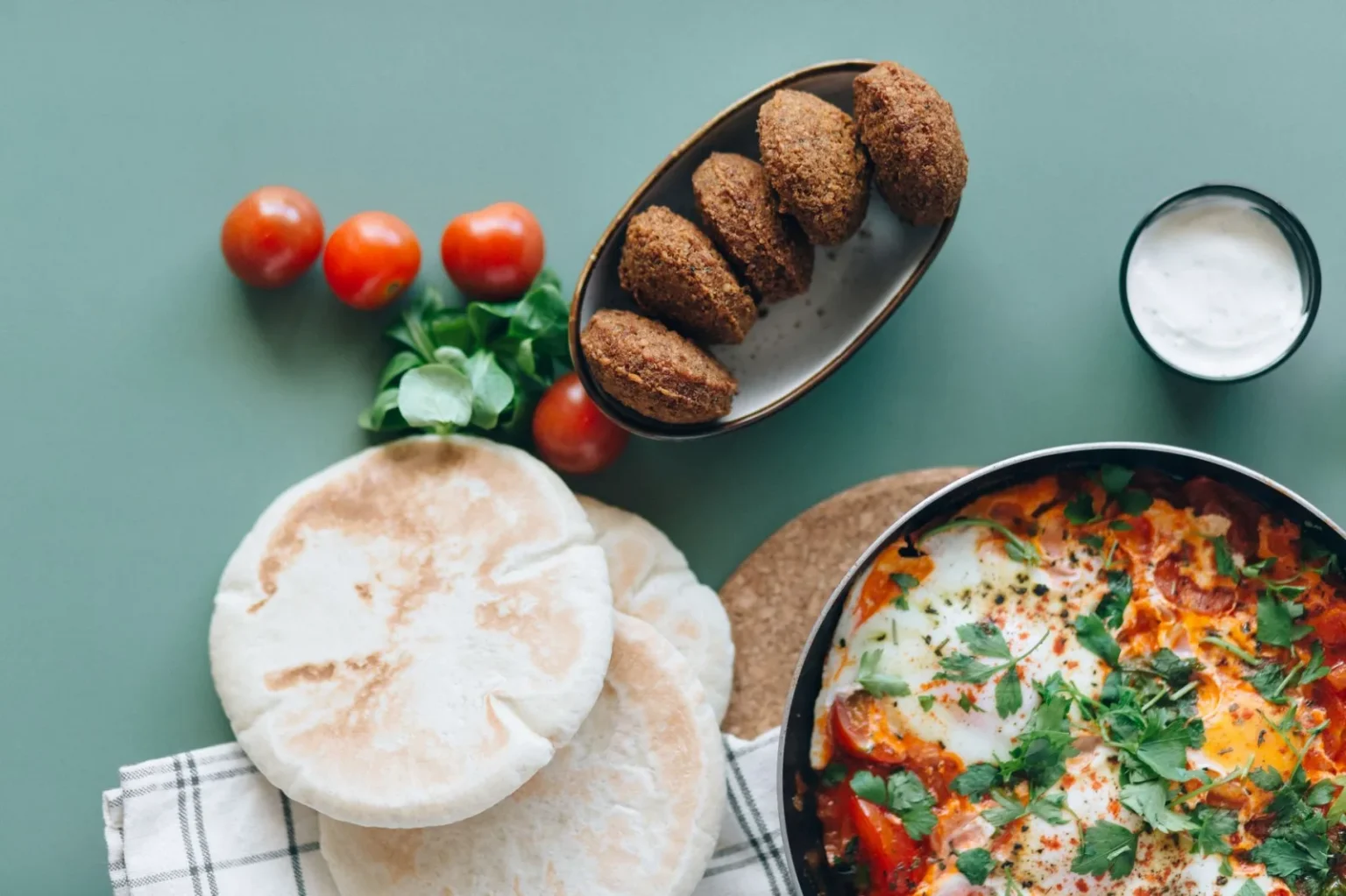
The Arabian Peninsula is a tapestry of rich cultures and histories, each contributing to its diverse culinary landscape. Hidden culinary traditions are often overlooked, yet they provide insight into the lives of various communities. These traditions include ancient recipes and cooking techniques that have been passed down through generations. They reflect the region’s unique geography, climate, and the influence of trade routes that have historically connected different peoples.
- Understanding the Culinary Landscape of the Arabian Peninsula
- Key Ingredients in Arabian Culinary Traditions
- Ancient Cooking Techniques Still in Use
- Exploring Traditional Recipes
- Regional Variations of Culinary Traditions
- Modern Influences on Traditional Cooking
- Preserving Culinary Heritage
- Conclusion: Embracing the Hidden Culinary Treasures
Key Ingredients in Arabian Culinary Traditions
To appreciate these hidden culinary traditions, you first need to understand the key ingredients that define them. Common staples include grains such as rice and wheat, legumes, spices, and a variety of meats, particularly lamb and chicken. For example, spices like cumin, coriander, and saffron are not just flavor enhancers; they also carry cultural significance. They may have been traded along the Silk Road, influencing how local dishes evolved. Important note: Familiarizing yourself with these ingredients will not only enrich your cooking but also deepen your understanding of the culture.
Ancient Cooking Techniques Still in Use
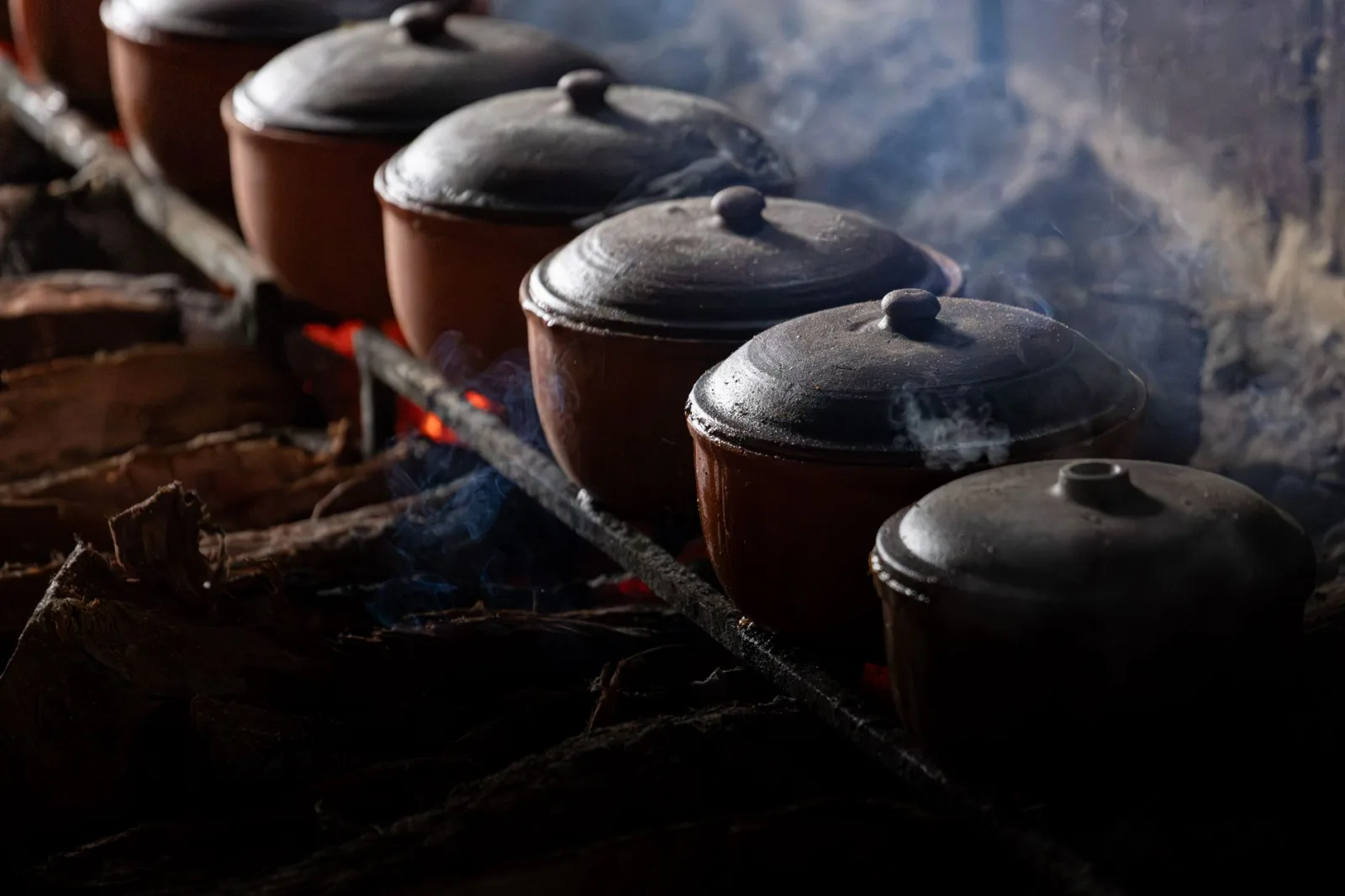
Ancient cooking techniques form the backbone of many traditional dishes. One such technique is the use of the tandoor, a clay oven that imparts a distinct flavor to bread and meats. You can replicate this at home using a conventional oven, but the unique smoky flavor from a real tandoor is hard to match. Additionally, cooking over open flames is still common in rural areas, where families gather around for communal meals. This method fosters a sense of community and togetherness, which is an essential aspect of Arabian dining culture.
Exploring Traditional Recipes
Here are a few hidden Arabian Peninsula recipes that you might want to explore:
- Majboos: A rice dish often made with lamb or chicken, flavored with a blend of spices. The cooking process involves layering rice and meat, allowing the flavors to meld beautifully. Pro tip: Use saffron for a luxurious touch.
- Shorbat Adas: A lentil soup that is both hearty and nutritious. It’s typically spiced with cumin and garnished with lemon juice. Warning: Ensure the lentils are well-cooked to achieve the right texture.
- Harees: A dish made from wheat and meat, simmered for hours. The key here is patience; it often requires slow cooking to achieve the desired consistency.

Regional Variations of Culinary Traditions
Culinary traditions vary significantly across the Arabian Peninsula. For instance, the coastal regions, such as Oman and the UAE, often incorporate seafood into their diets, while inland areas may rely more heavily on meats and grains. Let’s understand this with a simple example: In Oman, a dish called Shuwa involves marinating lamb and cooking it underground for 24 hours. This technique is unique to the region and showcases the communal spirit of sharing meals.
Modern Influences on Traditional Cooking
While traditional recipes remain important, modern influences have also begun to shape culinary practices in the region. For example, fusion cuisines that blend local flavors with international influences are becoming popular, especially in urban areas. However, it’s important to approach these modern adaptations thoughtfully. Common mistake: Many assume that fusion means abandoning tradition. Instead, consider it an evolution that can coexist with time-honored recipes.
Preserving Culinary Heritage
The preservation of these hidden culinary traditions is crucial for cultural identity. Many communities are actively working to keep these traditions alive through workshops and culinary schools. In fact, you might find classes offering lessons on traditional cooking techniques and recipes. Important note: Participating in these classes not only enriches your cooking skills but also supports local artisans and cooks who are passionate about preserving their heritage.
Conclusion: Embracing the Hidden Culinary Treasures
In conclusion, the hidden culinary traditions of the Arabian Peninsula offer a fascinating glimpse into the region’s cultural tapestry. By exploring ancient recipes and cooking techniques, you can gain a deeper appreciation for the communities that have kept these traditions alive through generations. As you experiment with these recipes, remember that each dish tells a story — a story of resourcefulness, community, and shared history. So, gather your ingredients, embrace these culinary treasures, and let the flavors of the Arabian Peninsula transport you to a world rich in tradition.