





Understanding Traditional Music’s Role
Traditional music serves as a vital thread in the cultural tapestry of the Arabian Peninsula. It is not merely an art form; it encapsulates the history, values, and identity of its people. To grasp its significance, consider traditional music as the voice of a culture, expressing shared experiences and emotions that resonate through generations.
The Historical Context
Firstly, understanding the historical context of traditional music in the Arabian Peninsula is essential. For centuries, music has been intertwined with oral storytelling, preserving the region’s history. Bedouin tribes, for instance, used songs to recount tales of bravery, love, and survival in harsh desert environments. This oral tradition not only entertained but also educated younger generations about their heritage.

Diverse Musical Styles
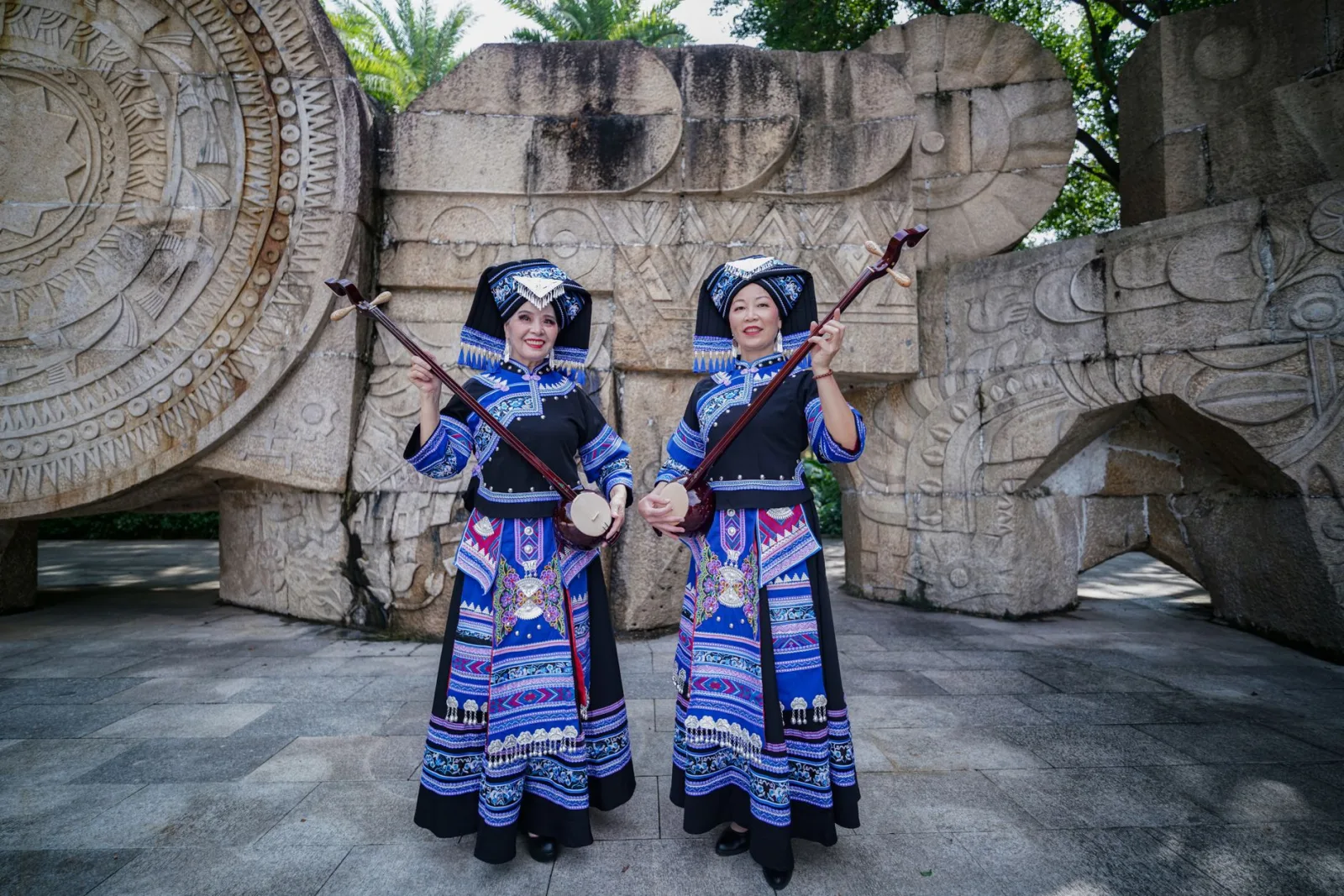
Additionally, the Arabian Peninsula boasts diverse musical styles, each reflecting unique cultural influences. For example, the maqam system, a complex scale used in Arabic music, allows for emotional expression through improvisation. Instruments like the oud and rebab are commonly used in traditional performances, creating rich, melodic soundscapes. Understanding these different styles can help you appreciate the region’s cultural diversity.
Community and Identity
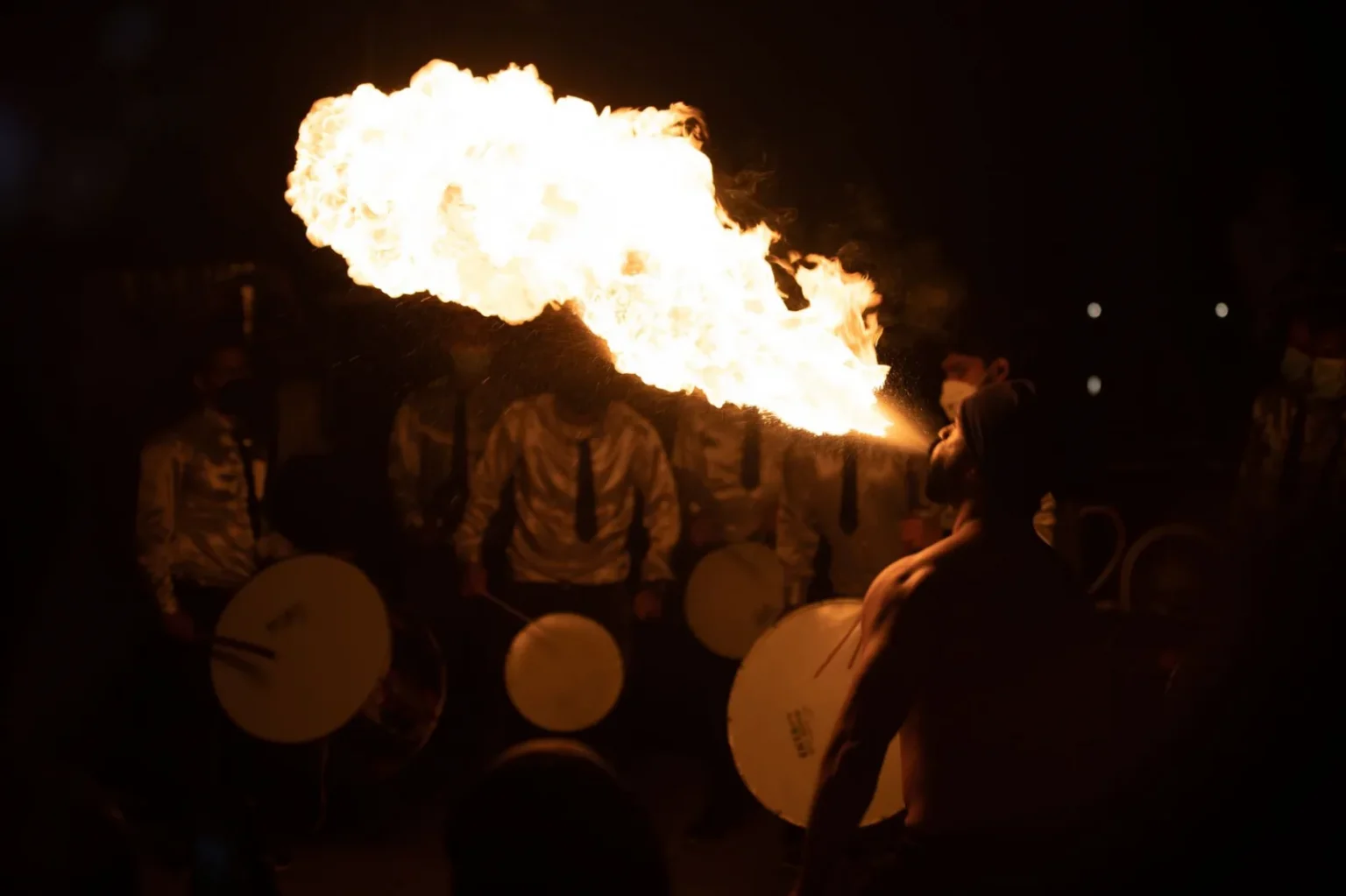
You may wonder how traditional music fosters a sense of community and identity. In many societies across the Arabian Peninsula, music is performed during communal gatherings, ceremonies, and celebrations. This shared experience reinforces social bonds and highlights cultural pride. For example, during weddings, traditional songs accompany rituals, bringing families and friends together in a joyous celebration. This collective participation in music-making strengthens cultural identity.
Modern Interpretations and Preservation
On the other hand, the influence of globalization presents both challenges and opportunities for traditional music. While modern genres often overshadow traditional forms, many artists are finding ways to fuse contemporary sounds with classic elements. For instance, some musicians blend traditional rhythms with electronic music, reaching wider audiences while preserving their cultural roots. This evolution illustrates how traditional music adapts while remaining a vital part of cultural identity.
Educational Initiatives and Cultural Preservation
Moreover, educational initiatives play a crucial role in preserving traditional music. Various organizations and cultural institutions in the Arabian Peninsula are dedicated to teaching younger generations about their musical heritage. Workshops and community programs foster an appreciation for traditional music, ensuring its survival in a rapidly changing world. You might consider participating in local workshops to learn more about this rich tradition firsthand.
Conclusion: The Lasting Legacy of Traditional Music
In conclusion, the cultural impact of traditional music on the Arabian Peninsula’s identity is profound. It serves as a historical record, a community unifier, and a medium for modern expression. By understanding its complexities, you can gain insight into the values and experiences that shape the region’s unique identity. Remember, traditional music is not just a relic of the past; it is a living art form that continues to evolve, reflecting the dynamic nature of cultural identity.
As you explore the hidden gems of the Arabian Peninsula, consider how traditional music enriches your understanding of local cultures. Whether attending a performance or participating in a workshop, engaging with this musical heritage is a rewarding experience. For further exploration, check out our articles on hidden architectural wonders or culinary workshops in the region.