






Understanding Culinary Heritage in the Arabian Peninsula
Culinary heritage is not just about the food on your plate; it encompasses the traditions, techniques, and stories behind each dish. In the Arabian Peninsula, this heritage is rich and diverse, shaped by centuries of trade, migration, and cultural exchange. You might think of popular dishes like shawarma or hummus, but the true culinary gems often lie in the family recipes passed down through generations, each with a unique twist and a story to tell.
The Importance of Family Recipes
Family recipes serve as a bridge between generations. They preserve not only flavors but also memories, emotions, and cultural identity. For instance, a simple dish like kabsa can vary drastically from one household to another, reflecting personal touches and local ingredients. These variations are essential for understanding the broader culinary landscape of the region.
Regional Influences on Arabian Cuisine
The Arabian Peninsula comprises several countries, each contributing its flavors and techniques. For example, in Saudi Arabia, spices like cardamom and saffron are staples, while the United Arab Emirates may focus on the use of dried fruits and nuts. This regional diversity makes exploring local family recipes a fascinating journey.

1. Discovering Local Ingredients
To appreciate the hidden culinary heritage, you need to start by understanding the local ingredients that define these recipes. Begin by visiting local markets, where you can find spices, herbs, and produce unique to the area. This exploration will not only enhance your culinary skills but also connect you with local producers and their stories.
2. Seeking Out Family Recipes
One of the best ways to uncover hidden gems in Arabian cuisine is by asking locals about their family recipes. You can approach this in several ways:
- Engage with locals: Attend community events or family gatherings where food is shared.
- Utilize social media: Platforms like Instagram or Facebook groups focused on Arabian cuisine can provide valuable insights.
- Cookbooks and blogs: Seek out publications that focus on traditional recipes and family stories.
3. Understanding Cooking Techniques
Once you have gathered recipes, it’s essential to understand the cooking techniques that bring these dishes to life. Many traditional methods, such as slow-cooking or grilling over an open flame, enhance flavors in ways that modern cooking techniques may not. For example, the method of cooking maqluba—where the pot is flipped upside down for presentation—adds both drama and flavor to the dish.

Noteworthy Forgotten Recipes
As you dig deeper into the hidden culinary heritage, you may encounter several forgotten recipes worth reviving:
1. Ghuzi (Roasted Lamb)
This celebratory dish often features lamb cooked with rice and spices. While common during festivities, many families have unique twists on the recipe that reflect their history and locality. Important note: Be sure to ask about the specific spices used; they can vary widely.
2. Fattoush (Bread Salad)
This vibrant salad combines fresh vegetables, herbs, and fried bread. Traditionally, it makes use of leftover bread, showcasing the resourcefulness of families in the region. You might find recipes that include pomegranate molasses, adding a sweet-tart flavor that elevates the dish.
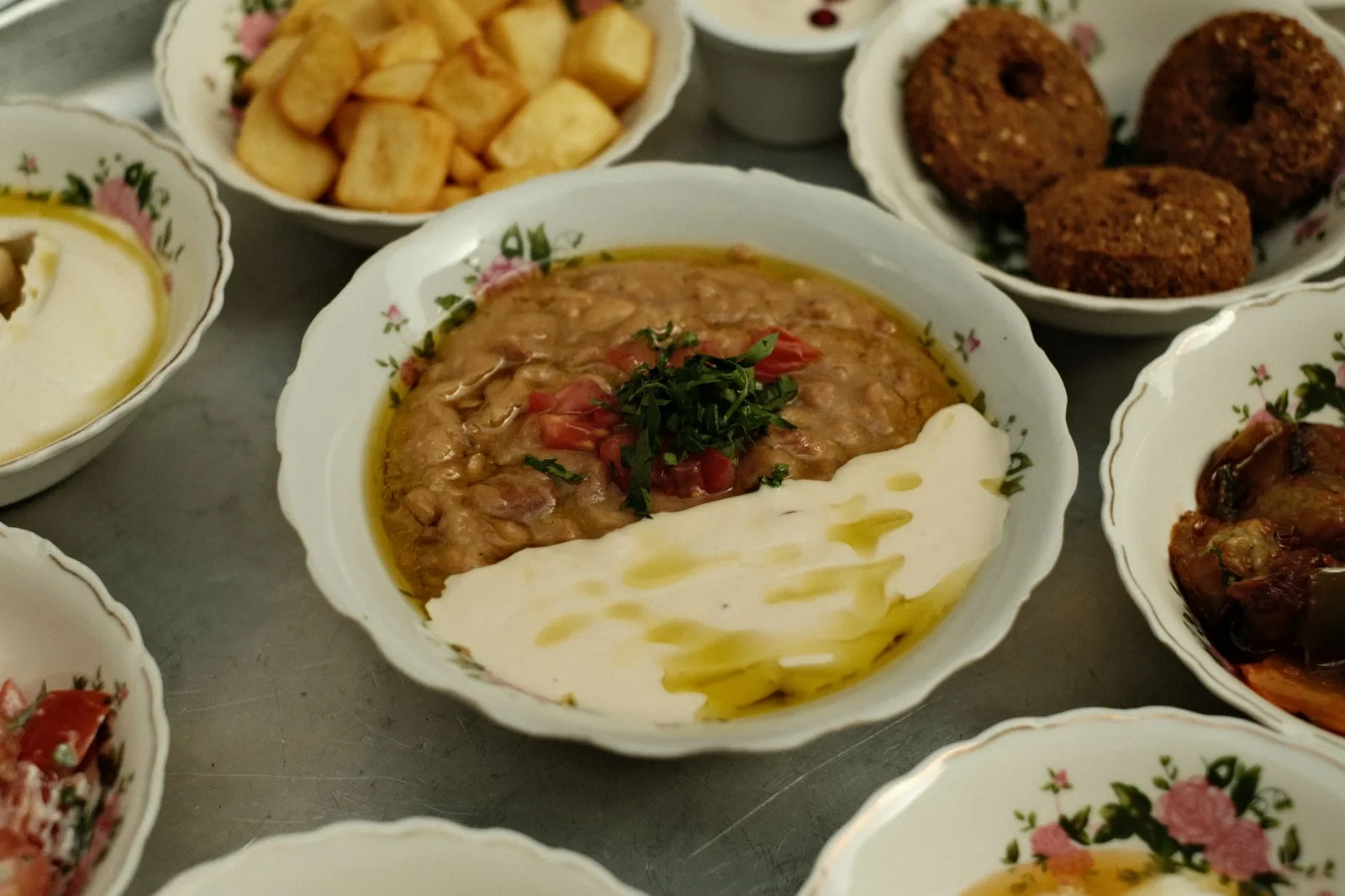
3. Harees (Wheat and Meat Dish)
This dish is often prepared during Ramadan and special occasions. It combines meat and wheat in a slow-cooked process, resulting in a creamy texture. Each family may have its unique method, emphasizing the importance of patience and time in preparation.
Connecting with the Culinary Community
To enrich your journey through the culinary heritage of the Arabian Peninsula, consider connecting with local culinary communities. This could involve:
- Cooking classes: Join local chefs who specialize in traditional Arabian cuisine.
- Food tours: Participate in guided tours that focus on local ingredients and dishes.
- Online forums: Engage with food enthusiasts who share your interest in Arabian culinary traditions.
Preserving Culinary Heritage for Future Generations
Preservation is key to ensuring that these hidden culinary gems continue to be appreciated. You can take active steps to help:
- Document recipes: Create a family cookbook that includes not only the recipes but also the stories behind them.
- Share experiences: Host gatherings where family members can come together to cook and share favorite dishes.
- Support local initiatives: Engage with organizations that promote traditional cooking methods and culinary education.
Summary and Key Takeaways
Your journey through the hidden culinary heritage of the Arabian Peninsula can open up a world of flavors, stories, and connections. By exploring family recipes, understanding regional influences, and connecting with local communities, you can gain a deeper appreciation for what makes this cuisine truly special. Remember, culinary heritage is not just about the past; it is also about how you can actively engage with and preserve these traditions for future generations. So, gather your family, share your recipes, and embark on this flavorful journey together.
For more insights into the rich culture of the Arabian Peninsula, you might enjoy exploring The Secret Culinary Trails of the Arabian Peninsula.