






Understanding Hidden Cultural Trails
The Arabian Peninsula is a region rich in history and culture, yet many of its unique stories remain untold. Hidden cultural trails refer to pathways that lead you through lesser-known heritage sites, where you can connect with local traditions and histories. These trails often provide a window into the heart of a culture that mainstream tourism overlooks.
1. Why Explore Hidden Cultural Trails?
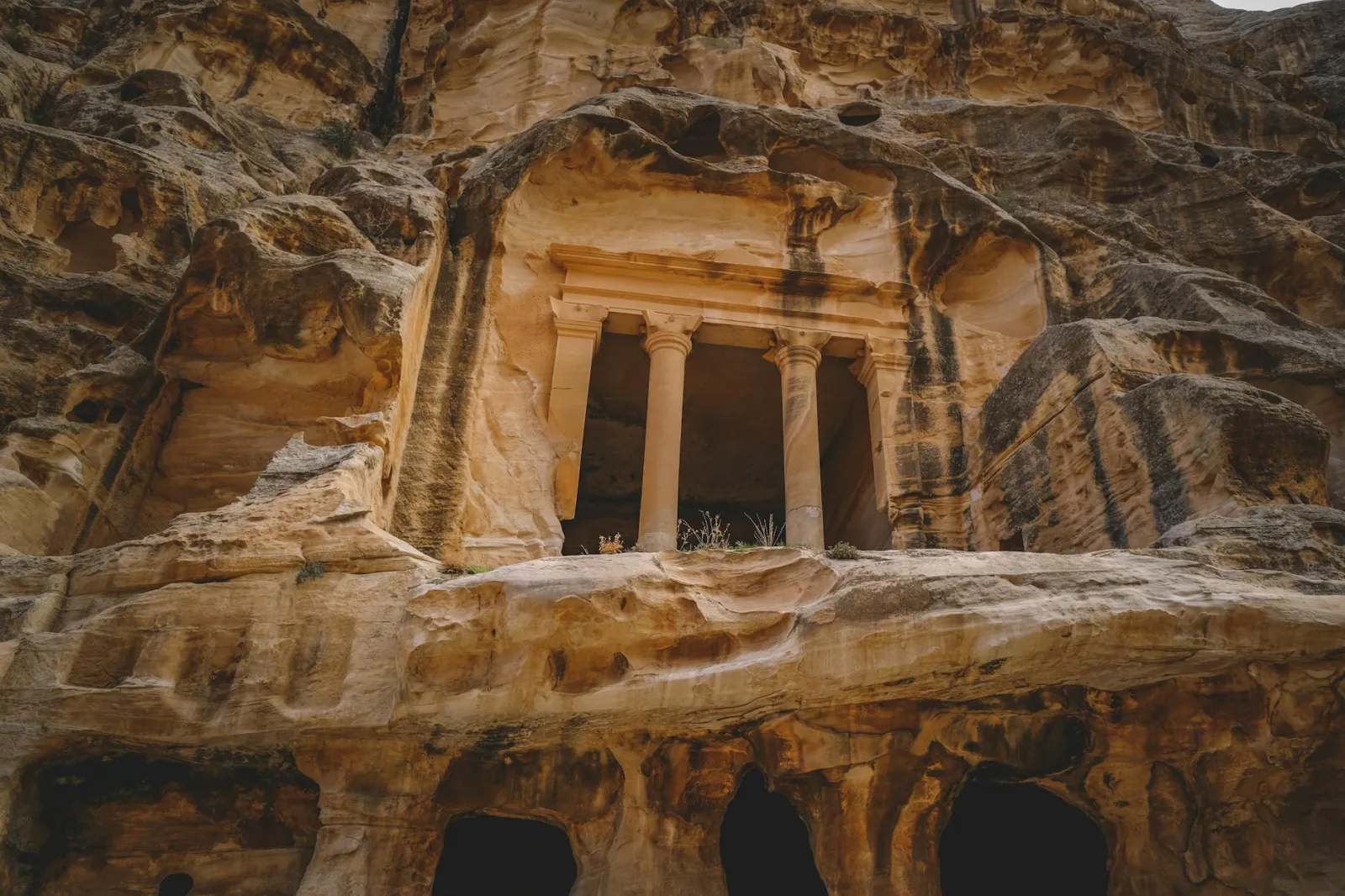
Exploring hidden cultural trails allows you to experience authentic traditions and lifestyles. Unlike popular tourist destinations, these sites often have fewer visitors, enabling a more intimate exploration. For instance, consider visiting the ancient village of Al-Ula in Saudi Arabia, famed for its rock formations and archaeological significance, yet often overshadowed by other major attractions.
2. Key Regions to Discover
The Arabian Peninsula comprises various regions, each offering a unique cultural experience. Here are some notable areas to consider:
- Saudi Arabia: Home to multiple unexplored heritage sites, including ancient trading routes and historical towns.
- Oman: Known for its stunning landscapes and rich maritime history, offering hidden gems like the ancient city of Nizwa.
- UAE: Beyond the glitz of Dubai, explore Al Ain’s archaeological sites that reflect centuries of history.
3. Noteworthy Hidden Heritage Sites
To truly appreciate the hidden cultural trails, visiting specific sites is essential. Here are a few to consider:
- Diriyah, Saudi Arabia: This UNESCO World Heritage site was the original home of the Saudi royal family. Its mud-brick architecture and historical significance provide insights into the region’s past.
- Qalhat, Oman: An archaeological site that offers a glimpse into the maritime history of the region. Its ruins hint at a once-thriving port city.
- Al Ain Oasis, UAE: A UNESCO site, this oasis showcases ancient falaj irrigation systems and date palms, illustrating sustainable practices that have thrived for centuries.
4. Engaging with Local Communities
Connecting with local communities enhances your understanding of the culture. Here are ways to engage:
- Participate in Cultural Events: Festivals, often overlooked, provide insight into local customs. For example, the hidden festivals in Saudi Arabia celebrate various cultural aspects away from mainstream attention.
- Workshops and Classes: Consider taking part in local crafts or cooking classes to immerse yourself in traditional practices. Such experiences often lead to meaningful interactions.
5. Practical Tips for Your Journey
When planning a trip along these hidden cultural trails, keep the following tips in mind:
- Research Before You Go: Understand the cultural norms and practices of the areas you plan to visit. This helps respect local customs.
- Travel Off-Peak: Visiting during less busy times allows for a more personal experience and reduces the impact of tourism on local communities.
- Pack Accordingly: Depending on your destination, ensure you have appropriate clothing and supplies for various terrains and climates.

6. The Role of Sustainable Tourism
As you explore hidden cultural trails, it is vital to consider the impact of your visit. Sustainable tourism focuses on minimizing negative effects while promoting the preservation of cultural sites. Here’s how you can contribute:
- Support Local Businesses: Choose to dine at local eateries and shop at artisan markets. This not only boosts the local economy but also supports cultural preservation.
- Follow the Leave No Trace Principles: When exploring natural surroundings, ensure you respect the environment by leaving it as you found it.
7. Summary and Key Takeaways
Exploring the hidden cultural trails of the Arabian Peninsula offers a unique opportunity to connect with the region’s rich heritage. By seeking out unexplored heritage sites, engaging with local communities, and practicing sustainable tourism, you can enhance your travel experience while supporting the preservation of these invaluable cultural landscapes. Remember, the journey itself is as important as the destination, and the stories you uncover along the way will enrich your understanding of this fascinating region.