




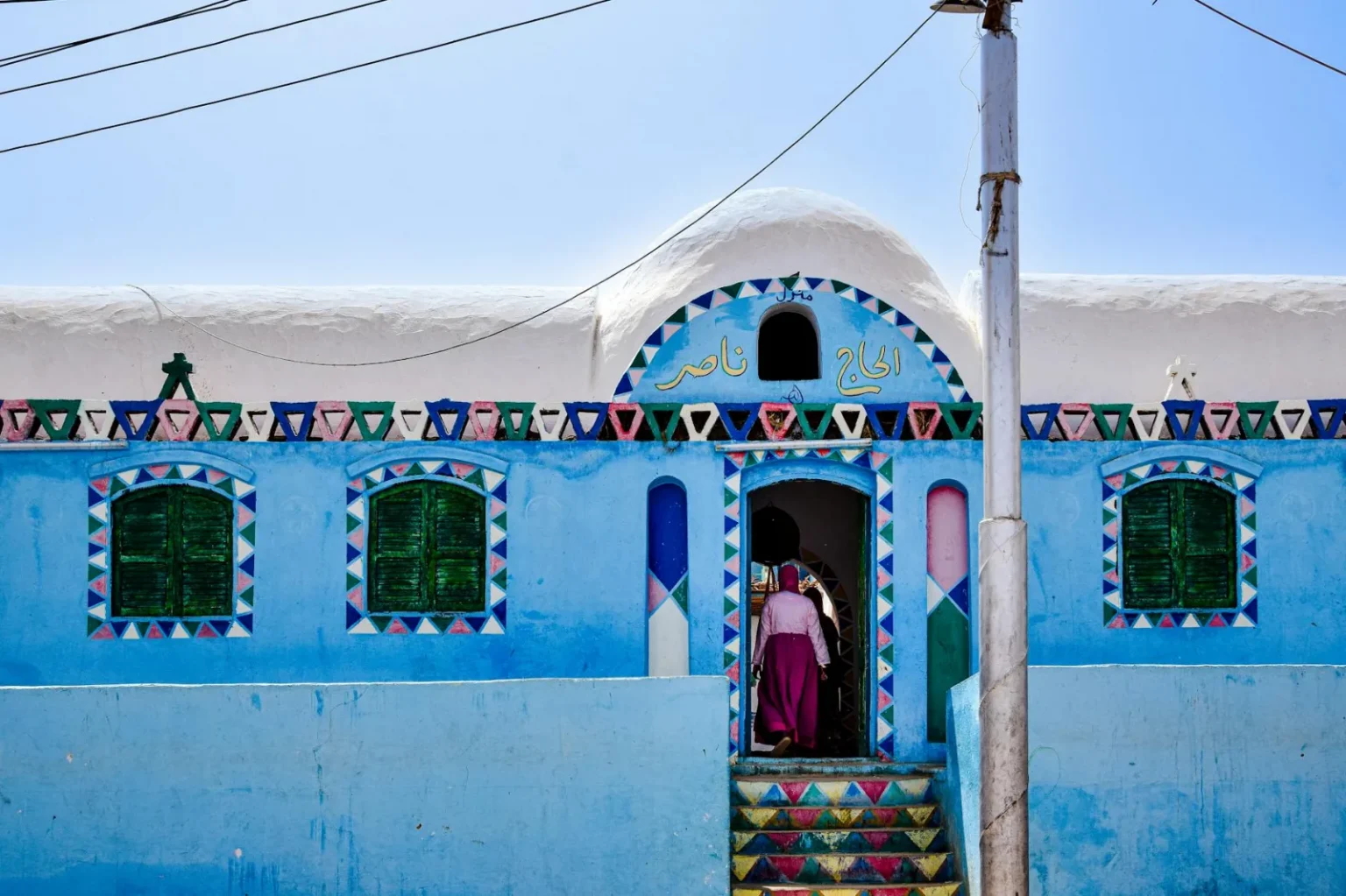

Understanding Desert Villages in Egypt
Desert villages in Egypt are often overlooked by travelers, yet they offer a glimpse into the country’s rich tapestry of culture and history. Unlike bustling cities, these villages provide a tranquil environment where local traditions are preserved. For instance, the villages of Siwa Oasis showcase Berber culture, while the communities near the White Desert reflect Bedouin lifestyles. Understanding these differences is key to appreciating the authenticity of your experience.
Why Visit Desert Villages?
Visiting desert villages allows you to engage with local customs and traditions, which is a profound way to travel. You can witness traditional crafts, taste authentic cuisine, and interact with the villagers. For example, in the village of El-Qasr, you may find artisans weaving palm fronds into baskets. This not only supports local economies but also enriches your travel narrative.
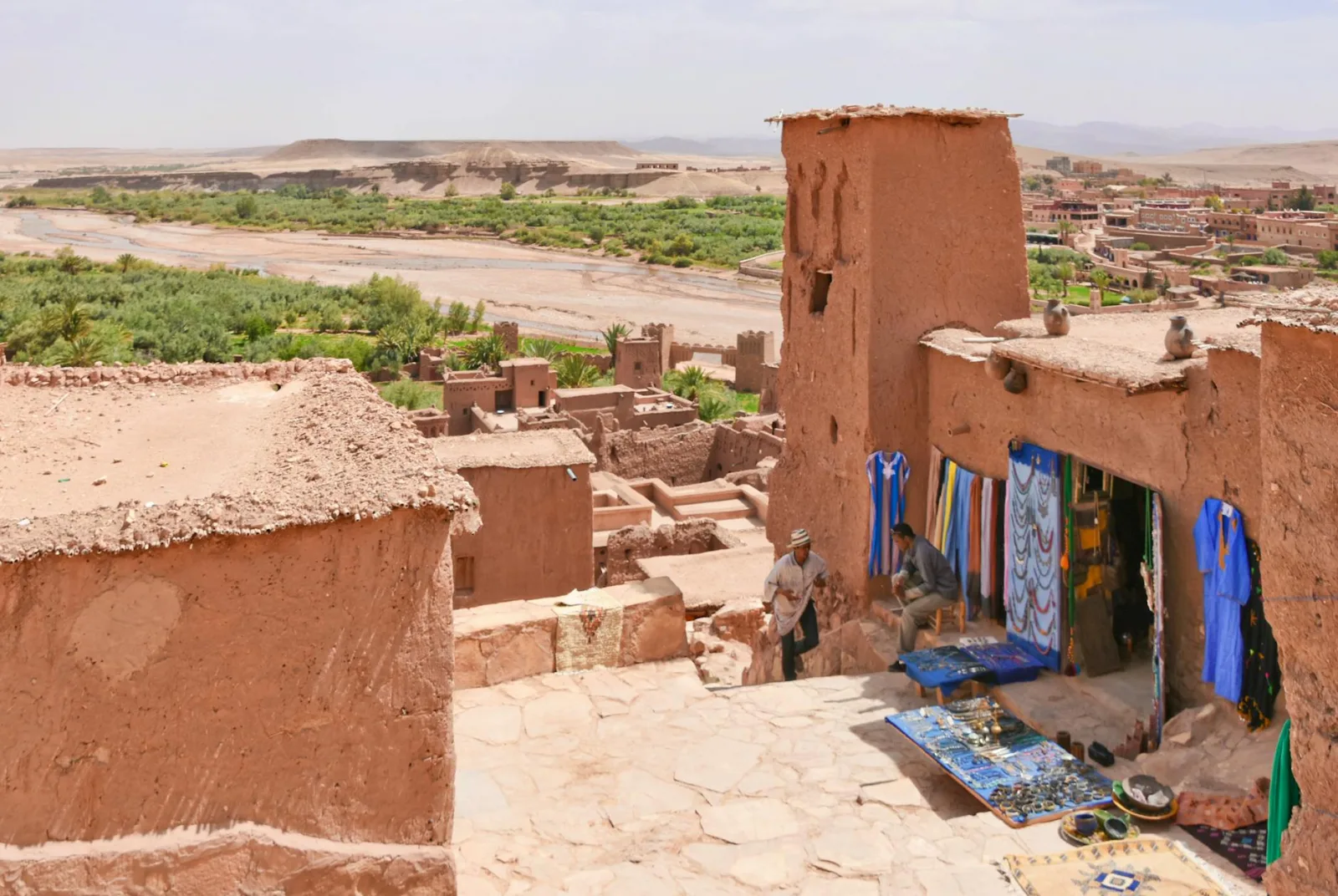
Planning Your Trip: The Best Times to Visit
When planning your visit to the desert villages, timing is crucial. The best times are usually during the cooler months, from October to April. During this period, temperatures are more manageable, allowing you to explore comfortably. However, keep in mind that festivals, such as the Siwa Date Festival in October, can enhance your experience significantly. Therefore, consider aligning your travel dates with local events for deeper engagement.
How to Get to the Desert Villages
Reaching these villages often involves navigating through remote areas. You can start your journey from major cities like Cairo or Luxor. Here’s a practical guide:
- Choose Your Destination: Decide which village interests you most. Siwa, for example, is famous for its salt lakes and ancient ruins.
- Transportation: Hire a 4×4 vehicle or join a guided tour. Roads can be challenging, and local guides often know hidden gems.
- Accommodation: Look for eco-lodges or guesthouses. They often reflect local architecture and provide a more intimate experience.
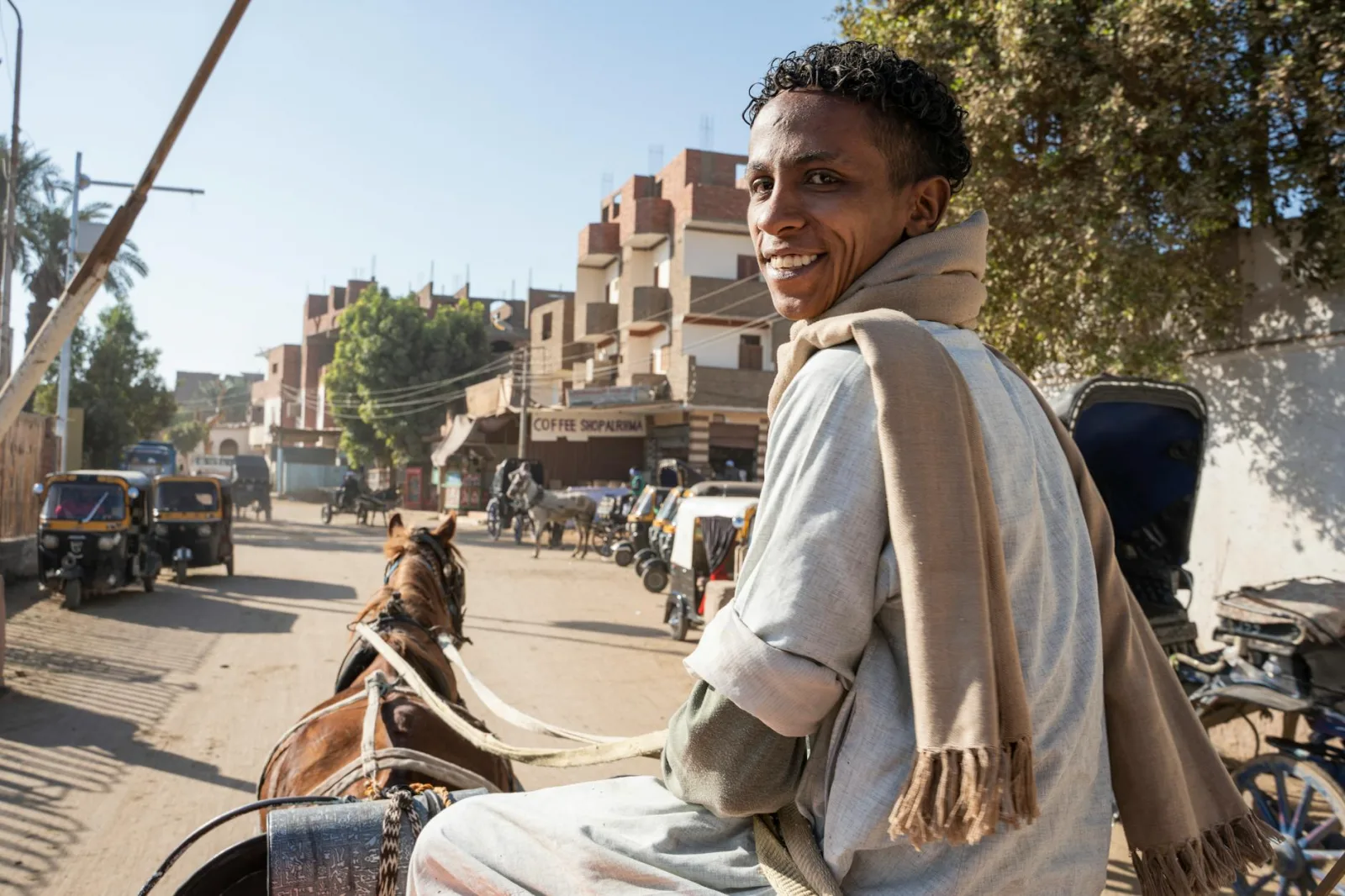
Engaging with Local Experiences
To truly immerse yourself in the culture, seek out local experiences. Here are some suggestions:
- Participate in Traditional Activities: Look for opportunities to learn local crafts. For example, in the village of Bahariya, you might find workshops on pottery or weaving.
- Attend Local Events: Festivals and markets offer a vibrant glimpse into the community’s life. You can often find authentic food, music, and dance.
- Volunteer: Consider short-term volunteering with local organizations. This is a meaningful way to give back and create lasting connections.
Understanding Local Customs and Etiquette
Every village has its own customs, and being aware of these is crucial for a respectful visit. For example, in many Bedouin communities, it’s customary to greet elders first and to accept hospitality graciously. This might involve sharing a cup of mint tea, so be prepared to engage. Important note: Always ask permission before taking photographs of people or their homes.
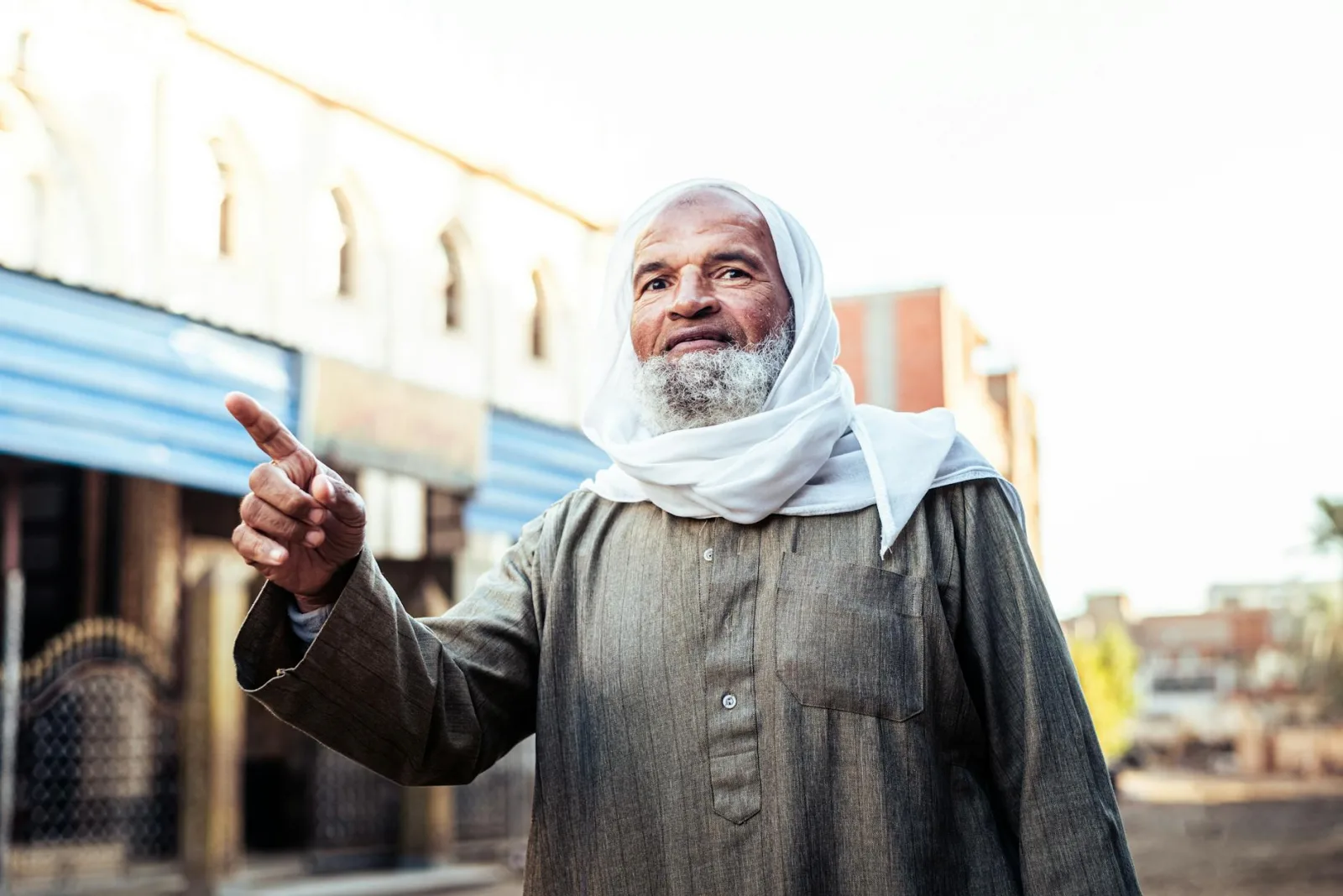
Common Mistakes to Avoid
Many travelers make mistakes that can hinder their experiences in desert villages. Here are a few to watch out for:
- Overpacking: The desert lifestyle is often minimalist. Bring only essentials and respect local customs of simplicity.
- Ignoring Local Advice: Locals know their environment best. Always be open to suggestions regarding routes or activities.
- Rushing Your Visit: Take your time. Engaging deeply with the community yields richer experiences than a checklist approach.
Key Takeaways: Making the Most of Your Visit
As you navigate the hidden desert villages of Egypt, remember that authentic travel is about connection. By immersing yourself in local life and respecting cultural practices, you not only enrich your own journey but also contribute positively to the communities you visit. Therefore, approach your travel with an open heart and mind, and be ready for unexpected adventures.
For more insights into sustainable travel, check out The Essential Guide to Eco-Conscious Travel in Egypt. If you’re interested in finding unique local experiences, take a look at How to Find Local Experiences Beyond the Tourist Trail.