





Understanding Egypt’s Local Markets
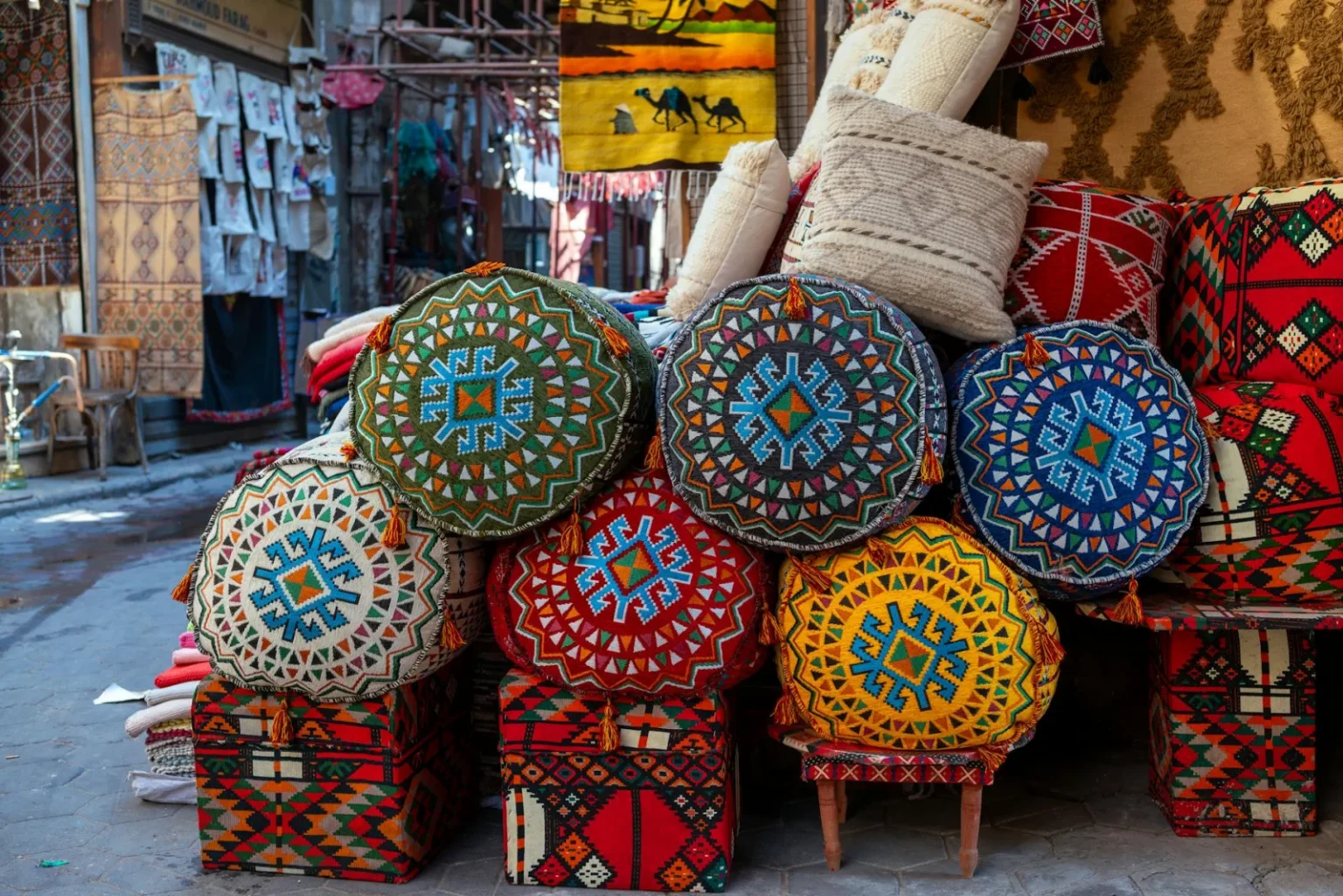
Egypt’s local markets, or souks, are vibrant hubs of culture, trade, and community life. They offer an authentic glimpse into Egyptian daily life and are a treasure trove for unique souvenirs. However, navigating these bustling spaces can be challenging, especially for first-time visitors. To make the most of your market experience, it’s essential to understand the basics of how these markets operate.
1. Getting Acquainted with the Market Culture
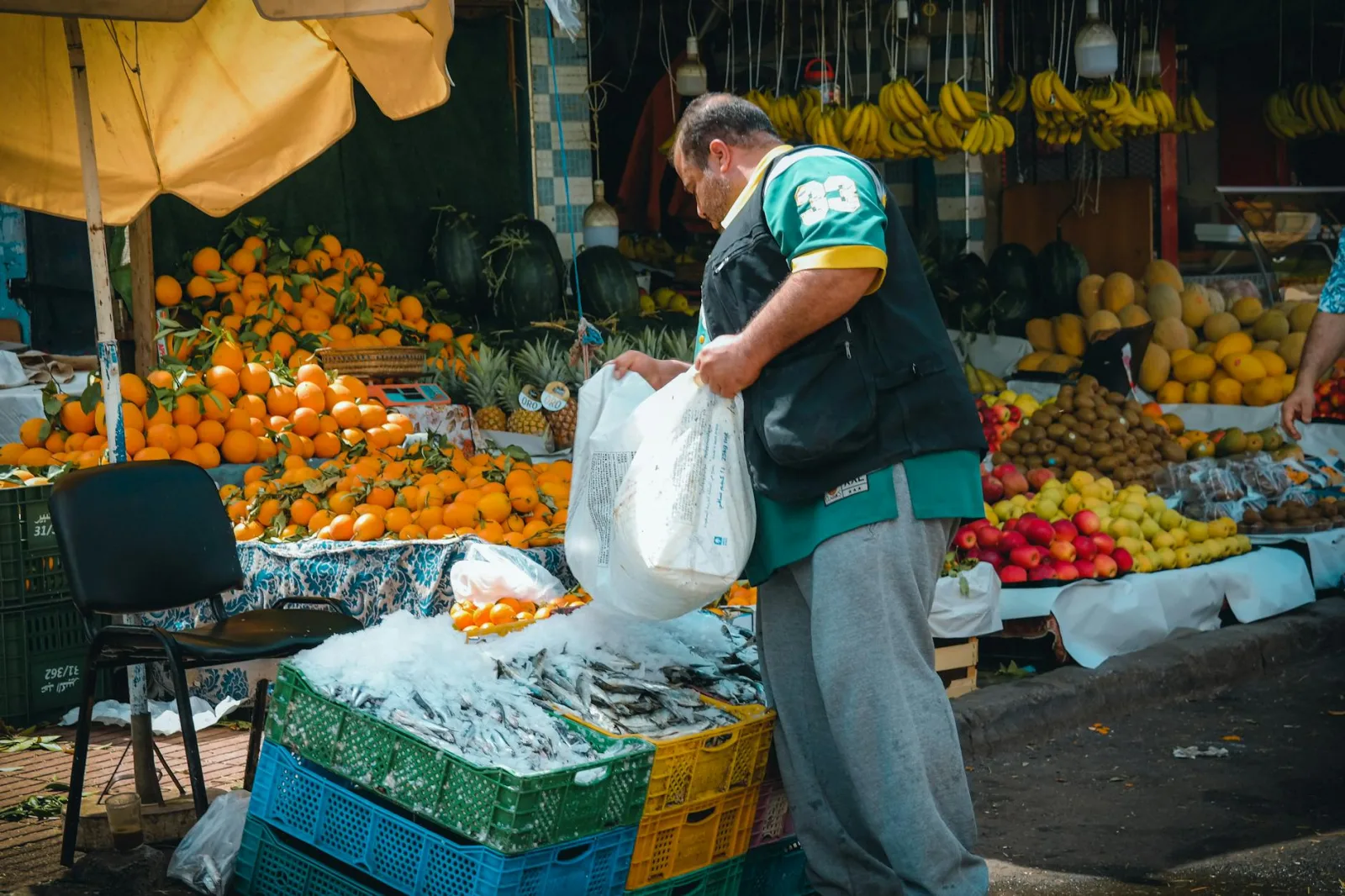
Firstly, it’s crucial to recognize that local markets are social spaces. Egyptians often engage in lengthy conversations while shopping, making the experience more about interaction than mere transactions. You may find it helpful to observe these interactions before diving in. This will not only give you insights into the local etiquette but also help you gauge what to expect when you start bargaining.
2. Essential Bargaining Tips
Bargaining is an art form in Egypt, and knowing how to negotiate can significantly impact your shopping experience. Here are some key tips to help you navigate the process:
- Start Low: When you inquire about a product’s price, begin with a number significantly lower than what you’re willing to spend. This sets the stage for negotiation and allows room for compromise.
- Do Your Research: Before visiting, research the typical prices of the items you’re interested in. This will help you identify reasonable offers and avoid being overcharged.
- Be Friendly: Approach the bargaining process with a smile and a friendly demeanor. Building rapport with the seller can lead to better deals and a more enjoyable experience.
- Know When to Walk Away: If the price doesn’t meet your expectations, don’t hesitate to walk away. Sellers often call you back with a better offer when they see you’re serious about not buying.
3. Common Mistakes to Avoid
While navigating the local markets, be mindful of these common mistakes:
- Rushing the Process: Many first-time visitors rush through bargaining, which can lead to missed opportunities for better deals. Take your time to negotiate.
- Ignoring Local Customs: Be respectful of local traditions and customs. For example, it’s advisable to greet sellers and engage in small talk before discussing prices.
- Overlooking Quality: In the excitement of finding a good deal, you might overlook the quality of the item. Always inspect products carefully to ensure they meet your standards.
4. Finding Authentic Souvenirs
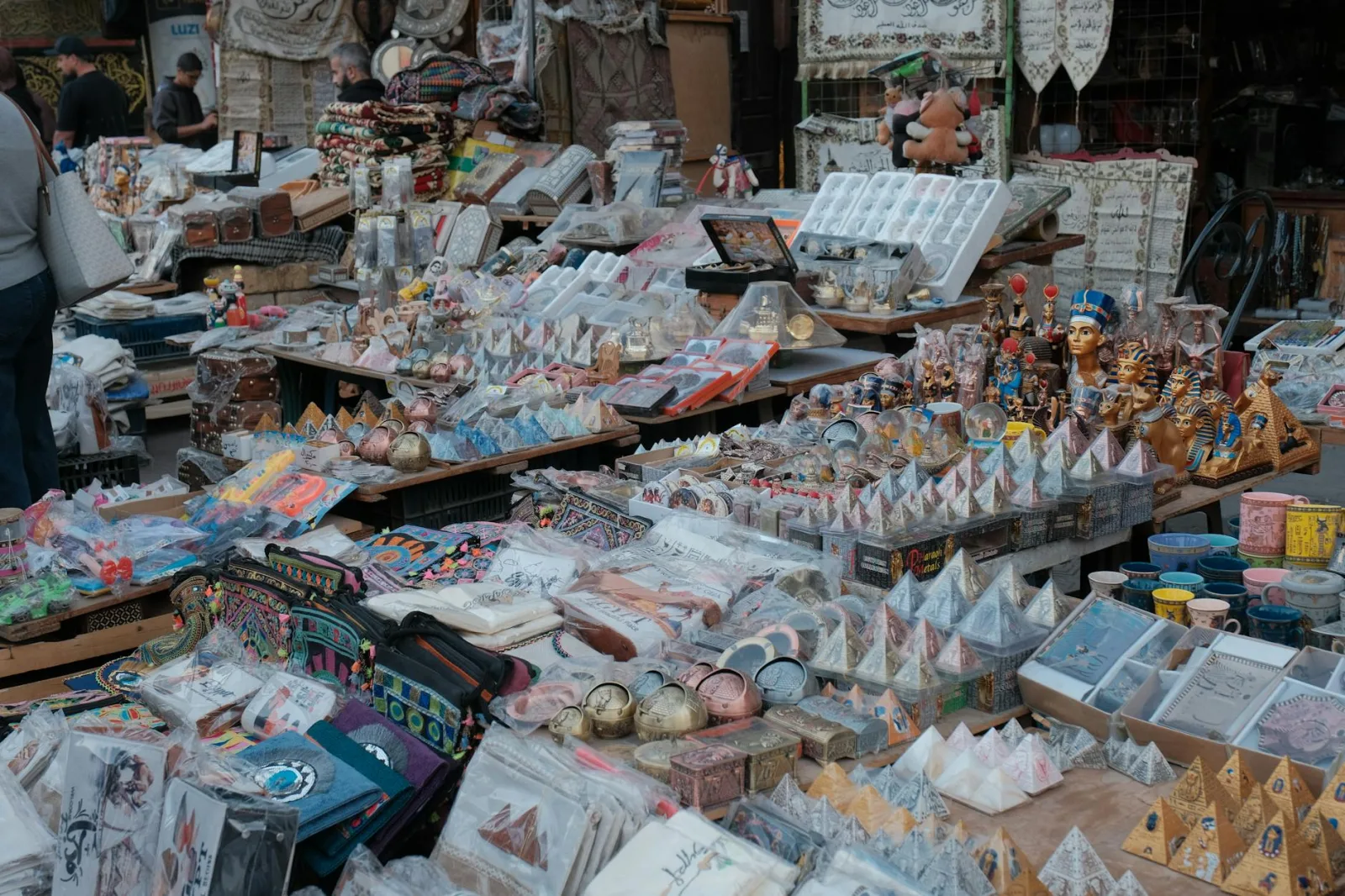
When in Egypt, you’ll encounter countless items that are marketed as authentic souvenirs. However, knowing what to look for can help you find genuine pieces. Consider the following:
- Handcrafted Goods: Look for items that showcase local craftsmanship, such as handwoven carpets, pottery, and jewelry. These items often reflect the culture and heritage of the region.
- Local Spices: Egyptian spices are a great souvenir that can enhance your culinary experiences once you return home. Visit spice shops in the market and ask for recommendations.
- Traditional Clothing: Invest in traditional garments, like a galabeya or a scarf, made from natural fabrics. These are not just souvenirs; they can also be practical additions to your travel wardrobe.
5. Tips for a Successful Shopping Experience
To ensure a smooth shopping experience in Egypt’s local markets, keep these tips in mind:
- Visit Early or Late: Markets can get crowded, especially during peak hours. Visiting early in the morning or later in the evening can provide a more relaxed atmosphere.
- Stay Hydrated: The Egyptian heat can be intense, especially during summer months. Ensure you drink enough water to stay refreshed as you explore.
- Dress Appropriately: While shopping, wear comfortable clothing and shoes. This will make walking and browsing much easier, allowing you to enjoy the experience fully.
6. Understanding Payment Methods
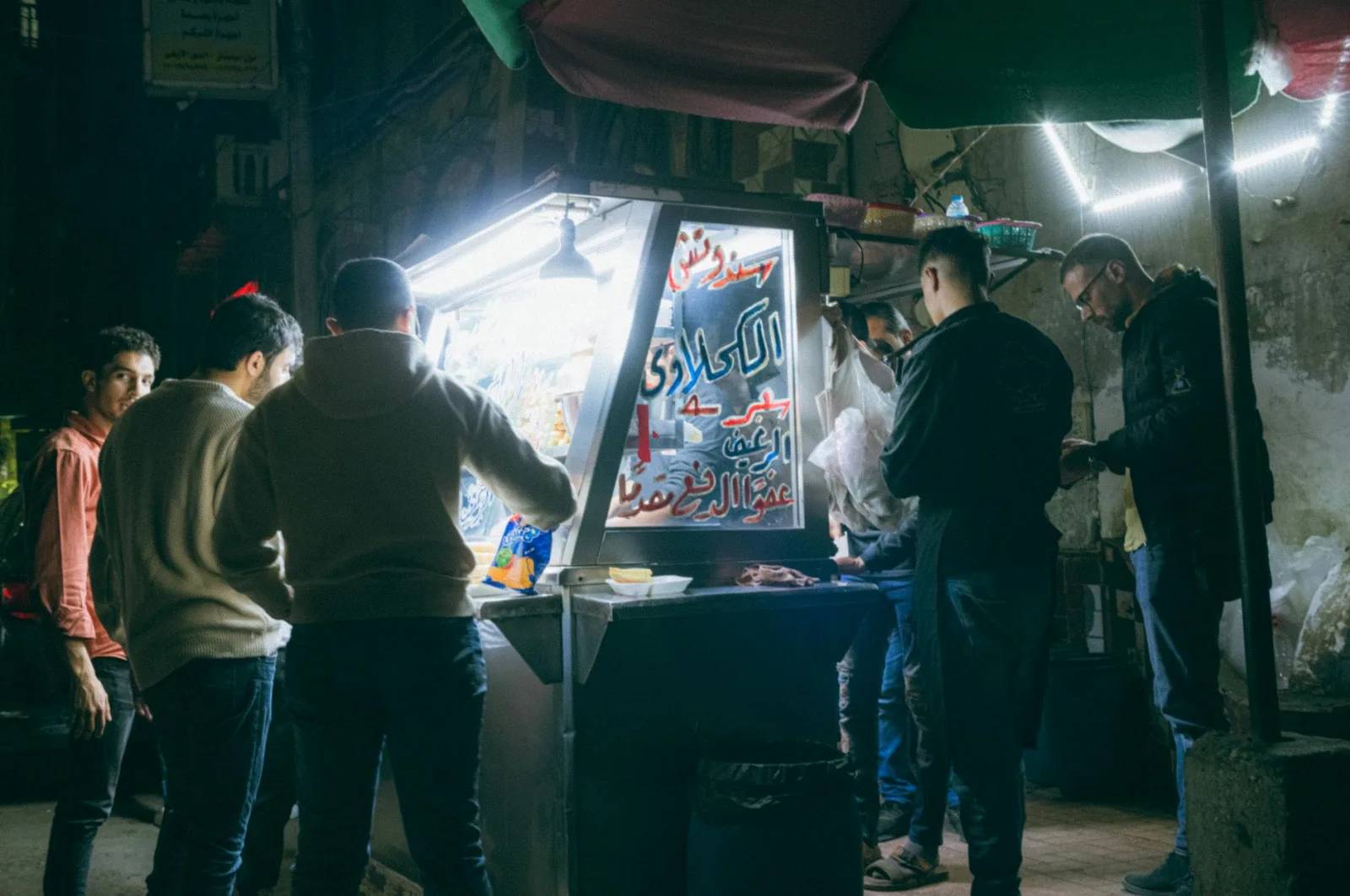
Cash is king in local markets, and while some vendors may accept credit cards, it’s wise to have small bills and coins on hand. ATMs are widely available in cities but may not be found near remote markets. Here are a few payment tips:
- Carry Local Currency: Familiarize yourself with the Egyptian pound (EGP) and try to carry small denominations for easier transactions.
- Always Check for Change: When you make a purchase, always check your change to ensure it’s correct. Mistakes can happen, especially in busy markets.
- Consider Currency Exchange Rates: If you’re exchanging money, be aware of the current rates to avoid unfavorable exchanges.
7. Conclusion: Embracing the Experience
Exploring Egypt’s local markets can be one of the most enriching experiences of your trip. The combination of vibrant culture, unique products, and lively interactions offers a glimpse into the heart of Egyptian life. Remember that the key to a successful market visit lies in preparation and a willingness to engage. By following the bargaining tips, avoiding common pitfalls, and seeking authentic souvenirs, you’ll leave with not just items, but stories and memories that last a lifetime.
Key Takeaways: Understanding market culture, mastering negotiation skills, avoiding common mistakes, and being prepared can significantly enhance your shopping experience in Egypt’s local markets. Happy shopping!