






Understanding the Appeal of Alternative Travel Routes
When you think of Egypt, images of the Pyramids of Giza and the bustling markets of Cairo likely come to mind. However, the country’s true essence often lies beyond these well-trodden paths. Alternative travel routes allow you to explore hidden paths in Egypt, offering authentic travel experiences that connect you more deeply with local culture and history. These routes can lead you to lesser-known sites, quaint villages, and stunning natural landscapes, giving you a unique perspective on a country rich in heritage.
- Understanding the Appeal of Alternative Travel Routes
- Why Choose Alternative Travel Routes?
- Step 1: Research and Plan Your Itinerary
- Step 2: Explore Hidden Paths in Egypt
- Step 3: Engage with Local Culture
- Safety Tips for Alternative Routes
- Step 4: Understanding Travel Etiquette
- Step 5: Embrace the Culinary Scene
- Conclusion: Key Takeaways for Your Journey
Why Choose Alternative Travel Routes?
Firstly, alternative travel routes generally provide a more personalized experience. You’re likely to encounter fewer tourists, which means enhanced interactions with locals and a more genuine sense of place. Additionally, these routes can introduce you to Egypt’s diverse geography, from serene deserts to lush oases, each offering distinct experiences. For instance, while the Nile is famous for its river cruises, exploring its lesser-known tributaries can reveal hidden gems of history and nature.
Step 1: Research and Plan Your Itinerary
Before embarking on your journey, thorough research is essential. Here are practical steps to help you plan:
- Identify Your Interests: Are you drawn to historical sites, natural landscapes, or cultural experiences? This will guide your route selection.
- Use Local Resources: Websites, forums, and social media groups can provide insights into off-the-beaten-path locations.
- Consult Travel Guides: Look for updated travel guides that highlight lesser-known attractions.
Important note: Always check the current safety and accessibility status of your chosen routes, as conditions can change.

Step 2: Explore Hidden Paths in Egypt
Now that you’ve planned your itinerary, let’s delve into some of Egypt’s hidden paths you might consider:
1. Siwa Oasis
Located near the Libyan border, Siwa Oasis is famous for its stunning landscapes and unique Berber culture. This remote destination offers salt lakes, ancient ruins, and a chance to experience local traditions. You can visit the Oracle Temple, where Alexander the Great was said to have consulted the oracle.
2. The White Desert
The White Desert, or Sahara el Beyda, is a surreal landscape filled with chalk rock formations that resemble sculptures. Camping overnight here can be an unforgettable experience, allowing you to stargaze in an unpolluted sky.

3. The Red Sea Coast
While Sharm El Sheikh and Hurghada are popular, consider exploring the lesser-known towns like Dahab or Nuweiba. These locations offer fantastic diving spots and a more laid-back atmosphere. For instance, Dahab’s Blue Hole is a renowned diving site but is often overshadowed by more commercial areas.
Step 3: Engage with Local Culture
Authentic travel experiences often come from engaging with local cultures. Here’s how you can do this effectively:
- Attend Local Festivals: If your travel dates align, attending local festivals can provide insight into traditions and community life. For more on this, check out Navigating Egypt’s Seasonal Events.
- Participate in Workshops: Look for workshops on traditional crafts, cooking classes, or music sessions.
- Stay with Locals: Consider homestays or guesthouses that allow you to interact with your hosts.
Safety Tips for Alternative Routes
While exploring off-the-beaten-path destinations can be rewarding, it’s essential to prioritize safety:
- Stay Informed: Keep abreast of local news and advisories.
- Travel in Groups: Whenever possible, travel with others, especially in remote areas.
- Have a Backup Plan: Know your exit routes and local emergency numbers.
Warning: Some areas may have limited access to medical facilities, so be prepared with a basic first aid kit and necessary medications.
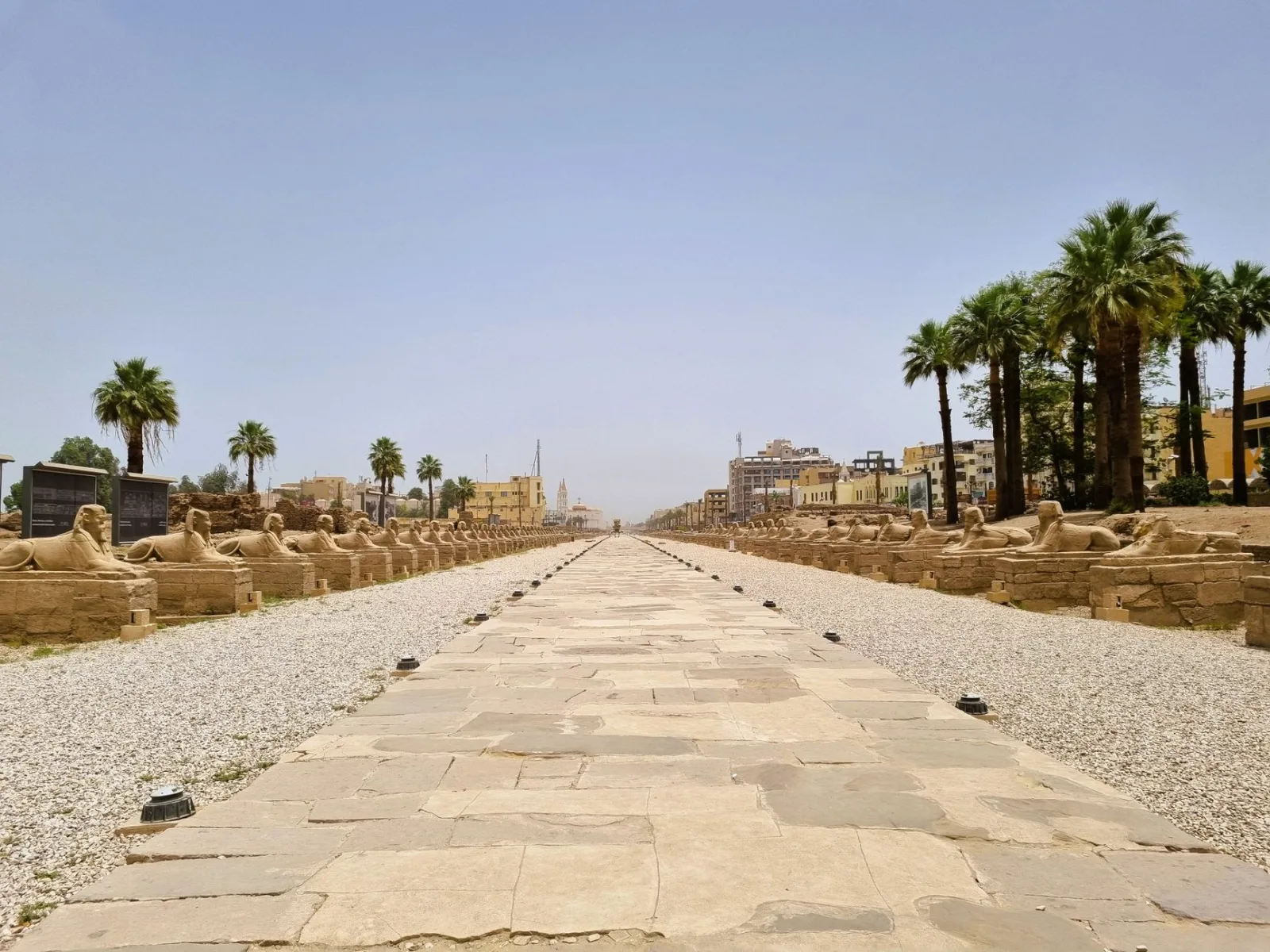
Step 4: Understanding Travel Etiquette
As you navigate Egypt’s alternative travel routes, being mindful of local customs is crucial. Understanding travel etiquette can enhance your interactions with locals. Here are key points to consider:
- Dress Modestly: In rural areas, conservative clothing is often appreciated.
- Ask Before Photographing: Always ask for permission before taking pictures of people or their property.
- Respect Local Traditions: Familiarize yourself with local customs and practices. For a comprehensive guide, refer to Navigating Travel Etiquette.
Step 5: Embrace the Culinary Scene
Food is a vital part of any culture, and Egypt is no exception. Engaging with local cuisine can lead to authentic experiences:
- Street Food: Try local delicacies such as koshari or falafel from street vendors. For tips on this, see Navigating the Art of Egyptian Street Food.
- Local Restaurants: Dine at family-run restaurants instead of tourist spots for a genuine taste of Egyptian hospitality.
Conclusion: Key Takeaways for Your Journey
Embarking on alternative travel routes in Egypt can transform your experience from ordinary to extraordinary. By researching lesser-known paths, engaging with local culture, and practicing good travel etiquette, you can gain insights that are often missed by conventional tourists. Remember, the journey is just as important as the destination, and by taking the road less traveled, you’re likely to uncover the true heart of Egypt.