




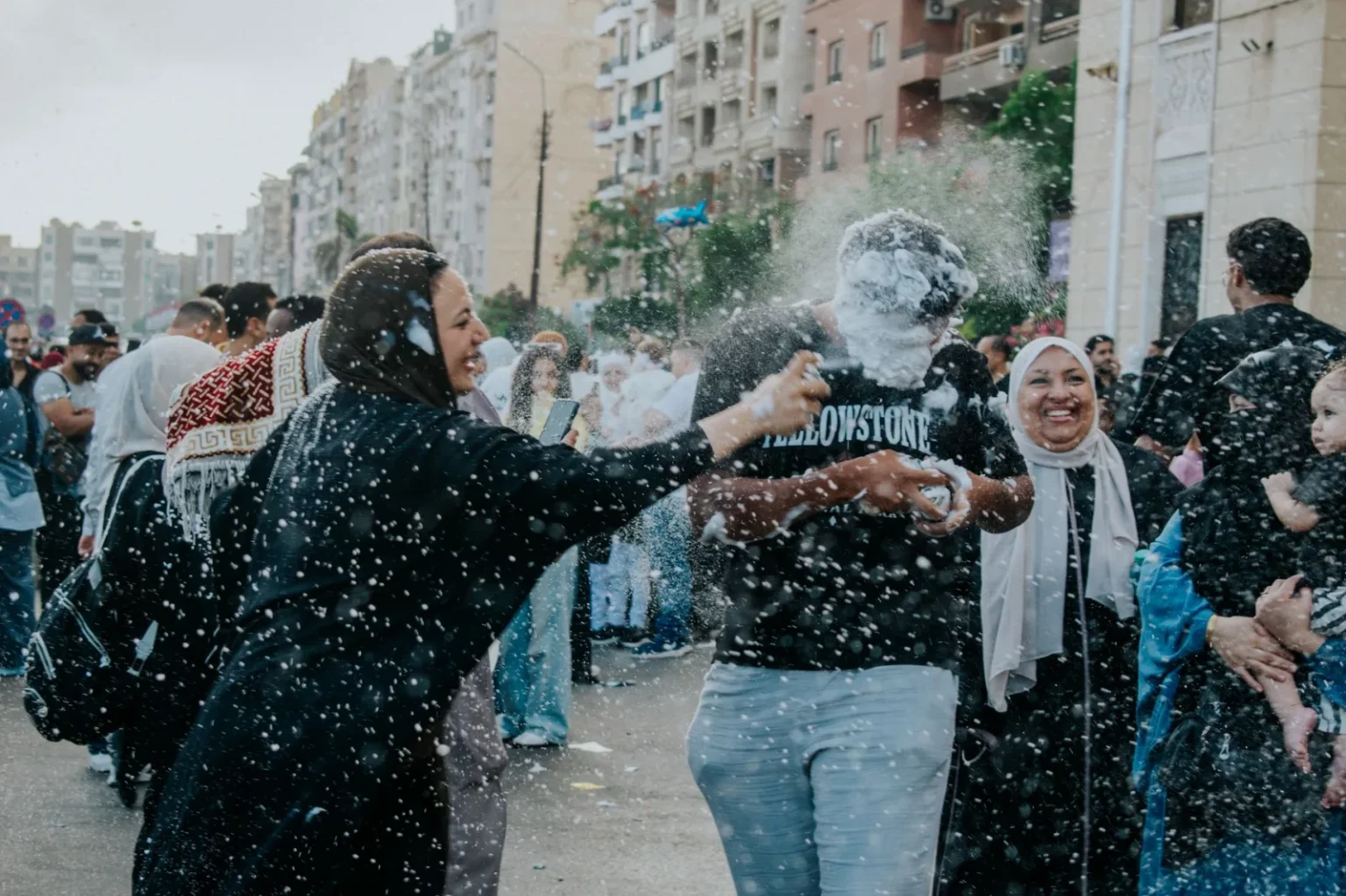

Cairo Festivals: A Glimpse into Local Life
Cairo’s festivals are vibrant spectacles that reflect the city’s rich tapestry of culture and tradition. These celebrations range from religious observances to seasonal festivities, each offering a unique insight into the lives of local residents. Understanding these festivals is crucial for gaining a deeper appreciation of Cairo beyond its famous landmarks.
- Cairo Festivals: A Glimpse into Local Life
- 1. Ramadan: A Month of Reflection and Community
- 2. Eid al-Fitr: Celebrating the End of Ramadan
- 3. Sham el-Nessim: Welcoming Spring
- 4. Moulid al-Nabi: The Birth of the Prophet
- 5. Cairo International Film Festival: Celebrating Cinematic Arts
- 6. Cultural Significance of Local Celebrations
- 7. Tips for Experiencing Cairo’s Festivals
- Conclusion: The Heartbeat of Cairo
1. Ramadan: A Month of Reflection and Community
Ramadan, the holy month of fasting for Muslims, transforms Cairo into a hub of spiritual and communal activities. Each evening, as the sun sets, families gather to break their fast with a meal called Iftar. It’s common to see streets filled with people sharing food, laughter, and stories. This practice not only fosters community but also strengthens family bonds. You may want to join an Iftar if invited; it’s a wonderful way to experience authentic local hospitality.
2. Eid al-Fitr: Celebrating the End of Ramadan
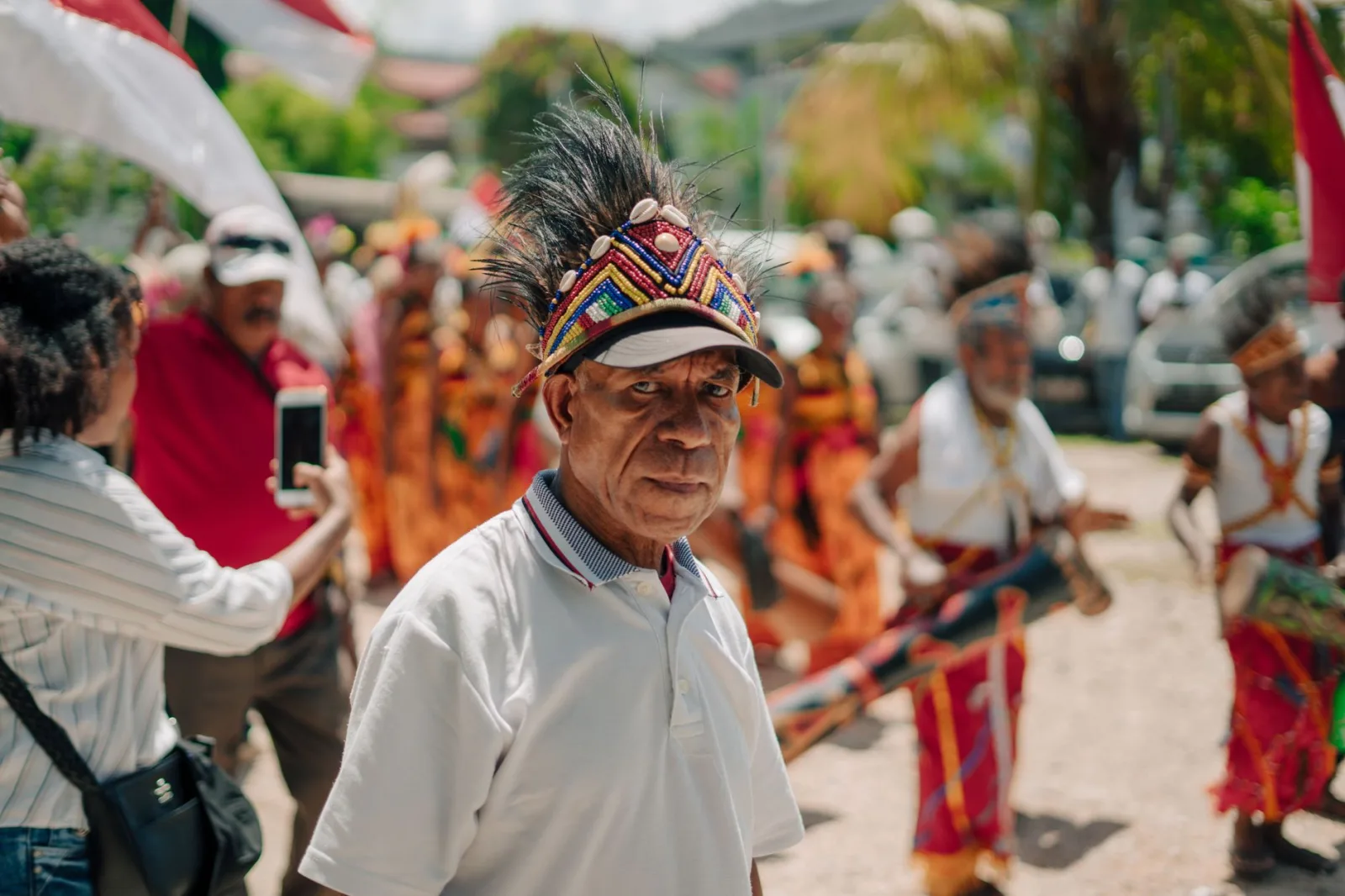
The festival of Eid al-Fitr marks the end of Ramadan and is celebrated with great enthusiasm. The day begins with a special prayer at mosques, followed by feasting and giving gifts. Families often wear new clothes and visit relatives, emphasizing the importance of family ties. Important note: if you are in Cairo during this time, be prepared for crowded streets as everyone joins in the celebrations, creating a lively atmosphere. Additionally, try local sweets such as Kahk, traditional cookies filled with nuts and powdered sugar.
3. Sham el-Nessim: Welcoming Spring
Sham el-Nessim is an ancient Egyptian festival that celebrates the arrival of spring. It usually takes place the day after Easter and is celebrated with picnics in parks or along the Nile. People enjoy traditional foods like feseekh (fermented fish) and colored eggs, which symbolize renewal. This festival is a testament to the historical connection between ancient traditions and modern practices in Cairo. If you want to immerse yourself in local culture, participating in a picnic during Sham el-Nessim is a great idea.
4. Moulid al-Nabi: The Birth of the Prophet
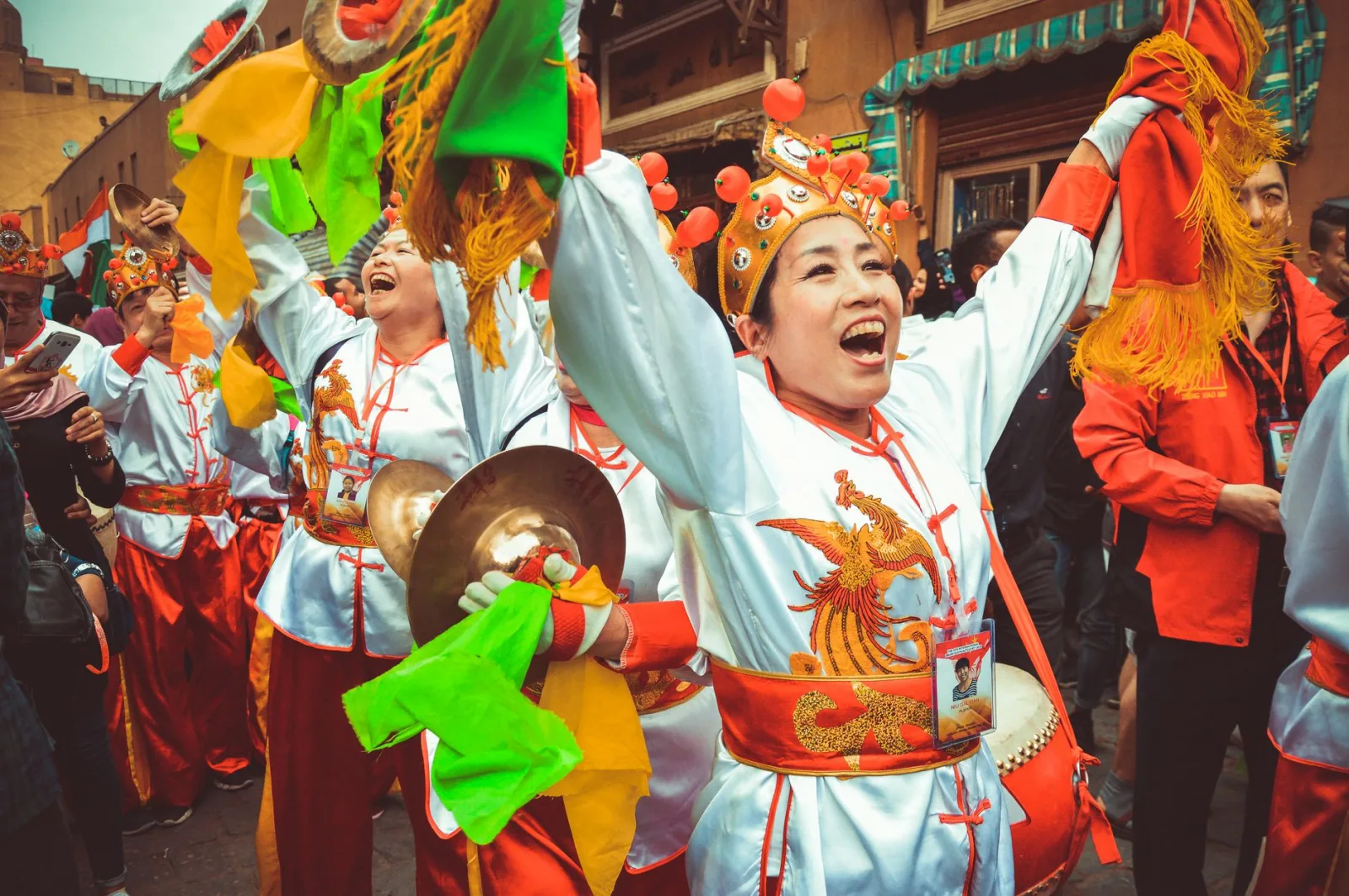
Moulid al-Nabi celebrates the birth of the Prophet Muhammad and is marked by vibrant parades, music, and food. Streets are adorned with colorful lights and decorations, while processions feature traditional dancers and musicians. It’s not uncommon for local vendors to sell sweets and toys, making it a festive occasion for families. Pro tip: visiting the celebrations at Al-Hussein Mosque offers a unique perspective on how spirituality intertwines with local festivities.
5. Cairo International Film Festival: Celebrating Cinematic Arts
For those interested in the arts, the Cairo International Film Festival showcases local and international films, attracting filmmakers and audiences from around the world. It usually takes place in November, featuring screenings, workshops, and discussions. This festival not only highlights the evolving film industry in Egypt but also reflects the cultural narratives within the region. If you’re a film enthusiast, attending this festival can provide valuable insights into contemporary Egyptian cinema.
6. Cultural Significance of Local Celebrations
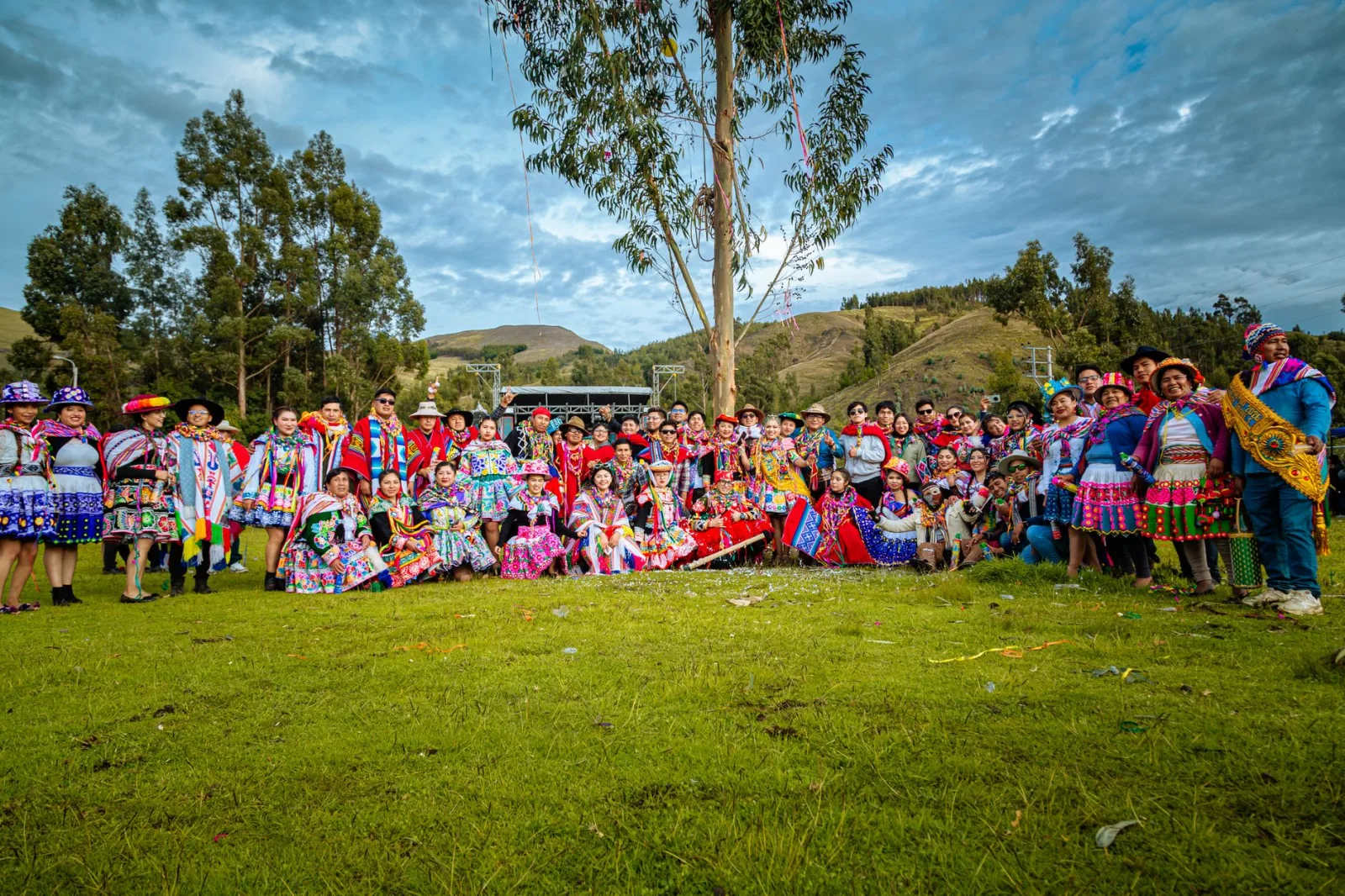
Understanding the cultural significance of these festivals is vital. They act as a bridge connecting generations, preserving traditions while adapting to modern times. For instance, Ramadan emphasizes charity and community bonding, while Sham el-Nessim showcases the connection between nature and cultural identity. By participating in these events, you experience not just the festivities but also the underlying values that shape local life.
7. Tips for Experiencing Cairo’s Festivals
To fully enjoy Cairo’s festivals, consider these practical tips:
- Timing is crucial: Festivals often have specific dates on the lunar calendar, so check the timeline before your visit.
- Dress appropriately: Respect local customs by dressing modestly, especially during religious events.
- Engage with locals: Don’t hesitate to ask about traditions or join in activities; locals appreciate your interest.
- Try local delicacies: Each festival features unique foods, so make sure to taste what’s offered, like the traditional Koshari during Moulid.
Conclusion: The Heartbeat of Cairo
The festivals in Cairo are more than just celebrations; they are a reflection of the city’s soul, its history, and the vibrant tapestry of its people. By understanding and experiencing these local celebrations, you gain a richer perspective of Cairo beyond its historical sites. Whether you are enjoying a festive meal during Ramadan or joining the lively atmosphere of Moulid al-Nabi, these moments connect you with the cultural heartbeat of the city. Key takeaways: embrace the local customs, engage with the community, and savor the unique flavors of Cairo’s festivals.