





Understanding Slow Travel
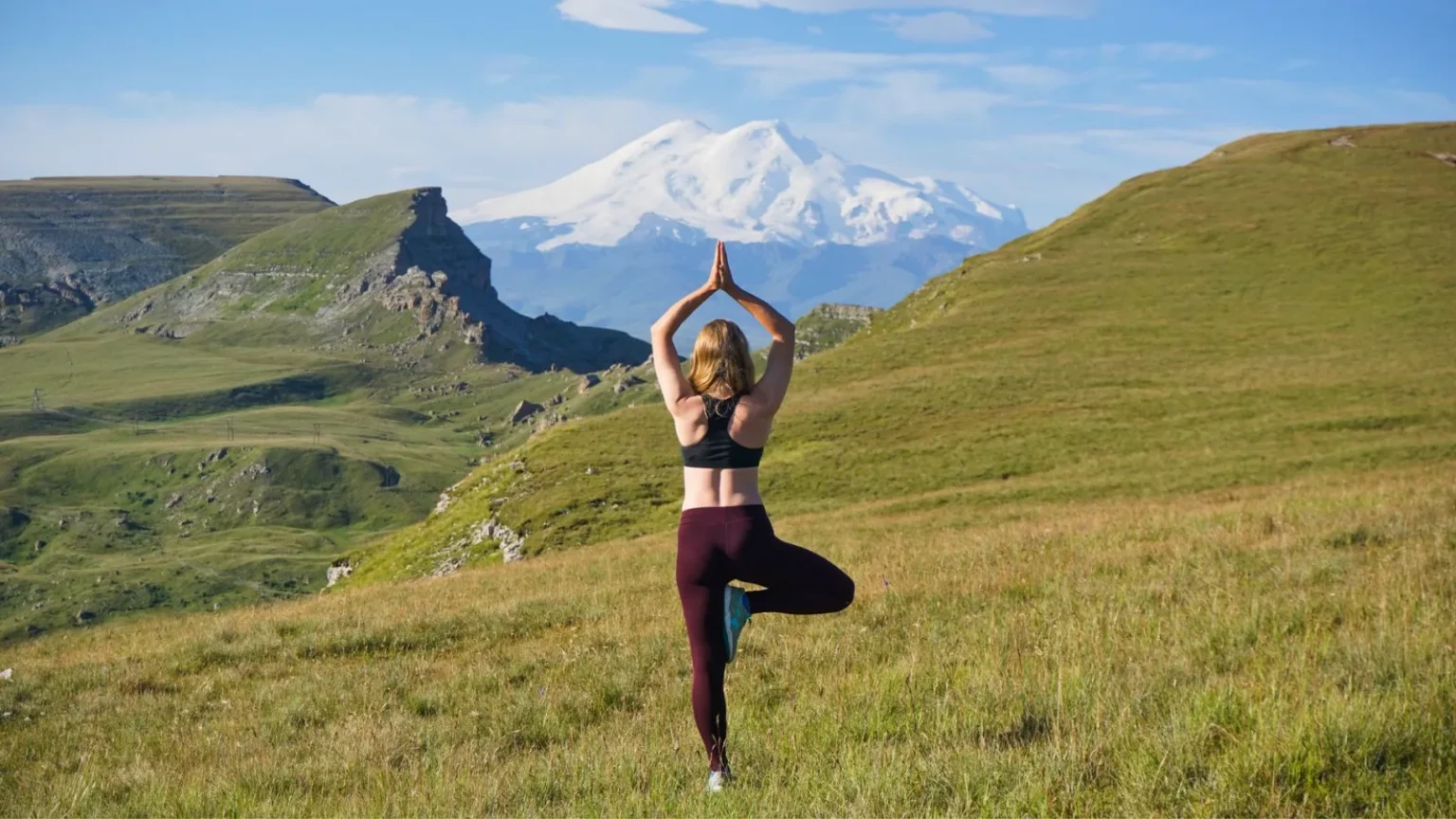
Slow travel is a travel philosophy that emphasizes taking your time to experience a destination fully. Instead of rushing from one tourist hotspot to another, slow travel encourages you to immerse yourself in the local culture and environment. This approach not only enhances your travel experience but also fosters a deeper connection with the places you visit.
The Benefits of Slow Travel
Engaging in slow travel has numerous benefits, which can transform your journeys. Firstly, it allows for more meaningful connections with locals. When you take the time to explore a community, you’re likely to have genuine interactions, whether it’s sharing a meal or learning about local traditions. Additionally, this approach reduces stress, as there’s less pressure to adhere to a strict itinerary.
Practical Steps to Embrace Slow Travel
Here are some practical steps to incorporate slow travel into your journeys:
- Choose Your Destination Wisely: Select places that encourage exploration. Smaller towns or rural areas often offer richer experiences than busy cities.
- Limit Your Itinerary: Instead of planning to see ten attractions in one day, choose two or three and allow for spontaneous exploration.
- Engage with Locals: Use resources like Navigating Cultural Sensitivities to learn how to interact respectfully with the community. This can lead to unexpected and rewarding experiences.
- Utilize Local Transportation: Consider walking, biking, or using public transport. This not only allows you to see the destination at a slower pace but also gives you a chance to observe daily life.
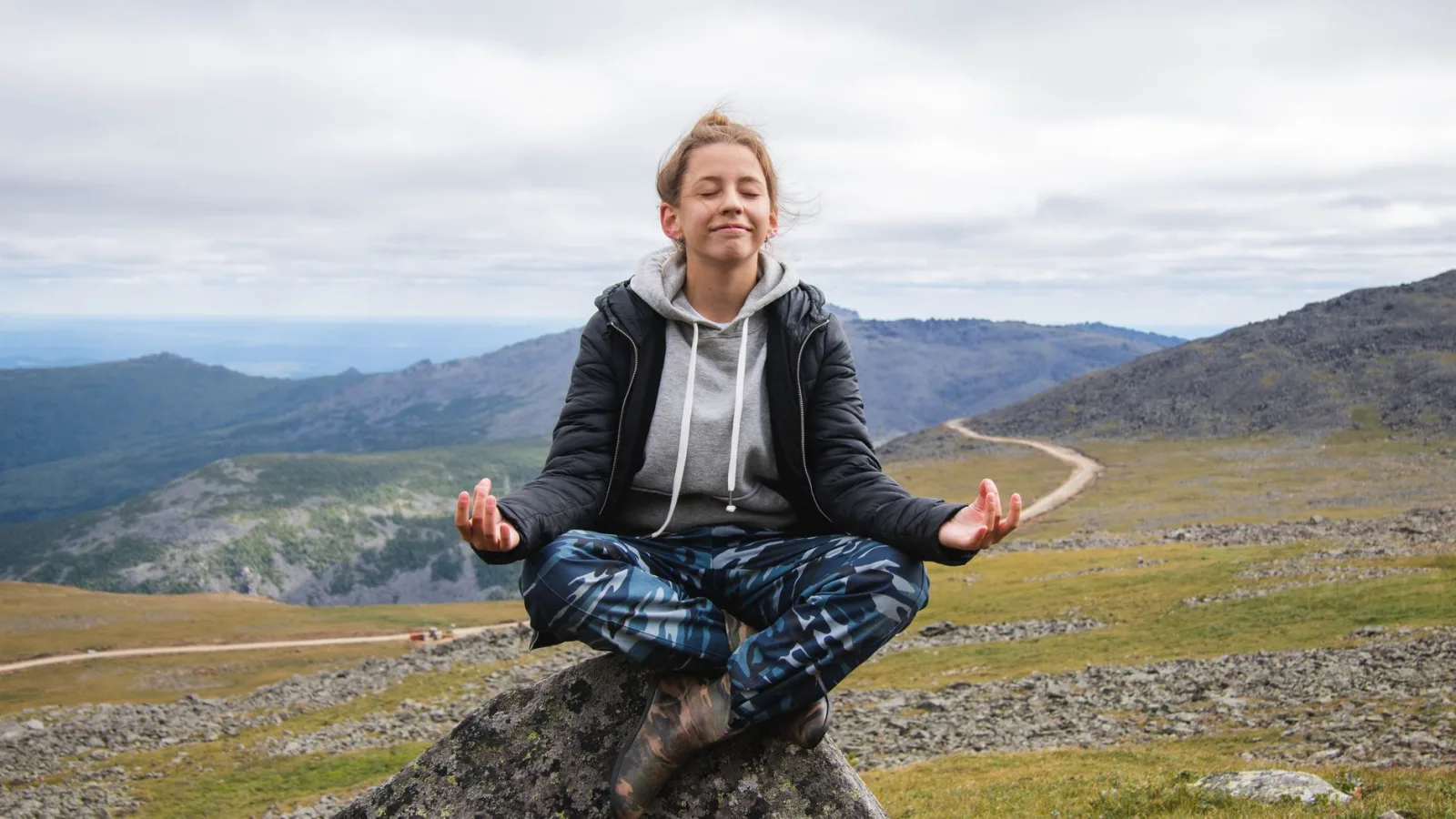
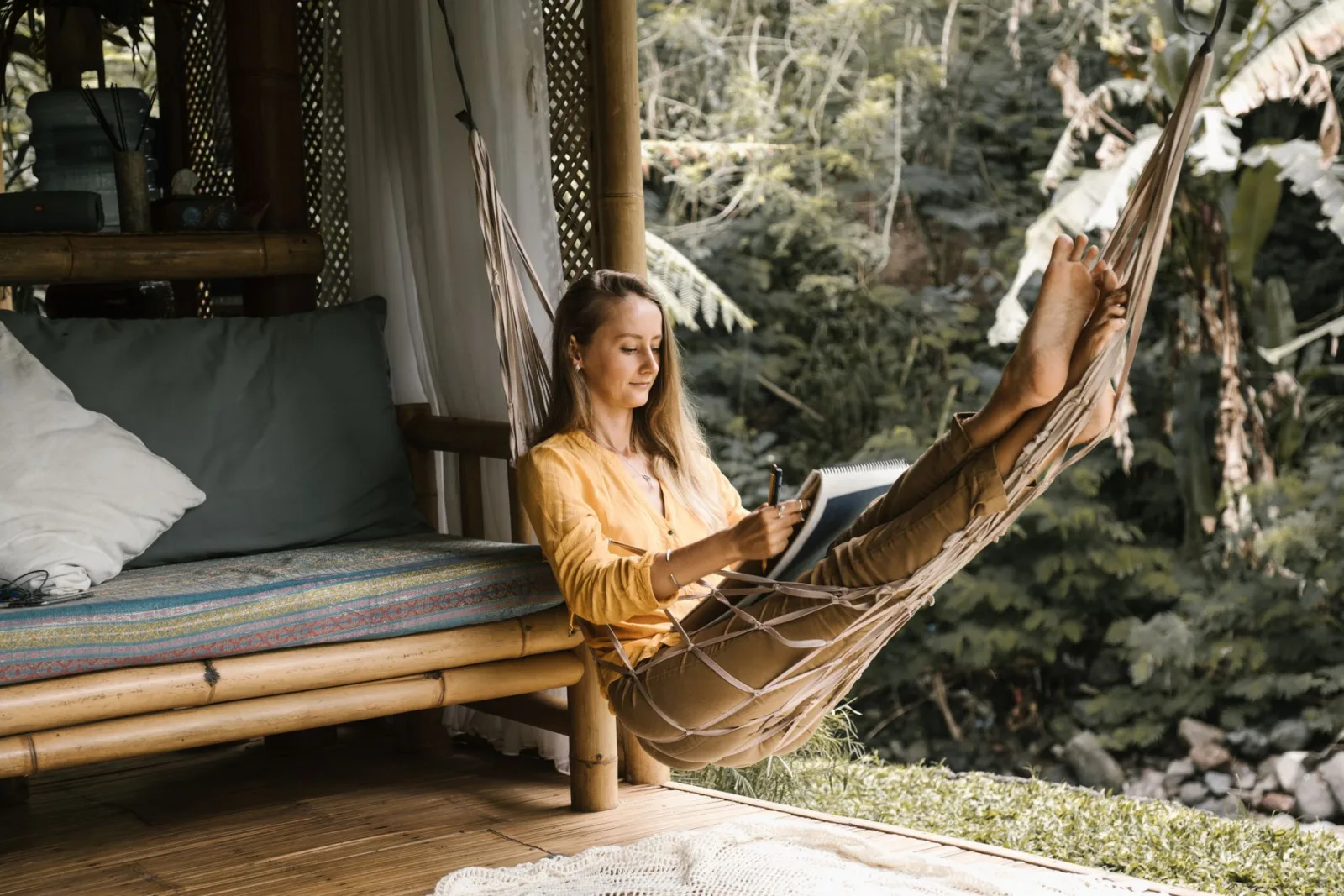
- Practice Mindfulness: Engage in mindful practices while traveling, such as journaling or photography, to capture your experiences, enhancing your awareness of the moment.
Mindful Journeys: The Core of Slow Travel
Mindful journeys are about being present and appreciating the moment. You may find joy in small details, like the aroma of local cuisine or the sound of bustling markets. Practicing mindfulness can transform your travel experience. For instance, instead of snapping a quick photo and moving on, take a moment to savor what you’re seeing. This shift in perspective can lead to a more enriching experience.
Common Mistakes When Embracing Slow Travel
When adopting slow travel, be aware of common pitfalls:
- Overplanning: While it’s good to have a general idea of what you want to see, over-scheduling can create stress. Leave room for spontaneity.
- Ignoring Local Customs: Failing to respect local traditions can hinder your experience. For example, understanding dining etiquette can enhance your interactions. Refer to Navigating Cultural Sensitivities for more insights.
- Staying in Tourist Areas: Opt for accommodations outside tourist zones. This provides a more authentic experience and allows you to integrate into local life.
Integrating Minimalism into Slow Travel
Slow travel and minimalism often go hand in hand. By packing light, you reduce the burden of managing excessive luggage, allowing for a more carefree experience. Consider following tips from The Ultimate Guide to Minimalist Travel for practical packing strategies. The fewer items you bring, the less you’ll worry about them, enhancing your ability to be present during your travels.
Connecting with Nature During Slow Travel
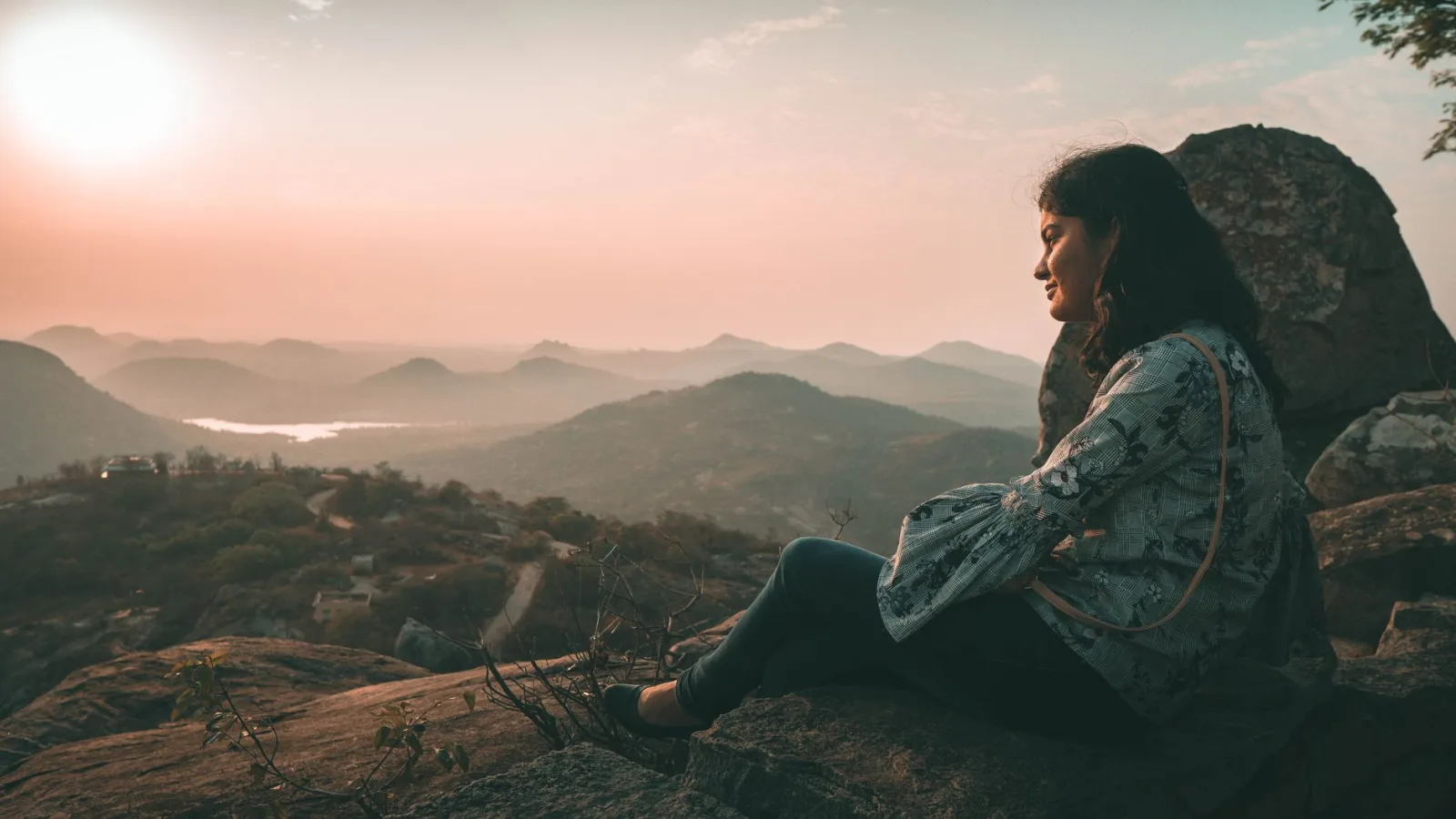
One aspect of slow travel that is often overlooked is the opportunity to connect with nature. Seek out natural landscapes, parks, or beaches in your destination. Spending time outdoors encourages relaxation and reflection. Whether it’s hiking a local trail or simply enjoying a sunset, these moments foster a deep appreciation for the environment.
Conclusion: The Lasting Impact of Slow Travel
In summary, slow travel is about embracing patience and presence in your journeys. By engaging mindfully with your surroundings, you can cultivate a richer, more meaningful travel experience. Remember the practical steps outlined above to guide your slow travel endeavors. As you embark on your next journey, take the time to savor each moment, connect with others, and immerse yourself in the local culture. The art of slow travel not only enriches your travels but also enhances your understanding of the world.