





Understanding Ethical Tourism
Ethical tourism, often referred to as responsible travel, focuses on minimizing the negative impacts of tourism while maximizing the benefits for local communities and environments. In Egypt, a country rich in history and culture, this concept is especially relevant. As you explore its ancient sites and bustling markets, understanding how your travel choices affect local communities is crucial.
- Understanding Ethical Tourism
- 1. Choose Responsible Tour Operators
- 2. Respect Local Cultures and Traditions
- 3. Support Local Businesses
- 4. Minimize Your Environmental Impact
- 5. Engage with the Local Community
- 6. Be Informed About Historical Sites
- 7. Embrace Alternative Travel Routes
- Conclusion: Key Takeaways for Ethical Tourism in Egypt
1. Choose Responsible Tour Operators
When planning your trip to Egypt, selecting the right tour operator is vital. Look for companies that prioritize sustainable practices. For example, a responsible operator should support local guides, use eco-friendly transportation, and maintain transparency about their environmental impact. Research reviews and ask about their commitment to ethical tourism. This ensures that your travel dollars contribute positively to the local economy.
2. Respect Local Cultures and Traditions
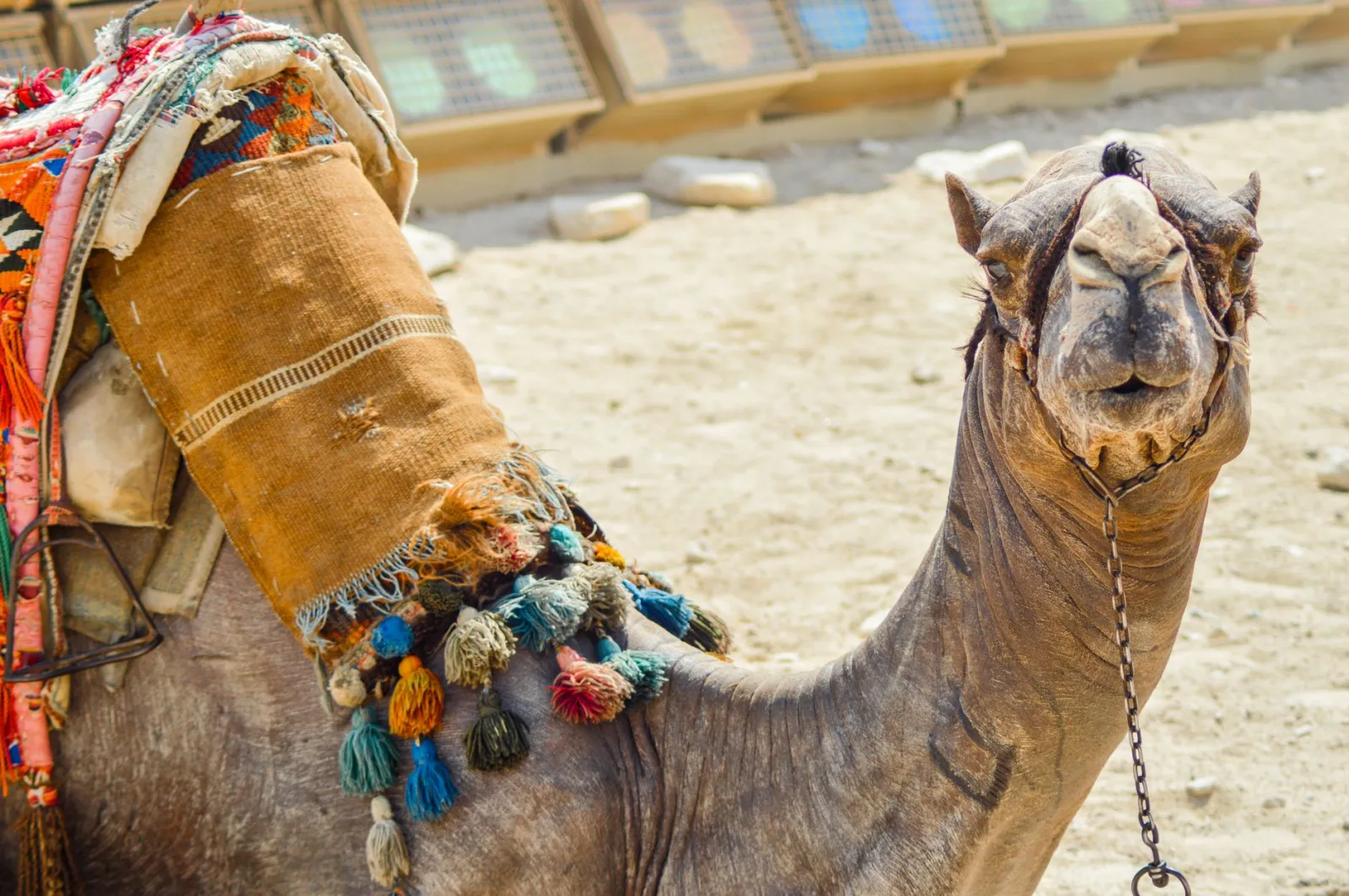
Egypt is home to diverse cultures and customs. As a traveler, you should respect these traditions. This means dressing modestly, particularly when visiting religious sites like the mosques in Cairo or temples in Luxor. Important note: tourists often underestimate the significance of local dress codes. For instance, wearing shorts or revealing clothing can be seen as disrespectful. Always opt for clothing that covers the shoulders and knees to show respect.
3. Support Local Businesses
One of the most effective ways to practice ethical tourism is by supporting local businesses. Instead of dining at international chain restaurants, seek out local eateries serving traditional dishes. This not only provides you with authentic culinary experiences but also helps local economies thrive. Consider exploring options such as the bustling markets or local bistros where you can taste authentic Egyptian cuisine. A pro tip: look for establishments that use locally sourced ingredients, which further supports the community.
4. Minimize Your Environmental Impact
Traveling responsibly also means being mindful of your environmental footprint. In Egypt, water scarcity is a significant issue, so be conscious of your water usage during your stay. For example, take shorter showers and refrain from requesting fresh towels daily. Additionally, when visiting natural sites such as the Red Sea, ensure you follow guidelines to protect marine life, like avoiding touching coral reefs. Warning: careless behavior can lead to irreversible damage to these ecosystems.
5. Engage with the Local Community
One of the most rewarding aspects of travel is the opportunity to connect with local people. Participate in community-based tourism initiatives that allow you to engage with residents. This could include workshops on traditional crafts or cooking classes. By doing so, you not only gain deeper insights into Egyptian culture but also help sustain these local practices. A common mistake is to remain in tourist bubbles; instead, seek out genuine interactions. This enhances your experience and fosters mutual understanding.

6. Be Informed About Historical Sites
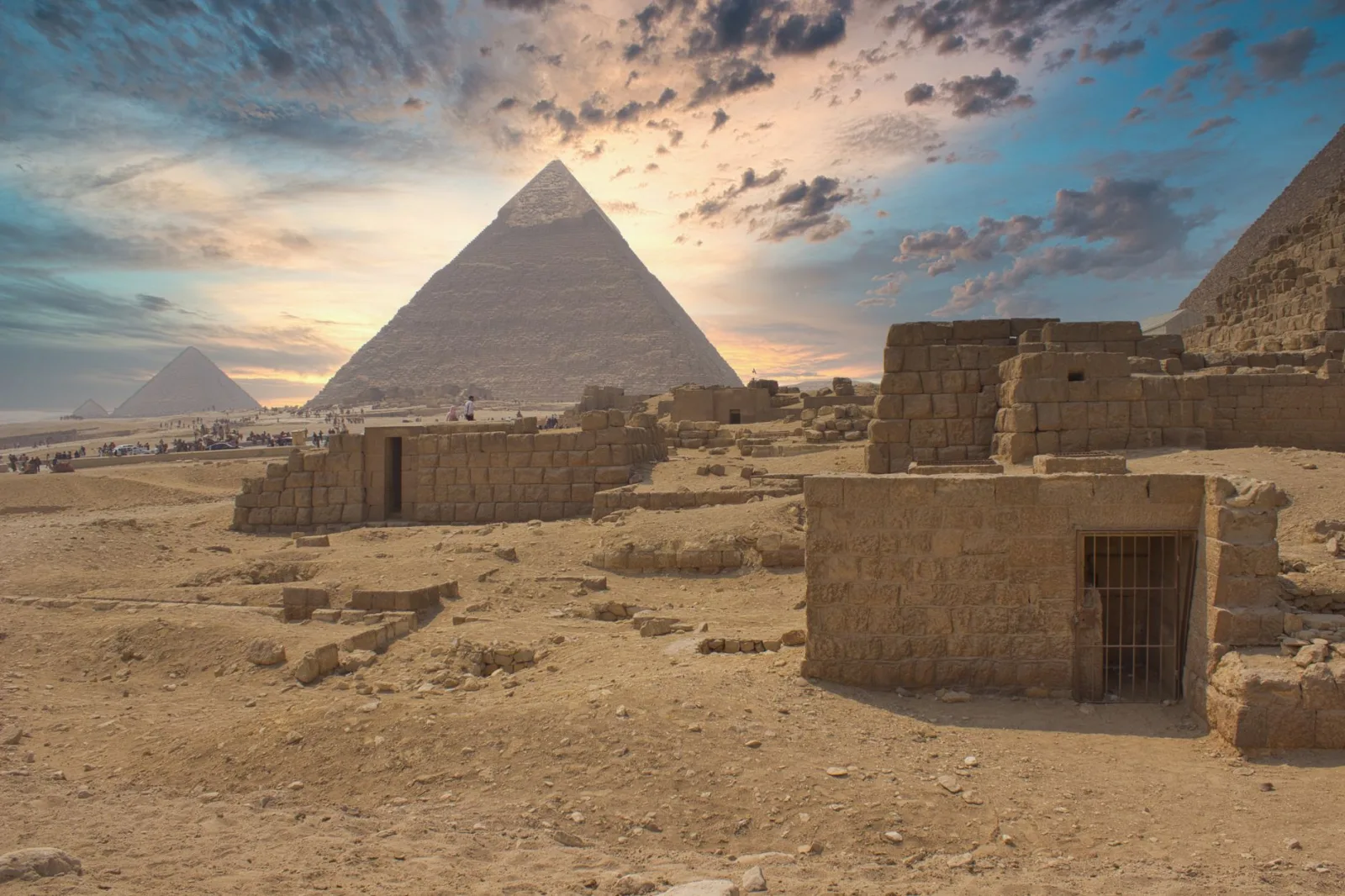
Egypt is known for its incredible historical sites, but it’s essential to approach them with respect. Before visiting places like the Pyramids of Giza or the Valley of the Kings, educate yourself about their significance and the preservation challenges they face. This awareness fosters a deeper appreciation and encourages responsible behavior while exploring these sites. For instance, avoid climbing on ancient structures or removing artifacts. Let’s understand this with a simple example: if everyone respects these sites, they remain intact for future generations to enjoy.
7. Embrace Alternative Travel Routes
While popular tourist destinations are often crowded, consider venturing off the beaten path. Exploring Egypt’s lesser-known areas can lead to unique experiences and help disperse the economic benefits of tourism. For instance, instead of only visiting Cairo, consider checking out the beautiful landscapes of Siwa Oasis or the historical significance of Aswan. Navigating Egypt’s alternative travel routes can provide you with authentic experiences that are less influenced by mass tourism. This approach not only benefits you but also encourages sustainable tourism practices.
Conclusion: Key Takeaways for Ethical Tourism in Egypt
Traveling responsibly in Egypt is about making conscious choices that benefit both you and the local communities. By choosing responsible tour operators, respecting local cultures, supporting local businesses, minimizing your environmental impact, engaging with communities, being informed about historical sites, and embracing alternative travel routes, you can enjoy a fulfilling travel experience while contributing positively to the places you visit. Remember, ethical tourism is not just a trend; it’s a commitment to making the world a better place, one trip at a time. As you plan your journey, consider how your actions can reflect your values and support the rich heritage of Egypt.