





Understanding Cultural Festivals in the Arabian Peninsula
Cultural festivals offer a unique lens into the local traditions and customs of a region. In the Arabian Peninsula, these events are often steeped in history and reflect the diverse cultural tapestry of the area. Unlike mainstream festivals that draw large crowds and attract tourism, many of these hidden gems provide an intimate experience, allowing you to engage deeply with the local community. This article will guide you through the significance of these festivals and how you can participate in them.
- Understanding Cultural Festivals in the Arabian Peninsula
- 1. The Significance of Local Traditions
- 2. Exploring Hidden Festivals
- 3. Practical Steps for Attending Hidden Cultural Festivals
- 4. The Role of Festivals in Preservation of Culture
- 5. Engaging with Local Communities
- 6. The Future of Hidden Cultural Festivals
- Conclusion: Embracing the Hidden Cultural Festivals
1. The Significance of Local Traditions
Local traditions play a crucial role in the identity of communities across the Arabian Peninsula. They are expressions of cultural heritage, often passed down through generations. Understanding these traditions not only enhances your travel experience but also fosters a deeper respect for the communities you visit.
2. Exploring Hidden Festivals
Here are some hidden cultural festivals worth exploring:
2.1 The Al Janadriyah Festival, Saudi Arabia
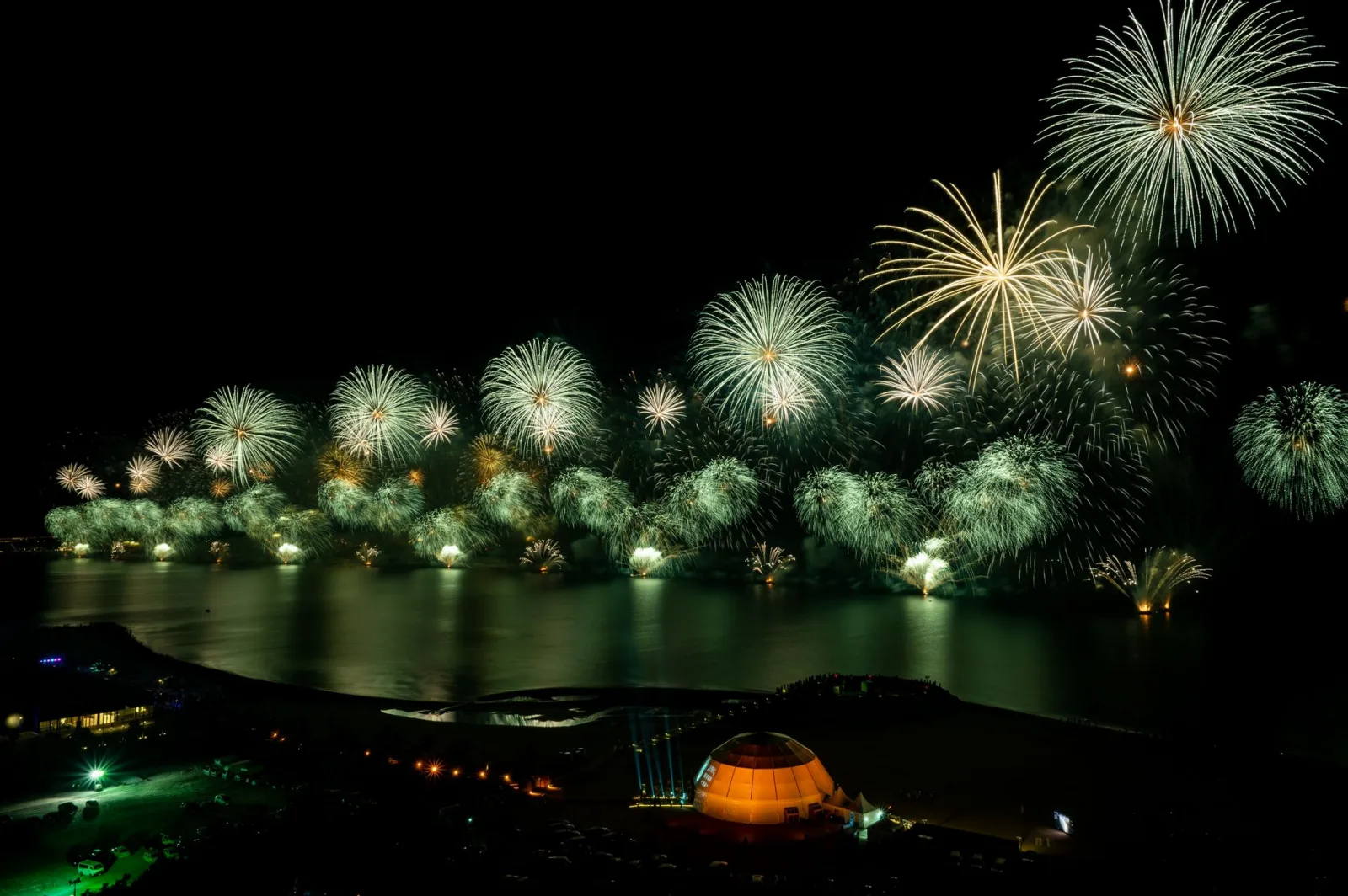
This festival, held annually near Riyadh, celebrates Saudi culture with traditional music, dance, and crafts. While it’s known to some, many overlook its off-peak days filled with authentic local experiences. Engage with artisans and participate in workshops to understand the craft behind Saudi handicrafts.
2.2 The Spring Festival in Oman
In the lesser-known town of Al Rustaq, the Spring Festival showcases Omani culture through poetry, music, and local cuisine. You can experience local traditions firsthand, from tasting traditional dishes to witnessing age-old crafts being practiced. Note that this festival focuses on community participation rather than commercial tourism.
2.3 The Date Festival in Al Ain, UAE
Also known as the Al Ain Date Festival, this event celebrates one of the region’s staple crops. Engage with local farmers, learn about the various types of dates, and taste them in their freshest form. This festival emphasizes sustainability and local agriculture, making it a perfect spot for those interested in eco-tourism.
3. Practical Steps for Attending Hidden Cultural Festivals
If you’re interested in attending these festivals, here are some practical steps to consider:
- Research the Dates: Festivals often occur around specific times of the year. Check local calendars and tourism websites for specific dates and any changes due to regional circumstances.
- Connect with Locals: Engaging with local communities via social media platforms or travel forums can provide insights into lesser-known events. They may offer tips on how to participate authentically.
- Respect Local Customs: Understanding the cultural nuances is essential. Dress appropriately and be mindful of local traditions, especially during religious or solemn occasions.
4. The Role of Festivals in Preservation of Culture
Festivals serve as a vital tool in preserving local culture. As globalization spreads, many traditional practices risk fading into obscurity. By attending these festivals, you contribute to their survival. This preservation is crucial not only for the community’s identity but also for future generations. For example, at the Al Janadriyah Festival, you’ll witness traditional dances and songs that have been preserved through communal effort.
5. Engaging with Local Communities
Participating in these festivals allows you to interact with local communities. This engagement can take many forms, from volunteering to simply enjoying the festivities. You may discover workshops where you can learn how to weave, cook traditional dishes, or even participate in folk dances. These hands-on experiences often resonate more than mere observation.
5.1 Common Mistakes to Avoid
While engaging with local communities, avoid these common mistakes:
- Not Asking Permission: Always ask before taking photos of people or their crafts. Respect their wishes if they decline.
- Forgetting to Learn Basic Phrases: Learning a few words in Arabic can go a long way in building rapport with locals.
- Overlooking Etiquette: Each community has its own customs; understanding these can enrich your experience and show respect.
6. The Future of Hidden Cultural Festivals
As the world becomes increasingly interconnected, hidden cultural festivals face both challenges and opportunities. The rise of social media allows these events to gain visibility, attracting more visitors while risking commercialization. It’s crucial for travelers to approach these festivals with a mindset of respect and authenticity. By doing so, you not only support local economies but also play a part in preserving their unique cultural narratives.
Conclusion: Embracing the Hidden Cultural Festivals
In conclusion, the hidden cultural festivals of the Arabian Peninsula offer an unparalleled opportunity to experience local traditions. By participating in these events, you not only enrich your own understanding but also contribute to the sustainability of these cultural practices. Remember to engage respectfully, learn from locals, and take the time to appreciate the depth of cultural heritage present in each festivity. As you plan your travels, consider exploring these hidden gems for a more authentic experience. For further insights, you may want to check out this guide on hidden cultural festivals and explore other aspects of the Arabian Peninsula, such as its eco-resorts or hiking trails.