





Understanding Artisan Markets
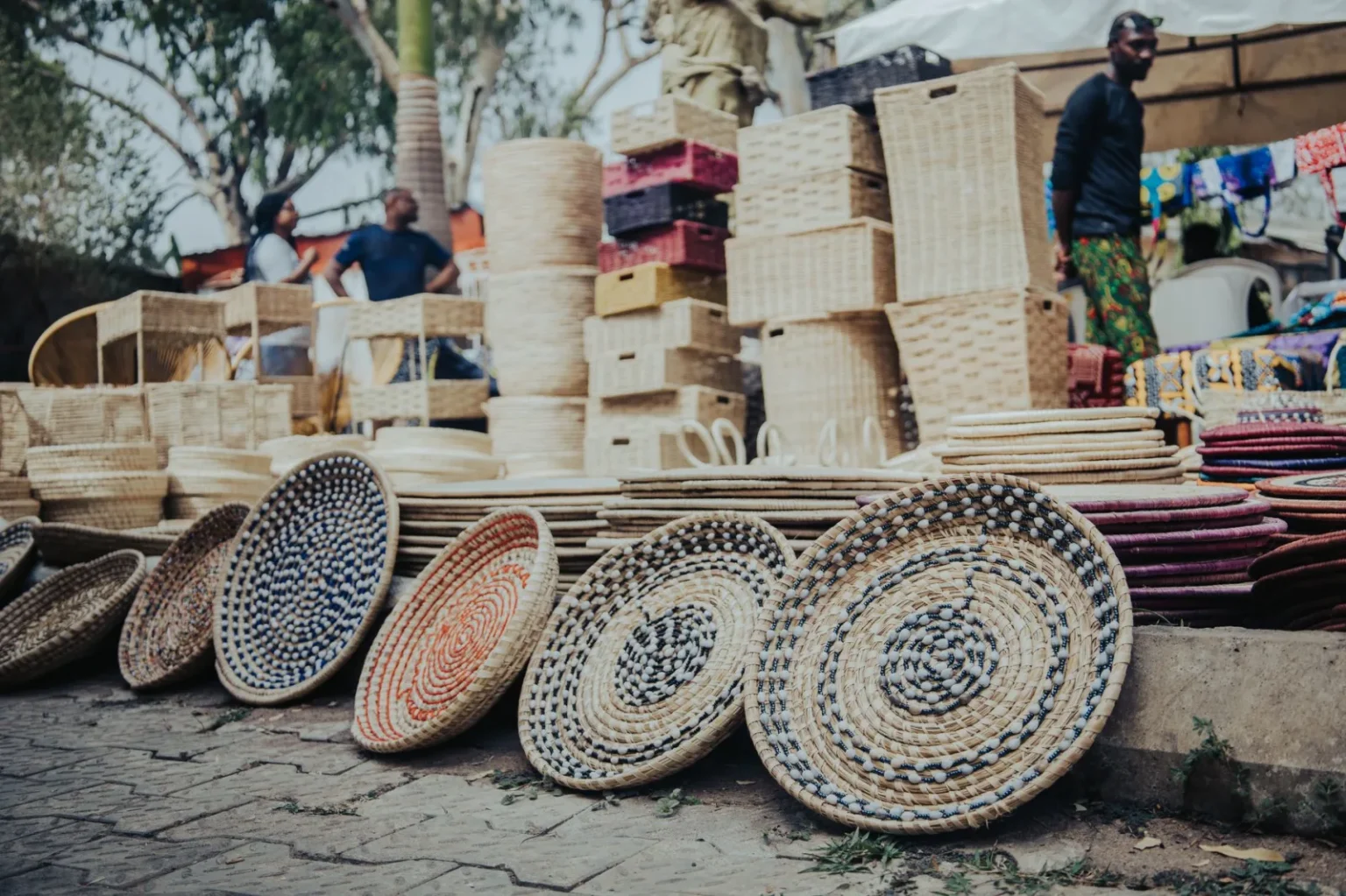
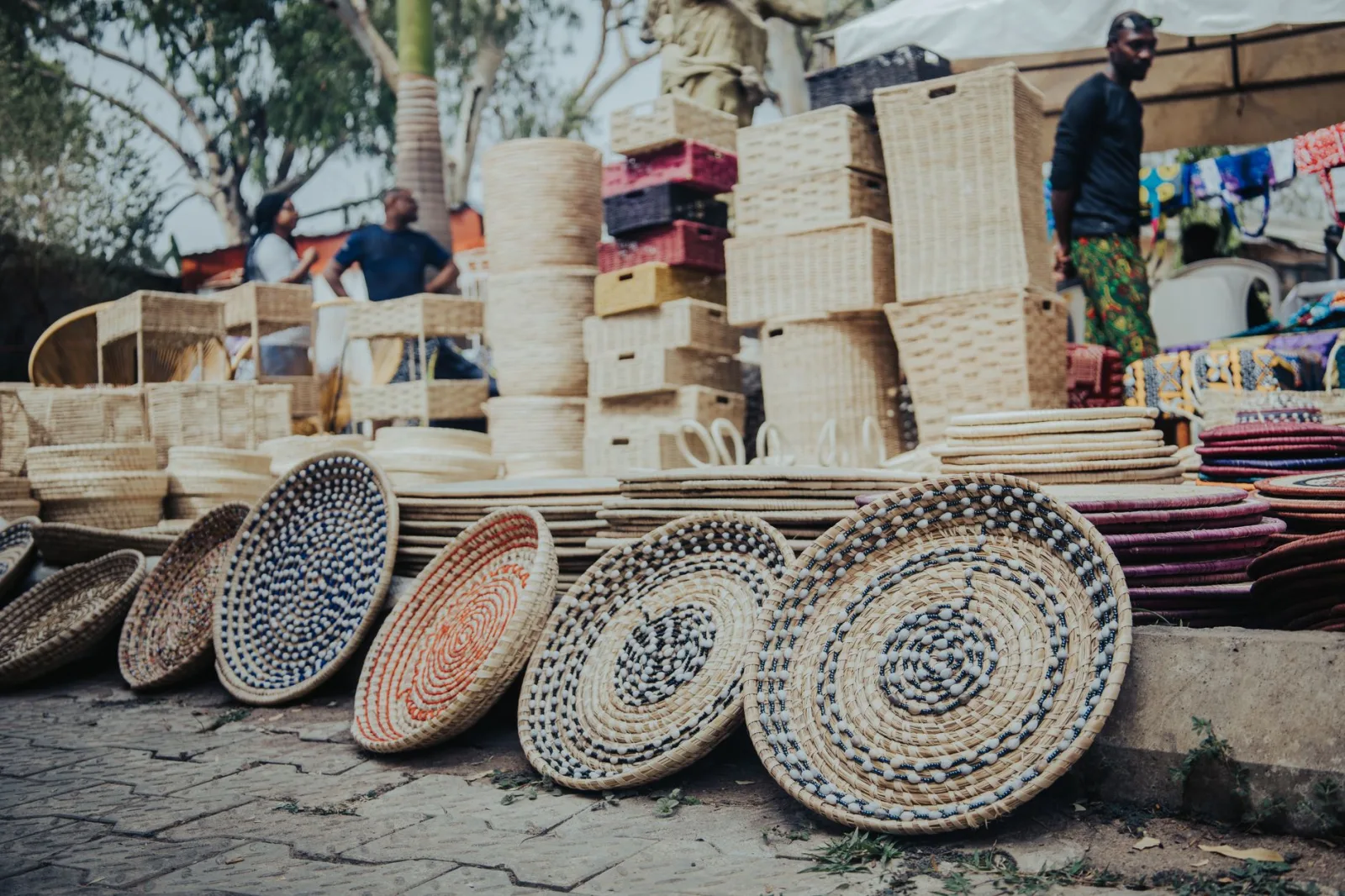
Artisan markets are vibrant spaces where local craftsmen and women showcase their skills. These markets often reflect the culture, traditions, and heritage of their region. In the Arabian Peninsula, they provide a unique glimpse into local crafts that may not be found in mainstream commercial environments. You might find everything from intricate textiles to hand-carved pottery, each telling a story of its origin.
Why Explore Artisan Markets?
Firstly, exploring artisan markets allows you to support local economies. When you purchase handmade items, you contribute directly to the livelihoods of artisans. Additionally, these markets often offer unique products that are unavailable elsewhere, making them a treasure trove for collectors and travelers alike. For example, in Oman, you might discover beautifully crafted khanjars (traditional daggers) that reflect the country’s rich history.
Notable Artisan Markets in the Arabian Peninsula
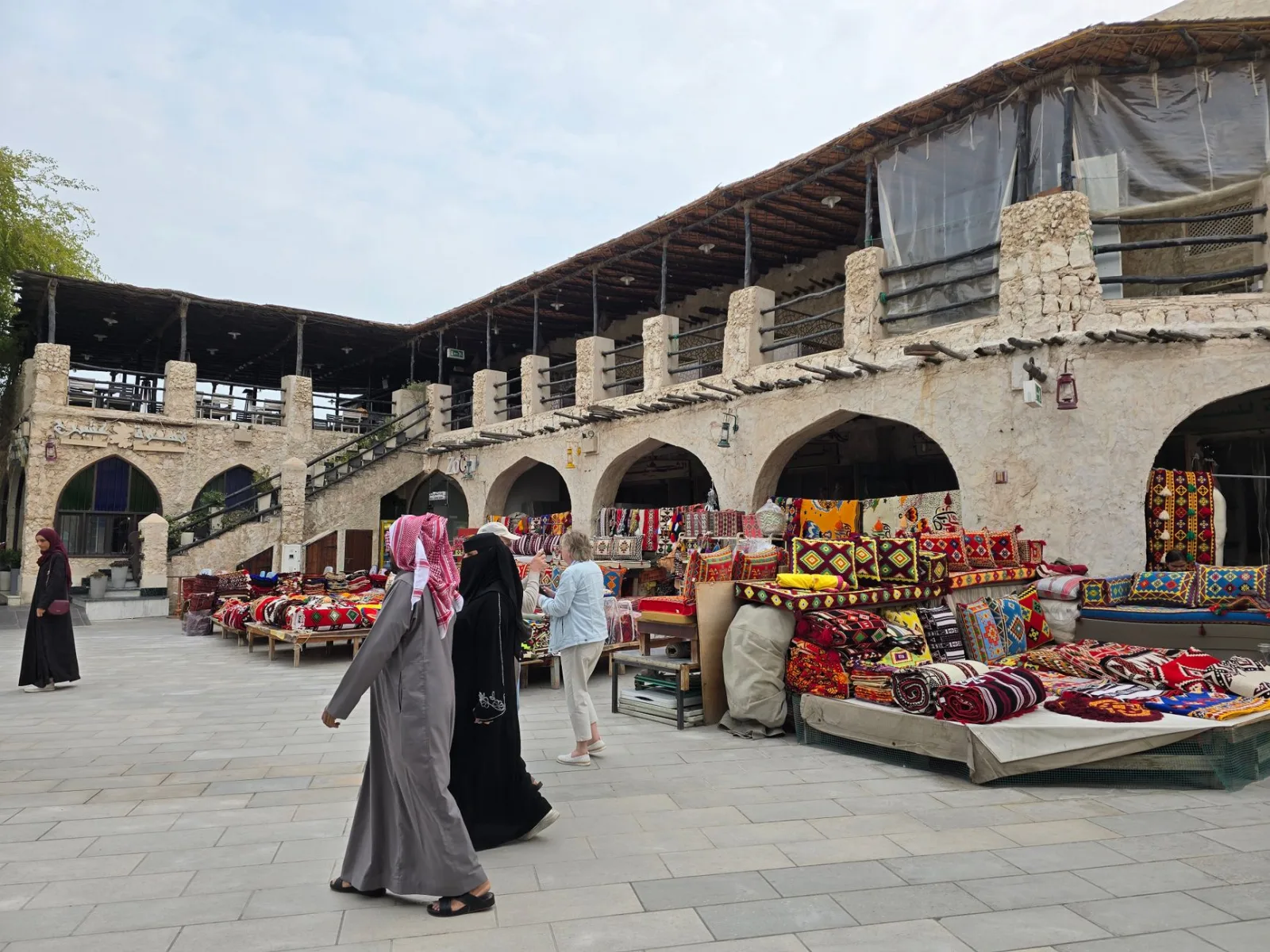
1. Souq Waqif, Qatar – Located in Doha, this market is renowned for its traditional Qatari handicrafts. You can find everything from handmade spices to intricate jewelry. It’s a perfect blend of modern shopping and traditional craftsmanship.
2. Muttrah Souq, Oman – This bustling market is teeming with local crafts, including silverware and textiles. The winding alleys filled with shops offer an authentic experience, where you can engage with artisans directly.
3. Al Balad, Saudi Arabia – A UNESCO World Heritage site in Jeddah, Al Balad features artisan shops selling handmade items, such as traditional clothing and wood carvings. The architecture itself is a testament to local craftsmanship.
What to Look For in Artisan Products
When visiting artisan markets, consider the following:
- Quality: Look for well-made products that reflect the skill of the artisan. This often means checking the finishing touches, durability, and overall craftsmanship.
- Authenticity: Seek products that are genuine representations of the local culture. This might include traditional designs, materials, or techniques.
- Story: Every piece likely has a story behind it. Don’t hesitate to ask artisans about their work; this can enhance your appreciation and understanding of the craft.
Engaging with Artisans
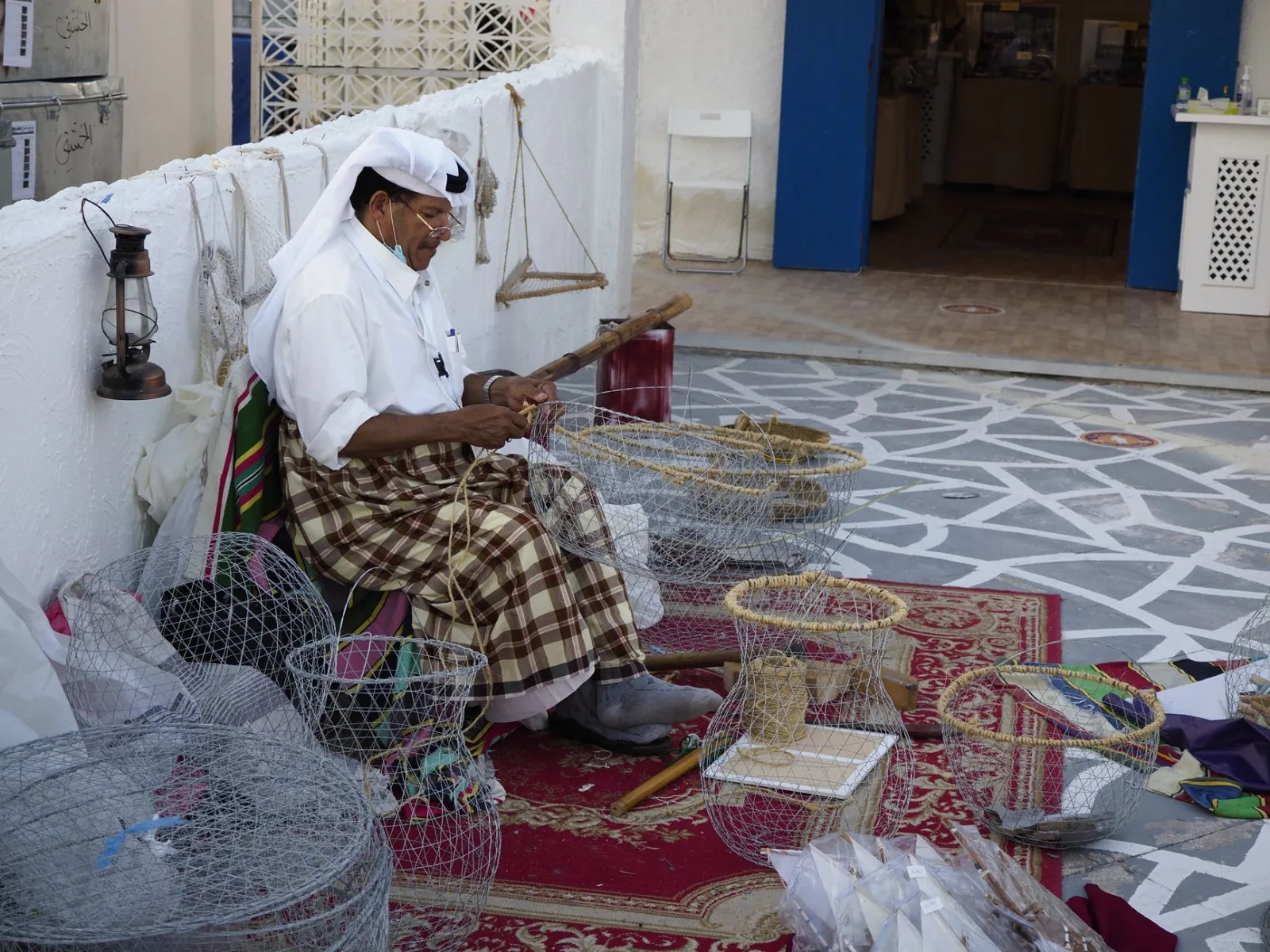
Engaging directly with artisans can enrich your experience significantly. You might ask questions about their techniques or the inspiration behind their work. Many artisans are passionate about sharing their stories and pride in their crafts. For instance, while visiting a pottery workshop in Bahrain, you might learn about the ancient methods still used today, connecting you more deeply to the local culture.
Practical Tips for Visiting Artisan Markets
1. Timing: Visit early in the day or later in the afternoon to avoid crowds and have more time to interact with artisans.
2. Cash is King: While some vendors may accept cards, cash is often preferred in these markets. Having small denominations handy can also facilitate easier transactions.
3. Respect Local Customs: Remember that you are in a cultural space. Dress modestly, ask before taking photographs, and be polite when negotiating prices.
Connecting Artisan Markets to Broader Cultural Experiences
Artisan markets often reflect broader cultural traditions and practices. For instance, the craftsmanship found in these markets frequently ties into local culinary traditions. As you shop, consider expanding your exploration to the culinary scene. For example, after visiting the artisan markets, you might find delight in discovering the hidden culinary traditions of the Arabian Peninsula, where forgotten recipes are brought to life. This holistic approach can provide deeper insight into the region’s identity.
Key Takeaways
The hidden artisan markets of the Arabian Peninsula offer a wealth of local crafts that reveal the rich cultural tapestry of the region. By exploring these markets, you not only support local artisans but also gain a deeper understanding of their heritage. Remember to engage with the artisans, respect local customs, and enjoy the unique products available. As you navigate these vibrant marketplaces, you’re likely to leave with not just souvenirs, but stories and connections that enhance your travel experience. In summary, artisan markets are not just shopping destinations; they are cultural hubs that invite you to partake in the local narrative.