






A Brief Overview of Culinary Traditions in the Arabian Peninsula
The culinary traditions of the Arabian Peninsula are a vibrant tapestry woven from the region’s history, geography, and cultural exchanges. These traditions reflect the long-standing Bedouin lifestyle, coastal influences from trade, and the impact of various cultures over centuries. As you explore these culinary landscapes, you’ll encounter a multitude of flavors, ingredients, and cooking techniques that tell the story of this region’s rich heritage.
- A Brief Overview of Culinary Traditions in the Arabian Peninsula
- 1. Understanding the Core Ingredients
- 2. Traditional Cooking Techniques
- 3. Regional Specialties Across the Peninsula
- 4. Forgotten Flavors: Rediscovering Lost Recipes
- 5. The Role of Hospitality in Arabian Cuisine
- 6. Modern Influences and the Future of Arabian Cuisine
- Conclusion: Embracing the Culinary Heritage of the Arabian Peninsula
1. Understanding the Core Ingredients
To truly appreciate the culinary traditions, you must first understand the core ingredients that define Arabian cuisine. These include:
- Dates: A staple in Arabian diets, dates are often consumed fresh, dried, or as a paste. Their natural sweetness makes them a popular ingredient in both savory and sweet dishes.
- Rice: A fundamental component, especially in the Gulf states, where dishes like Kabsa—a spiced rice dish with meat—are celebrated.
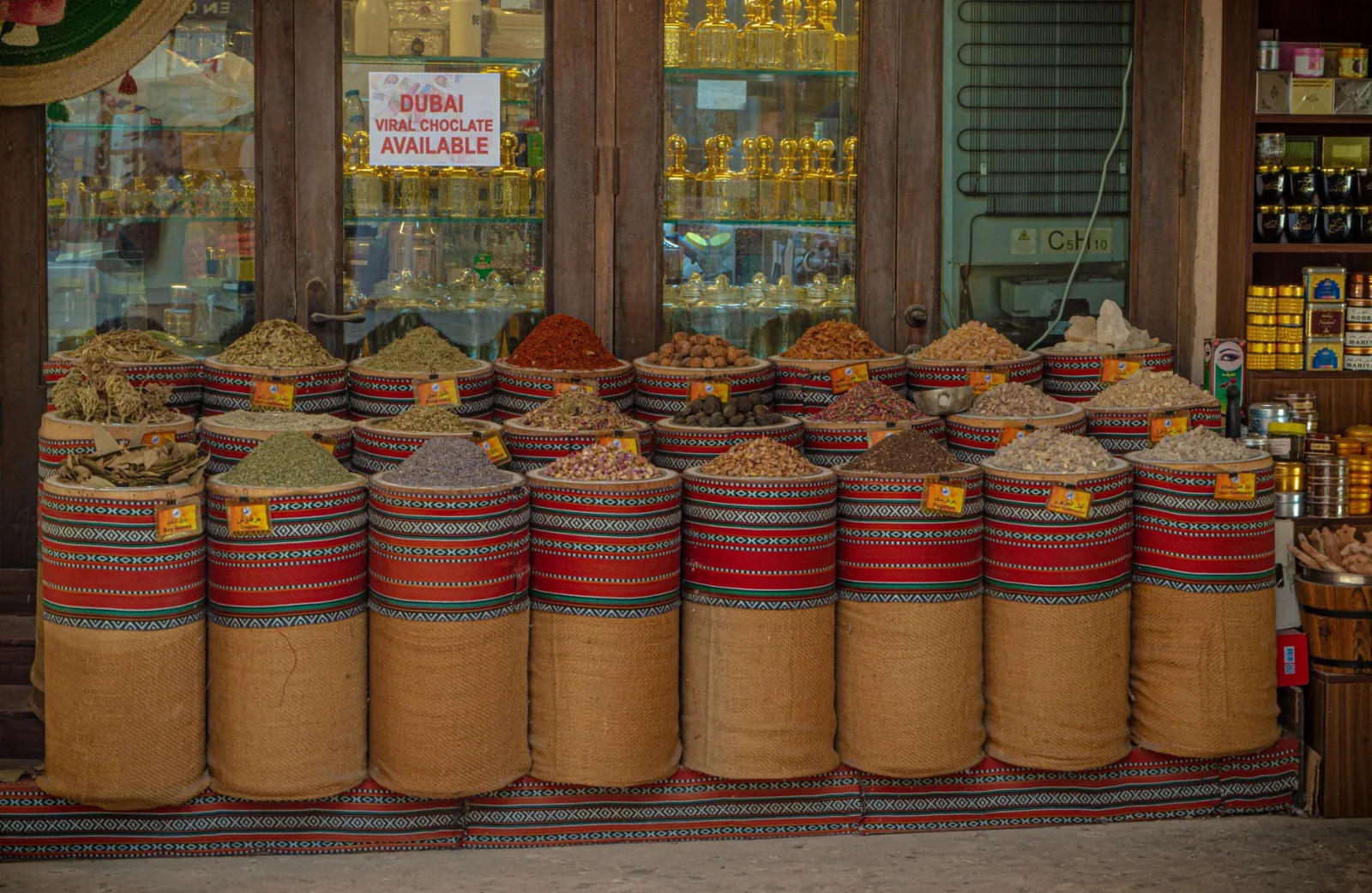
- Spices: The use of spices such as cumin, coriander, cardamom, and saffron is vital. These spices not only enhance flavor but also have cultural significance.
Understanding these ingredients is crucial because they form the backbone of many traditional dishes. For example, dates might be served alongside Arabic coffee as a welcome gesture, reflecting hospitality.
2. Traditional Cooking Techniques
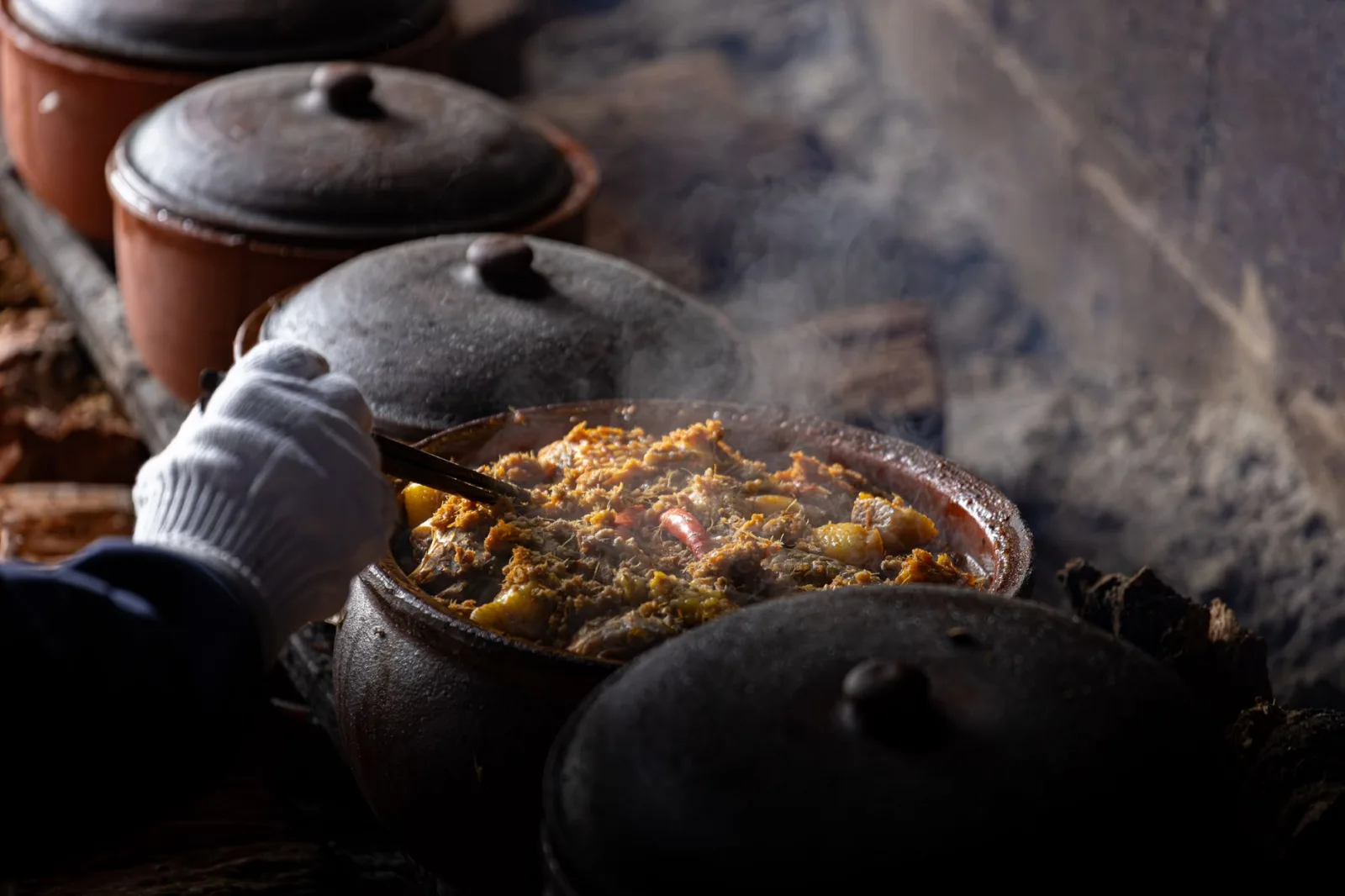
The cooking techniques used in Arabian cuisine are as diverse as the ingredients. Here are some methods that stand out:
- Grilling: Often used for meats, grilling is a popular method that imparts a smoky flavor. Dishes like Kebabs showcase this technique.
- Slow cooking: Many traditional dishes require hours of cooking to develop deep flavors. For instance, Machboos, a rice dish, is cooked slowly to allow the spices to infuse the rice.
- Steaming: This technique is common for preparing dishes like Harees, where wheat and meat are cooked together in a steam bath.
Each technique contributes to the textures and flavors of the dishes, making them unique to the region.
3. Regional Specialties Across the Peninsula
The Arabian Peninsula is composed of several countries, each with its own culinary specialties. Here are a few examples:
- Saudi Arabia: Known for Kabsa, a fragrant rice dish typically served with lamb or chicken and a blend of spices.
- Oman: The traditional dish Shuwa, which involves marinated lamb wrapped in banana leaves and slow-cooked in an underground sand oven, highlights Omani flavors.
- Kuwait: Machbous is a favorite, featuring rice, meat, and a mix of spices, offering a taste of Kuwaiti hospitality.
Exploring these regional specialties is essential for understanding the diverse culinary landscape of the Arabian Peninsula.

4. Forgotten Flavors: Rediscovering Lost Recipes
As you delve into the culinary history, you may encounter forgotten flavors—recipes that have faded from memory due to modernization and globalization. For instance, Fattah, a dish made of bread, rice, and meat, was once a common meal but is less frequently prepared today.
To rediscover these recipes, consider the following steps:
- Research: Look into local cookbooks, oral histories, and community traditions. Engage with older generations to learn about recipes they cherished.
- Experiment: Try recreating these dishes in your kitchen. You may need to adapt certain ingredients based on availability.
- Share: Discuss your findings and creations with others to keep the culinary traditions alive.
Engaging with forgotten flavors not only enriches your culinary skills but also helps preserve cultural heritage.
5. The Role of Hospitality in Arabian Cuisine
Hospitality is a cornerstone of Arabian culture, deeply intertwined with its culinary traditions. Meals are often communal, emphasizing sharing and generosity. When you visit a home, you may be offered a spread of dishes, accompanied by dates and Arabic coffee. Understanding this aspect of dining is crucial for appreciating the culinary experience.
Important note: If you’re ever invited to a meal, it’s customary to accept the hospitality graciously, as refusal may be seen as impolite. Always thank your host, regardless of the meal’s flavor or complexity.
6. Modern Influences and the Future of Arabian Cuisine
Today, Arabian cuisine is experiencing a renaissance, with chefs experimenting with traditional flavors in contemporary settings. Fusion dishes are becoming more common, where classic recipes are reinterpreted with global influences. For example, you might find Kabsa served with a twist, incorporating ingredients like avocado or quinoa.
This modern approach not only attracts younger generations but also keeps the culinary traditions relevant. However, it’s essential to strike a balance between innovation and authenticity. Here’s how:
- Respect Tradition: While experimenting, always honor the foundational elements of the traditional recipes.
- Be Mindful of Ingredients: Use locally sourced ingredients whenever possible to maintain the essence of the dish.
- Educate Diners: Share the history and cultural significance of the dishes you serve to create a deeper appreciation.
Conclusion: Embracing the Culinary Heritage of the Arabian Peninsula
The culinary traditions of the Arabian Peninsula are a treasure trove of forgotten flavors waiting to be unearthed. By understanding the core ingredients, traditional cooking techniques, and regional specialties, you can appreciate the richness of this heritage. Rediscovering lost recipes and embracing hospitality enhances your culinary journey, while modern influences ensure these traditions continue to thrive. Remember, the next time you indulge in a dish from this region, you’re not just tasting food; you’re experiencing history.
For further exploration, you might want to check out Uncovering the Hidden Culinary Secrets of the Arabian Peninsula to discover dishes you must try, or explore 10 Secret Waterfalls in the Arabian Peninsula for a nature-infused journey that complements your culinary explorations.