





Understanding Traditional Weaving
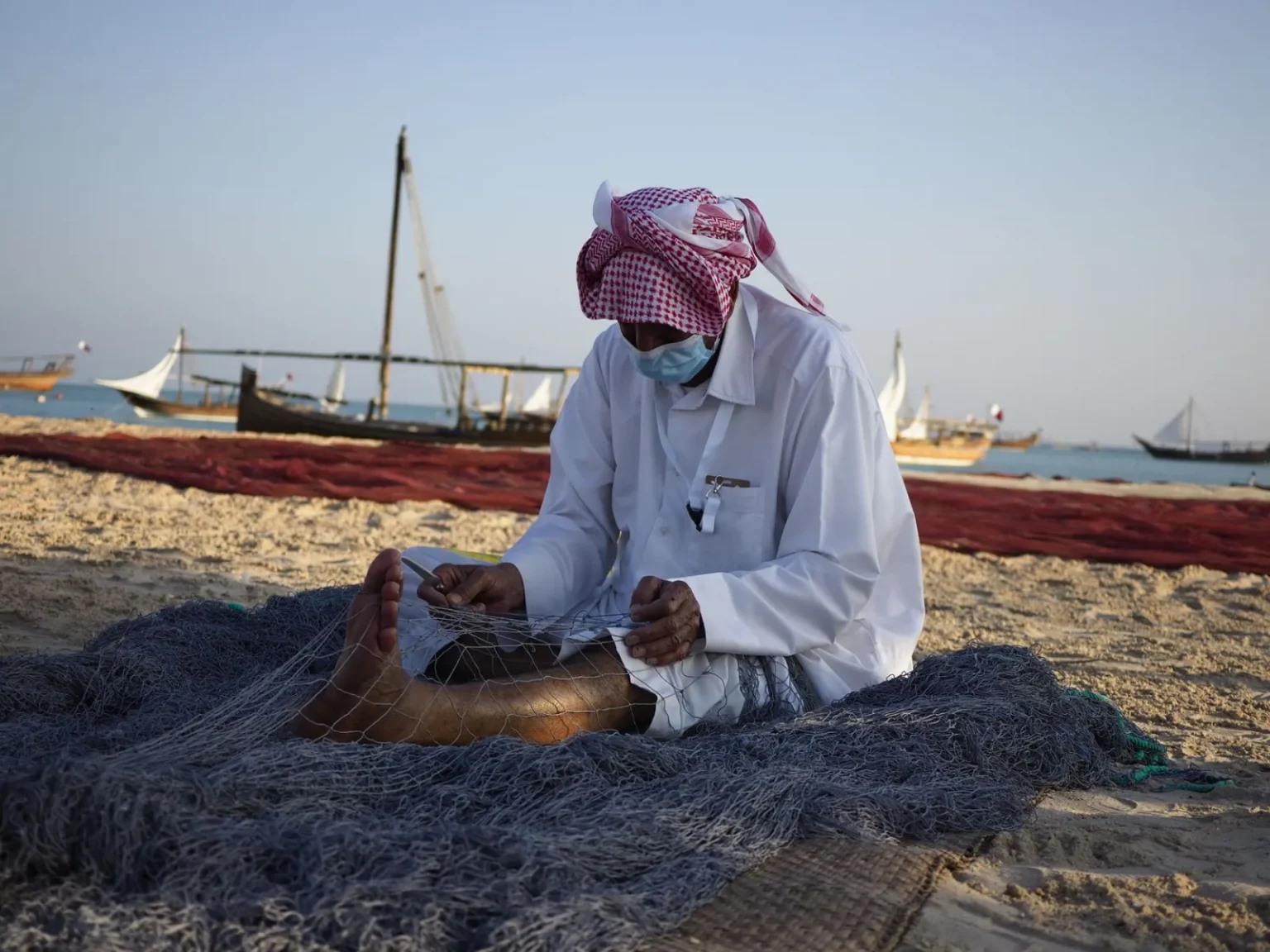
Traditional weaving is more than just a craft; it represents the rich cultural heritage of a region. In the Arabian Peninsula, this art form reflects the history, lifestyle, and environmental influences of the local people. To grasp the significance of traditional weaving, think of it as a tapestry that tells stories of the land and its inhabitants. Unlike industrial weaving, which often prioritizes speed and volume, traditional methods emphasize skill, patience, and cultural identity.
- Understanding Traditional Weaving
- The Historical Context of Weaving in the Arabian Peninsula
- Materials Used in Traditional Weaving
- The Weaving Process: Step-by-Step
- Regional Variations in Weaving Styles
- The Role of Traditional Weaving in Modern Society
- Visiting Weaving Centers: A Practical Guide
- Preserving the Art of Traditional Weaving
- Key Takeaways
The Historical Context of Weaving in the Arabian Peninsula
Weaving has deep roots in the Arabian Peninsula, dating back thousands of years. Historically, nomadic tribes relied on woven goods for practical purposes, such as tents and clothing. These items were not only functional but also decorated with symbolic patterns that conveyed the weaver’s identity and cultural background. For instance, Bedouins crafted intricate designs in their textiles, representing both their environment and social status. This connection to history is vital in understanding why traditional weaving remains a respected art form today.
Materials Used in Traditional Weaving
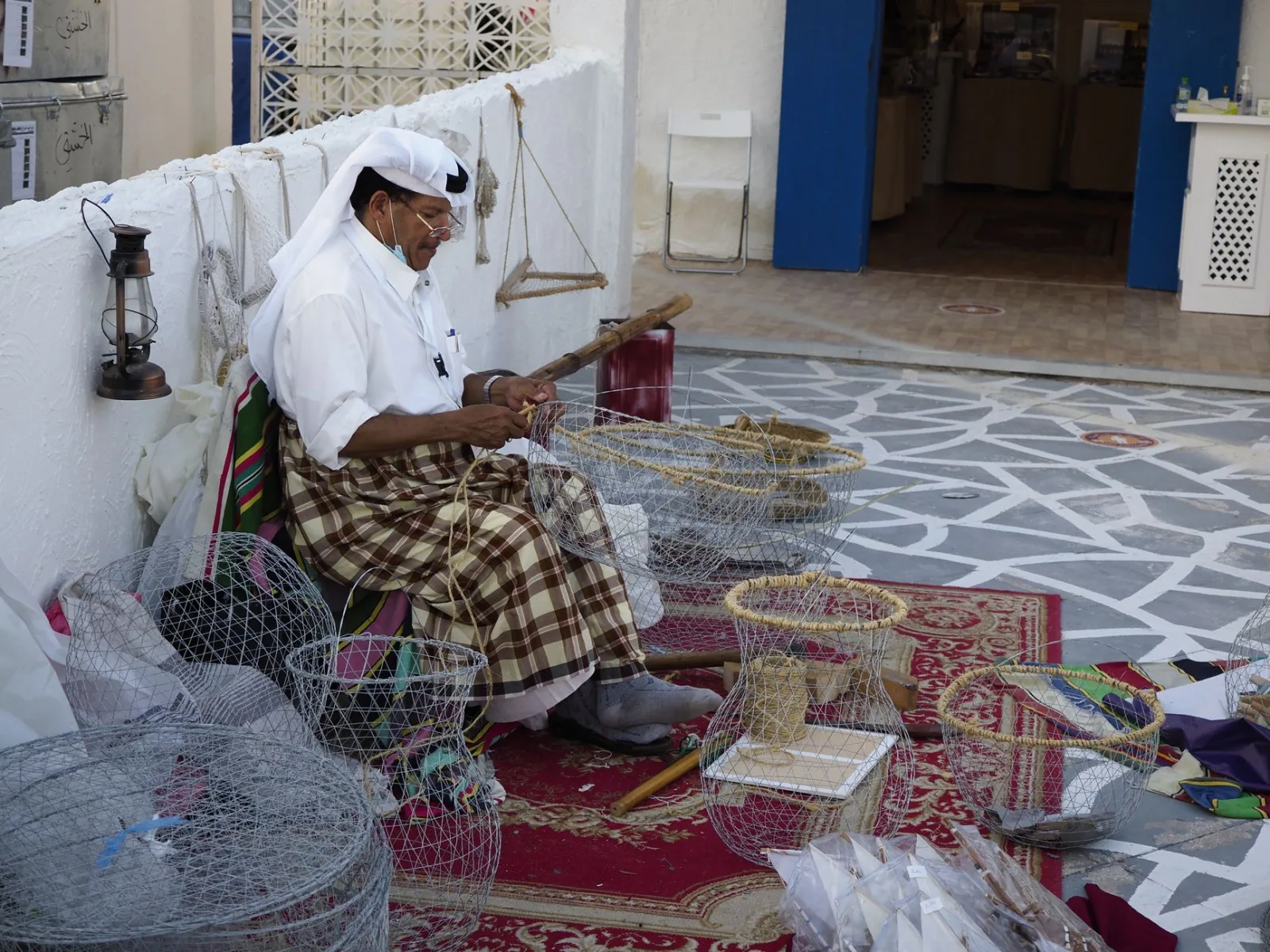
In the Arabian Peninsula, the materials for weaving vary based on regional availability. Commonly used fibers include cotton, wool, and palm fronds. Each material has unique properties that affect the final product’s texture and durability. For example, wool is preferred for its warmth and resilience, making it ideal for carpets and blankets. Meanwhile, cotton is favored for its softness, often used in clothing. Understanding these materials is essential for appreciating the craftsmanship involved in traditional weaving.
The Weaving Process: Step-by-Step
To create woven textiles, artisans follow several steps that require skill and attention to detail. Here’s a simplified breakdown:
- Preparation of Materials: The first step involves sourcing and preparing the fibers. This may include washing, dyeing, and spinning.
- Setting Up the Loom: Artisans arrange their looms, which can vary from simple hand looms to more complex structures. This setup is crucial for ensuring the weaving process runs smoothly.
- Weaving: The actual weaving process begins, where artisans interlace the fibers to create patterns. This step showcases the artisan’s skill, as intricate designs require precise movements.
- Finishing Touches: After the weaving is complete, the textiles undergo finishing processes, such as washing and trimming edges, to enhance their appearance and durability.
Understanding this process can deepen your appreciation for the artistry behind traditional weaving.

Regional Variations in Weaving Styles
Throughout the Arabian Peninsula, different regions boast their unique weaving styles, influenced by local culture and environmental factors. For example, the Gulf countries, including the UAE and Qatar, are known for their vibrant, colorful textiles, often featuring geometric patterns. In contrast, the mountainous areas, such as Oman, focus on more subdued colors, reflecting the natural landscape. This diversity showcases the richness of cultural craftsmanship across the region.
The Role of Traditional Weaving in Modern Society
While traditional weaving may seem like a relic of the past, it continues to thrive in modern society. Many artisans embrace contemporary techniques while honoring traditional methods. This fusion allows them to create textiles that appeal to both local and international markets. Moreover, traditional weaving plays a vital role in preserving cultural identity. It serves as a medium for storytelling, where patterns and designs convey historical narratives and social values. If you visit local markets, you might notice how these textiles attract not just tourists but also locals who cherish their heritage.
Visiting Weaving Centers: A Practical Guide
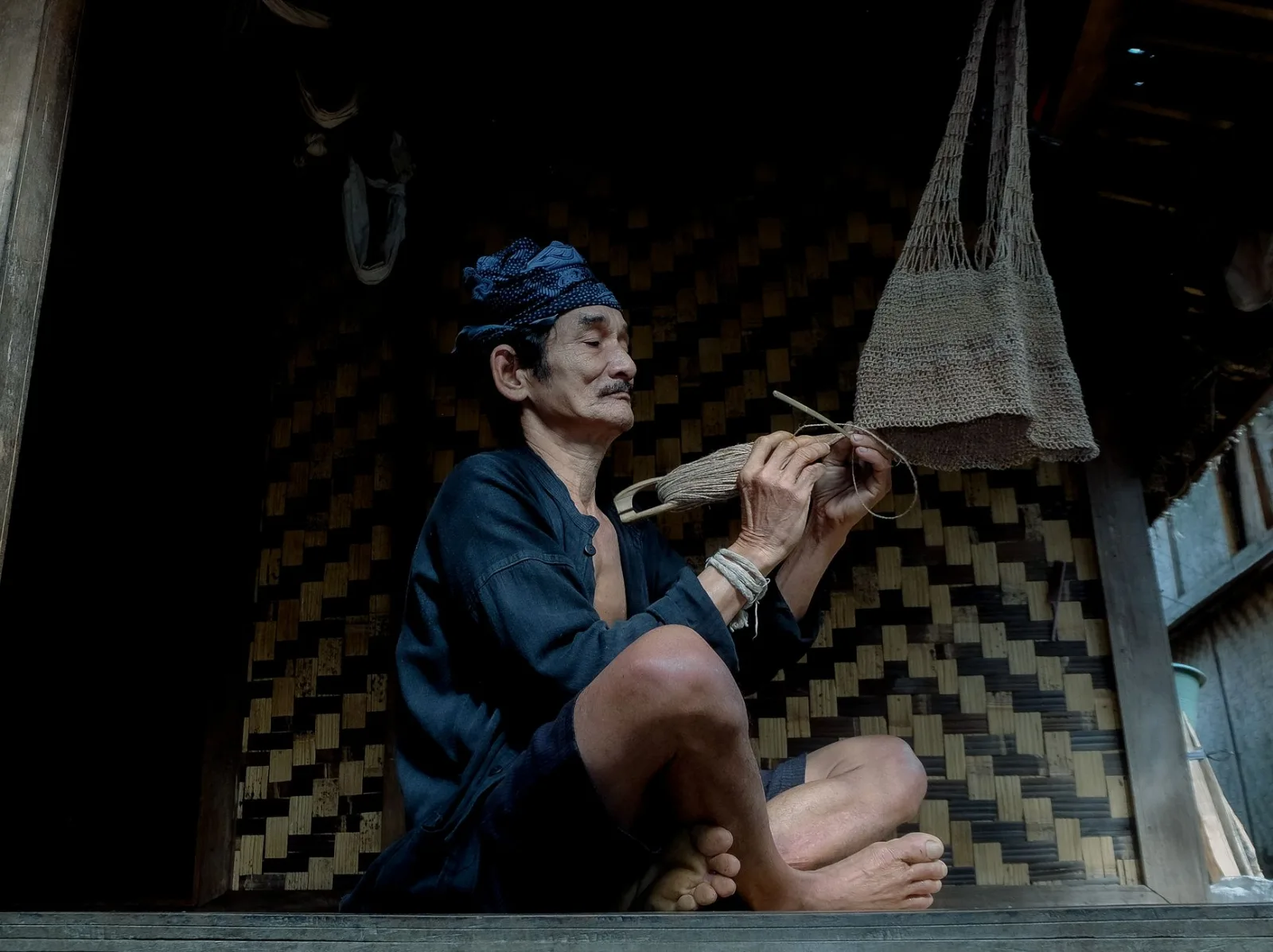
If you wish to explore traditional weaving firsthand, consider visiting weaving centers or workshops in the Arabian Peninsula. Here are some practical steps to enhance your experience:
- Research Local Artisans: Before your visit, research local artisans or workshops known for traditional weaving. Websites and social media can provide insights into their work and offerings.
- Schedule a Visit: Many artisans welcome visitors to their workshops. Schedule a visit to witness the weaving process and ask questions about techniques and materials.
- Participate in Workshops: Some centers offer workshops where you can try your hand at weaving. Engaging directly with the craft can deepen your understanding and appreciation.
- Respect Cultural Norms: Remember to respect local customs and practices during your visit. This may include asking for permission before taking photographs or discussing sensitive topics.
By following these steps, you can gain a richer experience of the art and culture surrounding traditional weaving.
Preserving the Art of Traditional Weaving
As the world becomes increasingly modernized, traditional crafts like weaving face the risk of fading into obscurity. Efforts are underway to preserve this art form through various initiatives. Organizations and local governments are promoting traditional weaving by offering training programs and financial support to artisans. Additionally, cultural festivals often feature weaving demonstrations, raising awareness about its importance. By supporting local artisans, whether through purchases or advocacy, you contribute to the preservation of this vital aspect of cultural craftsmanship.
Key Takeaways
Traditional weaving in the Arabian Peninsula is a testament to the region’s rich cultural heritage and craftsmanship. By understanding its historical context, materials, and processes, you can appreciate the artistry behind each woven piece. Remember that traditional weaving is not just about creating textiles; it’s about preserving stories and identities. As you explore this hidden gem of the Arabian Peninsula, you engage with a practice that connects the past with the present, enriching your travel experience.