




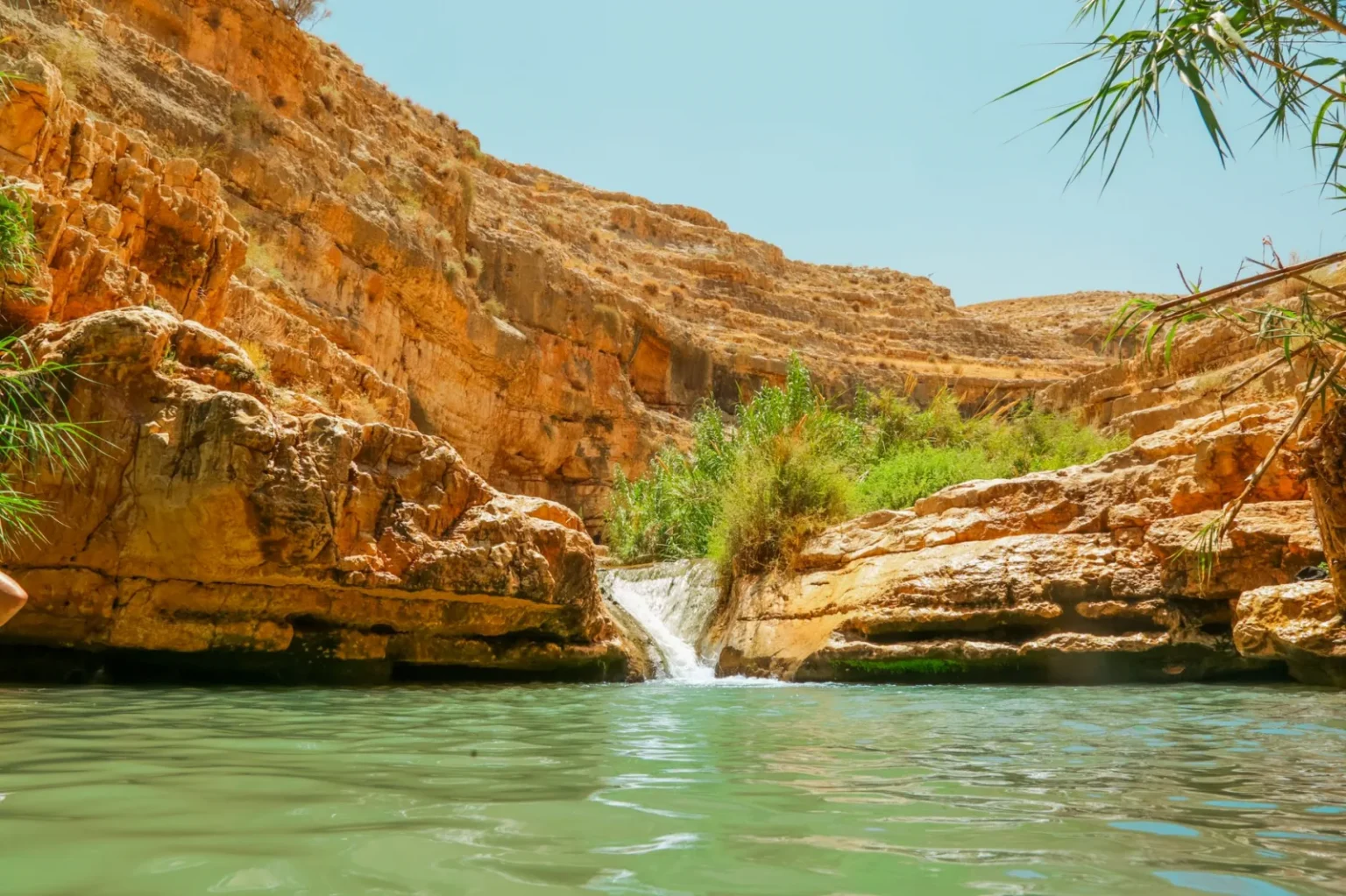

Understanding Egypt’s Nature Reserves
Egypt is often associated with its ancient civilization and bustling urban centers, yet it is home to a variety of nature reserves that offer a glimpse into the country’s untouched wilderness. These reserves are crucial for preserving biodiversity and provide a sanctuary for wildlife, making them an excellent choice for eco-tourism in Egypt. Understanding what these reserves entail is your first step towards appreciating their significance.
Why Visit Nature Reserves?
Visiting Egypt’s nature reserves allows you to experience the country’s natural beauty firsthand. Unlike the heavily touristed areas like the Pyramids of Giza, these reserves offer tranquility and a chance to connect with nature. You may find yourself observing rare species in their habitats, enjoying breathtaking landscapes, and even engaging with local communities who depend on these ecosystems.
Key Nature Reserves to Explore
Several nature reserves in Egypt stand out for their unique ecosystems and recreational opportunities:
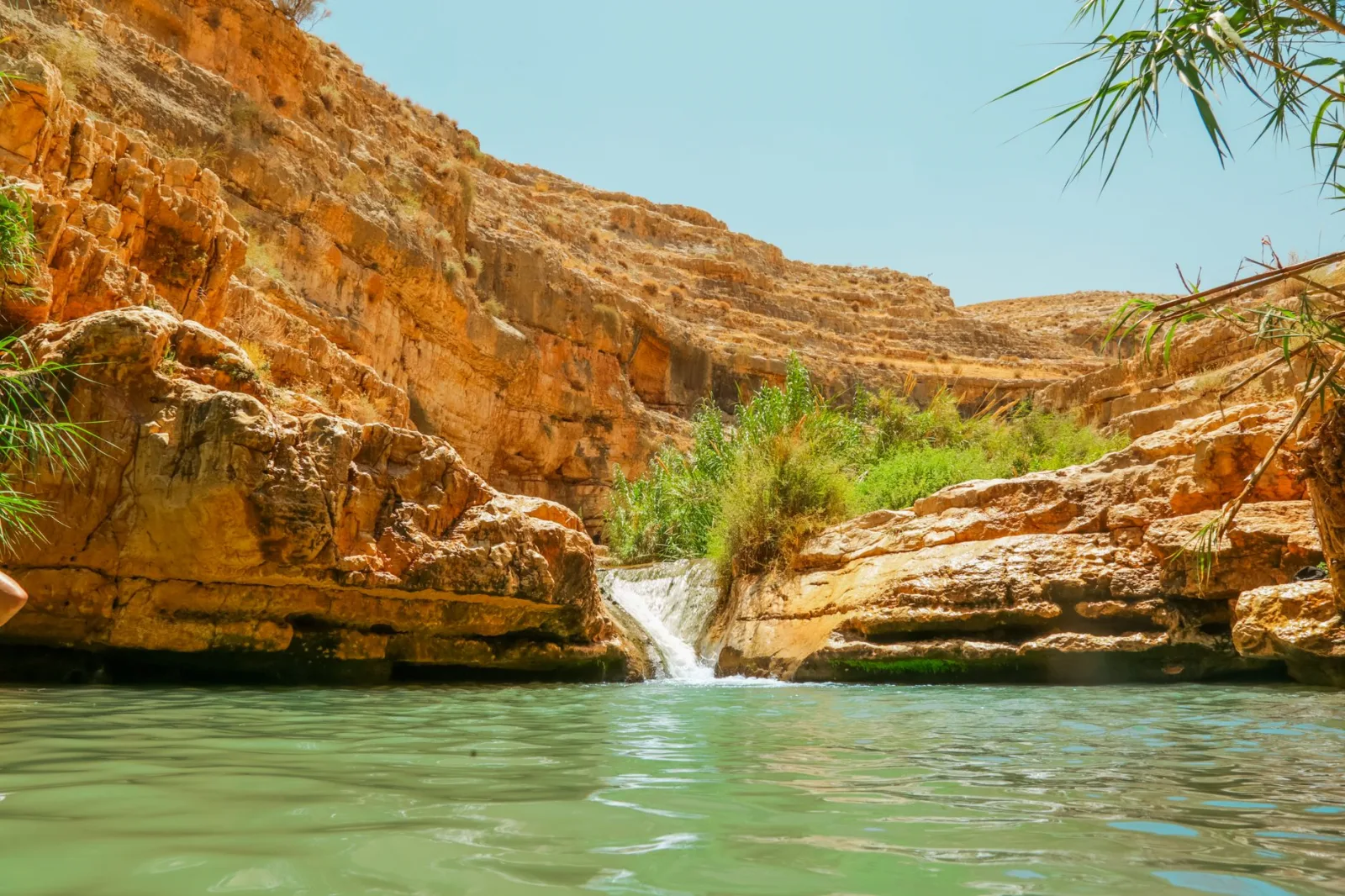
1. Wadi El Rayan
Located in the Fayoum Oasis, Wadi El Rayan is known for its beautiful waterfalls and rich biodiversity. The reserve is home to several endangered species, including the African wildcat and various migratory birds. You can hike along its trails or enjoy birdwatching—ideal activities for nature enthusiasts.
2. Ras Mohammed National Park
This coastal reserve near Sharm El Sheikh is famous for its coral reefs and vibrant marine life. If you enjoy snorkeling or diving, Ras Mohammed is a must-visit. The underwater ecosystems here are among the most well-preserved in the Red Sea, providing a unique opportunity to witness marine biodiversity.
3. Nabq Protected Area
Nabq is known for its mangroves, which are crucial for coastal protection and biodiversity. The reserve’s diverse habitats include coral reefs, desert landscapes, and lagoons, making it a great spot for eco-tourism activities such as kayaking and wildlife photography.
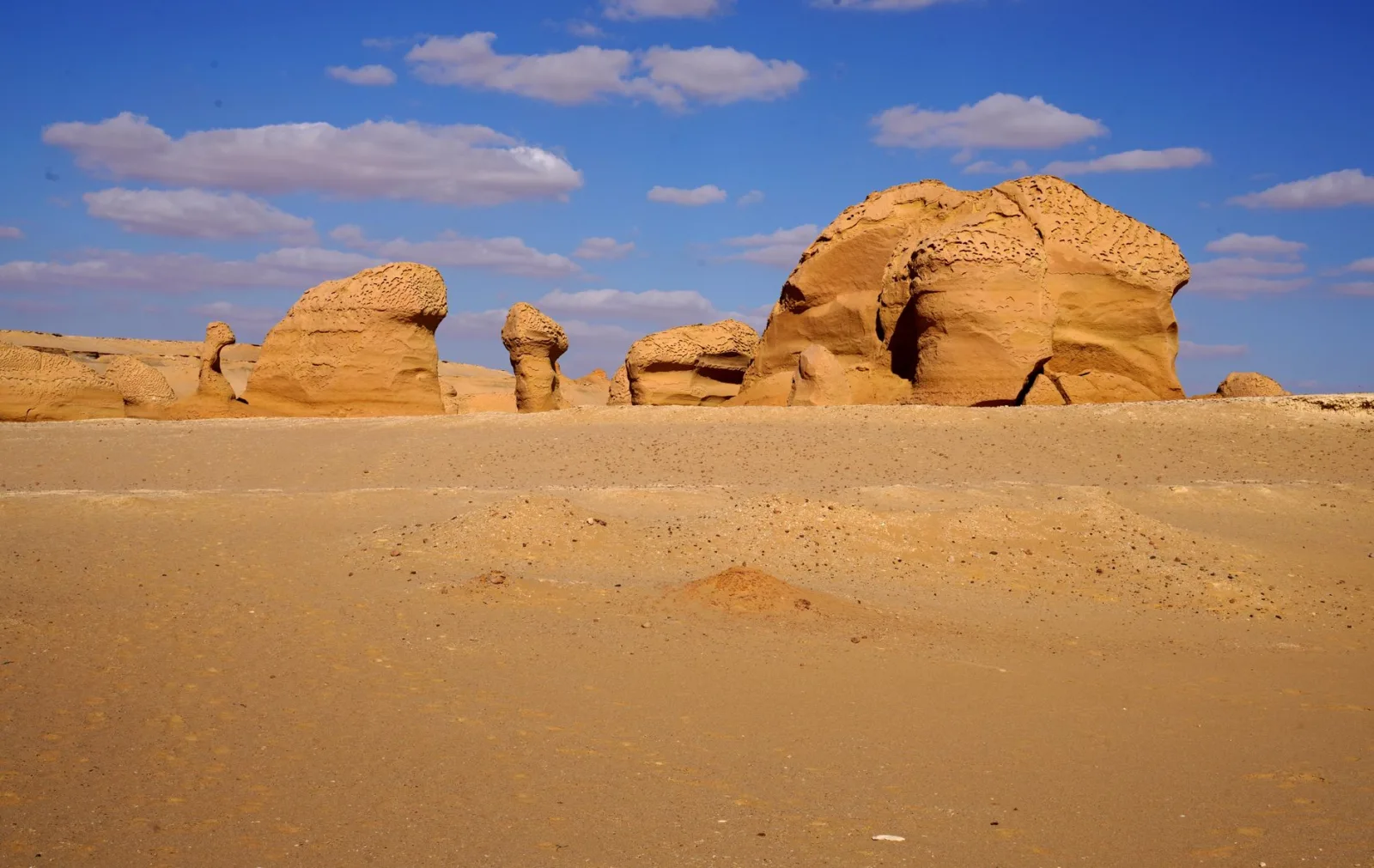
4. Siwa Oasis
While not a traditional nature reserve, Siwa Oasis offers stunning landscapes and unique ecosystems influenced by the surrounding desert. The area is rich in biodiversity, and you can explore its salt lakes, palm groves, and ancient ruins. It’s a perfect blend of culture and nature.
Planning Your Visit
When planning your trip to these nature reserves, consider the following:
- Timing: The best time to visit is usually during the cooler months from October to April. This period allows you to enjoy outdoor activities without the discomfort of extreme heat.
- Permits: Some reserves may require permits for entry or specific activities, such as camping or guided tours. Check in advance to avoid any surprises.
- Guided Tours: Hiring a local guide can enhance your experience. They can provide insights into the local flora and fauna, as well as the ecological significance of the areas you visit.
Common Mistakes to Avoid
As you navigate Egypt’s nature reserves, be mindful of these common pitfalls:
- Neglecting Local Regulations: Always respect the rules set by the reserve management. This includes staying on marked paths and avoiding littering.
- Overlooking Safety Precautions: Depending on the reserve, you may encounter wildlife or difficult terrain. Always prioritize your safety by wearing appropriate footwear and bringing necessary supplies.
- Ignoring Weather Conditions: Weather in desert regions can change rapidly. Be prepared for both heat and sudden storms, especially if you’re hiking in remote areas.
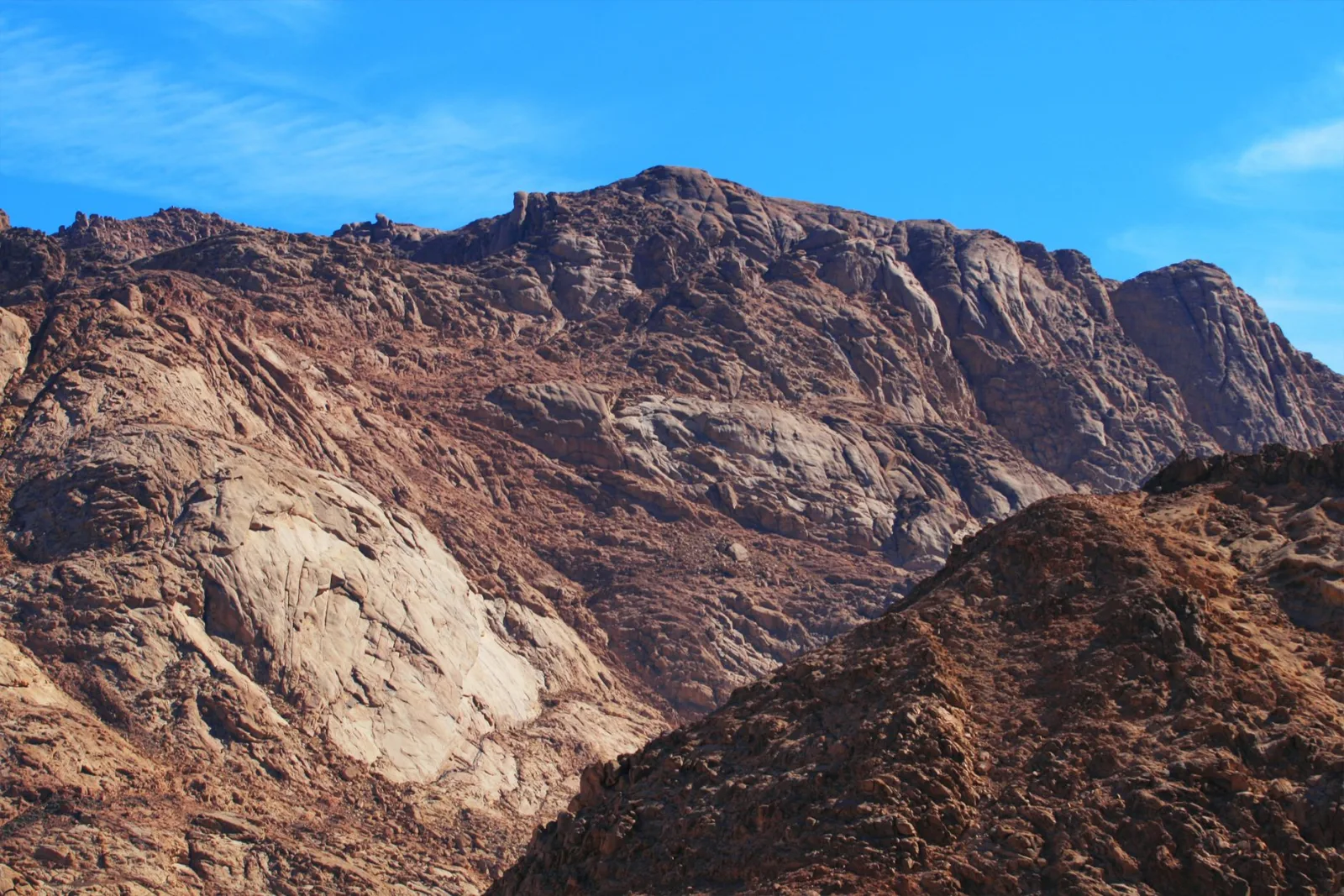
Eco-Tourism: A Sustainable Choice
Engaging in eco-tourism in these nature reserves allows you to support conservation efforts while enjoying the beauty of Egypt’s landscapes. When you choose eco-friendly activities, you help preserve these environments for future generations. For example, consider participating in volunteer programs that focus on wildlife conservation or habitat restoration.
Connecting with Local Communities
Many nature reserves are located near local communities that rely on eco-tourism for their livelihoods. By choosing to stay in eco-lodges or participating in community-run tours, you can ensure that your visit benefits the local economy. This connection fosters a deeper understanding of the region’s culture and enhances your travel experience.
Conclusion: Embrace the Wilderness
Exploring Egypt’s forgotten nature reserves allows you to step away from the crowded tourist paths and appreciate the country’s natural heritage. By understanding the significance of these areas, planning your visit carefully, and engaging with local communities, you can enjoy a fulfilling eco-tourism experience. Remember, the key to a great adventure is respecting nature and leaving no trace behind. So, pack your bags, grab your camera, and get ready to discover the hidden wilderness of Egypt.